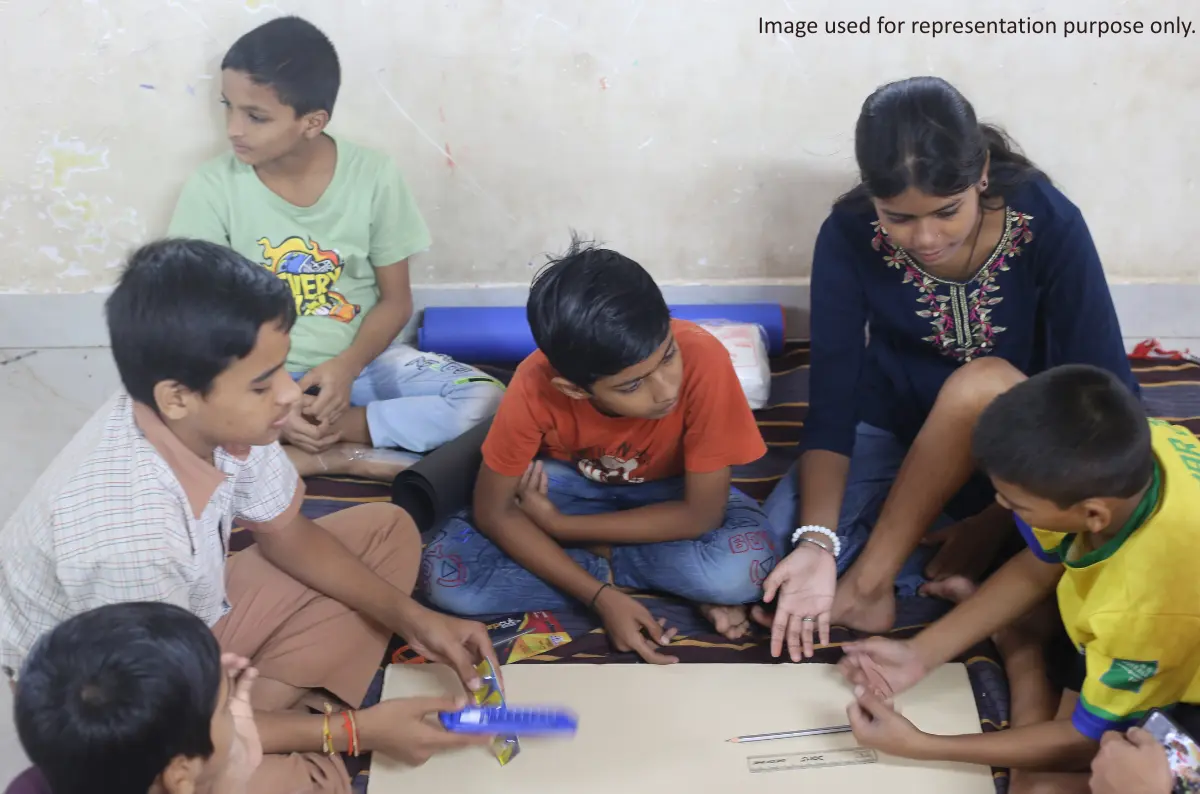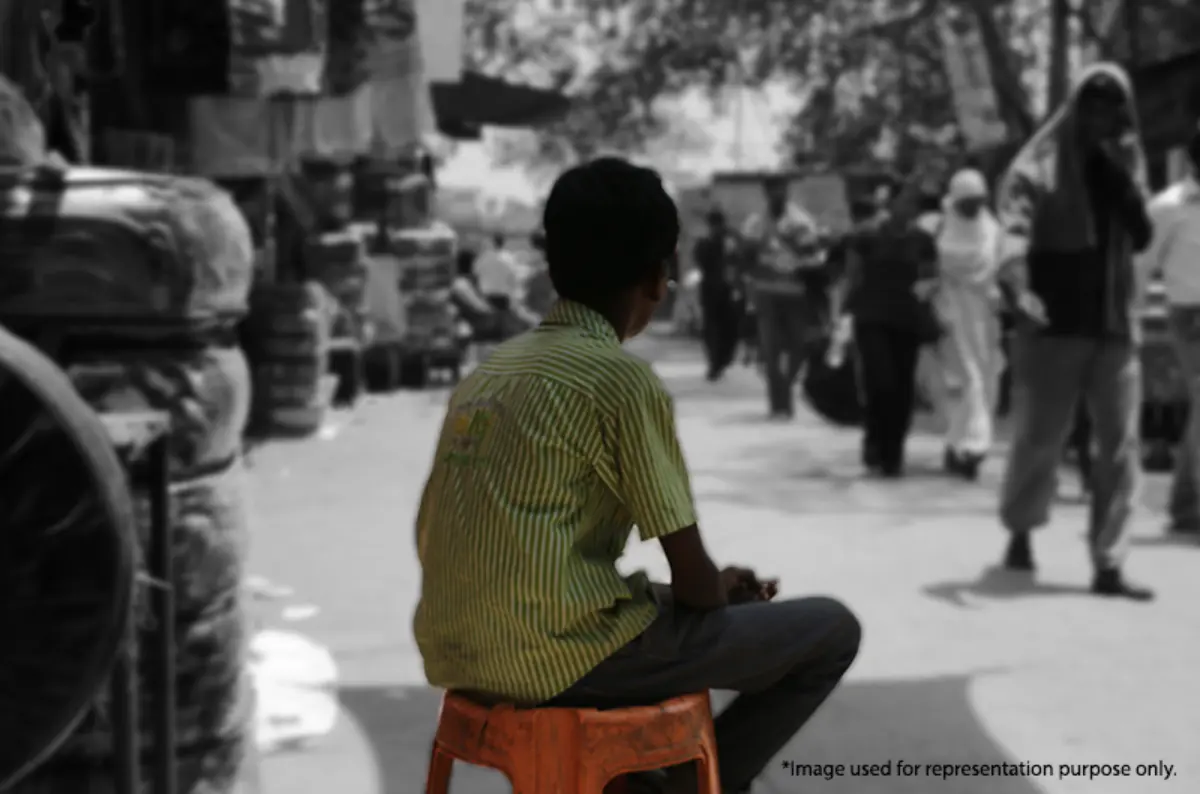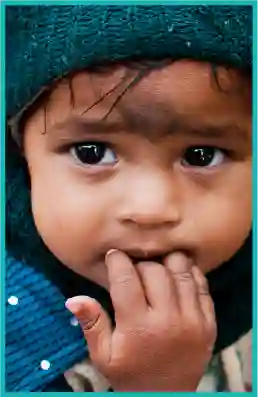












In many underserved communities, a child’s day does not begin with school. It begins with work to support the family’s income, early marriage to ease financial pressure, caring for siblings, and stepping into responsibilities far too soon. When survival depends on what a child can contribute today, education often gets pushed aside.
But when even one child is able to stay in school, something begins to shift. It changes how a child sees the world, how a family makes decisions, and how a community begins to grow.
In today’s blog, let’s explore how educating one child creates a ripple effect across families, communities, and generations, and how CRY America is helping this change reach beyond immediate communities.
How education transforms a child’s life beyond the classroom
The impact of education is not limited to what happens inside a classroom. It shows up in how children care for themselves and those around them, how they speak up for themselves and others, and how they navigate the world. Let’s understand why education matters for every child:
Better health and well being
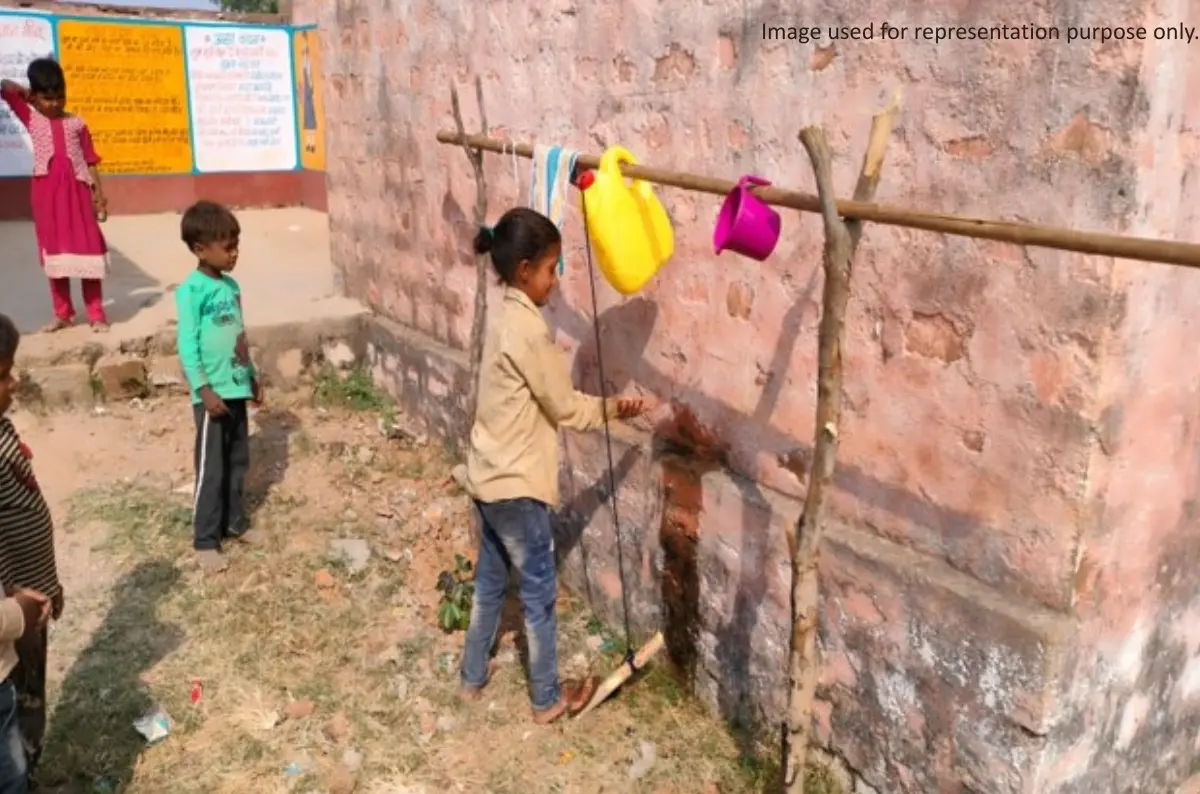
Education helps children understand their bodies, rights, and needs. When they stay in school, they gain access to nutrition, basic healthcare, and hygiene awareness, often through safe, supportive spaces. As a result, they are healthier, better nourished, and more aware, building a stronger foundation for their overall growth.
Also Read: Understanding Children’s Right to Health
Greater confidence and life skills
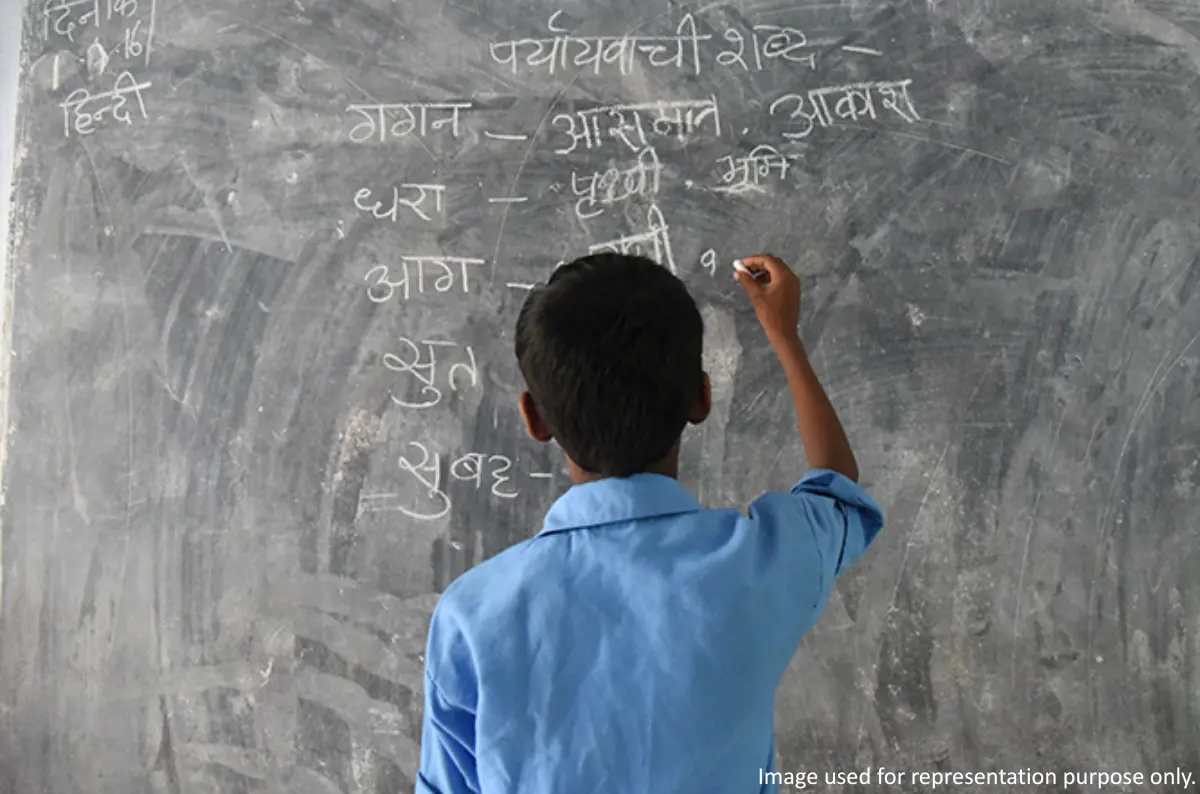
School is often where a child first feels seen and heard. With regular opportunities to read, ask questions, and participate, they begin to build confidence and trust their own voice. Over time, this confidence shapes essential life skills, helping them make informed decisions, face challenges, and stand up for themselves and others.
More career and income opportunities
Education expands what a child can imagine for themselves. Without it, choices are limited and often decided by circumstance. With education, children can pursue skills, careers, and livelihoods that offer stability and dignity. This is where the impact of education becomes visible over time. Higher earning potential leads to better living conditions, access to services, and long term security.
Breaking the cycle of poverty
Children from underserved communities often leave school early to support their families, leading to low paying and unstable work. This cycle continues across generations. Education helps break it. When a child completes schooling, they are more likely to earn steadily, delay early marriage, and invest in their children’s education, shifting the direction away from poverty.
Also Read: How Education Can Transform the Lives of Underprivileged Youth
The ripple effect of educating one child on families and communities
Imagine a community where families are pushed out of the healthcare system because Anganwadis and health centers are too far. Where children are first generation learners who want to study and move out of poverty, but schools are out of reach, or even when they reach them, they lack basic facilities. This is the reality of many underserved communities, where the will exists, but the way forward feels far from possible.
Amidst this, when even one child gets educated, something begins to shift. They learn to question the “why” and demand accountability. That question does not stay with just one child. It spreads to their peers, their families, and the community around them. And when awareness ripples, change begins to multiply, carried forward by many voices instead of one. Let’s see how:
Stronger families and financial stability
An educated child grows into an adult who can contribute more reliably to their household. With better income and awareness, families are able to plan, save, and access government programs and services. Decisions around health, education, and spending become more informed. Over time, this builds financial stability that benefits the entire family.
Higher school enrollment for future generations
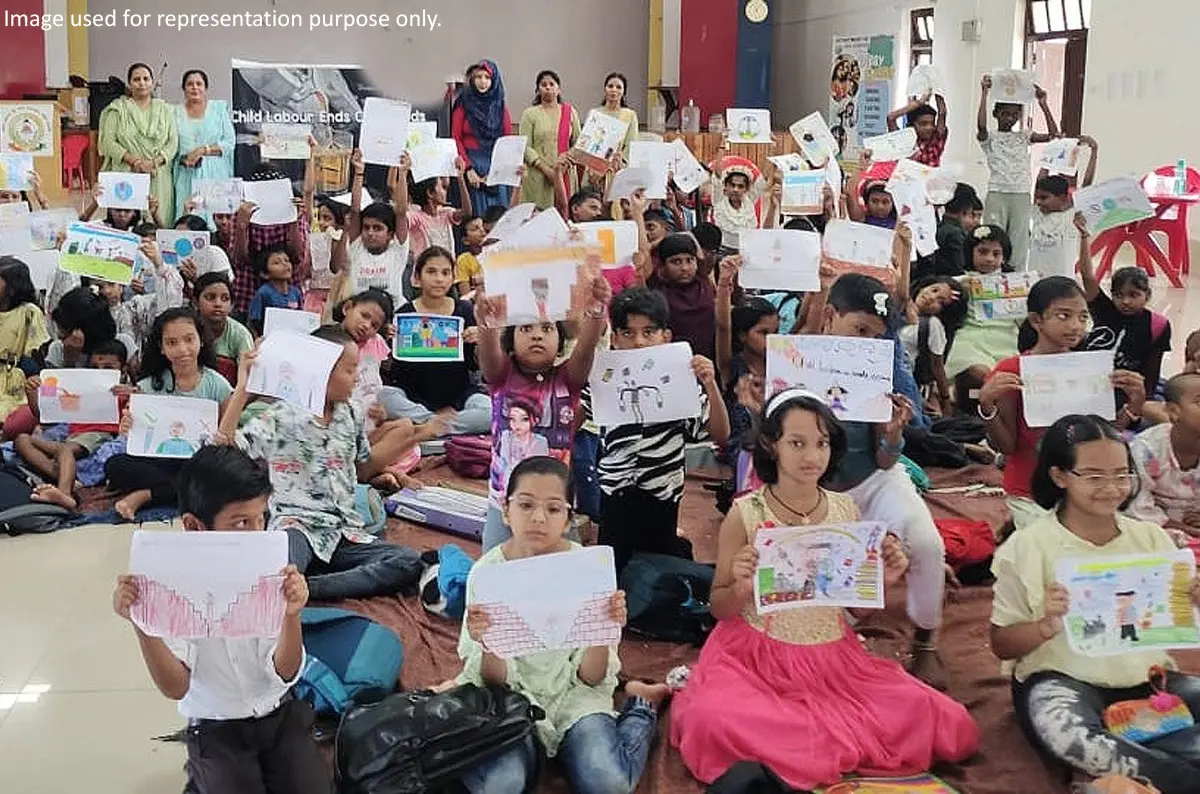
When children begin to raise their voices, change starts to take shape in visible ways. An amplified collective voice can prevent primary schools from shutting down, lead to their upgradation into secondary and higher education institutions, and even push for new schools to be established closer to where children live. These changes do not just impact one child. They make education more accessible for many.
Similarly, when barriers to education are addressed, the effect multiplies. Building safer roads to school, ensuring access to hostel facilities, arranging school transport, or setting up pad banks for adolescent girls all make it easier for children to continue their education without interruption. As these enablers come into place, more children are able to enroll, stay, and complete their education. What begins as one child’s voice gradually leads to a system that supports many more.
Also Read: Why Parental Involvement Matters for a Child’s Education
Safer and more resilient communities
As more children stay in school, the impact extends beyond education into the community. With greater awareness, children grow into individuals who speak up against child labor, early marriage, and unsafe conditions, influencing those around them. At the same time, improvements like safer roads and better infrastructure create a more secure environment for everyone, leading to communities that are more aware, connected, and better prepared to face challenges together.
Why millions of children still lack access to education
If the benefits of education are so visible, why do millions of children still remain out of school? The answer lies not in a lack of willingness, but in the barriers that stand in the way.
Poverty and financial challenges
For many families, education comes with costs they simply cannot afford. Uniforms, books, transport, and the loss of a child’s contribution to household income make schooling difficult to continue.When survival is uncertain, immediate needs take priority, and education is often the first to be set aside.
Also Read: Overcoming Barriers to Education for Underprivileged Children
Child labor and early school dropouts
Children often enter the workforce not out of choice, but out of necessity. Long working hours, unsafe environments, and constant financial pressure leave little room for learning. What may begin as a temporary arrangement gradually turns into a permanent dropout. This is where the link between education and poverty becomes most visible, each reinforcing the other over time.
Also Read: 8 Ways to Empower Underprivileged Children
Gender inequality and limited access to schools
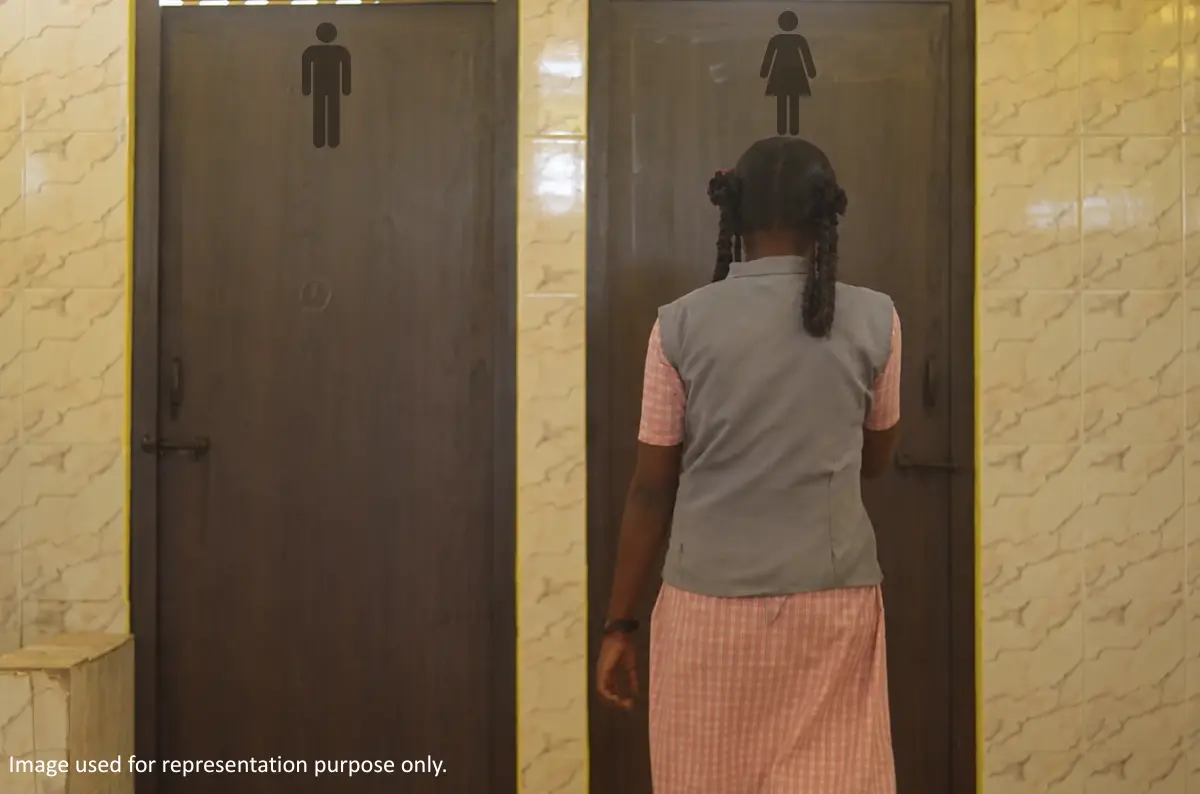
For many girls, the barriers are even greater. Distance to schools, lack of safe school infrastructure, and deeply rooted social norms often restrict their access to education. They are expected to take on household responsibilities or marry early, cutting their education short.
Without focused support, these challenges continue to limit access to quality education for millions of girls, holding back not just individuals, but entire communities.
Also Read: Empowering the Girl Child Through Education
How CRY America is helping more children access quality education
CRY America’s project teams work by keeping children at the center while strengthening the systems around them. Here, a child is not seen as a mere beneficiary, but as someone who can grow into an advocate, shaping possibilities for a more sustainable future. Let’s look at how this change takes shape.
Preparing children to find their voice
A child’s journey does not end with enrollment or reenrollment. It begins there. CRY supports children through life skills sessions that help them find their voice, build confidence, and begin to dream. These are not just personal dreams, but ones that connect to a larger sense of purpose. In the process, children begin to rebuild their self esteem and believe in their ability to achieve what once felt out of reach.
Change through children’s voices
When facilities are inadequate and children are unable to access their right to education, CRY encourages them to speak up. Children are guided to file petitions and raise their concerns at the right platforms. Whether it is preventing the shutdown of a primary school, pushing for school upgradation, ensuring safer roads, or demanding basic facilities, children begin to lead change at a systemic level.
Ensuring student teacher ratio
In many underserved communities, overcrowded classrooms make it difficult for children to focus and learn. Over time, this leads to disengagement and eventual dropouts. CRY works to ensure that schools meet the required student teacher ratio, because when quality education improves, children are more likely to stay, learn, and thrive.
Strengthening children’s rights through collectives
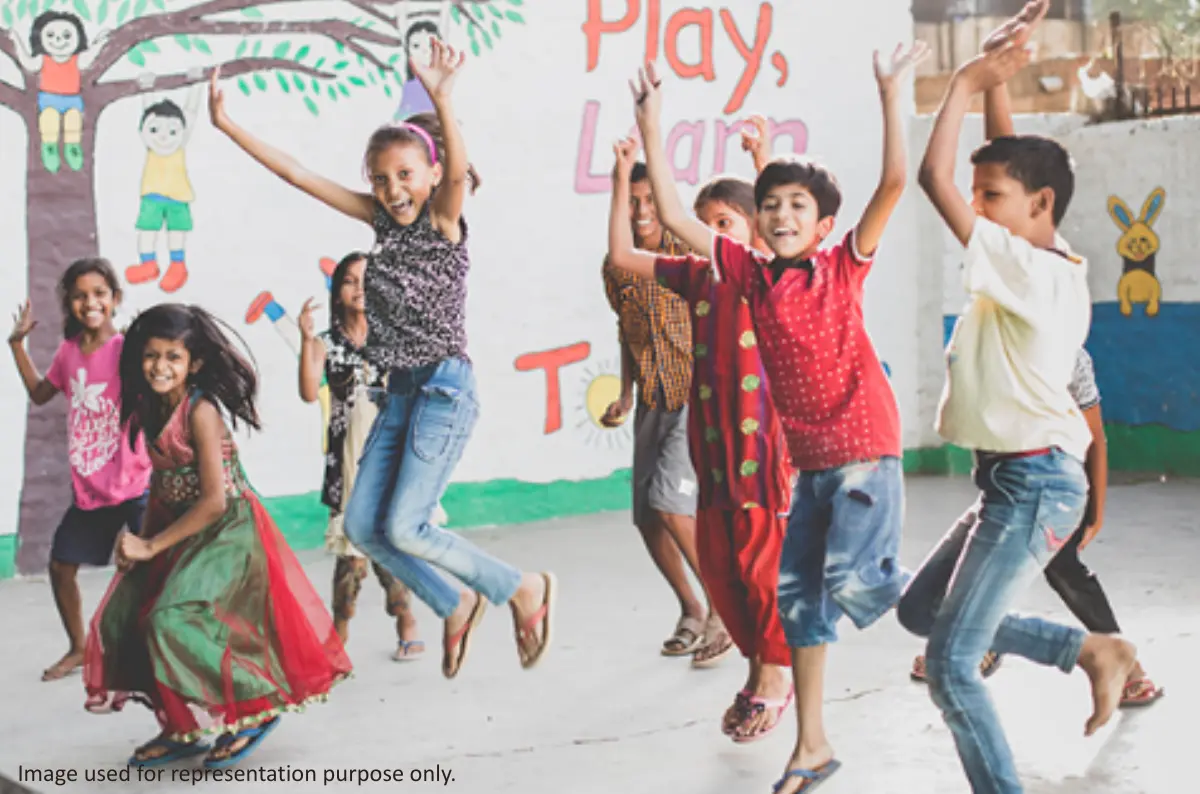
CRY supports the formation of children’s and adolescents’ collectives, creating safe spaces where they can come together, discuss their challenges, and raise their voices collectively. Whether it is reclaiming their right to play by restoring playgrounds, or supporting peers at crossroads like early marriage or child labor, these collectives help children stand by one another and take informed decisions.
Conclusion
Change does not always arrive all at once. In communities where the will exists but the way feels distant, education becomes that first step forward. And when one child is able to take that step, it begins to open the path for many others. Support CRY America in helping create these pathways, so more children can access the opportunity to learn, grow, and move toward a better future.
Recommended for you