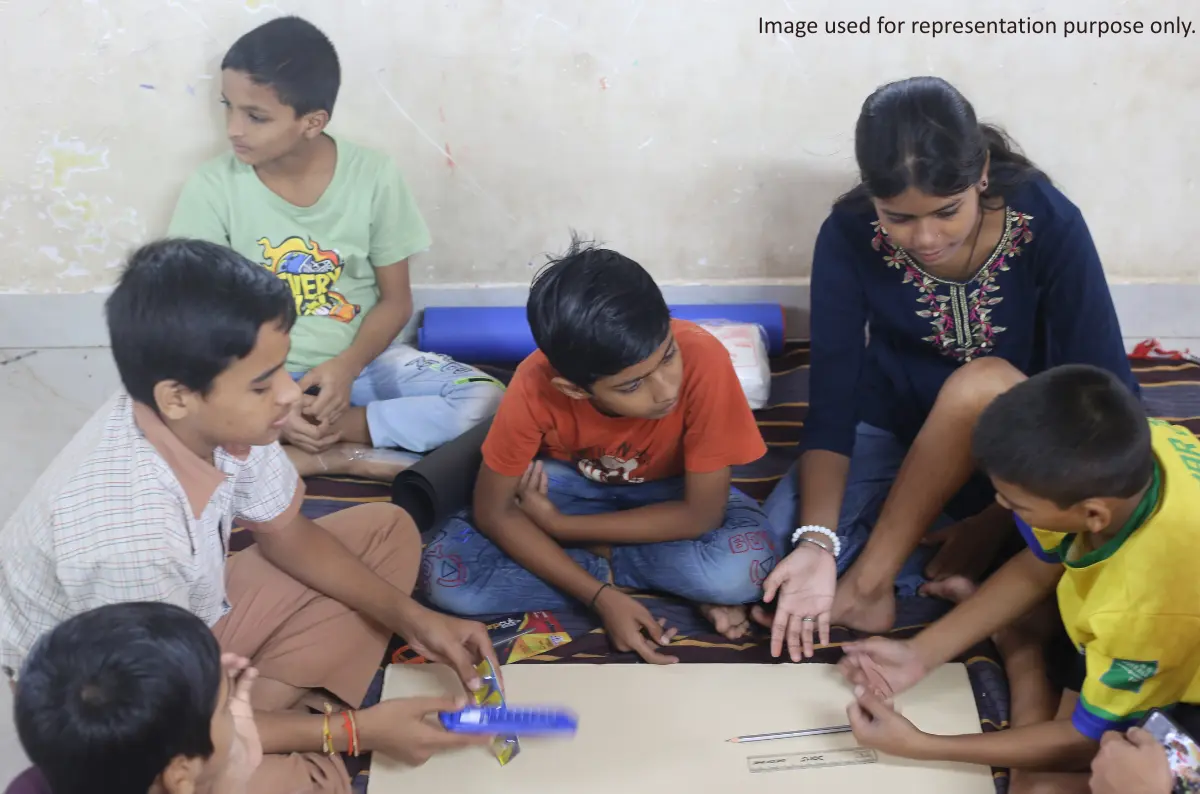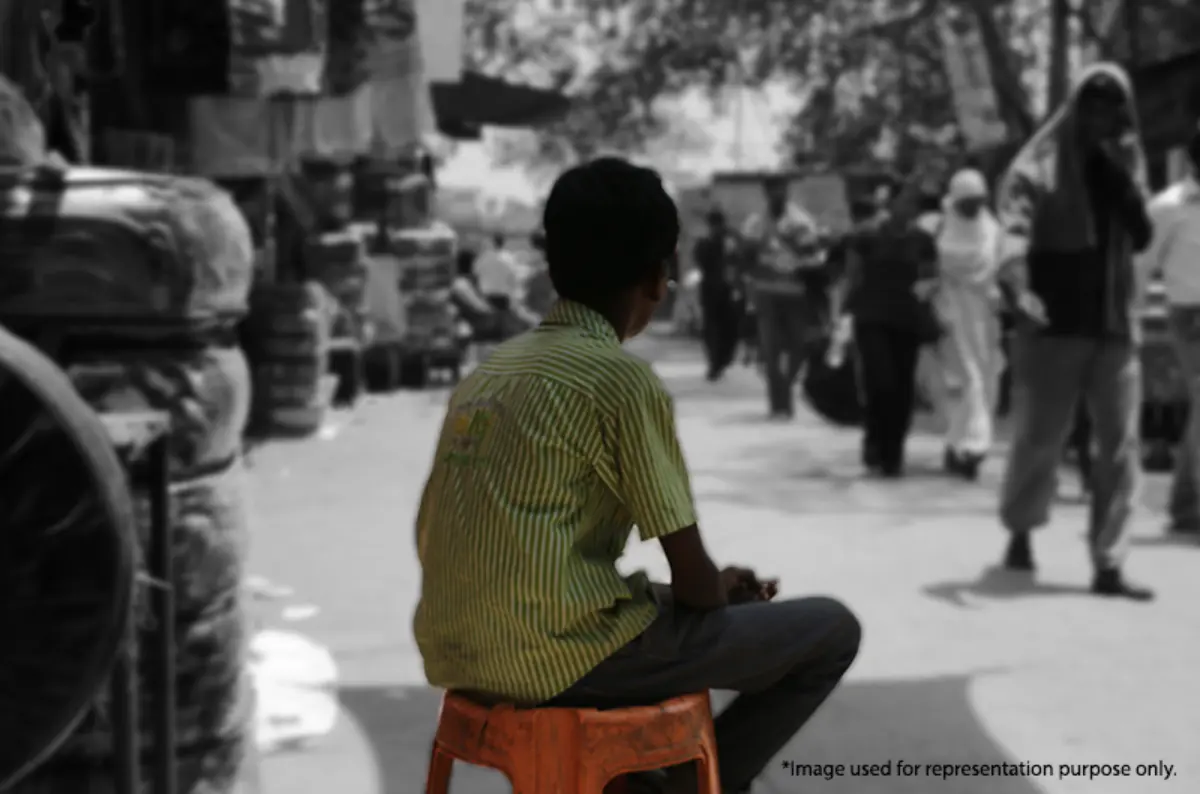












Education is a key tool for transforming the lives of underprivileged youth. It opens doors to better employment, enhances critical thinking, and breaks cycles of poverty. In many disadvantaged communities, access to quality education remains limited due to financial constraints, inadequate infrastructure, and societal barriers. Overcoming these challenges requires targeted interventions such as scholarships, community-based programs, and government policies. Read along to know more about Education Empowerment in Child Development!
Summary / TL;DR on Education Empowerment in Child Development
- Education equips underprivileged youth with skills, confidence, and opportunities to break cycles of poverty.
- Financial hardship, gender bias, poor infrastructure, and social norms continue to limit access to quality education.
- Targeted interventions such as scholarships, community programs, and policy support help close systemic gaps.
- Holistic education that includes life skills, vocational training, and civic engagement drives long-term empowerment.
- NGOs like CRY America play a critical role in ensuring access, retention, and quality learning for underserved youth.
Also Read: Protect Underserved Children
The Power of Education in Empowering Youth
Education equips youth with essential skills, knowledge, and confidence to take control of their future. It promotes informed decision-making, critical thinking, and self-reliance.
In India, initiatives like the Right to Education Act have opened doors, yet systematic gaps persist. Bridging these gaps is crucial for empowering youth for positive change.
With equal access, education fosters civic responsibility, boosts economic participation, and helps youth challenge social norms that limit progress. Empowered youth build stronger, more equitable communities.
Education as a Tool for Breaking the Cycle of Poverty
Education breaks generational poverty by enabling youth to secure stable livelihoods and demand their rights. Underprivileged children often lack access to quality education due to poverty, inadequate resources, malnutrition, and discrimination.
CRY’s grassroots efforts, like remedial education, community engagement, and support centers – create pathways for school retention and learning. Empowering youth through targeted academic and skill development reduces vulnerability and builds resilience.
What Is Education Empowerment? Meaning and Importance
Education empowerment refers to enabling youth with the knowledge, skills, and confidence needed to make informed life choices and participate meaningfully in society. For underprivileged youth, empowerment goes beyond literacy. It includes critical thinking, self-reliance, and awareness of rights. When education is accessible and inclusive, it strengthens economic participation, improves social mobility, and equips young people to challenge inequality. Empowered learners are better positioned to contribute to their communities and drive sustainable development.
Also Read: Bridging the Education Gap for Underprivileged Children
Challenges Faced by Underprivileged Youth in Accessing Education
Underprivileged youth face daily setbacks in accessing quality education. Many lack school infrastructure, trained teachers, or even basic supplies. Others struggle due to social and financial pressures.
Some of the most common challenges include:
Economic Barriers and the Need to Work
Poverty forces many children to prioritise earning over learning. Families with unstable income depend on them for extra wages. Such situations shift the focus from school to survival.
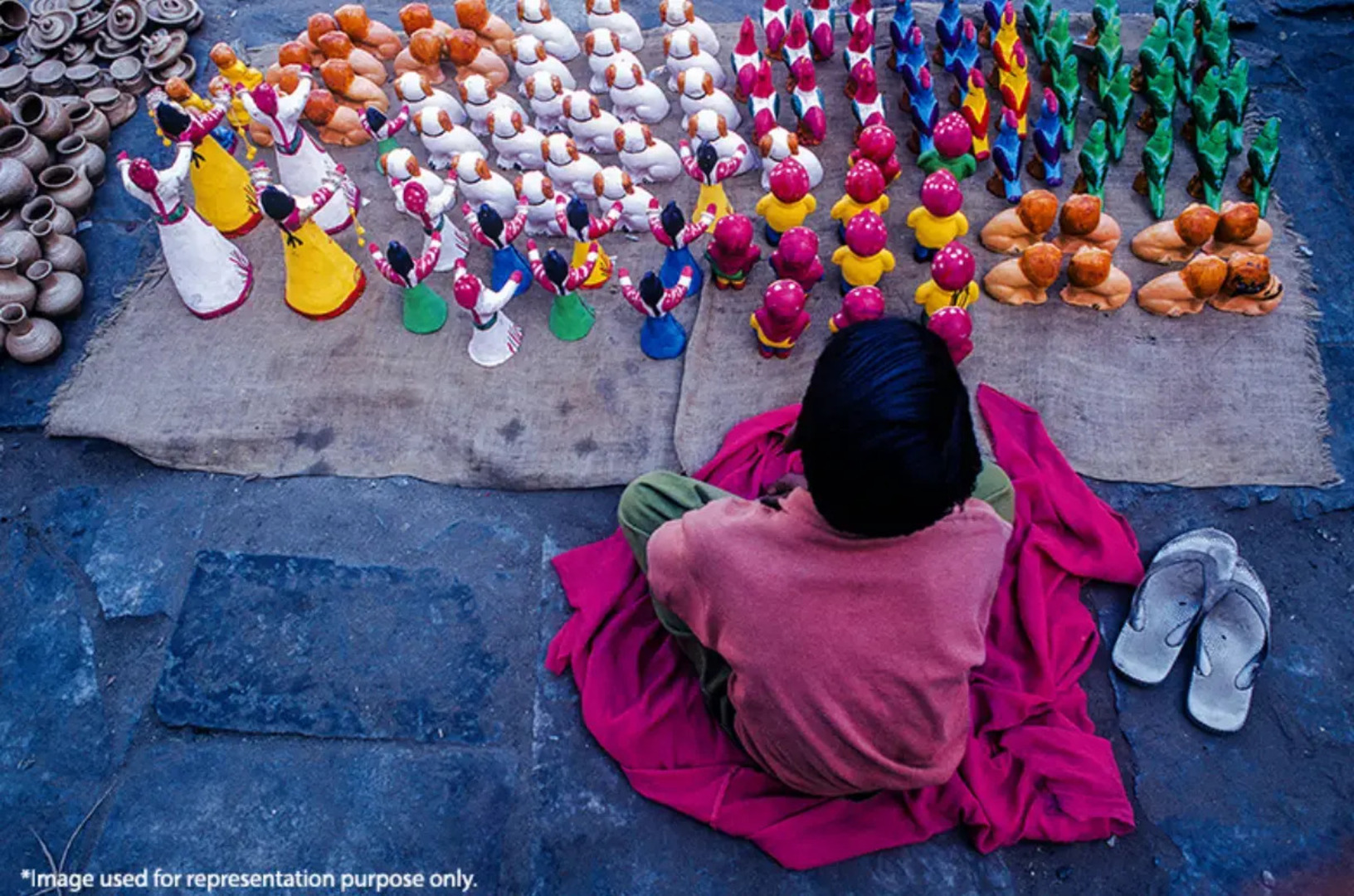
Even where schooling is free, indirect costs like books, uniforms, and transport add pressure. Some children take up jobs to support their families and younger siblings.
Gender Disparities and Social Norms
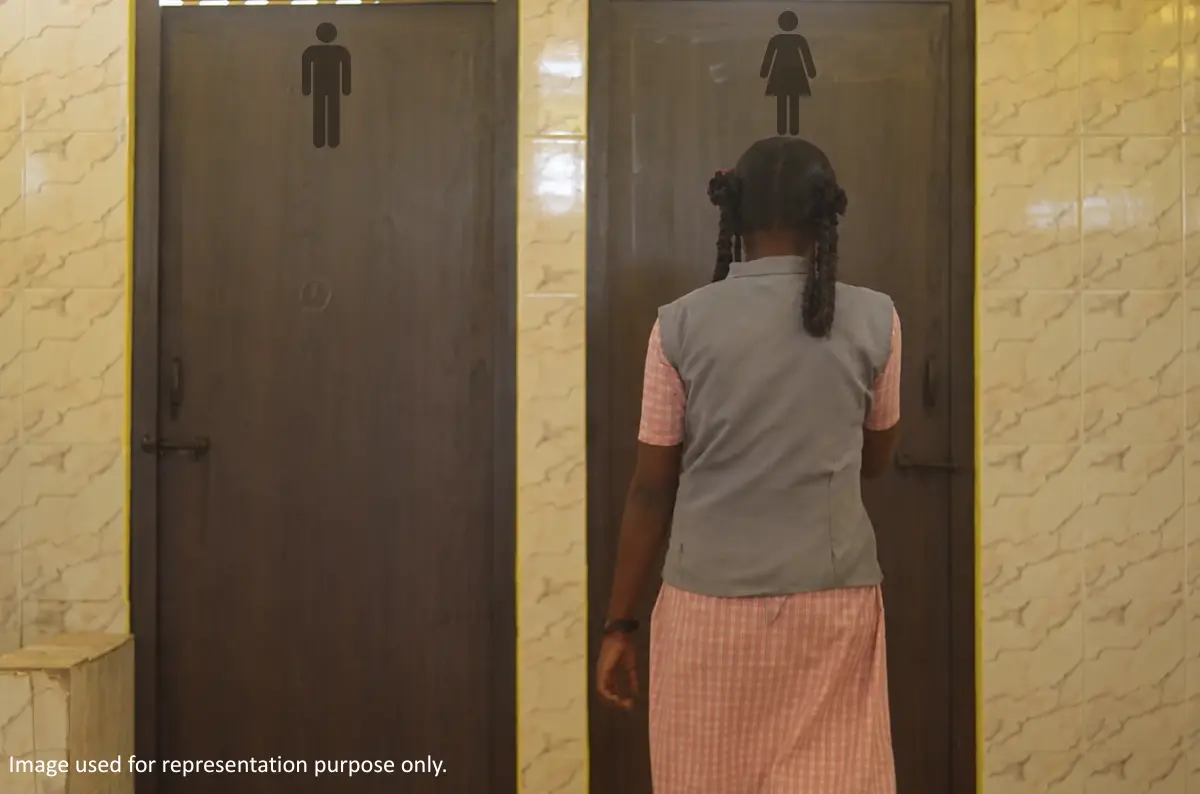
Girls often face early marriage, household responsibilities, or gender bias. These factors restrict their access to education. In several regions, families prefer educating sons, believing girls will marry and leave. Safety concerns and a lack of separate toilets also reduce attendance.
Breaking this pattern calls for awareness campaigns, laws against child marriage, incentives for girls’ education, and school environments that ensure dignity and safety.
Also Read: Early Education
Poor Infrastructure and Lack of Resources
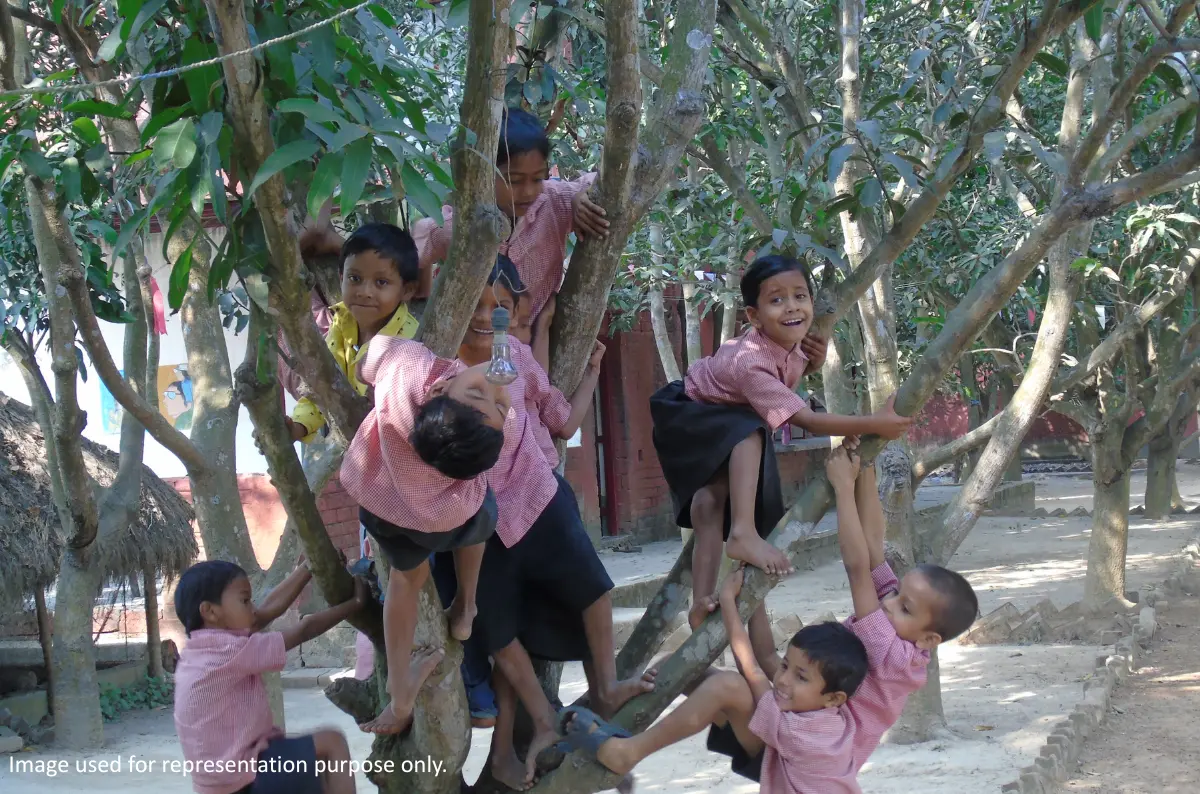
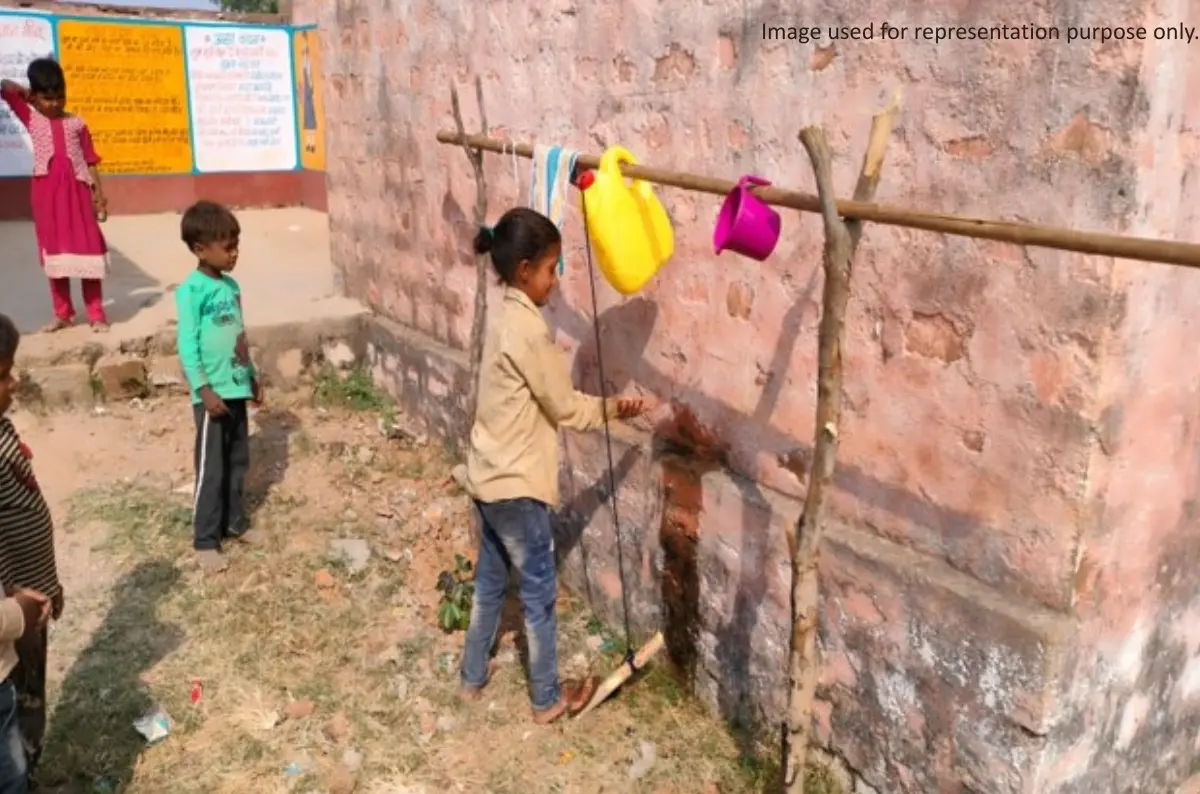
Many schools lack classrooms, electricity, water, or toilets. Some students learn under trees or in unsafe buildings. Others study without desks, books, or blackboards. Classrooms are overcrowded, and several students may share one textbook.
Teachers often manage without proper materials or training. These conditions hurt learning outcomes. Improved focus on funding for facilities, regular maintenance & digital learning tools, alongside adequate seating facilities, should be prioritised.
Social and Cultural Barriers to Education Access
Social and cultural barriers often prevent underprivileged youth from staying in school. Gender bias, early marriage, child labor, and entrenched beliefs about education’s value limit participation, especially for girls. Safety concerns, domestic responsibilities, and stigma around poverty further reduce attendance. In many communities, education competes with survival needs. Addressing these barriers requires community engagement, awareness campaigns, supportive policies, and school environments that promote dignity, inclusion, and equal opportunity.
Also Read: Child labor
Empowering Youth for Positive Change Through Education
Education builds the base for youth to take initiative, lead, and solve problems. It equips them with tools to adapt, communicate, and think clearly.
When education meets real-world needs, it prepares youth to challenge norms and contribute solutions. Here’s how we can do this:
Building Confidence, Leadership, and Life Skills
Confidence grows when youth are trusted with decisions and responsibilities. Programs focusing on leadership, communication, and teamwork teach them how to manage tasks and people.
Inculcating skills like financial literacy, emotional intelligence, and goal setting gives them better control over their lives. These skills can be developed through hands-on methods like debates, group projects & peer mentoring.
By promoting this approach, schools & community initiatives can help the youth believe in their potential. Individuals become more resilient & better prepared for setbacks or uncertainty.
Also Read: Rural Education NGO
Creating Opportunities for Employment and Innovation
Youth need access to training that aligns with current market needs. Jobs in tech, green energy, and creative fields demand digital and problem-solving skills. Vocational programs and entrepreneurship support help fill this gap.
When youth get exposure to internships, apprenticeships, and seed funding, they create solutions, not wait for them.
Innovation thrives when they are allowed to experiment and fail safely. Long-term change comes when education, business, and government work together to open these pathways.
Also Read: Education in Rural Areas
Encouraging Civic Participation and Social Responsibility
Youth want to be heard, not managed. Civic engagement gives them that voice. Students gain perspective when schools include discussions on policy, environment, and community issues.
Volunteering, local council projects, and youth-led campaigns build a sense of ownership. They learn that their voice shapes policy and drives reform. Social responsibility grows when participation is continuous, not limited to elections or events.
Educational Empowerment Examples: How Youth Are Transforming Their Lives
Educational empowerment is evident when youth reclaim their future through learning and skill-building. Access to schooling, digital literacy, and vocational training allows young people to move away from exploitative labor and toward stable careers. Many empowered youth become community role models, peer educators, or volunteers, reinforcing the value of education. These real-life transformations show how consistent academic support and mentorship can help underprivileged youth rewrite their life trajectories.
Also Read: Importance of Skill based Learning
Real-Life Impact: Stories of Empowered Youth
For underprivileged youth across India, access to education can be the difference between a life of exploitation and one of empowerment. Take 16-year-old Raju Kumar as an example.
Despite the high dropout rates among his peers, Raju had reached 10th grade and passed his board exam. However, when economic hardship struck his family, he abandoned his studies and traveled nearly a thousand miles to work in a diamond cutting factory in Gujarat. There, he faced hazardous working conditions, including exposure to “black diamond dust” and dangerous cutting tools, all for a meager monthly salary of $107.
CRY’s project partner DEEP identified Raju’s situation through their multi-layered intervention approach. After counseling sessions with Raju and his parents about the long-term consequences of child labor, DEEP helped him return home, re-enroll in school, and provided free computer training.
Today, Raju has graduated and is pursuing his dream of becoming a government officer. He now volunteers at DEEP’s Digital Literacy Center, teaching computer skills to other at-risk children.
Broader Impact of Education on Underprivileged Youth
Education creates ripple effects that extend beyond individual success. Educated youth contribute to healthier families, stronger local economies, and more informed civic participation. They are more likely to advocate for social justice, gender equality, and environmental responsibility. Over time, education reduces vulnerability to exploitation and strengthens resilience against poverty. For underprivileged communities, investing in education is one of the most effective ways to achieve long-term social and economic progress.
Also Read: Barriers to Education
Strategies to Improve Education for Underprivileged Youth
Some strategies to improve education for underprivileged youth are:
- Strengthen government schools with trained teachers and inclusive methods.
- Create local learning hubs for remedial education and digital literacy.
- Offer free textbooks, uniforms, and transportation support.
- Encourage girl-child education through scholarships and mentorship.
- Involve communities in school improvement plans.
- Partner with NGOS to expand grassroots programs.
- Focus on health, nutrition, and hygiene to support learning.
- Promote awareness campaigns to empower youth for positive change.
Also Read: Enrollment of Child Labor
The Role of NGOs in Empowering Youth Through Education
NGOs improve education access by setting up learning centres, offering remedial classes, and training teachers in under-resourced areas. They distribute learning materials, provide digital tools, and support vocational training for employability.
NGOs also focus on dropout prevention, especially for girls, by addressing social barriers. Their localised approach helps empower youth through practical, continuous education aligned with regional needs.
Also Read: Importance of STEM Education
How CRY America Empowers Youth Through Education
CRY America supports underserved youth by funding education programs on access, retention, and quality learning. It activates public schools, forms children’s collectives, and mainstreams rescued children into formal education.
Since 2004, over 340,000 children aged 6–18 have been enrolled in schools. CRY also partners with grassroots organizations to build sustainable academic ecosystems that reduce dropout rates and prevent child labor. Donate For Child Education
Also Read: Preschool Education in India
FAQs on Education Empowerment in Child Development
Why is youth empowerment important for India’s development?
Youth comprise over 30% of India’s population. Empowering them with education, skills, and opportunities increases workforce quality, reduces unemployment, and boosts innovation. It directly impacts economic growth, gender equity, and social stability.
How can individuals or organizations help empower youth through education?
They can fund school infrastructure, provide scholarships, donate books or digital devices, and sponsor vocational training. Volunteering for teaching or mentoring also helps. Moreover, organizations can partner with NGOs like CRY America to scale impact. Supporting inclusive education policies and raising awareness about dropout rates are ways to create sustainable change.
What educational initiatives has CRY America implemented for youth?
CRY America supports bridge schools, remedial education programs, and school re-enrollment drives. It engages the community and drives infrastructure development, teacher training, and distributes learning materials. Our projects focus on dropout prevention, especially for girls, and address learning gaps through community-based academic support centres across rural and underserved regions.
Can education alone transform the lives of underprivileged children?
Education is critical, but not sufficient. Health, nutrition, safety, and family support must complement learning. Without addressing malnutrition, child labor, or gender bias, school attendance drops. Therefore, holistic interventions—healthcare, counselling, and skill-building—are essential to ensure education leads to long-term empowerment and improved life outcomes.
How does education empower underprivileged youth to break free from poverty?
Education equips underprivileged youth with literacy, skills, and confidence needed for stable employment and informed decisions. It improves earning potential, reduces dependence on informal labor, and enables access to rights and services. Over time, education breaks generational poverty by creating pathways to sustainable livelihoods and social mobility.
Why is it important to focus on both academic and life skills education for underprivileged youth?
Academic learning builds knowledge, while life skills such as communication, financial literacy, and problem-solving prepare youth for real-world challenges. Together, they strengthen resilience, adaptability, and employability. This balanced approach helps underprivileged youth navigate work, relationships, and civic life, ensuring education translates into practical, lasting empowerment.
What are the long-term benefits of educational empowerment for underprivileged youth?
Educational empowerment leads to higher incomes, better health outcomes, and stronger civic participation. Educated youth are more likely to delay early marriage, advocate for their rights, and support their families. Over time, communities benefit from reduced inequality, improved productivity, and a more skilled, socially responsible workforce.
How does education contribute to reducing child labor and trafficking in underprivileged communities?
Education keeps children in safe learning environments and reduces economic pressure to work. Schools and community programs identify at-risk children early, raise awareness, and connect families to support. Organizations like CRY America use education-focused interventions to prevent exploitation and promote long-term protection.
Recommended for you