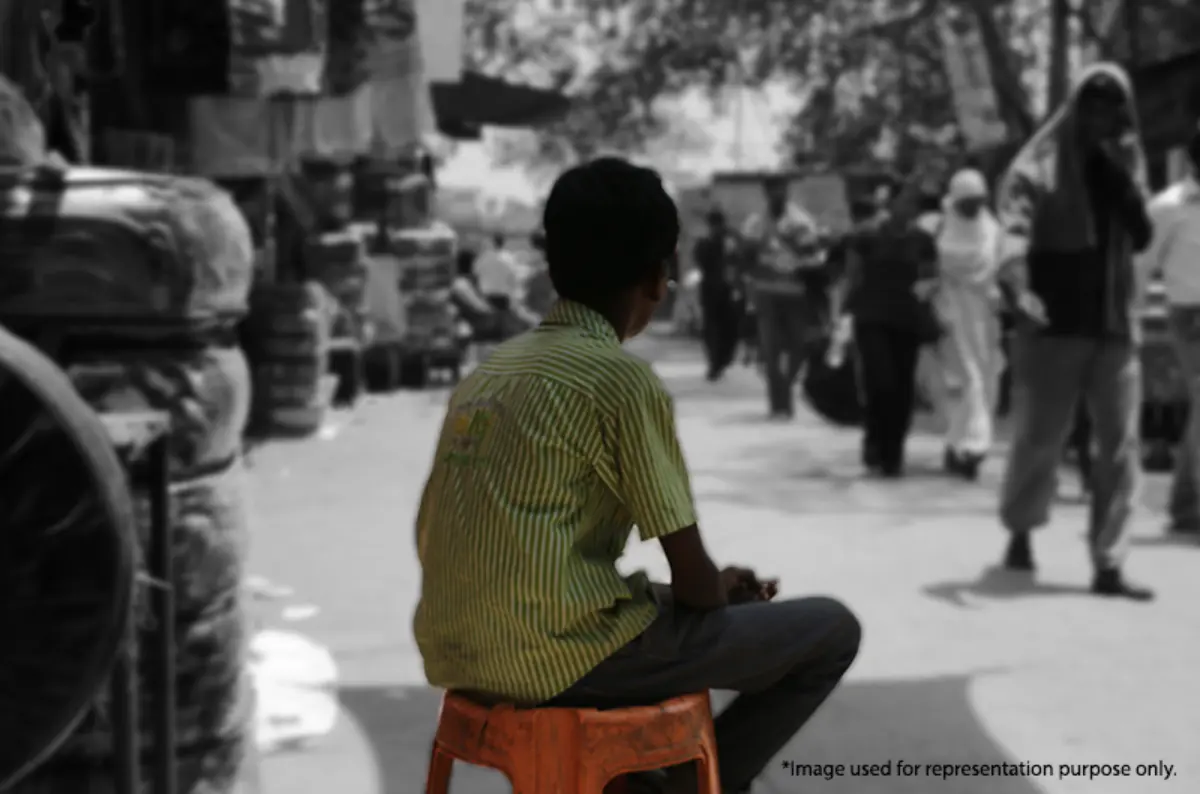












Every child deserves a safe childhood, quality education, good health, and the opportunity to reach their full potential. These are not privileges that depend on where a child is born or the circumstances of their family. They are basic child rights that belong to every child from birth.
Yet, millions of children around the world continue to face poverty, child labor, discrimination, violence, and limited access to education and healthcare. When these essential rights are denied, children lose opportunities that shape their future and the future of their communities.
Understanding children’s rights to protection, education, health, and participation helps create greater awareness and encourages collective action. Organizations like CRY America work to ensure that every child can enjoy these fundamental freedoms by addressing the root causes that prevent children from accessing their rights as children.
What Are Child Rights and Why Do They Matter?
Child rights are the basic human rights that every child is entitled to, regardless of their gender, religion, nationality, caste, economic background, or ability. These rights ensure that children can survive, grow, learn, and live with dignity.
Protecting children’s rights is essential because childhood lays the foundation for lifelong health, education, confidence, and opportunity. When children receive proper nutrition, education, healthcare, and protection, they are more likely to become healthy, independent adults who contribute positively to society.
When the rights of children are ignored, children often face challenges that affect their education, health, employment, and overall well-being.
What Are the Fundamental Rights Every Child Deserves?
Every child has several fundamental rights that support healthy growth and development.
-
The Right to Survival and Healthy Development
Every child has the right to life, proper nutrition, clean drinking water, healthcare, shelter, and a healthy environment. These basic child rights help children grow physically, emotionally, and mentally while reducing preventable illness and malnutrition.
Also Read: https://www.cryamerica.org/blogs/childrens-right-to-health-in-india/
-
The Right to Quality Education
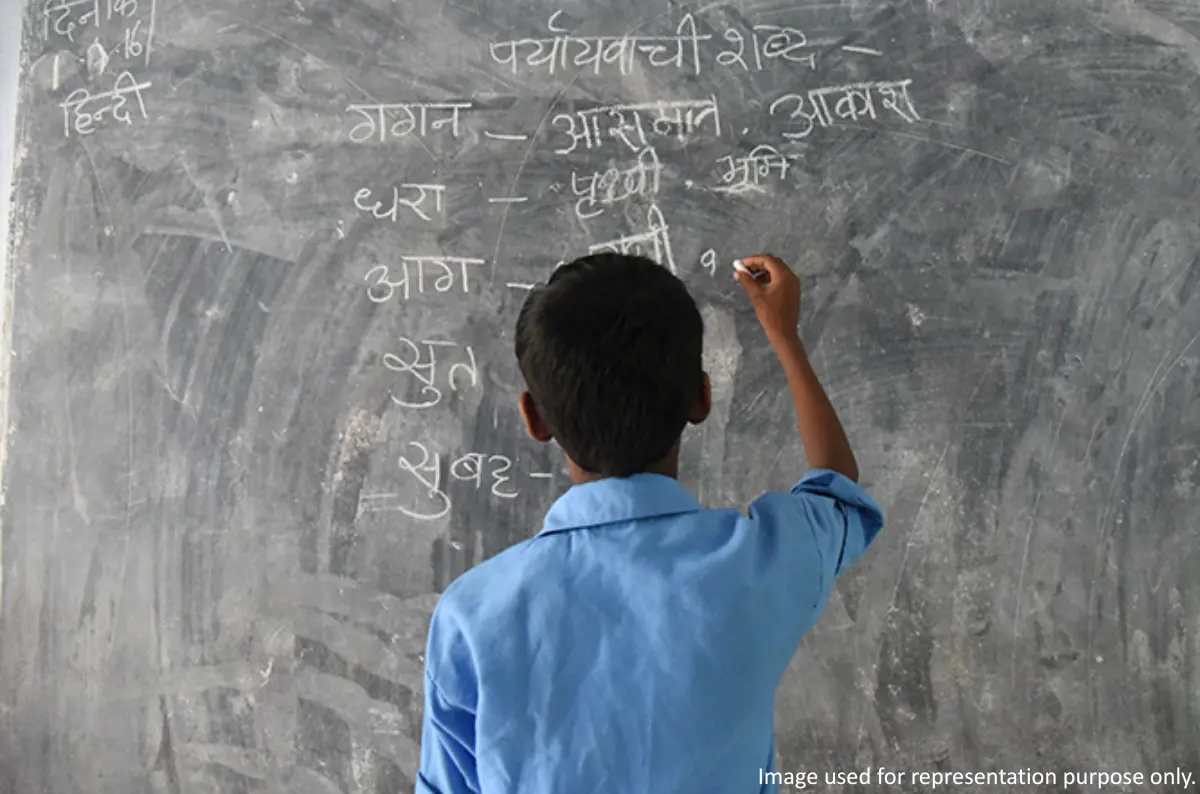
Education is one of the most powerful children’s rights because it opens doors to better opportunities. Every child deserves access to free, safe, and quality education that allows them to develop knowledge, confidence, and life skills.
Also Read: https://www.cryamerica.org/blogs/the-importance-of-early-childhood-care-and-education/
-
The Right to Protection from Abuse, Exploitation, and Child Labor
Children must be protected from violence, abuse, trafficking, neglect, child marriage, and child labor. Safeguarding the rights of children allows children to grow in safe environments without fear or exploitation.
Also Read: https://www.cryamerica.org/blogs/understanding-child-protection-laws-principles-and-practices/
-
The Right to Participation and Being Heard
Children have the right to express their opinions on matters that affect their lives. Listening to children and respecting their views helps build confidence while encouraging responsible participation within families, schools, and communities.
Why Are Child Rights Still Denied to Millions of Children?
Despite international laws and national policies, many children continue to face barriers that prevent them from enjoying their basic rights.
-
Poverty and Economic Inequality
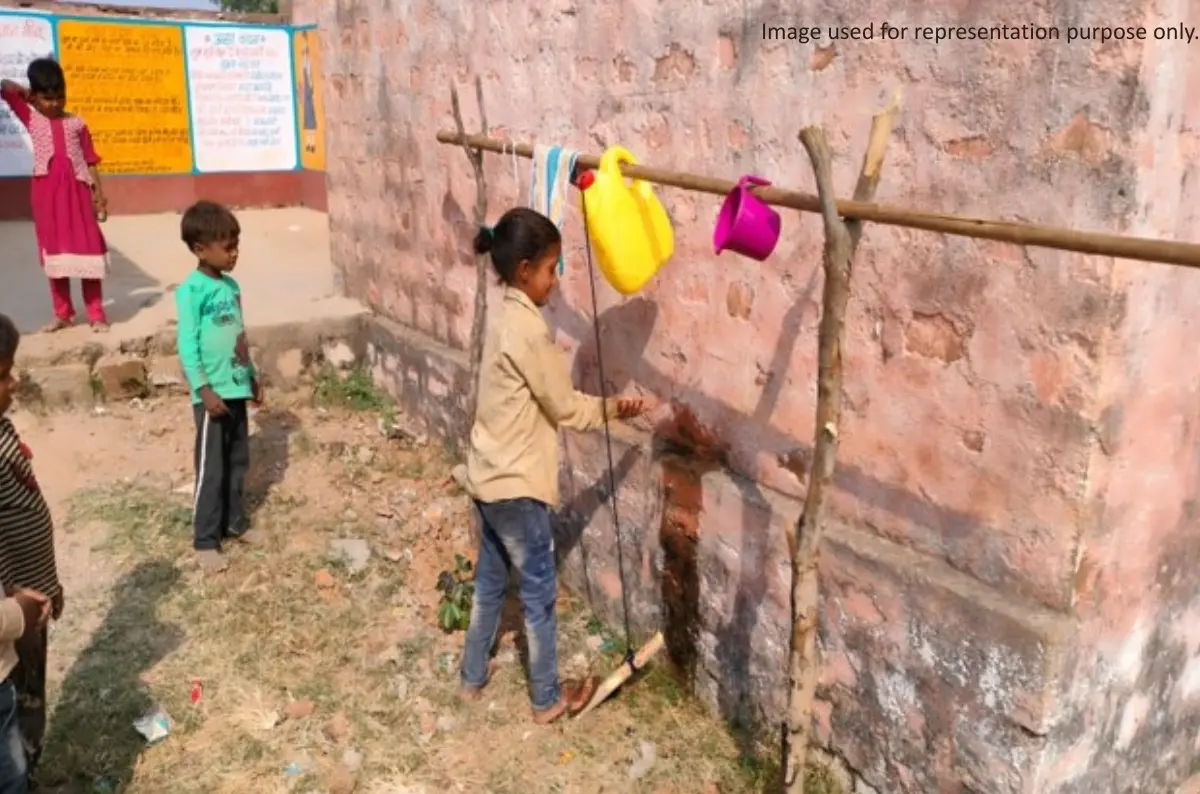
Poverty remains one of the biggest reasons why many families struggle to provide education, healthcare, nutrition, and safe living conditions for their children. Financial hardship often forces children to leave school and begin working at an early age, limiting their future opportunities and denying many essential child rights.
Also Read: https://www.cryamerica.org/blogs/how-poverty-affects-childrens-mental-health/
-
Limited Access to Education and Healthcare
Many children living in rural and underserved communities still lack access to quality schools, trained teachers, healthcare facilities, vaccinations, and nutritious meals. Without these essential services, children’s rights to healthy development and education cannot be fully realized.
-
Child Labor, Child Marriage, and Exploitation
Child labor, early marriage, trafficking, and various forms of abuse continue to affect millions of children worldwide. These practices violate the fundamental rights of children and prevent children from experiencing a safe and fulfilling childhood.
Also Read: https://www.cryamerica.org/blogs/how-education-can-break-the-cycle-of-child-marriage/
The Global Commitment to Protect Children’s Rights
Governments, international organizations, and civil society groups work together to promote and protect children’s rights through global agreements and development goals.
-
The UN Convention on the Rights of the Child (UNCRC)
The United Nations Convention on the Rights of the Child (UNCRC), adopted in 1989, is the world’s most widely accepted human rights treaty focused on children. It recognizes every child’s rights to survival, development, protection, and participation while encouraging governments to safeguard these rights through laws and policies.
-
Sustainable Development Goals (SDGs) and Child Rights
Many of the United Nations Sustainable Development Goals directly support child rights, including ending poverty, ensuring quality education, improving health, achieving gender equality, and reducing inequality. Progress toward these goals creates better opportunities for children and strengthens communities around the world.
How CRY Is Protecting Children’s Rights and Creating Lasting Change
CRY has worked to ensure that every child enjoys their basic rights. Rather than providing temporary solutions, the organization focuses on building long-term, sustainable change by working closely with local communities, government agencies, schools, healthcare systems, and grassroots partners.
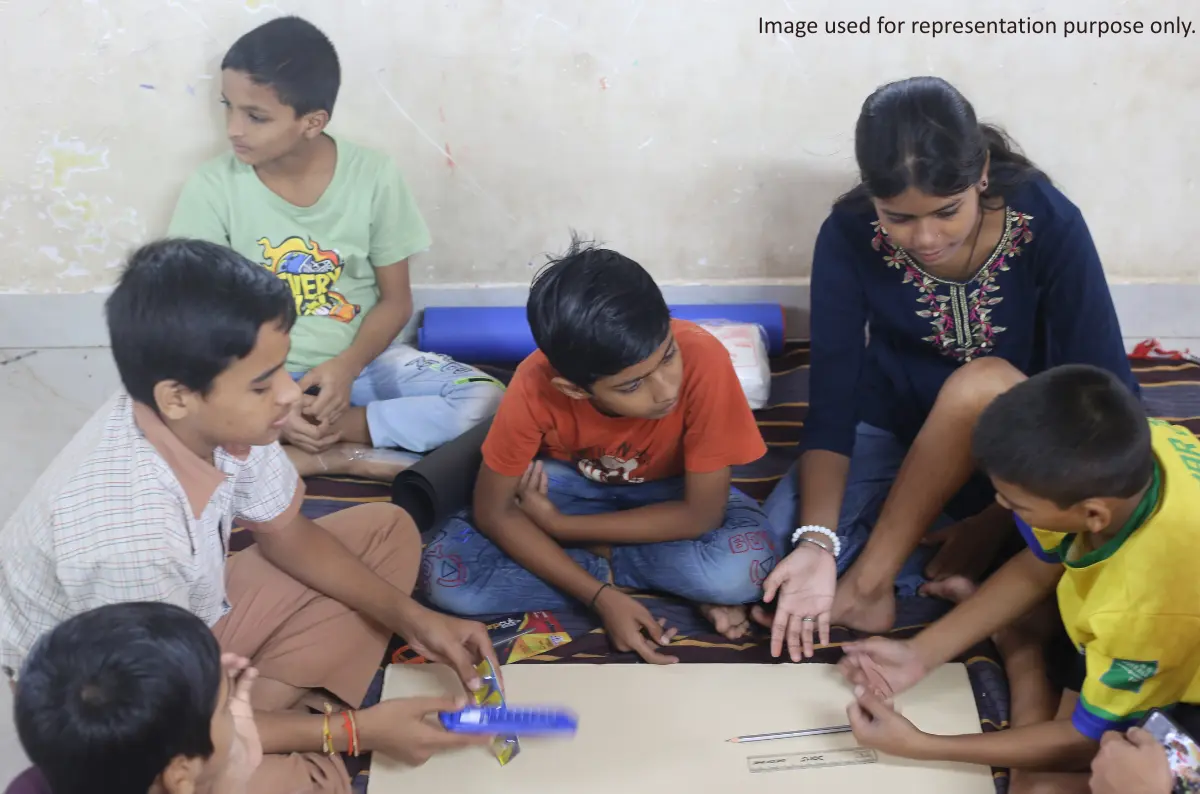
CRY helps children enroll in school, improves access to healthcare and nutrition, works to prevent child labor and child marriage, and strengthens child protection systems. It also empowers communities to understand and uphold children’s rights through awareness, advocacy, and community participation.
By addressing the underlying causes of inequality, CRY helps create lasting improvements that allow children to grow up healthy, educated, protected, and confident.
How You Can Help Protect Every Child’s Rights
Protecting child rights is a shared responsibility. Every individual can contribute to creating a safer and more equal future for children.
You can support organizations working to improve children’s lives, raise awareness about child protection issues, encourage education within your community, report cases of child abuse or child labor, and advocate for policies that protect the rights of children.
Even small actions can make a meaningful difference when communities come together to support every child’s future.
Conclusion: Every Child Deserves Safety, Education, Opportunity, and a Voice
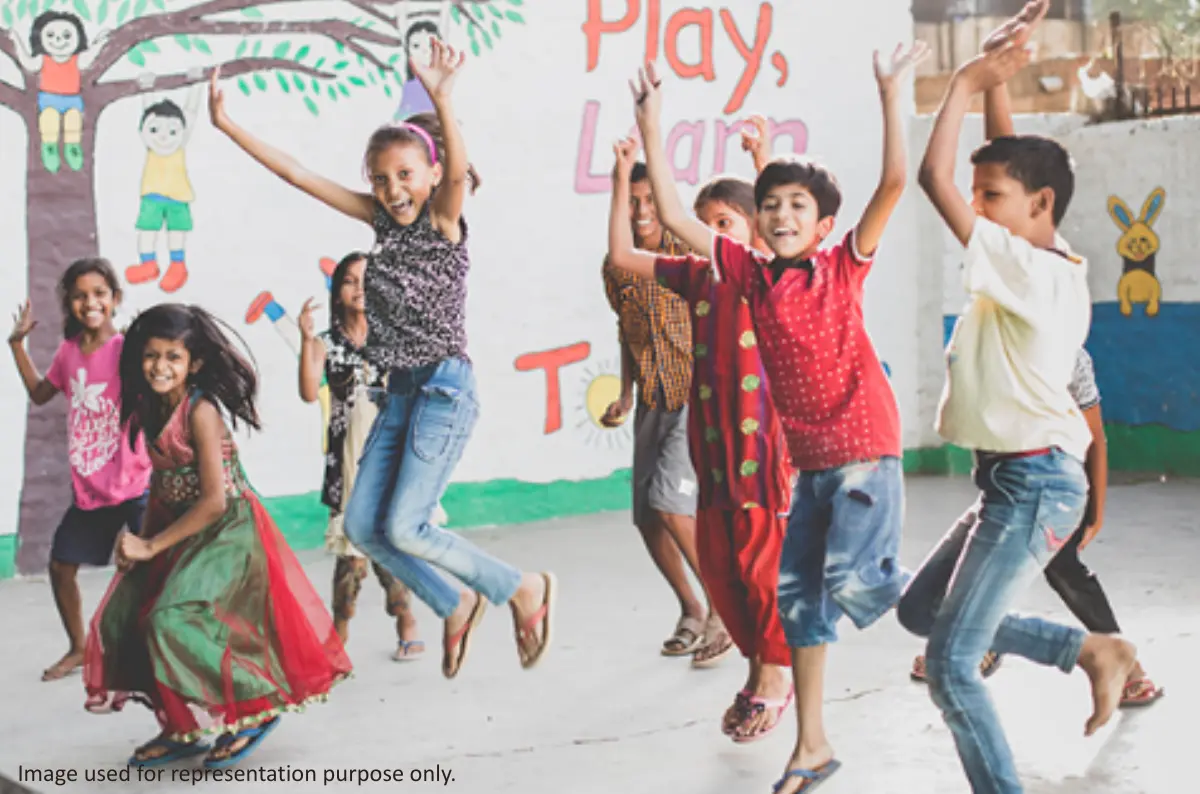
Every child deserves the chance to learn, grow, stay healthy, and live free from fear. Protecting child rights is not only about improving individual lives but also about building stronger families, communities, and nations. By working together, we can help ensure that every child enjoys the opportunities they deserve and grows up with dignity, hope, and a brighter future.
FAQs
What are child rights, and why are they important?
Child rights are the basic human rights that belong to every child. They ensure children have access to education, healthcare, protection, nutrition, and opportunities to participate in decisions that affect their lives. Protecting these rights helps children grow into healthy and confident adults.
What are the four fundamental categories of child rights?
The four main categories include the right to survival, the right to development, the right to protection, and the right to participation. Together, these ensure children can live safely, learn, stay healthy, and express their views.
What is the UN Convention on the Rights of the Child (UNCRC)?
The UNCRC is an international treaty adopted by the United Nations in 1989. It recognizes the rights of children and encourages governments to protect children’s health, education, safety, and overall well-being through laws and public policies.
Why are millions of children still denied their basic rights?
Many children continue to face poverty, discrimination, limited access to education and healthcare, child labor, child marriage, conflict, and exploitation. These challenges prevent them from enjoying their full children’s rights and reaching their potential.
How can individuals help protect and promote child rights?
People can support organizations like CRY, spread awareness, report child abuse or child labor, encourage education, volunteer, and advocate for stronger child protection policies. Every action contributes to protecting the rights of children and creating a better future for children.
Recommended for you