











While both forms of poverty affect children, the challenges of urban vs rural poverty are often very different.
- Visibility of Poverty
Rural poverty is usually easier to identify because it affects entire villages, while urban poverty often remains hidden within rapidly growing cities. - Living Conditions in Urban Slums
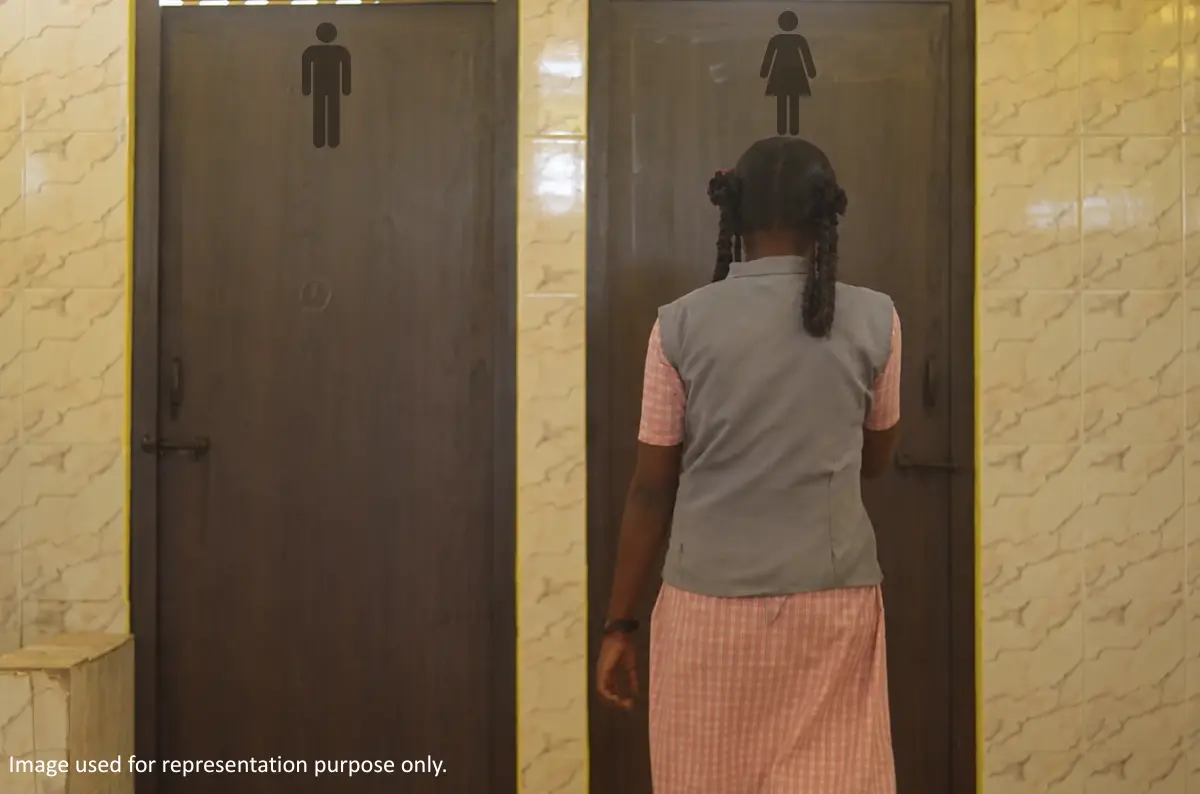
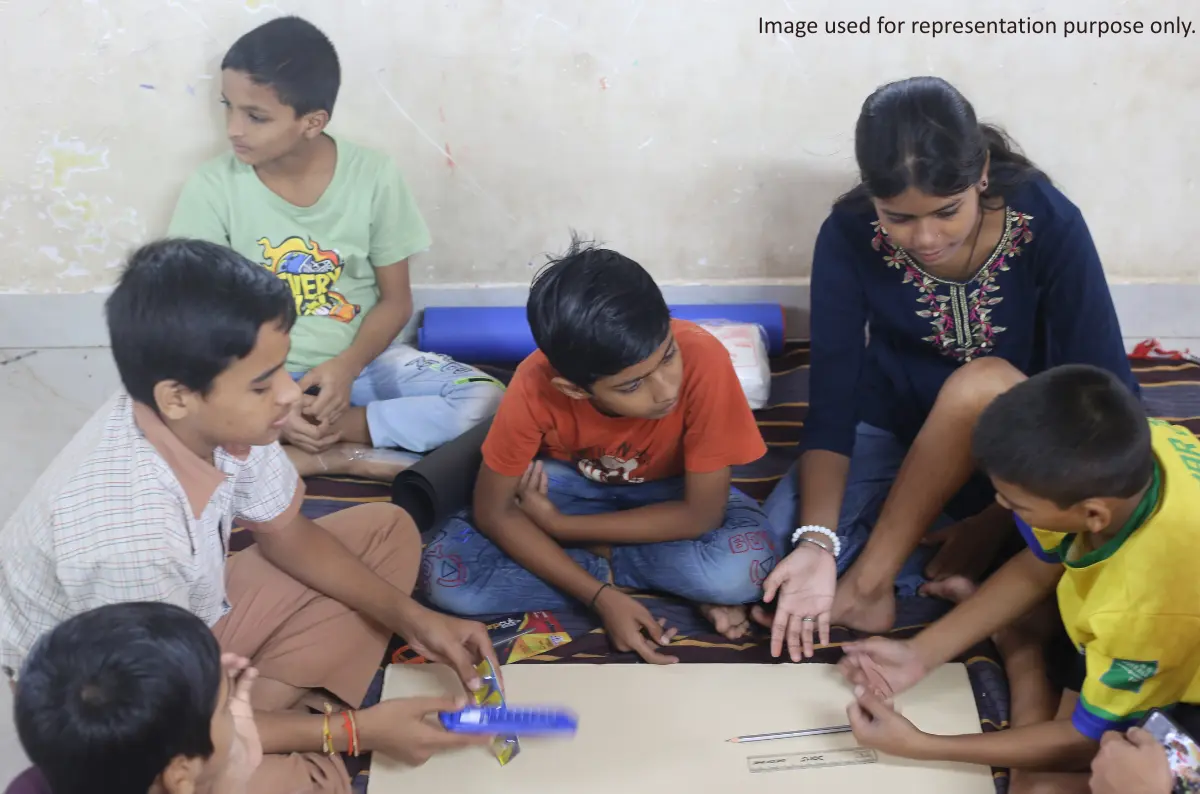
Children in urban slums frequently face overcrowding, poor sanitation, unsafe surroundings, and limited access to basic services. - Challenges in Rural Areas
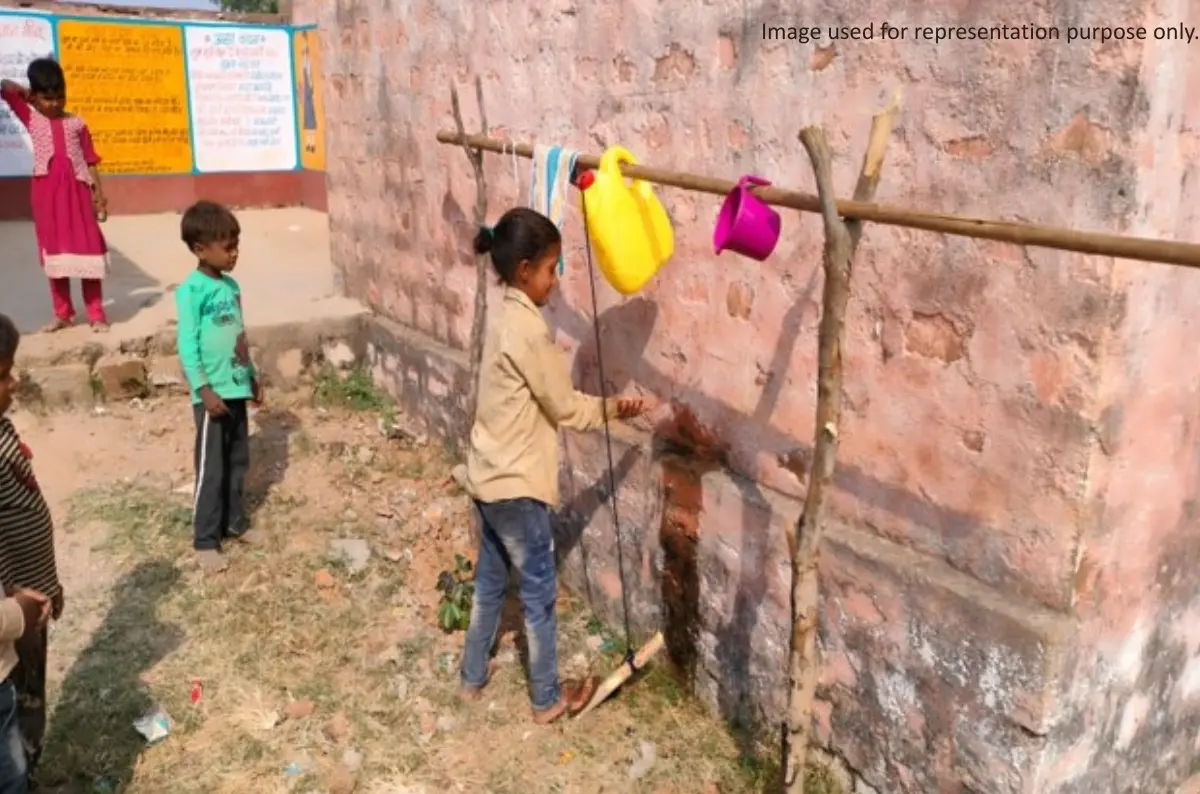
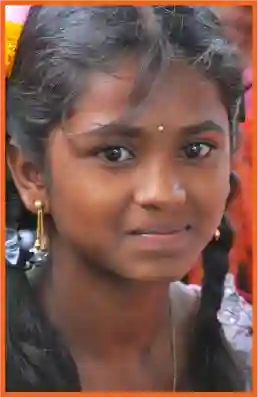
Children affected by rural poverty often struggle with long travel distances to schools and healthcare facilities, poor transportation, and weak infrastructure. - A Hidden Urban Crisis
Despite living near essential services, children facing urban poverty often experience severe health and development challenges due to social and economic barriers.
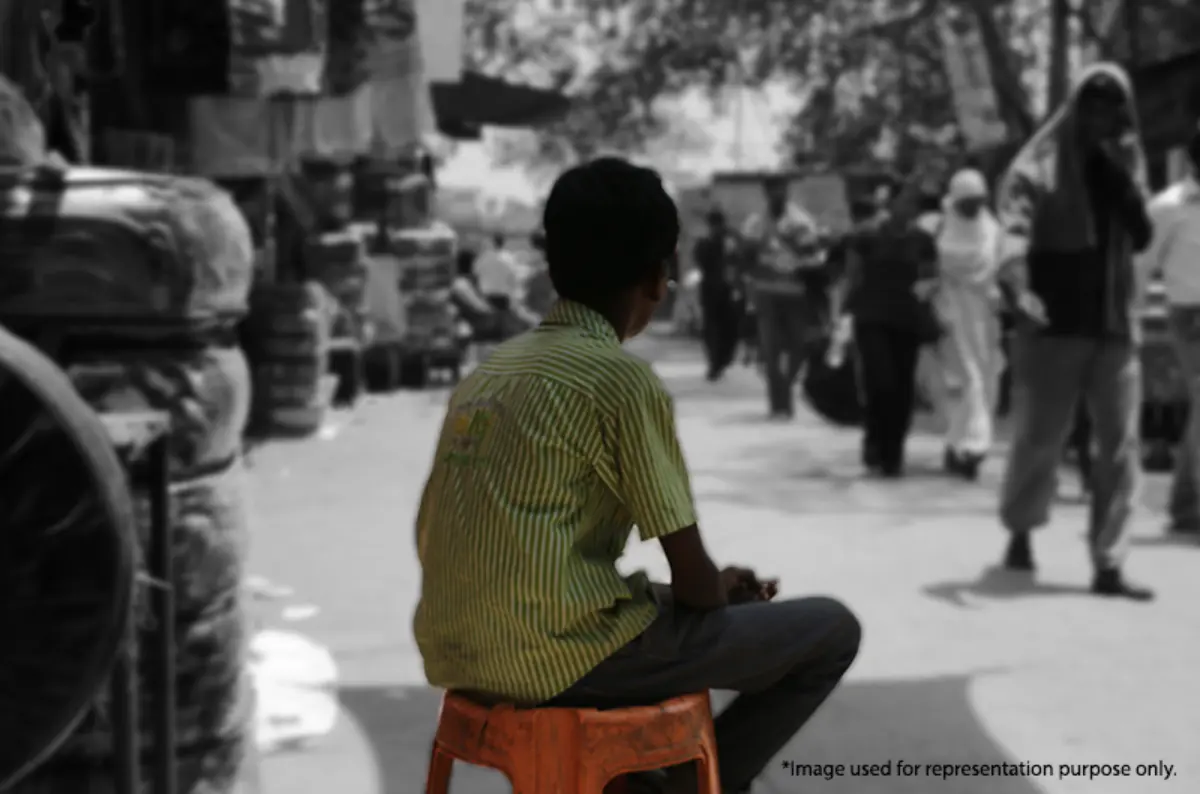
The Overlooked Crisis Facing Children in Urban Slums
Children living in urban slums often experience multiple forms of deprivation at the same time. Their challenges are frequently overlooked because cities are generally viewed as places of opportunity and development.
Also Read: 8 Ways to Empower Underprivileged Children
Lack of Secure Housing and Constant Threat of Eviction
Many families living in informal settlements do not have legal rights to the land they occupy. The threat of eviction creates instability and disrupts children’s access to education, healthcare, and social support systems.
Frequent displacement often means changing schools, interrupted learning, and loss of support systems.
Invisible Children: Why Slum Children Are Left Out of Data and Policy
Many slum communities are not fully represented in official records. As a result, children living in these areas may be excluded from services, welfare programs, and policy planning designed to support vulnerable populations.
Limited Access to Quality Education in Urban Informal Settlements
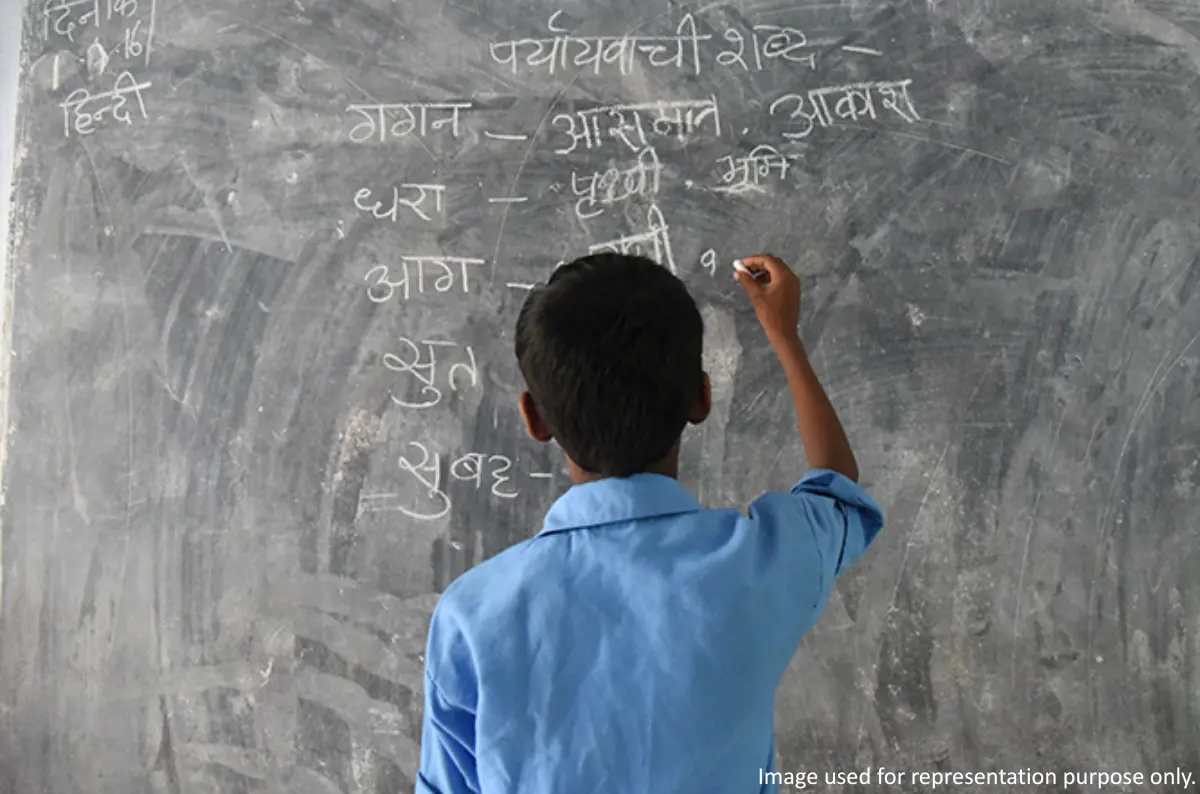
Although schools may be physically nearby, many children face barriers such as overcrowded classrooms, financial constraints, frequent migration, and poor learning environments that affect educational outcomes.
Child Labor and Exploitation in Urban Poverty Pockets
Economic hardship often forces children to contribute to household income. This increases the risk of child labor, exploitation, unsafe working conditions, and school dropout among children living in urban poverty settings.
Also Read: What Is Child Labor
How Rural Poverty Shapes Childhood
While urban poverty presents unique risks, rural poverty creates its own set of challenges that can significantly affect children’s development and future opportunities.
Limited infrastructure, fewer educational resources, poor healthcare access, and dependence on seasonal livelihoods can make childhood particularly difficult in rural areas. These conditions often contribute to long-term cycles of disadvantage.
Poor Infrastructure, Distance and Dropout Rates in Rural Areas
Many rural children travel long distances to attend school. Poor roads, transportation challenges, and inadequate educational facilities can lead to irregular attendance and higher dropout rates.
Seasonal Migration and Its Devastating Impact on Rural Children
Families experiencing rural poverty often migrate temporarily in search of work. Frequent movement disrupts children’s education, separates them from support systems, and increases their vulnerability to exploitation and learning loss.
Many children repeatedly start over in unfamiliar classrooms—or stop attending school altogether.
Also Read: Breaking the Cycle: Importance of Education in Rural Areas
Where Policy Falls Short for Children
Despite numerous efforts to reduce poverty, many children continue to fall through the cracks. One challenge in addressing urban vs rural poverty is that a single approach cannot effectively meet the needs of children living in very different environments.
Policies often focus on broad poverty indicators without fully accounting for the unique experiences of children in urban slums or remote rural communities. As a result, some of the most vulnerable children remain underserved.
To create meaningful change, programs must recognize the specific barriers children face and provide targeted support that addresses local realities.
Gaps in Government Programs Reaching the Most Marginalized Children
Many children living in informal settlements, migrant communities, and remote villages struggle to access welfare programs due to documentation issues, mobility, or limited awareness of available services.
Also Read: The Urgency of Educating Marginalized Children in India
The Need for Context-Specific Solutions Across Urban and Rural Settings
Effective interventions should be tailored to local conditions. Strategies that work in rural communities may not address the challenges faced by children living in urban slums, and vice versa.
How CRY Is Addressing Child Poverty Across Both Urban and Rural India
CRY America works to ensure that children affected by both urban poverty and rural poverty have access to their basic rights, including education, healthcare, protection, and opportunities for development.
Through partnerships with grassroots organizations, CRY supports programs that address the root causes of child poverty while strengthening communities and local systems. Its work focuses on improving school enrollment and retention, reducing child labor, promoting child protection, and increasing access to essential services.
In urban areas, CRY supports efforts that help children living in slums and informal settlements access education, healthcare, and social protection. In rural communities, programs focus on strengthening educational opportunities, reducing child marriage, improving health outcomes, and supporting vulnerable families.
By working directly with communities, schools, local authorities, and families, CRY helps create sustainable solutions that improve children’s lives and protect their rights.
What Needs to Change?
Addressing poverty requires more than improving household income. Children need access to quality education, healthcare, nutrition, safe housing, and protection from exploitation regardless of where they live.
Policies must prioritize the needs of children living in underserved urban settlements and remote rural communities. Better data collection, stronger social protection systems, improved public services, and greater community participation are all essential.
Investments in children today can help break intergenerational cycles of urban poverty and rural poverty, creating opportunities for healthier and more secure futures.
Conclusion: Whether in a Slum or a Village Every Child Deserves a Life Beyond Poverty
The debate around urban vs. rural poverty should not distract from a simple reality: every child deserves safety, opportunity, and the chance to thrive. Whether living in a crowded urban slum or a remote rural village, children face challenges that can limit their potential. With targeted action and sustained support, it is possible to create a future where no child is held back by poverty.
Also Read: How Education Can Transform the Lives of Underprivileged Youth
FAQ’s on Urban vs Rural Poverty in India
What is the difference between urban poverty and rural poverty in India?
Urban poverty affects people living in cities and is often linked to inadequate housing, overcrowding, poor sanitation, and informal employment. Rural poverty is commonly associated with limited infrastructure, agricultural dependence, fewer job opportunities, and poor access to services. Both significantly affect children’s well-being and development.
Why do children in urban slums face more challenges than those in rural areas?
Children in urban slums often face multiple challenges at once, including overcrowded housing, poor sanitation, insecure living conditions, child labor risks, and limited access to quality services. Despite being located near urban resources, many remain excluded from opportunities due to poverty and social barriers.
How does CRY work to address the impact of both urban and rural poverty on children in India?
CRY supports programs that improve children’s access to education, healthcare, nutrition, and protection. By working with grassroots organizations and communities, CRY addresses the unique challenges associated with both urban poverty and rural poverty, helping children access their rights and build better futures.
Recommended for you