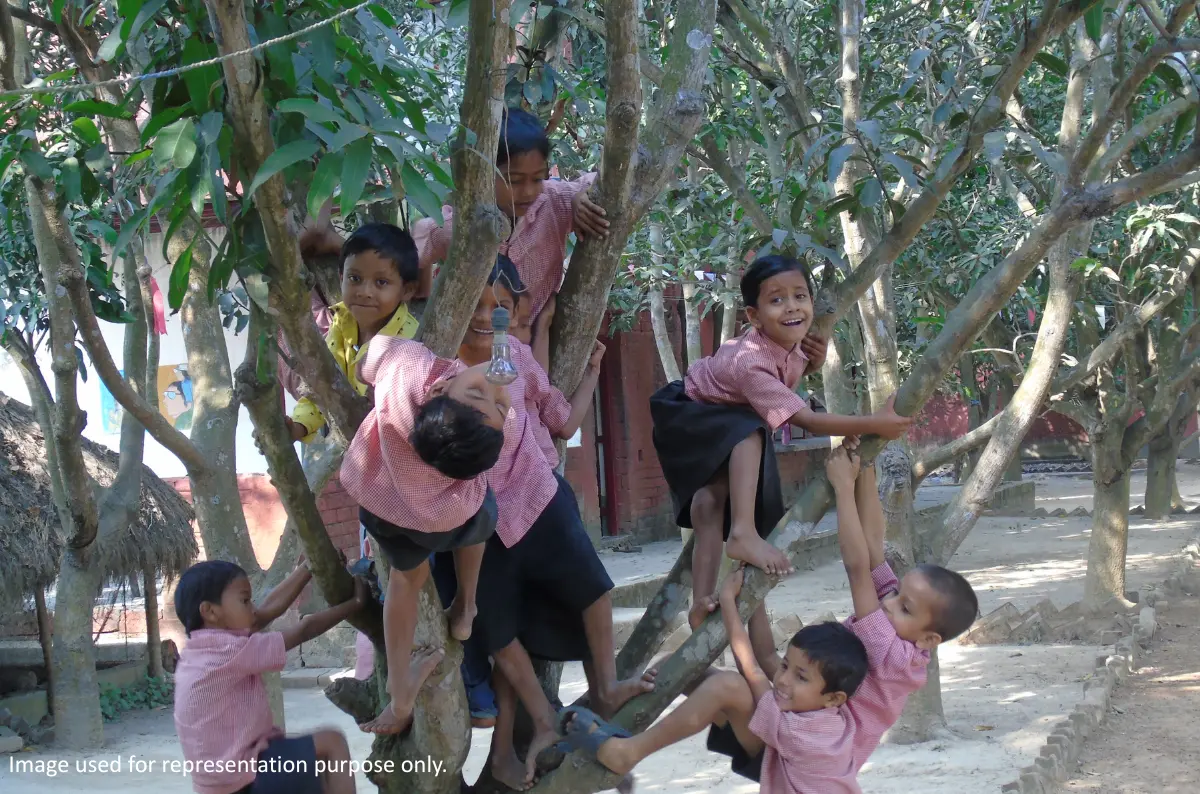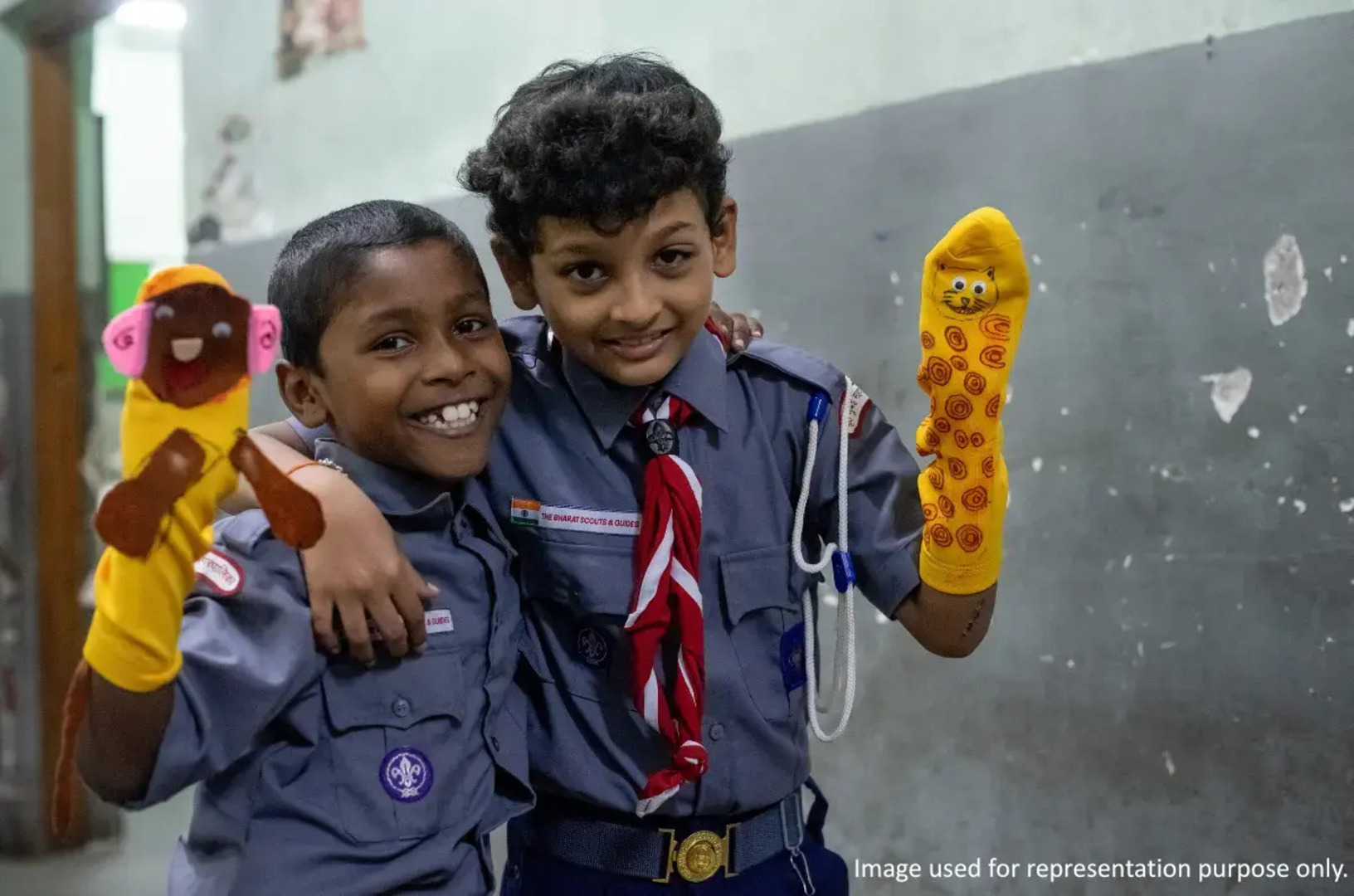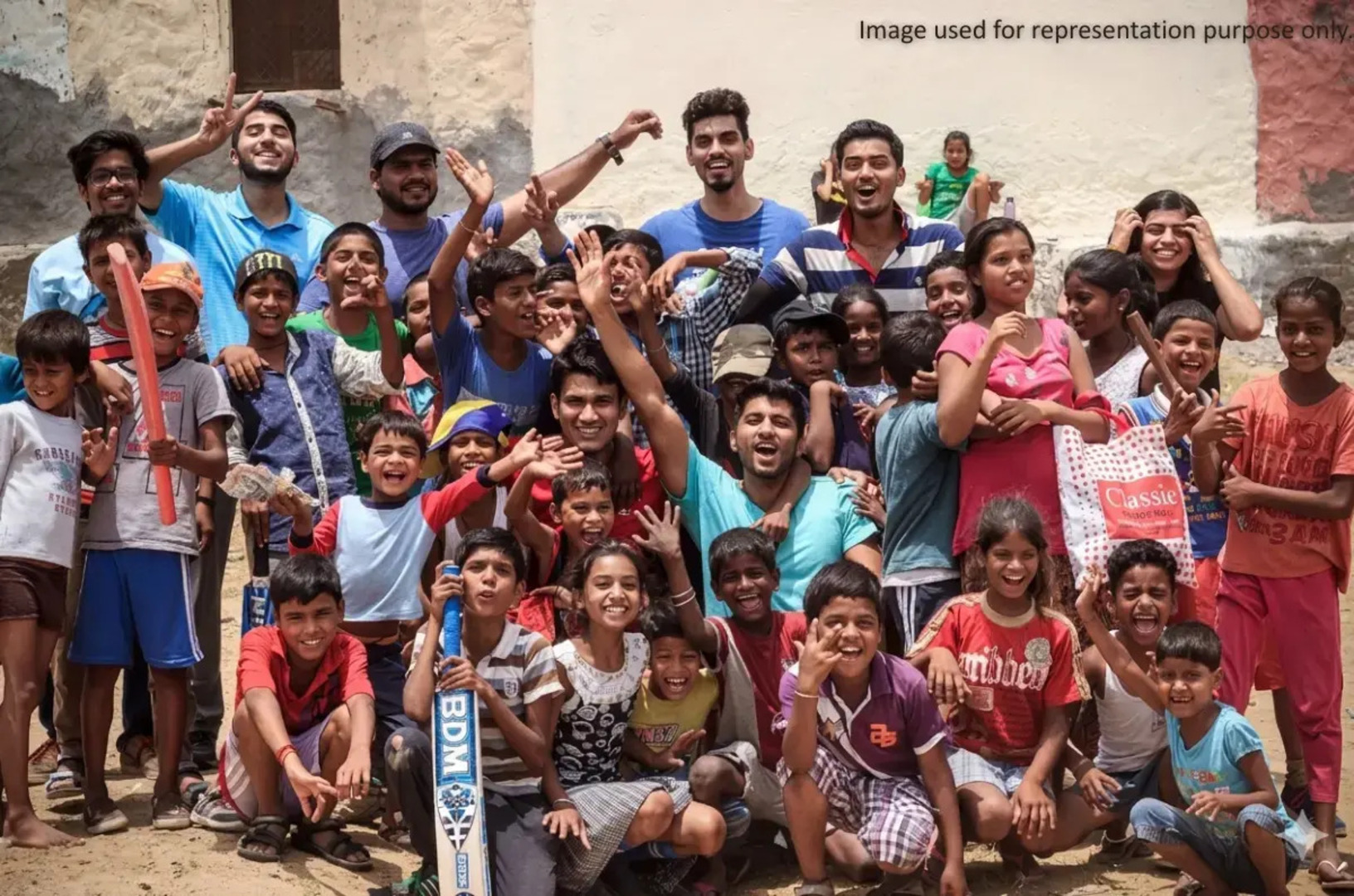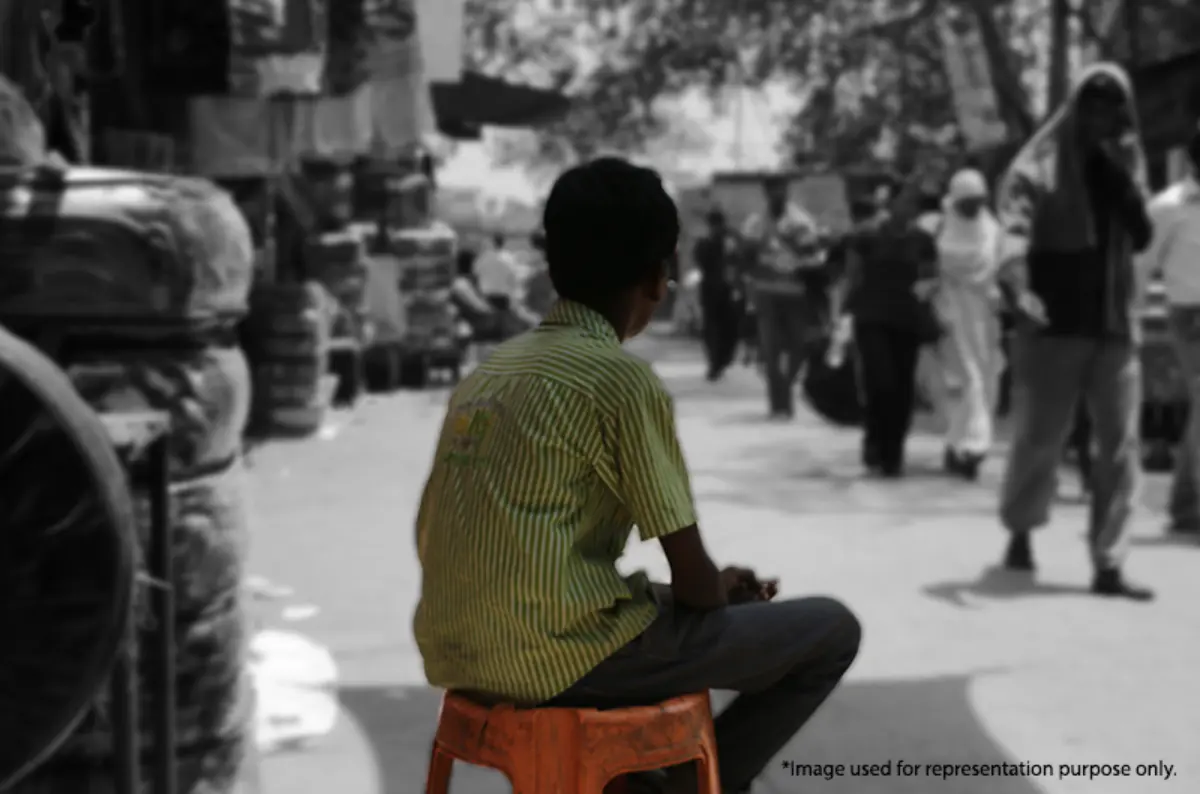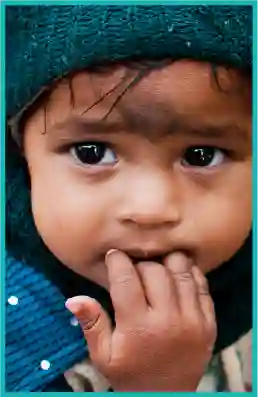












Every Independence Day, we celebrate the freedom won through courage, immense sacrifice, and hope. Yet, millions of children are still trapped in child labor, deprived of education, safety, and the chance to dream. True freedom means protecting child rights and ensuring every child can learn and thrive. This Independence Day, let us help create a future where every child enjoys the freedom they deserve.
What Does True Freedom Mean for Every Child?
For a child, freedom means far more than political independence. For every child, freedom means the ability to learn, ask questions, play safely, express themselves, and build a future based on opportunity rather than survival.
Children deserve classrooms instead of workplaces, books instead of tools, and encouragement instead of exploitation. Education allows children to develop confidence, creativity, and critical thinking while preparing them to become informed citizens who contribute positively to society. When every child enjoys these freedoms, nations become stronger, healthier, and more prosperous. Protecting child rights is therefore essential.
Also Read: https://www.cryamerica.org/blogs/access-to-education/
Why Millions of Children Are Still Trapped in Child Labor in 2026
Despite international commitments and stronger legal protections, child labor continues to affect millions of children across the world. According to global estimates, between 138 million to 160 million children remain engaged in work that interferes with their education, health, safety, and overall development.
Several interconnected factors continue to drive this global challenge.
Poverty and Financial Hardship
Poverty remains one of the leading causes of child labour. Families facing financial hardship often depend on their children’s earnings to meet basic needs such as food, housing, healthcare, or debt repayments. Unexpected events like unemployment, crop failures, or medical emergencies can force children to work instead of continuing their education.
Lack of Access to Quality Education
When schools are unavailable, too far away, poorly equipped, or financially inaccessible, children are far more likely to enter the workforce instead of the classroom.
Also Read: https://www.cryamerica.org/blogs/the-right-to-education/
Gender Inequality and Social Barriers
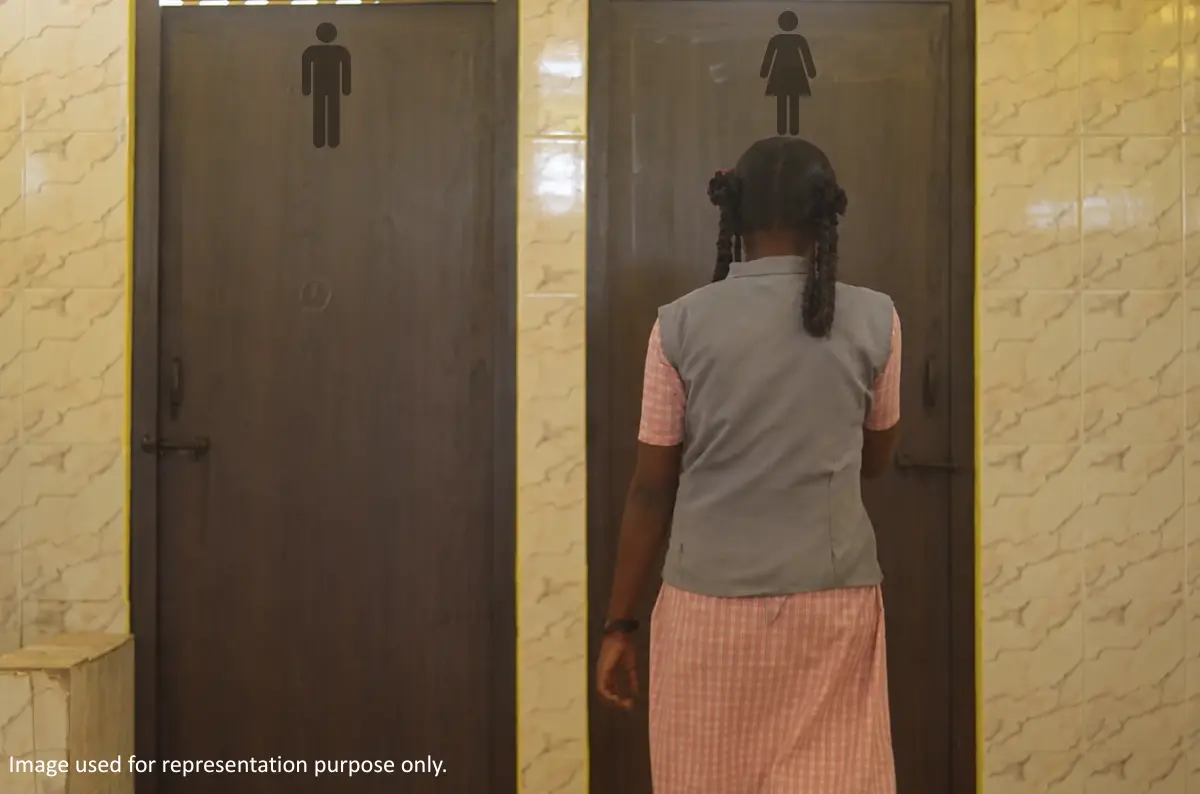
Girls often face additional responsibilities such as household work, caregiving, and early marriage. These pressures often force them to leave school and take up unpaid domestic work or income-generating activities, increasing their risk of child labour, exploitation, and lifelong economic disadvantage.
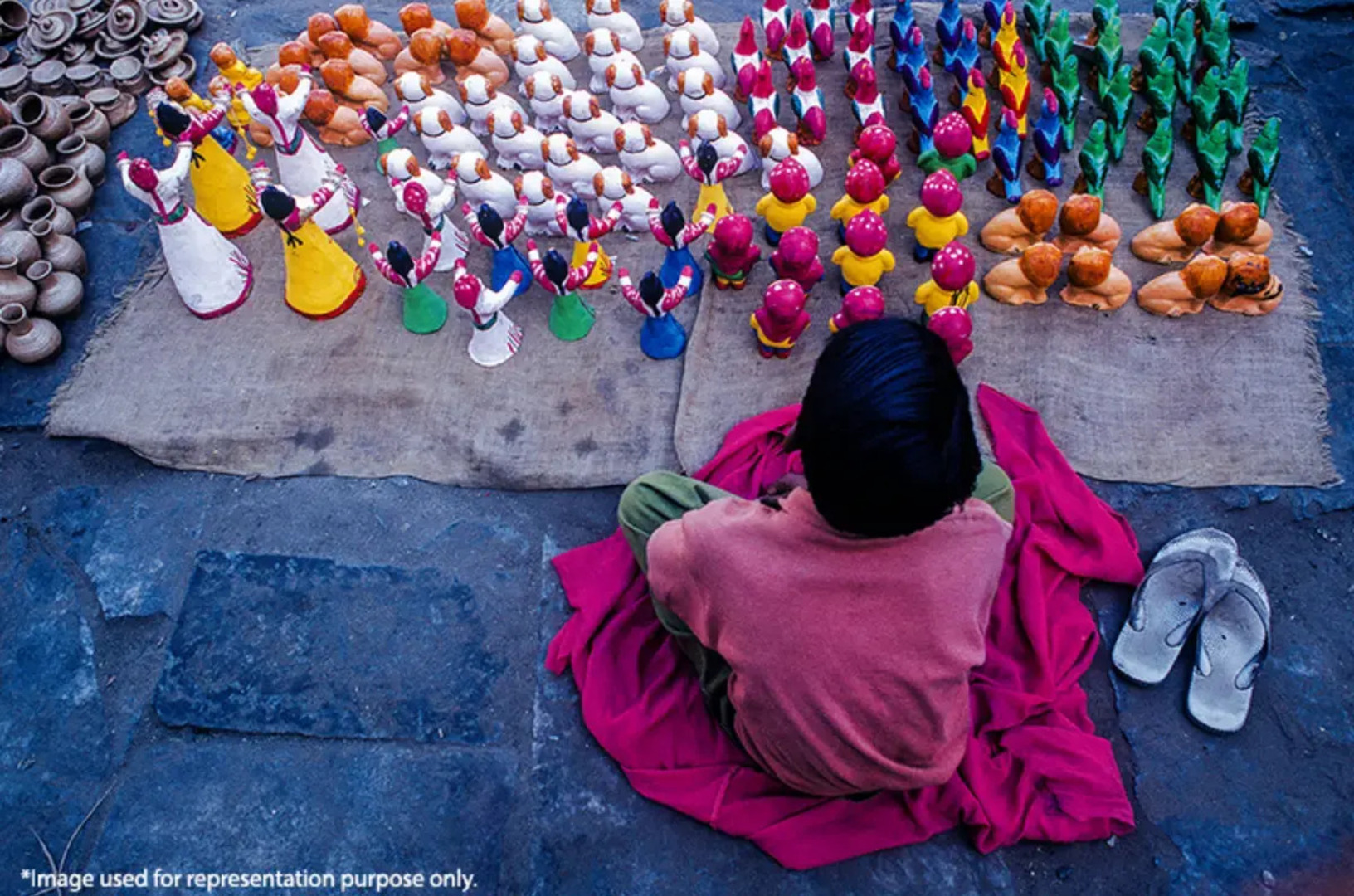
How Child Labor Steals Childhood and Future Opportunities
Missing Out on Education
Children involved in child labor often miss school entirely or attend irregularly, making it difficult to keep up academically. Without education, they have fewer employment opportunities as adults and remain vulnerable to low-paying, unstable work.
The loss extends beyond literacy and numeracy. Education nurtures confidence, curiosity, leadership, and problem-solving skills that allow children to shape their own futures.
Physical and Mental Health Risks
Many working children are exposed to hazardous environments, dangerous machinery, toxic chemicals, long working hours, and emotional stress. These conditions can result in injuries, chronic health problems, anxiety, and trauma that affect them throughout their lives.
The Long-Term Cycle of Poverty
Without education and skills, children who work are more likely to become adults living in poverty. Their own children may then face similar circumstances, creating a cycle that continues across generations.
Why Education Is the Key to Ending Child Labor
Education is one of the most effective and sustainable solutions to child labor. Every year a child remains in school increases their opportunities for better employment, improved health, and greater economic independence.
Schools provide children with knowledge, confidence, protection, and hope while giving families a pathway toward long-term stability.
Also Read: https://www.cryamerica.org/blogs/what-happens-when-one-child-gets-educated/
Keeping Children in School
Providing access to quality education, learning support, school supplies, and safe learning environments helps children stay enrolled and reduces the likelihood that they will enter the workforce prematurely.
Empowering Families Through Education
When parents understand the long-term value of education and receive community support, they are more likely to prioritize school attendance over child labor. Awareness programs, livelihood support, and social protection initiatives help reduce the financial pressures that place children at risk.
Building Stronger Communities for Future Generations
Communities play a critical role in protecting children. Schools, parents, local leaders, teachers, and child protection groups can work together to identify children at risk, encourage school enrollment, and promote awareness of child rights.
Also Read: https://www.cryamerica.org/blogs/ngos-driving-access-to-quality-education-rural-india/
At CRY, community-centered programs help ensure that children remain in school while addressing the underlying causes of child labor. Through awareness campaigns, learning programs, child participation groups, and advocacy efforts, children gain safe spaces where they can learn, express themselves, and build confidence.
These initiatives not only improve educational outcomes but also strengthen entire communities by creating environments where every child is valued, protected, and encouraged to pursue their dreams.
Global Efforts to End Child Labor and Protect Children’s Rights
Governments, international organizations, nonprofits, educators, and communities continue working together to eliminate child labor through stronger laws, improved education systems, and targeted social programs.
While meaningful progress has been made, sustained investment and collective action remain essential to achieving a future where every child can enjoy a safe and fulfilling childhood.
International Laws and Child Protection Frameworks
International agreements such as the United Nations Convention on the Rights of the Child (UNCRC), the International Labour Organization (ILO), Minimum Age Convention, and the ILO Worst Forms of Child Labour Convention establish global standards that protect children from exploitation while promoting education and fundamental child rights.
These frameworks guide governments in strengthening national laws and improving child protection systems.
How You Can Help Give Every Child the Freedom They Deserve
This Independence Day, you can help create lasting change.
Your support enables organizations like CRY to raise awareness about education, prevent child labor, short-term learning programs, strengthen communities, and help children stay in school where they belong.
Every contribution helps create opportunities for children to learn, dream, and build brighter futures.
Conclusion: Freedom Begins with Every Child
True freedom is achieved only when every child enjoys a safe childhood, quality education, and the opportunity to pursue their dreams. This Independence Day, let us celebrate not only national progress but also our shared responsibility to protect every child’s future.
Together, we can help end child labor, strengthen child rights, and ensure that every child experiences the freedom they deserve. Support CRY America this Independence Day and help build a future where every child learns, grows, and thrives.
Frequently Asked Questions
What is child labor, and why is it still a global issue in 2026?
Child labor refers to work that deprives children of their childhood, education, health, or dignity and interferes with their physical or mental development. It remains a global issue because of poverty, unequal access to education, economic instability, social inequality, and limited child protection systems in many communities.
How does child labor affect a child’s education and future?
Children involved in child labor often miss school or drop out completely. Without education, they have fewer career opportunities, lower earning potential, poorer health outcomes, and a greater likelihood of remaining trapped in poverty throughout adulthood.
What are the main causes of child labor?
The primary causes include poverty, lack of access to quality education, family debt, unemployment, social inequality, and emergencies such as conflicts or natural disasters that increase household vulnerability.
How is CRY America helping children break free from child labor?
CRY America works with local communities to identify children at risk, improve school enrollment and retention, provide learning support, raise awareness about child rights, strengthen child protection systems, and advocate for policies that ensure children remain safe, educated, and protected from exploitation.
How can I support efforts to end child labor and protect child rights?
You can make a meaningful difference by supporting organizations like CRY America through donations, raising awareness, advocating for children’s education, encouraging responsible business practices, and sharing information within your community. Every action helps create a world where every child has the freedom to learn, dream, and thrive.
Recommended for you