











A child who cannot read at grade level in the early years of school is at risk of falling behind in every subject that follows. Yet across India, millions of children are progressing through school without acquiring basic reading skills. Despite higher enrollment rates and expanded access to education, many children still struggle to read simple texts appropriate for their grade level. This gap in foundational literacy has become one of the most urgent education challenges in the country.
Research on Foundational Literacy and Numeracy (FLN) in India highlights that a large number of children, particularly those from rural and underprivileged communities, continue to face barriers to acquiring essential reading and writing skills. These challenges affect not only their academic progress but also their future opportunities and overall development. Addressing early literacy is therefore critical to improving long-term learning outcomes and ensuring that every child has an equal chance to succeed.
Foundational Literacy: The Bedrock of Education
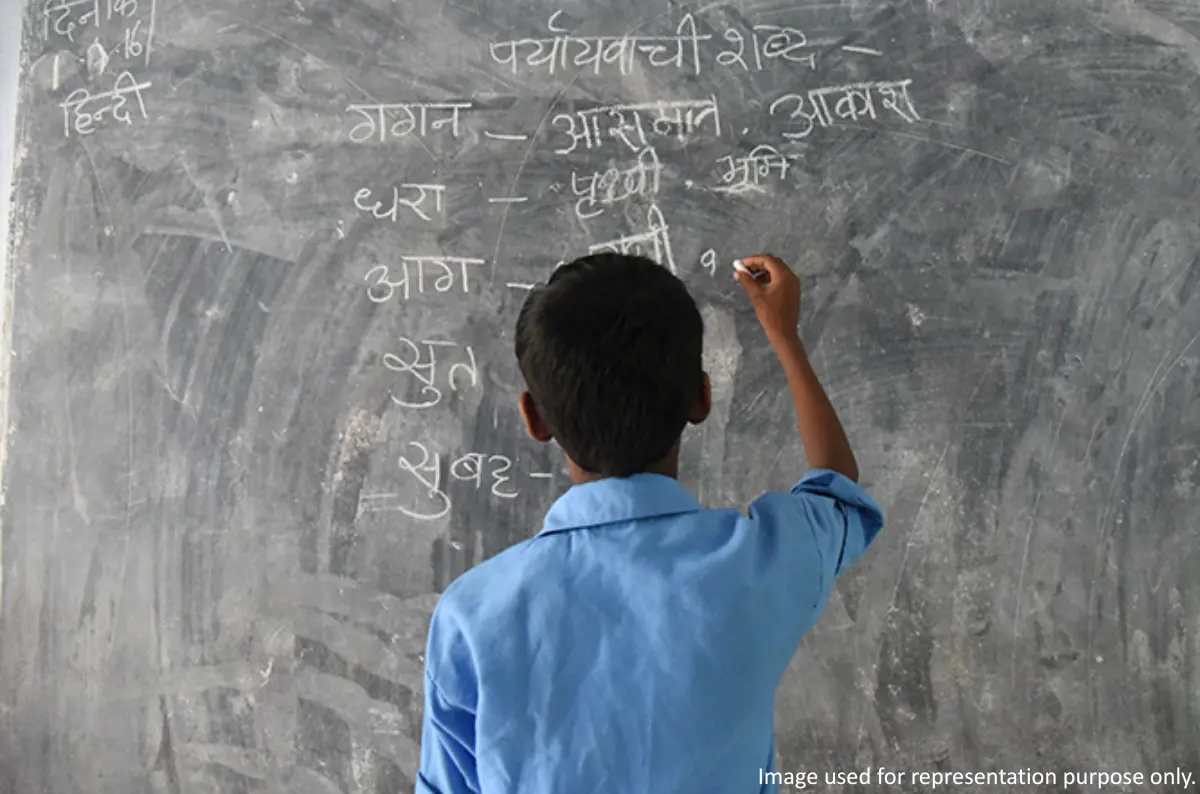
Foundational literacy refers to the basic reading, writing, speaking, and comprehension skills that children are expected to develop during their early years of schooling, ideally by Grade 3. These skills help children understand classroom lessons, engage with books, and build knowledge across subjects.
Experts widely recognize that early literacy forms the basis of all future learning. When children are unable to read with understanding in the early grades, they often struggle to keep up with lessons in later years, leading to weaker academic performance and lower confidence.
The State of Foundational Literacy in India: A Stark Reality
India has made significant progress in getting children into schools, but enrollment alone does not guarantee learning. Studies continue to show worrying gaps in learning outcomes, particularly in reading and basic numeracy.
According to education reports cited in recent FLN research, many children in Grades 3 to 5 are still unable to read simple texts meant for younger students. The situation became even more challenging after the COVID-19 pandemic, which disrupted schooling and widened existing learning gaps. Research also points to substantial disparities between urban and rural areas and among children from economically disadvantaged backgrounds. These findings show that improving foundational literacy remains essential if India is to ensure quality education for all children.
Also Read: Breaking the Cycle: Importance of Education in Rural Areas
Why Are Learning Outcomes Still So Poor in Indian Schools?
Several interconnected factors continue to affect learning outcomes and prevent children from developing strong literacy skills during their early school years.
-
Teacher Shortages and Inadequate Training
Many schools face teacher shortages, while others struggle to provide educators with specialized training in early literacy instruction. Without adequate support, teachers may find it difficult to address diverse learning needs effectively.
-
Poor Early Literacy Practices in the Early Years of Schooling
Children learn best when they are exposed to age-appropriate reading activities, storytelling, and interactive learning experiences. In many classrooms, these practices are limited, making it harder for children to develop strong reading skills from the start.
-
The Impact of Poverty and Child Labor on Learning Outcomes
Poverty continues to affect educational achievement. Children from low-income families often face challenges such as irregular attendance, limited learning resources, and responsibilities outside school that interfere with learning. These factors directly influence learning outcomes.
-
Language Barriers and Mother Tongue Instruction Gaps
India’s linguistic diversity presents unique challenges. Many children begin school in a language different from the one spoken at home, making it more difficult to develop reading comprehension and literacy skills during the crucial early years.
Also Read: What Is Child Labor
The Long-Term Consequences of Poor Foundational Literacy
The effects of weak foundational literacy extend far beyond primary school. Children who struggle to read often find it difficult to understand lessons across subjects, limiting their academic growth and future opportunities.
Research consistently shows that strong literacy skills in the early grades contribute to better educational achievement, improved employment prospects, and greater social mobility later in life. Conversely, poor literacy skills can create barriers that persist throughout adulthood.
The Link Between Literacy and School Dropout
When children cannot keep pace with classroom learning, they often become disengaged and discouraged. Over time, this increases the likelihood of absenteeism and school dropout, especially among vulnerable populations.
Children who struggle to read often internalize failure long before they leave school altogether.
The Link Between Foundational Literacy and Child Rights Violations
Every child has the right to quality education. When children fail to acquire basic reading skills, they are denied opportunities to participate fully in education and society. Weak foundational literacy can therefore contribute to broader inequalities and limit children’s ability to realize their rights and potential.
Also Read: Child Rights in India: How Far Have We Come and What More Needs to Be Done
India’s Response to the Foundational Literacy Crisis
Recognizing the scale of the challenge, India has launched several national initiatives focused on improving foundational literacy and learning outcomes. These efforts aim to ensure that every child develops essential reading and numeracy skills during the early grades.
Current policy frameworks emphasize trainings, improved classroom practices, regular assessments, multilingual learning approaches, community participation, and stronger accountability systems. Together, these measures seek to address the root causes of poor literacy achievement and create more supportive learning environments for children.
NIPUN Bharat Mission and Its Goals for Early Literacy
The NIPUN Bharat Mission was launched to ensure that all children achieve foundational literacy and numeracy by the end of Grade 3. The mission focuses on reading with understanding, basic numeracy skills, teacher support, and continuous assessment to improve learning outcomes nationwide.
NEP 2020’s Vision for Improving Learning Outcomes in Early Grades
The National Education Policy (NEP) 2020 identifies foundational literacy as the country’s highest educational priority. It promotes child-centered learning, multilingual education, teacher capacity building, and stronger support for early literacy development.
Also Read: The Importance of Early Childhood Care and Education
How CRY Is Working to Improve Foundational Literacy for Underprivileged Children?
CRY America supports efforts that help children access quality education and develop the skills needed to thrive. Through partnerships with grassroots organizations, CRY works to strengthen school systems, improve classroom learning environments, and encourage community participation in children’s education.
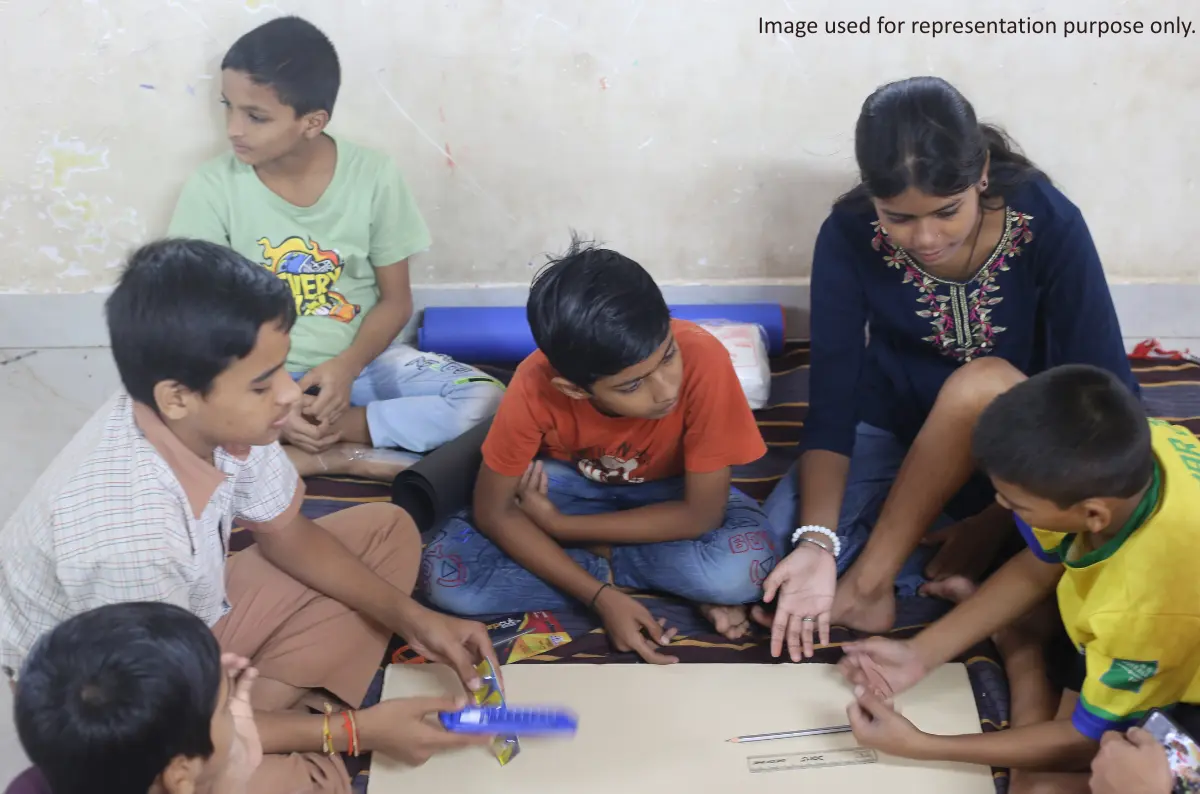
A strong focus is placed on supporting children from marginalized communities who are most at risk of falling behind. By promoting school enrollment, regular attendance, improved teaching practices, and child-friendly learning environments, CRY helps create conditions where children can build strong foundational literacy skills and support classes for children.
CRY also works with parents, teachers, local communities, and education stakeholders to ensure that children’s educational rights are protected and that improvements in learning outcomes are sustained over time.
What Still Needs to Change?
While important progress has been made, significant work remains. India must continue investing in teacher training, early assessments, classroom resources, and community engagement. Greater attention is also needed for children in remote, tribal, and underserved communities where literacy gaps remain highest.
Strengthening mother tongue instruction, improving access to quality learning materials, and identifying learning difficulties early can help accelerate progress. Most importantly, education systems must focus not only on school attendance but also on measurable learning outcomes that ensure children are actually learning to read and understand.
Conclusion: Foundational Literacy Is Not Just an Education Goal, It Is a Child Right
Every child deserves the opportunity to read, learn, and succeed. Improving foundational literacy is not simply an education objective, it is essential for protecting children’s rights and creating a more equitable future. By strengthening early literacy and improving learning outcomes, India can help millions of children unlock their full potential.
Also Read: How Education Can Transform the Lives of Underprivileged Youth
FAQs: Foundational Literacy in India
What is foundational literacy and why is it important for children?
Foundational literacy refers to the basic reading, writing, speaking, and comprehension skills that children develop during their early years of education. It is important because it supports all future learning and helps children succeed academically, socially, and economically.
What are the current learning outcomes for primary school children in India?
Many primary school children in India still struggle with age-appropriate reading and comprehension skills. Studies show that a significant number of students in elementary grades are unable to read texts at the expected level, highlighting ongoing challenges in learning outcomes.
How does CRY work to improve foundational literacy and learning outcomes for children in India?
CRY supports initiatives that strengthen access to quality education for underprivileged children. Through community engagement, partnerships with local organizations, school support programs, and advocacy for children’s rights, CRY helps improve foundational literacy, early literacy, and overall learning outcomes among vulnerable children.
Recommended for you