











A few extra degrees of heat can change much more than the temperature. For a child, it can mean a classroom that becomes too hot to learn in or a journey to school that requires walking through hip-deep water. For a family dependent on farming, it can mean a failed crop and less money for food. For a fishing community, it can mean travelling farther for a catch that used to be found closer to home. None of these climate change effects happen in isolation.
When climate-related disruptions affect the livelihoods and essential services that families depend on, children can experience the consequences through their health, nutrition, education and everyday security.
In today’s blog, let’s understand how climate change impacts underserved childhoods, why marginalized communities are among the most vulnerable to its effects, and how this affects children’s education continuity in India.
How climate change is affecting children’s lives in 2026
Climate change is not a distant threat waiting for the future. Children are experiencing its effects today. Research conducted by CRY’s RaKe team in 2026 across climate-vulnerable locations in Tamil Nadu, Andhra Pradesh, Telangana and the Andaman & Nicobar Islands found communities experiencing erratic rainfall, floods, cyclones, heatwaves and, in coastal areas, sea-level rise. Communities described damaged homes and infrastructure, changing agricultural patterns, declining fish stocks, migration, disrupted healthcare and loss of income. And this is where the impact on children becomes more visible.
When a family’s livelihood is affected, household income can become less secure. With fewer resources to fall back on, families may face greater food insecurity and have less capacity to manage healthcare and other essential needs. These pressures can increase children’s vulnerability to malnutrition and undernutrition, disrupt their education, and increase their risk of child labor and child marriage.
Why vulnerable communities face the greatest risks
The ability to cope with climate-related disruptions is closely linked to the resources available to a family. Communities that depend heavily on agriculture, fishing or other climate-sensitive livelihoods can be particularly affected when these resources become less reliable. When families have limited savings, insecure incomes or inadequate access to essential services, recovering from a climate event becomes harder. Let’s understand why climate change and poverty coexist in marginalized communities:
Extreme heat and rising temperatures
For children in marginalized communities, extreme heat often makes everyday activities like travelling to school physically exhausting and uncomfortable. Prolonged heat often makes it difficult to concentrate in poorly ventilated classrooms, while homes with tin roofs can become unbearably hot. Limited access to safe drinking water, particularly when wells and nearby water sources run low, further increases children’s risk of dehydration and heat-related illness.
Floods, cyclones, and natural disasters
Families living in vulnerable locations and with limited financial resources often have fewer options to protect or rebuild their homes after a disaster. When homes, schools and livelihoods are damaged, children can lose learning materials and identity documents, which can prevent them from accessing healthcare entitlements, while also missing school and facing displacement.
Food insecurity and malnutrition
Marginalized families often depend on climate-sensitive livelihoods such as farming and fishing. When crops fail or fish become harder to find, household incomes and food supplies are affected, leaving children more vulnerable to undernutrition and poor health.
Also Read: What Is Malnutrition
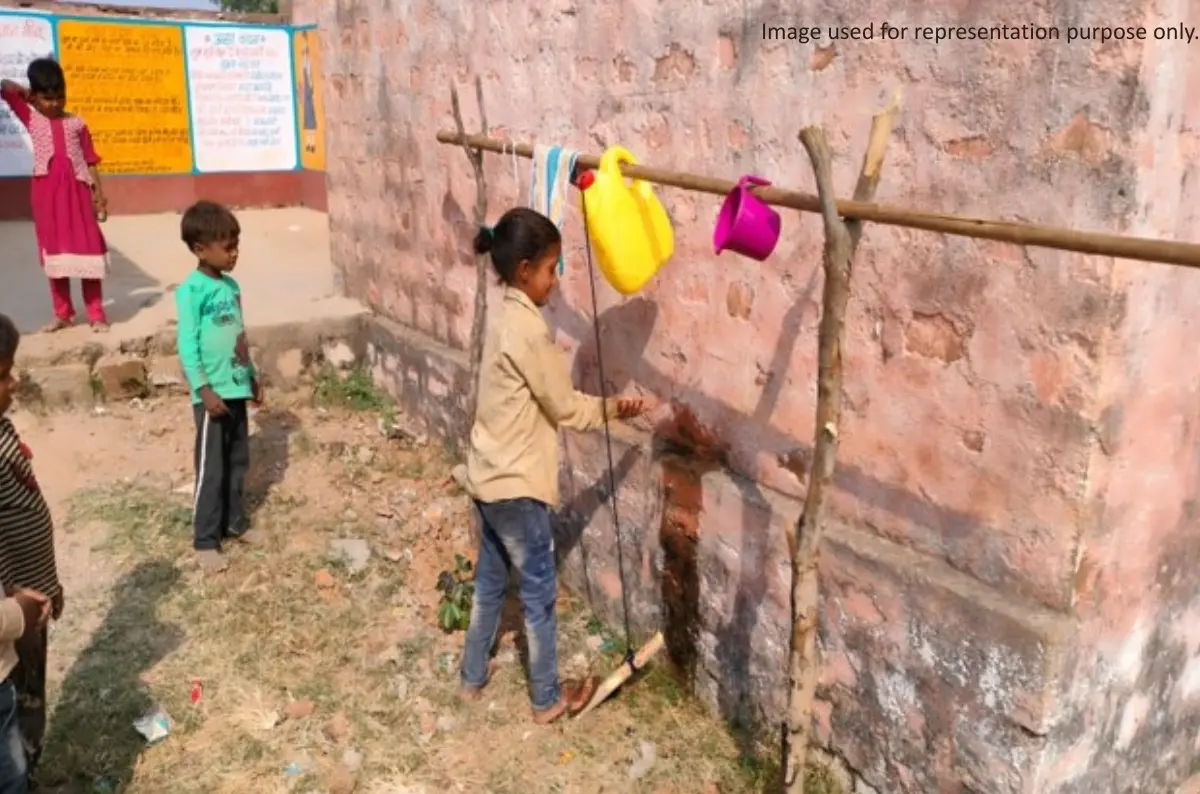
Water scarcity and poor sanitation
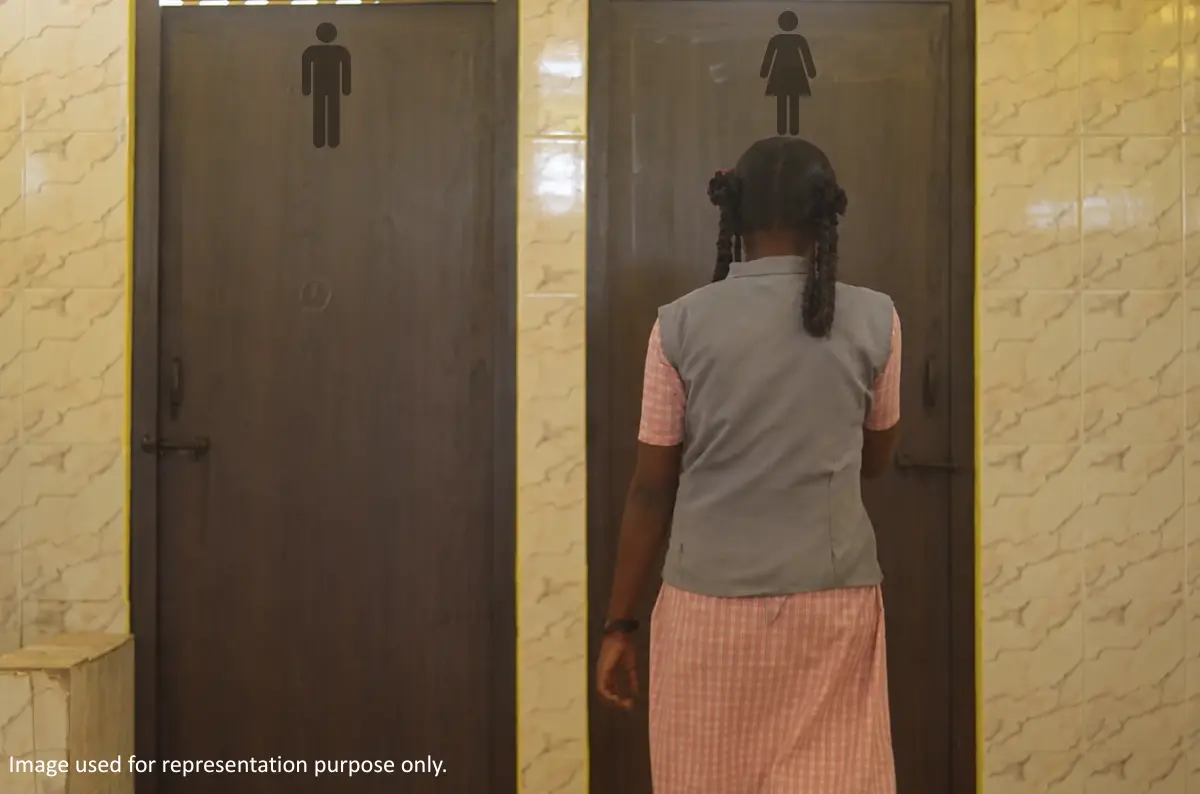
Limited access to safe water increases children’s exposure to water-borne diseases and can disrupt school attendance. For girls, water scarcity can be an added barrier during menstruation. When nearby water sources dry up, they may have to walk one to two hours to access water and safe spaces to bathe or change, often resulting in missed school days.
Also Read: How Nutrition and Hygiene Help Prevent Common Childhood Diseases
Climate-Driven displacement and migration
When climate-sensitive livelihoods become unreliable, families with fewer economic alternatives may be forced to migrate for work or safety. For children, this can mean leaving school, losing familiar support systems and facing interrupted access to healthcare and other essential services. These climate change facts show why climate action must also focus on protecting children living in vulnerable communities.
Also Read: How to Stop Child Trafficking: 10 Ways Communities Can Help
How climate change disrupts children’s education
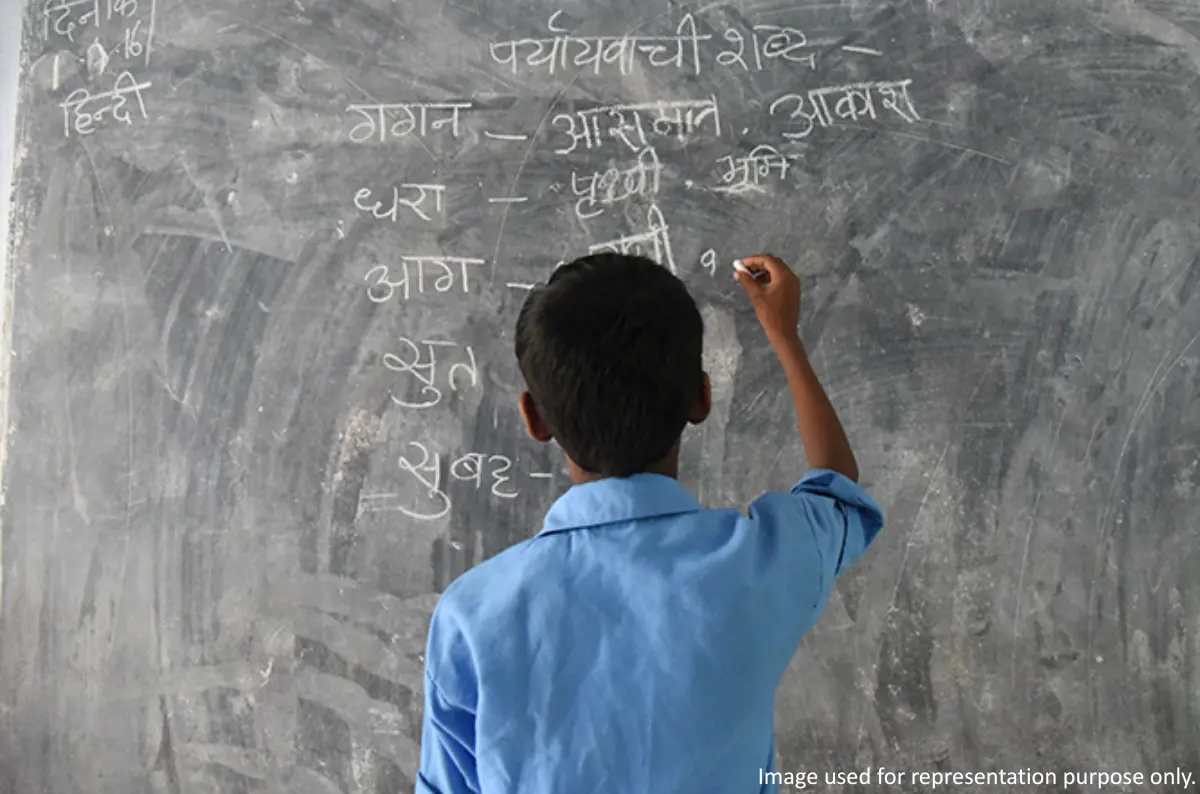
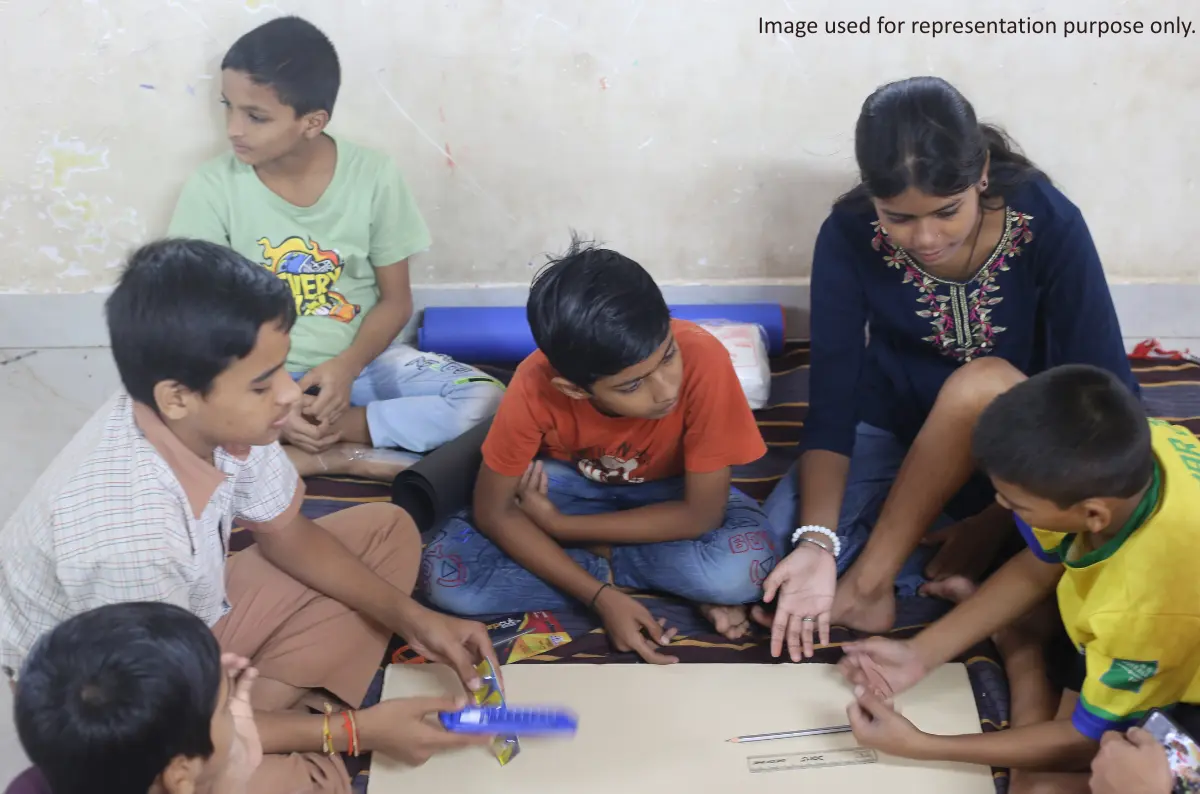
Climate change can disrupt education in ways that extend beyond school closures after floods or cyclones. For children in marginalized communities, the below factors often build on barriers to education that already exist.
School closures after climate disasters
Floods make schools inaccessible or damage school buildings. Cyclones destroy infrastructure. Extreme heat often makes classrooms unsafe, while floods and cyclones force schools to close for extended periods or relocate to temporary shelters. Children lose their books, bags and other learning materials, while disrupted academic calendars make it harder for teachers and students to complete the syllabus. They may fall behind classmates. They may lose confidence. And for a child already struggling with poverty, repeated disruption can make dropping out seem like the only option.
Also Read: Overcoming Barriers to Education for Underprivileged Children
Increased risk of child labor and child marriage
When climate shocks reduce household income, children can become part of the family’s survival strategy. The International Labour Organization’s 2023 report on Child Labour and Climate Change reveals that climate change can affect child labor through several pathways, including increased poverty, changes in agricultural productivity, extreme weather events, climate-driven migration and the destruction of basic services.
The same economic pressures can increase risks of child marriage, particularly for girls rooted in poverty, gender inequality food insecurity.
Also Read: How Education Can Break the Cycle of Child Marriage
Mental health challenges caused by climate anxiety
A child who has lived through a flood may worry when the rain begins again. A child who has been displaced may wonder whether they will have to move again.
UNICEF describes climate or eco-anxiety as involving emotions such as anxiety, sadness, anger and grief in response to climate change. Climate anxiety in children can involve both the immediate shock of climate disasters and the longer-term stress of worrying about whether they will happen again.
Why children are more vulnerable than adults
Children are still growing. Their bodies, immune systems, brains and lungs are developing, making them more sensitive to environmental changes. But their vulnerability is not only biological. Children depend on adults and essential systems for food, healthcare, safe housing, education and protection. When these are disrupted, children have less control over how they respond or recover.
This is why, even within already vulnerable communities, children often face the greatest consequences of climate-related disruptions. Let’s take a closer look:
Health risks and disease outbreaks
Climate change can increase children’s exposure to extreme heat, water-borne diseases and vector-borne diseases such as malaria and dengue. CRY’s 2026 research identified diseases including diarrhoea, dysentery, typhoid, leptospirosis, malaria and dengue. Poor air quality and extreme heat can also worsen respiratory conditions such as bronchitis and asthma.
Limited access to healthcare and essential services
A climate disaster can damage a health centre, block roads or interrupt electricity and water supplies. CRY’s 2026 research found that health facilities were sometimes unable to operate normally during floods, alongside shortages of healthcare staff. One participant described spending more than a day’s income on treatment for a simple fever because the nearest Primary Health Centre was 15 kilometres from their village. For families already living with financial constraints, a disrupted healthcare system can turn a treatable illness into a much bigger crisis.
Also Read: Understanding Children’s Right to Health
Climate action that protects every child’s future
Climate action is often discussed in terms of emissions, energy and environmental targets. These are essential. But climate action must also ask a simpler question. What does a child need to remain safe, healthy and in school when the next climate shock comes?
The answer is not one intervention. It means climate-resilient schools that can remain safe during extreme weather. It means reliable water and sanitation. It means healthcare systems prepared for climate-related disease and emergencies. It means social protection that helps families recover without relying on their children for additional income. It means protecting livelihoods so that a failed crop or damaged fishing ground does not become a child’s lost education. It means listening to children themselves. And it means making climate policies child-centred. The climate crisis is not only about the world children will inherit. It is about the childhood they are living in right now.
Conclusion
CRY works with children, families and communities to strengthen their ability to cope with climate-related challenges, while ensuring that children’s rights to health, education, nutrition and protection remain at the centre of climate action. It means protecting their right to a childhood today. Support CRY America to ensure happier and healthier childhoods.
Frequently Asked Questions About Climate Change and Children
How does climate change affect children’s health and development?
Climate change affects children through extreme heat, disease, malnutrition, poor air quality, and disrupted healthcare. These climate change effects can hinder physical growth, learning, mental wellbeing, and overall development.
Why are children in vulnerable communities most affected by climate change?
Children in vulnerable communities often lack access to healthcare, nutritious food, safe housing, clean water, and education. Climate change can deepen these inequalities, leaving children more exposed to its impacts.
How does climate change impact children’s education?
Climate change can damage schools, disrupt attendance, force families to migrate, and increase child labour and poverty. Extreme weather events can interrupt learning and make it harder for children to stay in school.
How is CRY America helping children affected by climate-related disasters?
CRY America works with communities to protect children during climate-related disasters by supporting access to education, healthcare, nutrition, safe spaces, and essential services while helping families strengthen their resilience.
What can individuals do to protect children from the impacts of climate change?
Individuals can reduce waste, conserve water and energy, support climate action, and help vulnerable families access essential services. Protecting children also means advocating for safe, resilient communities and equitable climate policies.
Recommended for you