











Every child deserves the opportunity to grow up healthy, safe, and supported. Good health plays a vital role in a child’s learning, emotional well-being, confidence, and future success. However, many children in India still lack access to proper nutrition, healthcare, clean water, and sanitation. This makes conversations around the right to health and children’s right to health in India increasingly important. Understanding what is right to health in India can help families, communities, and organizations work together to ensure every child receives the care and protection they deserve.
What Is the Right to Health and Why Does It Matter for Children?
The right to health means that every person should have access to healthcare services, nutritious food, clean water, sanitation, and a healthy environment. For children, this right becomes even more critical because their physical and mental development depends on proper care during the early years of life.
Children are more vulnerable to illness, malnutrition, infections, and poor living conditions. Without healthcare support, even preventable diseases can become life threatening. The right to health in India is closely linked with a child’s right to education, protection, and dignity.
When children are healthy, they can attend school regularly, participate in activities, and build brighter futures. Protecting children’s right to health in India is not only a social responsibility but also an investment in the nation’s growth and progress.
Also Read: Child Rights in India: How Far Have We Come and What More Needs to Be Done
Children’s Right to Health in India: The Legal and Constitutional Framework
India recognizes the importance of child health through several constitutional provisions, laws, and policies. While the Constitution does not explicitly mention the right to health, it strongly supports it through the Right to Life under Article 21. Indian courts have repeatedly interpreted this article to include access to healthcare and medical support.
Article 39 encourages the protection of children’s health and development, while Article 47 places responsibility on the state to improve public health and nutrition. Together, these provisions strengthen the framework supporting children’s right to health in India.
India is also a signatory to the United Nations Convention on the Rights of the Child, which recognizes every child’s right to the highest attainable standard of health. This global commitment further reinforces the importance of the right to health in India.
Several national policies and programmes focus on child welfare, maternal healthcare, immunization, nutrition, and disease prevention. These initiatives aim to reduce child mortality and improve overall health outcomes across the country.
Key Challenges Threatening Children’s Right to Health in India
Despite progress, many barriers continue to affect children’s right to health in India. Poverty, poor infrastructure, and lack of awareness prevent millions of children from receiving proper healthcare and nutrition.
-
Malnutrition and Stunted Growth
Malnutrition remains one of the biggest threats to the right to health for children. Many children do not receive enough nutritious food, leading to stunted growth, weak immunity, and developmental delays.
-
Inadequate Access to Clean Water and Sanitation
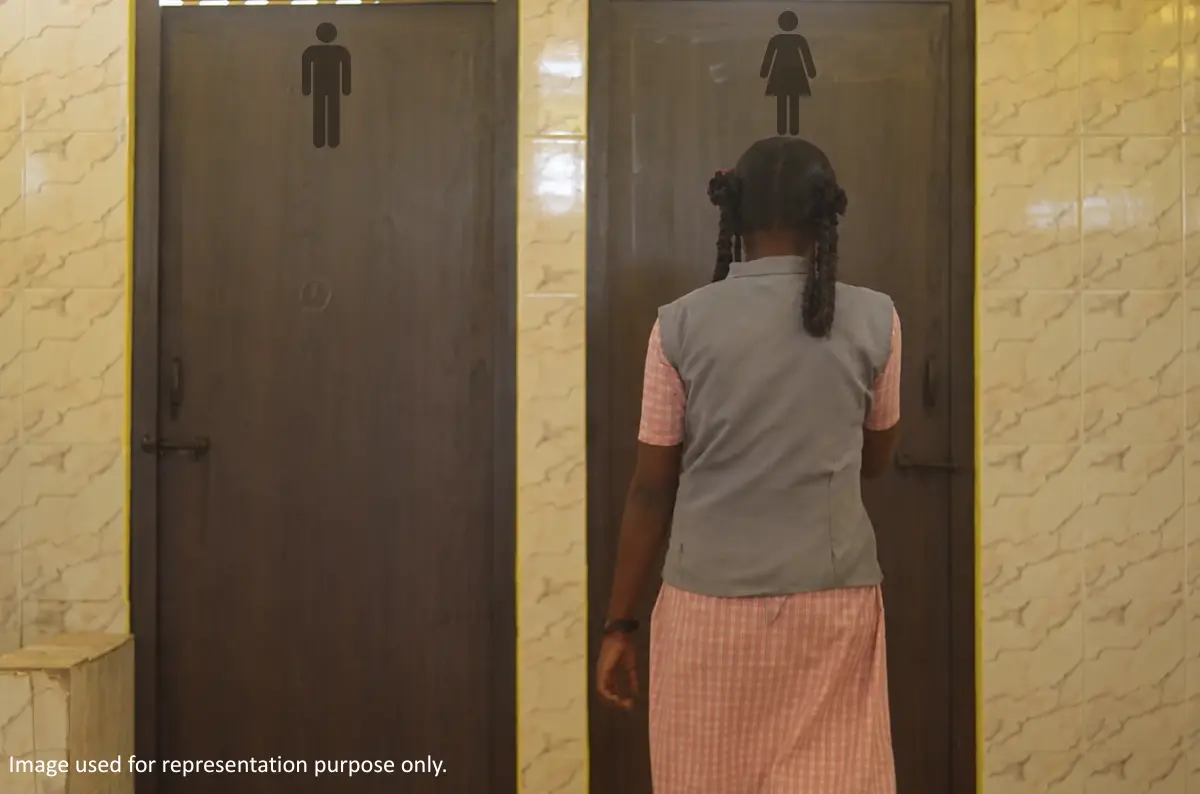
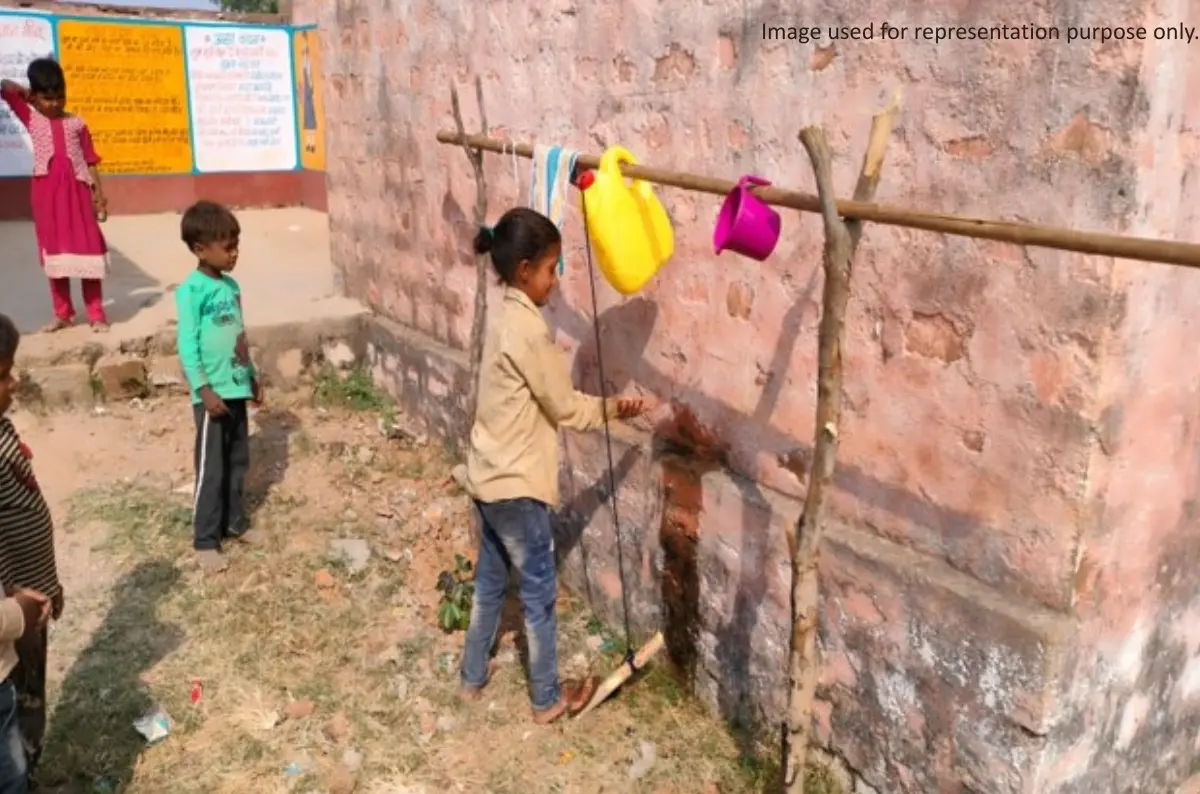
Unsafe drinking water and poor sanitation expose children to infections and waterborne diseases. Limited hygiene facilities directly impact the right to health in India, especially in vulnerable communities.
-
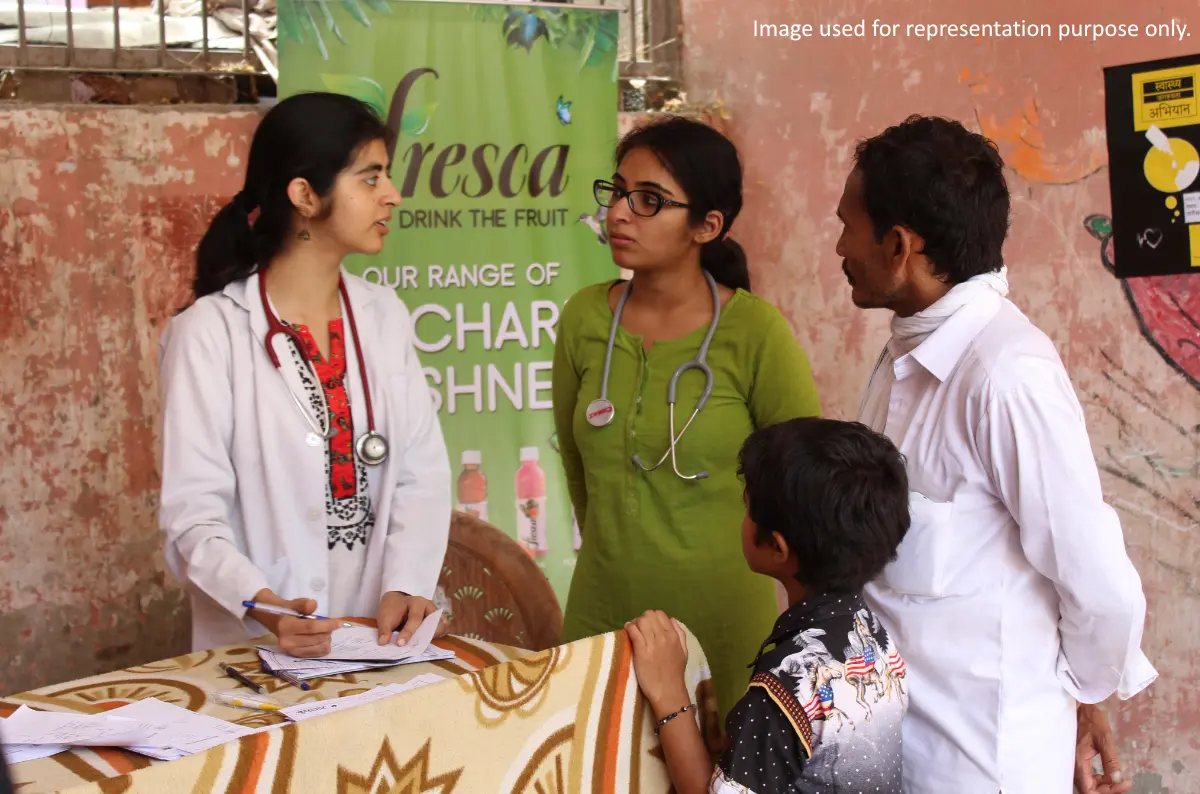
Poor Healthcare Infrastructure in Rural Areas
Many rural regions lack hospitals, trained doctors, medicines, and emergency services. This makes it difficult for families to access timely treatment and protect children’s right to health in India.
-
Lack of Awareness Among Parents and Communities
In several communities, limited awareness about nutrition, vaccination, hygiene, and preventive healthcare affects children’s well-being. Awareness is essential to strengthen the right to health for every child.
Also Read: What Is Malnutrition
Government Initiatives Supporting Children’s Right to Health in India
The Indian government has launched several programmes to improve healthcare access and protect children’s right to health in India. These initiatives focus on nutrition, maternal care, disease prevention, and child development.
-
National Health Mission and Child Health Programmes
The National Health Mission works to improve healthcare delivery across India, especially in rural and underserved regions. Child health programmes under this mission support newborn care, disease prevention, and maternal health services.
-
Poshan Abhiyaan and Immunisation Drives
Poshan Abhiyaan focuses on reducing malnutrition and improving nutrition awareness among families. Nationwide immunization campaigns also play a major role in protecting children from preventable diseases and strengthening the right to health in India.
Also Read: Vaccines & Newborns: Why Immunization Is Key to Infant Survival
How CRY Is Championing Children’s Right to Health Across India
For decades, CRY America has worked to protect children’s right to health in India by supporting vulnerable communities and improving access to essential healthcare services. The organization focuses on creating long-term, sustainable change through grassroots partnerships and community engagement.
CRY America works closely with local communities to improve maternal and child healthcare, nutrition awareness, sanitation, and immunization coverage. The organization also helps families understand the importance of healthcare access, regular checkups, and balanced nutrition.
By supporting healthcare centers, awareness programmes, and child development initiatives, CRY America strengthens the foundation of the right to health for children across India. The organization also advocates for policy-level improvements to ensure that every child receives proper care and protection.
Through community-driven action and long-term support, CRY America continues to create healthier futures for children who are most at risk.
What More Needs to Be Done to Protect Children’s Right to Health
Although India has made important progress, there is still a long way to go in ensuring full protection of children’s right to health in India. Greater investment in healthcare infrastructure, especially in rural and underserved regions, is essential.
Improving nutrition programmes, sanitation facilities, and access to clean drinking water can significantly improve child health outcomes. Awareness campaigns must also educate families about preventive healthcare, vaccination, and maternal wellbeing.
Stronger coordination between government bodies, healthcare workers, schools, nonprofits, and local communities can help expand the reach of healthcare services. Protecting the right to health in India requires collective action and long-term commitment from every section of society.
Conclusion: Every Child Deserves the Right to Health and a Healthy Future
Every child deserves a healthy childhood filled with care, safety, nutrition, and opportunity. Protecting children’s right to health in India is essential for building stronger communities and a better future for the country. By improving healthcare access, spreading awareness, and supporting organizations like CRY America, we can help ensure that every child receives the healthy start they deserve.
FAQ on Children’s Right to Health in India:
What is the right to health in India?
The right to health in India refers to every individual’s access to healthcare services, nutritious food, clean water, sanitation, and a healthy environment. Although it is not directly mentioned as a fundamental right, Indian courts recognize healthcare as part of the Right to Life under Article 21 of the Constitution.
Do children have a legal right to health in India?
Yes, children’s right to health in India is supported through constitutional provisions, child welfare laws, and international commitments like the United Nations Convention on the Rights of the Child. These protections aim to ensure children receive healthcare, nutrition, and safe living conditions.
What are the main barriers to children’s right to health in India?
Major barriers include malnutrition, poverty, poor sanitation, lack of healthcare facilities in rural areas, and limited awareness about preventive healthcare. These challenges continue to affect the effective implementation of the right to health for millions of children across India.
How has India’s child health situation improved over the last decade?
India has made progress through improved immunization coverage, better maternal healthcare, nutrition programmes, and reduced child mortality rates. Government initiatives and nonprofit organizations have helped strengthen children’s right to health in India by improving healthcare access and awareness.
How does CRY work to protect children’s right to health in India?
CRY America works with grassroots organizations to improve healthcare access, nutrition, sanitation, and awareness in vulnerable communities. Through long term interventions and community support, the organization helps strengthen the right to health in India and create healthier futures for children.
Recommended for you