











Every child deserves the chance to learn and build a better future. Yet, millions of children around the world still face barriers that keep them out of school or prevent them from receiving quality education. This is why the right to education is so important. It recognizes learning as more than a privilege. It is a basic right that every child should enjoy, regardless of their background, gender, or financial situation.
Understanding the right to education helps us see why ensuring access to learning is essential for creating stronger families, healthier communities, and a more equal society.
What Is the Right to Education and Why Is It Important?
The right to education means that every child has the opportunity to receive free, quality, and inclusive education without discrimination. It is recognized globally as a right that gives children the knowledge and skills they need to live independent, healthy, and productive lives.
The right to education goes beyond attending school. It also includes learning in a safe environment, having qualified teachers, and receiving an education that supports a child’s overall development. When children have access to quality education, they are more likely to achieve their goals, contribute to society, and break free from cycles of poverty.
Understanding the Right to Education in India
The Right to Education (RTE) Act, 2009, was introduced to put this constitutional right into action. The Act aims to ensure that children can access free elementary education without discrimination. It also sets standards for schools, promotes equal opportunities, and discourages practices that prevent children from completing their education.
Although important progress has been made, many children continue to face challenges that affect both school enrollment and learning outcomes. Ensuring every child receives quality education requires continued efforts from governments, communities, schools, families, and organizations working for children’s rights.
Also Read: Child Rights: How Far Have We Come
Why Do Many Children Still Struggle to Access Quality Education?
Despite legal protections, many children still face obstacles that prevent them from enjoying their right to education.
Poverty and Financial Barriers to Education
Many families struggle to meet daily needs, making education difficult to prioritize. Costs related to transportation, uniforms, books, or school supplies can discourage regular attendance, especially for low-income households.
Also Read: Overcoming Barriers to Education for Underprivileged Children
Child Labor and Early School Dropouts
Some children are forced to work to support their families instead of attending school. Others leave school early due to economic pressures or household responsibilities, limiting their future opportunities.
Also Read: What Is Child Labor and Its Impact on Learning
Gender Inequality and Barriers to Girls’ Education
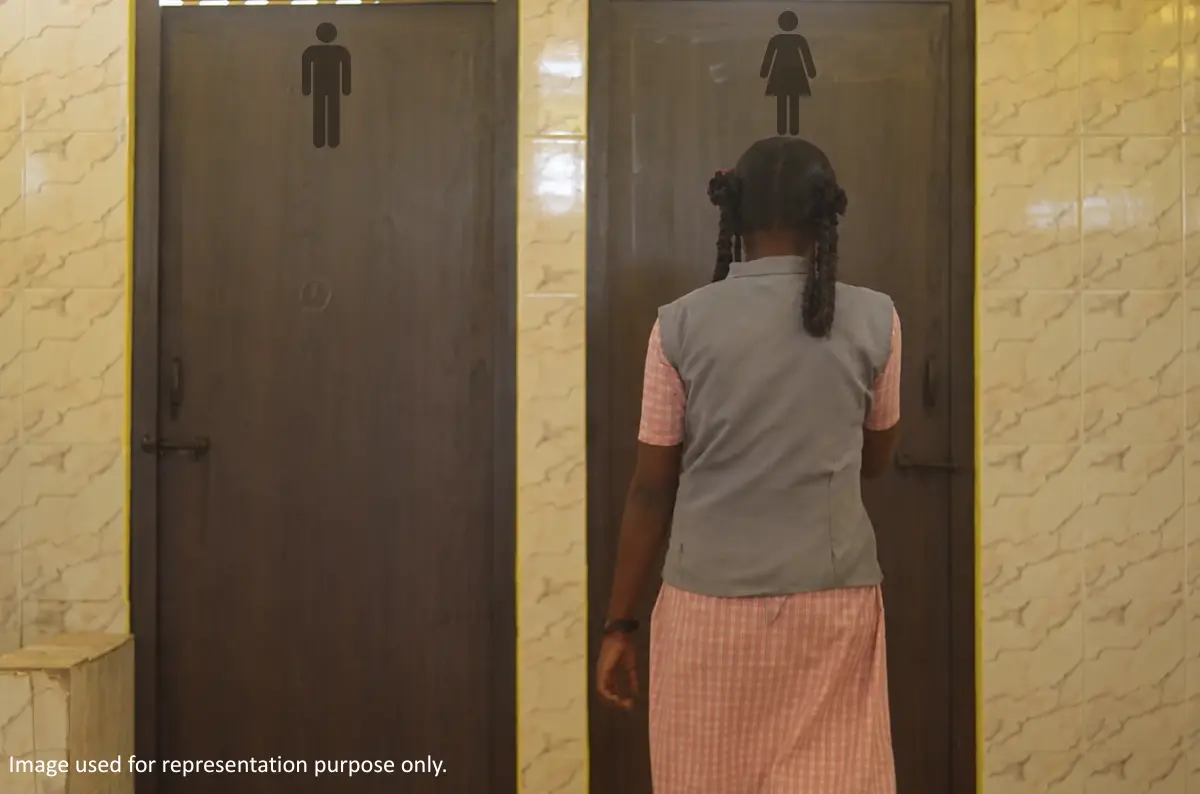
Girls often face additional challenges such as early marriage, safety concerns, social norms, and household responsibilities. These barriers can prevent them from completing their education.
Also Read: Empowering the Girl Child Through Education
Lack of Infrastructure and Qualified Teachers
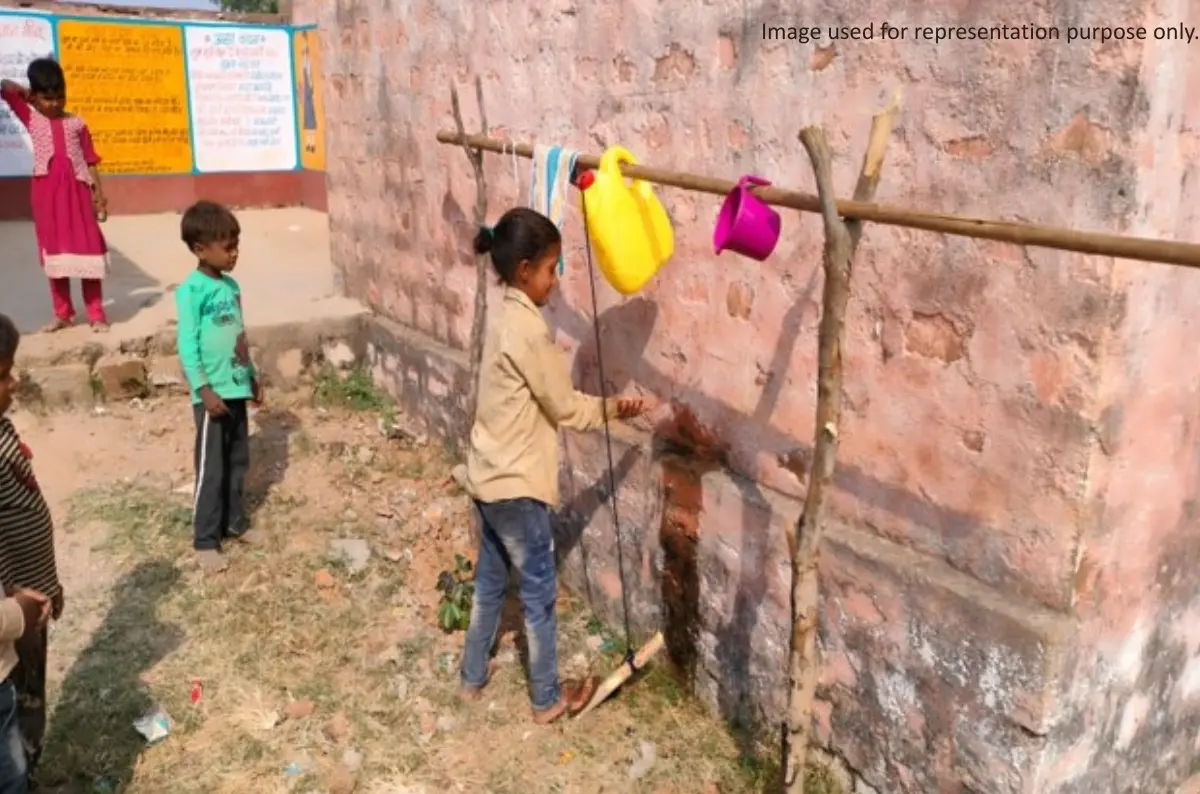
Schools without proper classrooms, sanitation facilities, learning materials, or trained teachers make it harder for children to receive quality education. These challenges are more common in underserved communities.
Also Read: Breaking the Cycle: Education in Rural Areas
The Impact of Education on Children’s Lives and Future Opportunities
Education transforms lives by opening doors to better opportunities, stronger communities, and greater independence.
How Education Helps Break the Cycle of Poverty
Quality education improves employment opportunities and earning potential. It helps children develop skills that support long-term financial stability while creating opportunities for future generations.
Why Education Is Essential for Protecting Child Rights
Education helps children understand their rights, build confidence, and make informed decisions. Schools also create safer environments where children are less vulnerable to exploitation, child labor, child marriage, and other forms of abuse.
Government Initiatives Supporting the Right to Education
In India several measures have been introduced to improve educational access and learning outcomes while strengthening the right to education.
The Right to Education (RTE) Act, 2009
The RTE Act makes free and compulsory elementary education available to children aged 6 to 14 years. It promotes equal access, prohibits discrimination, sets minimum standards for schools, and encourages child-friendly learning environments.
NEP 2020 and Efforts to Improve Access to Quality Education
The National Education Policy (NEP) 2020 focuses on improving learning outcomes, increasing early childhood education, reducing school dropouts, promoting inclusive education, and preparing children with skills needed for the future. It also aims to make education more accessible and flexible for all learners.
How CRY Is Helping Ensure Every Child’s Right to Education
CRY America alongside communities to help more children enroll in and stay in school by addressing the barriers that keep them from learning. Working with trusted local partners, CRY focuses on improving school enrollment, reducing dropouts, encouraging community participation, and supporting children’s overall development.
The organization also works with families, communities, and local authorities to raise awareness about children’s rights and the importance of education. Through these efforts, children who were once out of school or at risk of dropping out have better opportunities to continue their education and build brighter futures. By strengthening education systems at the community level, CRY helps move closer to a future where every child can fully enjoy their right to education.
Give a Child the Right to Learn – Support Their Education Today
What More Needs to Be Done to Make Education Accessible for Every Child
Ensuring every child receives quality education requires continued action. Governments must invest in schools with better infrastructure, qualified teachers, and inclusive learning environments. Communities and families also play an important role by encouraging children to stay in school and supporting their education.
At the same time, greater awareness about children’s rights and stronger implementation of education policies can help ensure that no child is left behind.
Conclusion: Ensuring the Right to Education for Every Child Is a Shared Responsibility
The right to education gives every child the opportunity to build a better future. While progress has been made, many children still face barriers that prevent them from learning. By working together, governments, communities, families, and organizations like CRY can help ensure that every child receives the quality education they deserve.
FAQ
What is the Right to Education (RTE) Act?
The Right to Education (RTE) Act, 2009, makes free and compulsory elementary education available to children between 6 and 14 years of age. It also promotes equal access, sets standards for schools, and supports inclusive education.
Why is the right to education important for every child?
The right to education helps children gain knowledge, develop essential life skills, and improve future opportunities. It also protects children’s rights and supports healthier, stronger communities.
Who is eligible for free education under the Right to Education Act?
Under the RTE Act, children aged 6 to 14 years are entitled to free and compulsory elementary education in India, regardless of their social or economic background.
What are the biggest challenges to ensuring every child’s right to education?
Some of the biggest challenges include poverty, child labor, school dropouts, gender inequality, inadequate school infrastructure, and shortages of qualified teachers, especially in underserved communities.
How does CRY help children access their right to education?
CRY America supports programs that help children enroll in school, reduce dropouts, strengthen community awareness, and improve access to quality education by working with local partners and communities.
Recommended for you