











Across rural India, millions of children attend school every day but still struggle with basic reading and math skills. Many students move from one grade to the next without mastering foundational concepts, creating learning gaps that grow wider over time. Traditional classroom teaching often focuses on grade-level curricula, leaving behind children who are already struggling.
This is where Teaching at the Right Level (TaRL) has emerged as a powerful solution. Rather than teaching children according to their age or grade, this approach focuses on their actual learning level. By helping children build foundational skills first, TaRL has become an important model for improving learning outcomes and strengthening remedial education in rural communities. It is helping children catch up, regain confidence, and reconnect with learning.
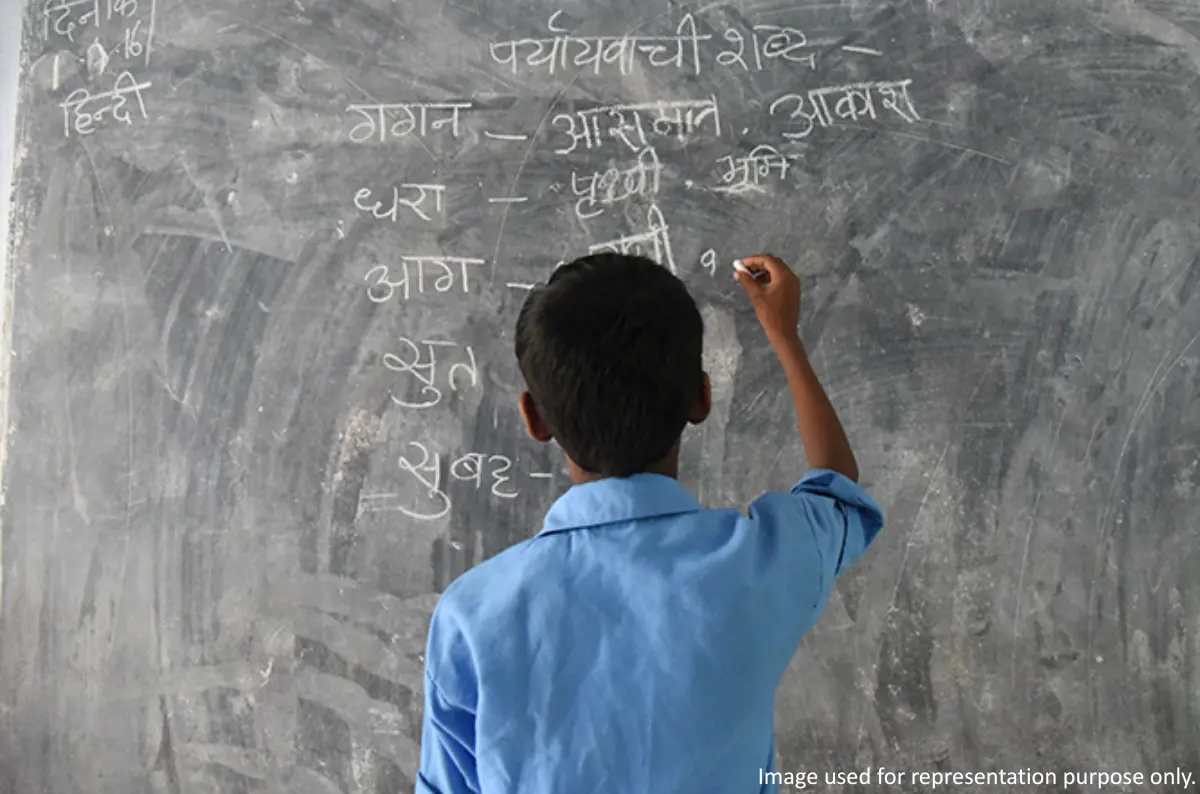
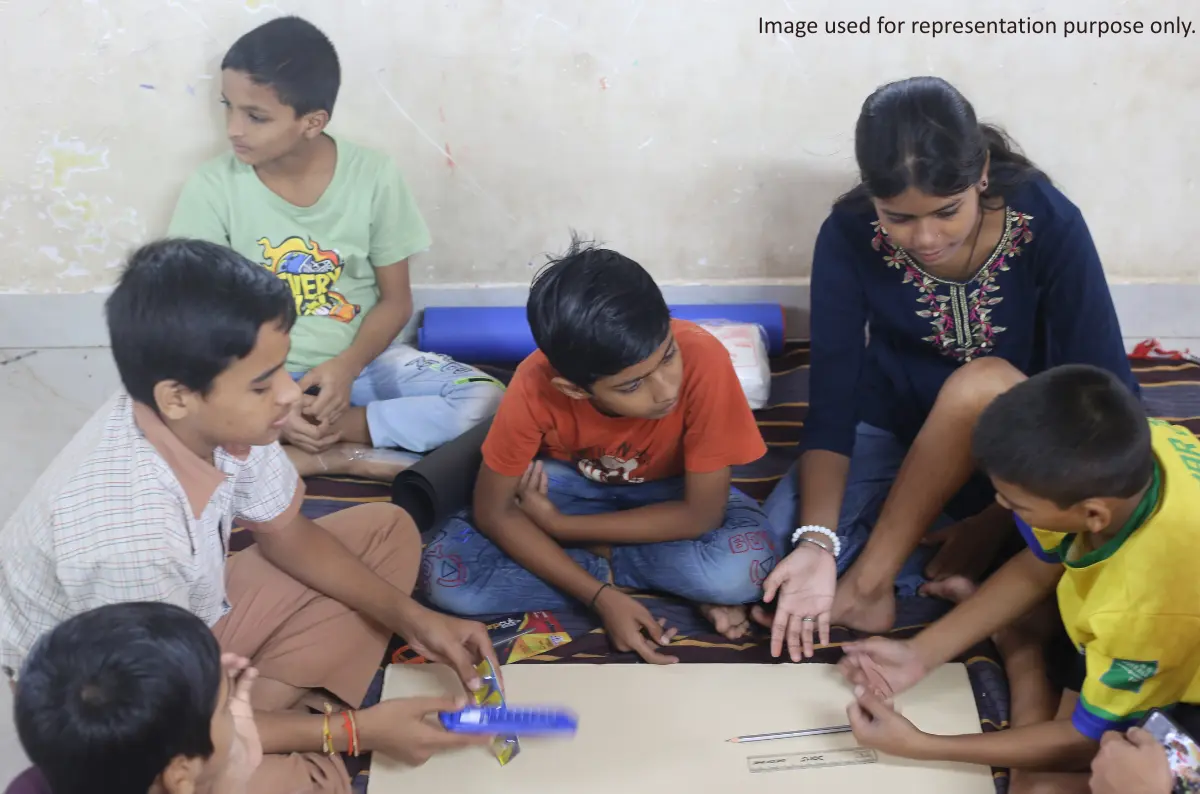
In a single classroom, children may be grouped by reading ability rather than grade level, allowing teachers to focus on what each child is ready to learn next.
Teaching at the Right Level: Transforming Education Through Targeted Learning
TaRL is an educational approach that assesses children’s current learning abilities and groups them according to what they know rather than the grade they are enrolled in.
The model focuses on helping children acquire basic reading and math skills before moving to more advanced concepts. Instead of expecting every child in a classroom to learn at the same pace, TaRL recognizes that children have different learning needs. This targeted approach helps improve learning outcomes faster and ensures that children develop the foundational skills needed for future academic success.
Understanding Remedial Education and Its Role in Indian Schools
Remedial education refers to targeted learning support designed to help children who have fallen behind academically. It focuses on identifying learning gaps and providing additional instruction to help students reach expected competency levels.
In many Indian schools, children progress through grades despite not mastering basic literacy and numeracy skills. Over time, these gaps become larger and more difficult to address. Remedial education helps bridge this gap by providing structured support that meets children where they are in their learning journey.
Teaching at the Right Level is one of the most effective forms of remedial education because it focuses directly on foundational learning. Rather than trying to cover the entire curriculum quickly, it prioritizes essential skills that enable children to learn independently and participate more effectively in classroom activities.
The Learning Crisis in Rural India That Remedial Education Is Trying to Solve
Many rural classrooms face a learning crisis where enrollment rates have improved but learning outcomes remain low. Large numbers of children struggle with basic reading and arithmetic despite spending years in school.
The Growing Gap Between Grade Level and Actual Learning in Rural Classrooms
Many children in higher grades are unable to perform tasks expected at much lower grade levels. This mismatch creates frustration and makes it difficult for students to keep up with classroom instruction.
How Overcrowded Classrooms and Undertrained Teachers Widen the Gap
Teachers often manage classrooms with students who have very different learning abilities. Limited resources and insufficient training can make it challenging to provide individualized support to struggling learners.
Why First-Generation Learners Are the Most Vulnerable
Children whose parents have limited formal education often have fewer opportunities for academic support at home. Without additional help, these students can fall behind early and struggle to catch up.
The Role of Poverty and Irregular Attendance in Poor Learning Outcomes
Economic hardship often affects school attendance and learning continuity. Children who miss classes frequently may find it difficult to develop foundational skills, resulting in persistent learning gaps.
Also Read: Breaking the Cycle: Importance of Education in Rural Areas
How the Teaching at the Right Level Model Works in Practice
The TaRL approach begins with a simple assessment to determine each child’s learning level. Based on the results, children receive targeted instruction designed to strengthen foundational literacy and numeracy skills.
The focus remains on helping children master essential competencies before progressing to more advanced learning objectives.
Grouping Children by Learning Level Rather Than Age or Grade
One of the defining features of TaRL is that children are grouped according to their current abilities rather than their grade level. This allows instruction to be tailored to their specific needs and helps children learn at a pace that matches their understanding.
Activity-Based and Peer Learning Approaches in Remedial Education
Teaching at the Right Level uses engaging activities, games, discussions, and peer learning methods to make learning enjoyable and effective. These approaches encourage active participation and help children gain confidence while developing core skills.
Community Learning Programs: Bringing Education Closer to Children
Community learning programs play an important role in extending educational support beyond traditional classrooms. These programs create safe and accessible spaces where children can continue learning, especially when school-based support is limited.
Community learning programs also encourage parents, local leaders, and volunteers to become active participants in children’s education. This shared responsibility helps create stronger learning environments and improves long-term educational outcomes.
Also Read: NGOs Driving Access to Quality Education in Rural India
How Community Learning Programs Support Out-of-School and At-Risk Children
Community learning programs provide additional support for children who are out of school, at risk of dropping out, or struggling academically. They help children build foundational skills and reconnect with learning opportunities.
The Role of Local Volunteers and Educators in Community Learning
Local volunteers and educators often serve as mentors, facilitators, and role models. Their involvement strengthens community ownership of education and helps create supportive learning environments for children.
How CRY Is Championing Remedial Education and Community Learning Across India
CRY America supports initiatives that help underprivileged children access quality education and improve learning outcomes. Recognizing that many children face significant learning gaps, CRY works with grassroots partners to strengthen educational support systems in underserved communities.
Through remedial education programs, children receive focused academic support that helps them build foundational literacy and numeracy skills. These interventions are designed to address learning gaps early and ensure that children remain engaged in education.
CRY also promotes community learning initiatives that bring educational opportunities closer to children who need them most. By working with families, schools, community members, and local stakeholders, CRY helps create environments where children can learn, grow, and succeed.
Its efforts focus not only on improving academic achievement but also on protecting children’s right to quality education and equal opportunities for development.
Scaling What Works
The success of Teaching at the Right Level demonstrates the importance of targeted learning support. However, reaching every child will require greater investment in teacher training, assessment tools, learning materials, and community engagement.
Schools need systems that regularly assess learning levels and provide timely support to struggling students. Strong partnerships between schools, communities, and organizations can help expand access to remedial education programs.
Scaling community learning initiatives and strengthening foundational learning support can ensure that more children receive the help they need before learning gaps become permanent barriers to success.
Conclusion: Every Child Deserves to Learn at Their Own Level and Reach Their Full Potential
Every child learns differently and deserves support that matches their needs. Teaching at the Right Level has shown that when instruction is aligned with children’s actual learning abilities, meaningful progress becomes possible. Expanding remedial education and community learning efforts can help ensure that every child has the opportunity to learn, thrive, and reach their full potential.
Also Read: The Importance of Early Childhood Care and Education
FAQ’s: Teaching at the Right Level
What is Teaching at the Right Level and how does it work?
Teaching at the Right Level is an educational approach that groups children according to their learning abilities rather than their age or grade. After assessing students’ skills, educators provide targeted instruction focused on foundational literacy and numeracy, helping children close learning gaps and improve learning outcomes.
What is remedial education and who does it benefit most?
Remedial education provides additional academic support to children who have fallen behind in their learning. It is especially beneficial for students with weak foundational skills, first-generation learners, children from disadvantaged communities, and those who have experienced interruptions in their education.
How does CRY use remedial education and community learning programs to support underprivileged children in India?
CRY works with grassroots partners to improve educational opportunities for underprivileged children. Through remedial education programs and community learning initiatives, CRY helps children strengthen foundational skills, improve learning outcomes, stay engaged in school, and access their right to quality education.
Recommended for you