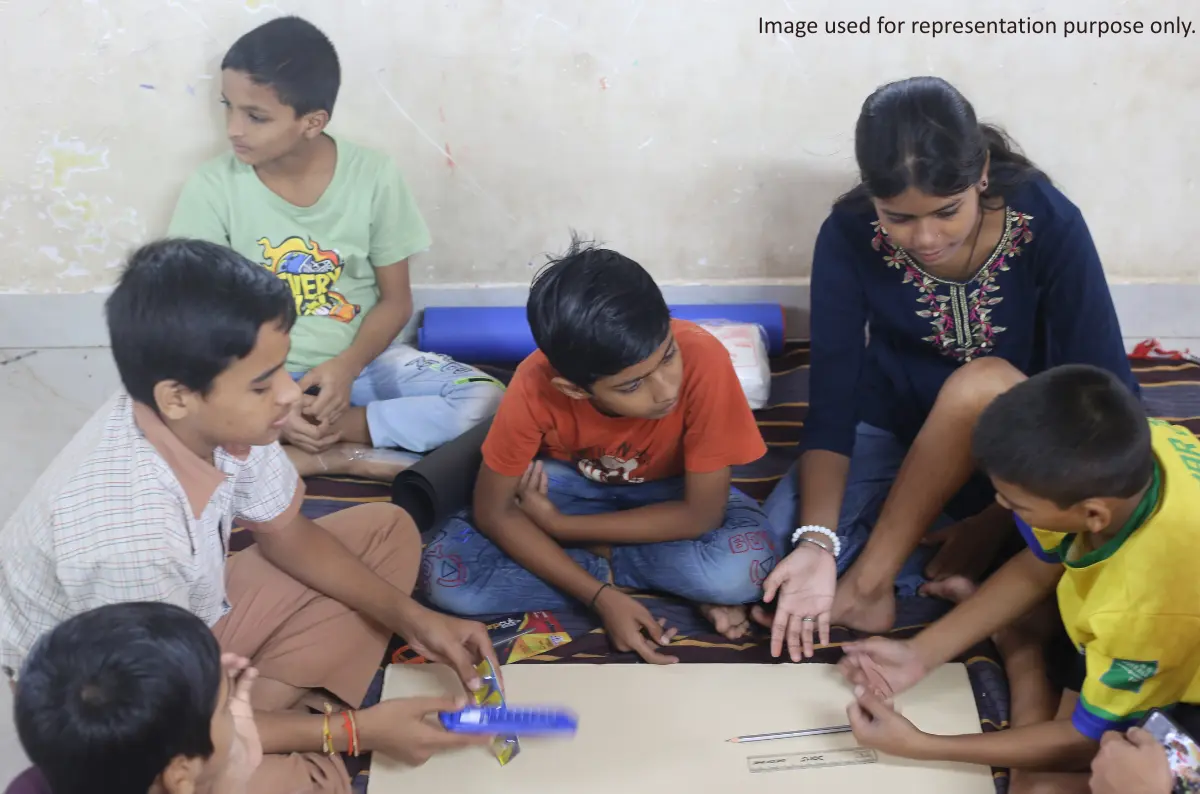












For millions of girls, going to school is about more than attending classes. Her success depends on whether her school has clean toilets, safe drinking water, and proper hygiene facilities. When these basic needs are missing, many girls struggle to attend school regularly or continue their education. This is why WASH in schools is so important. Safe water, proper sanitation, and good hygiene create healthy learning environments where girls can learn with dignity, confidence, and safety. Improving school WASH facilities helps protect children’s health while giving every girl a better chance to stay in school and succeed.
What Is WASH in Schools and Why Is It Important for Girls?
WASH in schools refers to providing safe drinking water, clean toilets, handwashing facilities, and hygiene education within schools. These services help create healthy and inclusive learning environments.
For girls, access to proper school sanitation is especially important. Clean and private toilets, reliable water supply, and hygiene facilities help them attend school comfortably and safely. Schools that prioritize WASH support better health, reduce absenteeism, and create environments where every child can focus on learning.
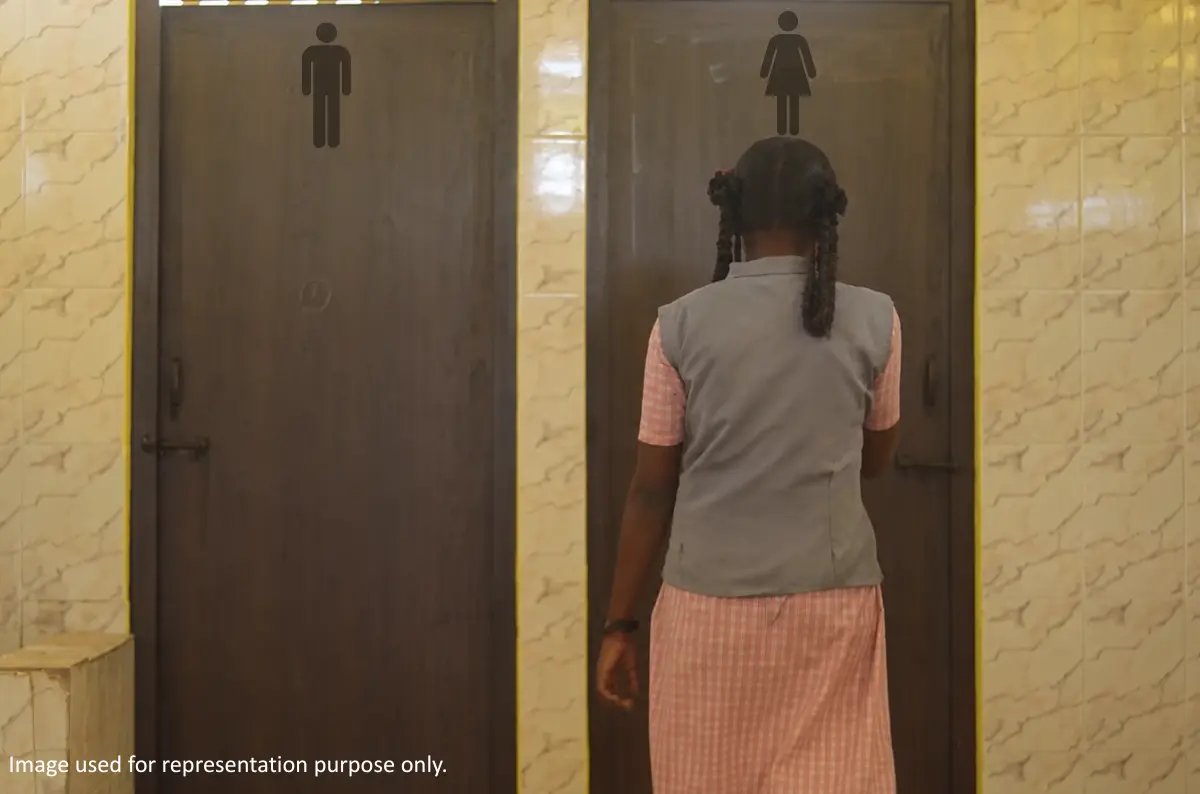
The Link Between WASH and Girls’ Education in India
Good WASH in schools plays a major role in helping girls stay in education. When schools lack clean toilets, safe water, or privacy, girls are more likely to miss classes or leave school altogether. These challenges often become greater during adolescence when access to menstrual-friendly school facilities becomes essential.
Schools with proper sanitation and hygiene facilities create more supportive environments where girls feel safe, respected, and confident. Access to separate toilets, water for washing, and hygiene education helps improve attendance while allowing girls to participate fully in school activities. Better WASH facilities also contribute to healthier students, improved concentration, and stronger educational outcomes.
Also Read: Empowering the Girl Child Through Education
How Poor WASH Facilities Affect Girls’ School Attendance
Inadequate school sanitation can become a major barrier to education, particularly for adolescent girls.
Why Access to Clean Toilets Keeps Girls in School
Clean, private, and functional toilets allow girls to attend school with confidence. Without them, many students may avoid school or miss important learning opportunities.
The Impact of Menstrual Hygiene Management on Education
Menstrual-friendly school facilities help girls manage their periods safely and with dignity. Access to water, private toilets, and hygiene products supports regular attendance and reduces disruptions to learning.
How Unsafe Drinking Water Affects Students’ Health and Learning
Unsafe drinking water increases the risk of illness, dehydration, and infections. Healthy students are more likely to attend school regularly and stay focused in the classroom.
Also Read: Understanding Children’s Right to Health
The Importance of Community and School Participation in WASH
Improving school sanitation requires the combined efforts of schools, families, local communities, and local leaders. Maintaining clean facilities and encouraging healthy hygiene practices are shared responsibilities that benefit every child.
How Teachers and Parents Can Support Better WASH Practices
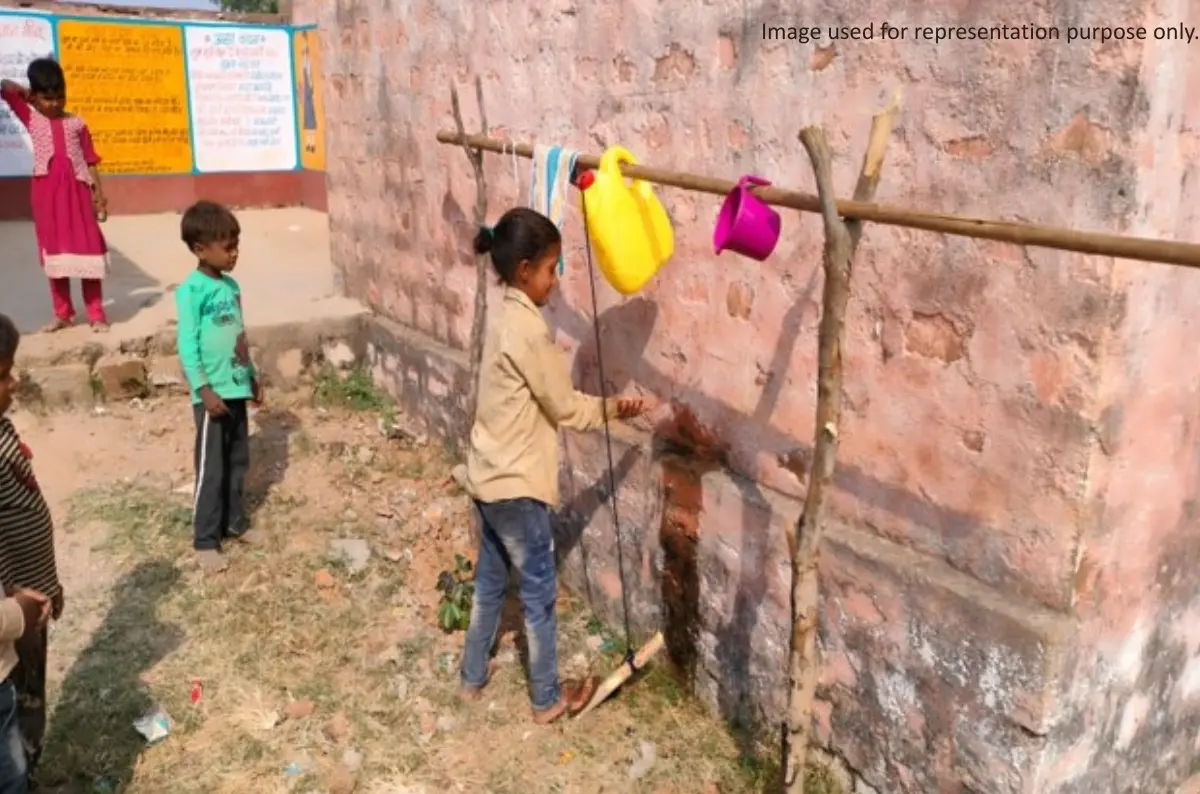
Teachers can include hygiene education in daily learning, while parents can reinforce healthy habits at home. Together, they help children understand the importance of cleanliness, handwashing, and safe sanitation.
Government and Community Initiatives Improving School WASH Facilities
Community participation helps maintain school facilities, encourages hygiene awareness, and supports long-term improvements in school sanitation. Working together creates healthier and more inclusive schools for all children.
Also Read: Protecting Marginalized Girls for a Safer Future
How CRY Is Supporting WASH in Schools Across India
CRY America supports efforts that improve WASH in schools by working with local partners and communities to create healthier learning environments for children. These initiatives help improve access to safe drinking water, better sanitation facilities, hygiene awareness, and healthier school environments that support children’s education.
CRY also works with communities, families, and schools to raise awareness about the importance of hygiene and safe sanitation. By strengthening local systems and promoting children’s well-being, these efforts help more girls stay in school and continue their education with confidence and dignity.
What More Needs to Be Done to Ensure Every Girl Has Access to Safe School WASH Facilities
While progress has been made, many schools still need better sanitation infrastructure and hygiene facilities. Continued investment in clean toilets, reliable water supply, handwashing stations, and hygiene education is essential. Schools, communities, and families must continue working together to ensure every girl has access to safe, private, and inclusive WASH facilities that support her education.
Conclusion: Better WASH Facilities Are Key to Keeping Every Girl in School
Access to safe water, clean toilets, and proper hygiene should never be barriers to education. Strengthening WASH in schools helps girls stay healthy, attend school regularly, and reach their full potential. By working together, we can help create schools where every girl learns in a safe, healthy, and supportive environment.
FAQ
Why is WASH in schools important for girls’ education?
WASH in schools provides clean water, safe toilets, handwashing facilities, and hygiene education. These services help girls stay healthy, attend school consistently, and learn in safe and supportive environments.
How do clean toilets help improve girls’ school attendance?
Access to clean and private school sanitation facilities gives girls the confidence and dignity they need to attend school regularly, especially during adolescence.
What role does menstrual hygiene play in girls’ education?
Menstrual-friendly school facilities help girls manage their periods safely and comfortably. This reduces absenteeism and allows them to participate fully in classroom activities.
How do safe drinking water and hygiene facilities benefit students?
Safe drinking water and hygiene facilities reduce illness, improve overall health, encourage regular attendance, and create better learning environments where students can focus on their education.
How is CRY supporting WASH initiatives in schools across India?
CRY America supports community-based efforts that improve school water, sanitation, and hygiene facilities, promote hygiene awareness, and help create healthier schools where children, especially girls, can continue their education safely.
Recommended for you