











How Climate Change Is Threatening Childhood: The Impact on Vulnerable Communities
A few extra degrees of heat can change much more than the temperature. For a child, it can mean a classroom that becomes too hot to learn in or a journey to school that requires walking through hip-deep water. For a family dependent on farming, it can mean a failed crop and less money for food. For a fishing community, it can mean travelling farther for a catch that used to be found closer to home. None of these climate change effects happen in isolation.
When climate-related disruptions affect the livelihoods and essential services that families depend on, children can experience the consequences through their health, nutrition, education and everyday security.
In today’s blog, let’s understand how climate change impacts underserved childhoods, why marginalized communities are among the most vulnerable to its effects, and how this affects children’s education continuity in India.
How climate change is affecting children's lives in 2026
Climate change is not a distant threat waiting for the future. Children are experiencing its effects today. Research conducted by CRY’s RaKe team in 2026 across climate-vulnerable locations in Tamil Nadu, Andhra Pradesh, Telangana and the Andaman & Nicobar Islands found communities experiencing erratic rainfall, floods, cyclones, heatwaves and, in coastal areas, sea-level rise. Communities described damaged homes and infrastructure, changing agricultural patterns, declining fish stocks, migration, disrupted healthcare and loss of income. And this is where the impact on children becomes more visible.
When a family's livelihood is affected, household income can become less secure. With fewer resources to fall back on, families may face greater food insecurity and have less capacity to manage healthcare and other essential needs. These pressures can increase children's vulnerability to malnutrition and undernutrition, disrupt their education, and increase their risk of child labor and child marriage.
Why vulnerable communities face the greatest risks
The ability to cope with climate-related disruptions is closely linked to the resources available to a family. Communities that depend heavily on agriculture, fishing or other climate-sensitive livelihoods can be particularly affected when these resources become less reliable. When families have limited savings, insecure incomes or inadequate access to essential services, recovering from a climate event becomes harder. Let’s understand why climate change and poverty coexist in marginalized communities:
Extreme heat and rising temperatures
For children in marginalized communities, extreme heat often makes everyday activities like travelling to school physically exhausting and uncomfortable. Prolonged heat often makes it difficult to concentrate in poorly ventilated classrooms, while homes with tin roofs can become unbearably hot. Limited access to safe drinking water, particularly when wells and nearby water sources run low, further increases children’s risk of dehydration and heat-related illness.
Floods, cyclones, and natural disasters
Families living in vulnerable locations and with limited financial resources often have fewer options to protect or rebuild their homes after a disaster. When homes, schools and livelihoods are damaged, children can lose learning materials and identity documents, which can prevent them from accessing healthcare entitlements, while also missing school and facing displacement.
Food insecurity and malnutrition
Marginalized families often depend on climate-sensitive livelihoods such as farming and fishing. When crops fail or fish become harder to find, household incomes and food supplies are affected, leaving children more vulnerable to undernutrition and poor health.
Also Read: What Is Malnutrition
Water scarcity and poor sanitation
Limited access to safe water increases children’s exposure to water-borne diseases and can disrupt school attendance. For girls, water scarcity can be an added barrier during menstruation. When nearby water sources dry up, they may have to walk one to two hours to access water and safe spaces to bathe or change, often resulting in missed school days.
Also Read: How Nutrition and Hygiene Help Prevent Common Childhood Diseases
Climate-Driven displacement and migration
When climate-sensitive livelihoods become unreliable, families with fewer economic alternatives may be forced to migrate for work or safety. For children, this can mean leaving school, losing familiar support systems and facing interrupted access to healthcare and other essential services. These climate change facts show why climate action must also focus on protecting children living in vulnerable communities.
Also Read: How to Stop Child Trafficking: 10 Ways Communities Can Help
How climate change disrupts children’s education
Climate change can disrupt education in ways that extend beyond school closures after floods or cyclones. For children in marginalized communities, the below factors often build on barriers to education that already exist.
School closures after climate disasters
Floods make schools inaccessible or damage school buildings. Cyclones destroy infrastructure. Extreme heat often makes classrooms unsafe, while floods and cyclones force schools to close for extended periods or relocate to temporary shelters. Children lose their books, bags and other learning materials, while disrupted academic calendars make it harder for teachers and students to complete the syllabus. They may fall behind classmates. They may lose confidence. And for a child already struggling with poverty, repeated disruption can make dropping out seem like the only option.
Also Read: Overcoming Barriers to Education for Underprivileged Children
Increased risk of child labor and child marriage
When climate shocks reduce household income, children can become part of the family’s survival strategy. The International Labour Organization’s 2023 report on Child Labour and Climate Change reveals that climate change can affect child labor through several pathways, including increased poverty, changes in agricultural productivity, extreme weather events, climate-driven migration and the destruction of basic services.
The same economic pressures can increase risks of child marriage, particularly for girls rooted in poverty, gender inequality food insecurity.
Also Read: How Education Can Break the Cycle of Child Marriage
Mental health challenges caused by climate anxiety
A child who has lived through a flood may worry when the rain begins again. A child who has been displaced may wonder whether they will have to move again.
UNICEF describes climate or eco-anxiety as involving emotions such as anxiety, sadness, anger and grief in response to climate change. Climate anxiety in children can involve both the immediate shock of climate disasters and the longer-term stress of worrying about whether they will happen again.
Why children are more vulnerable than adults
Children are still growing. Their bodies, immune systems, brains and lungs are developing, making them more sensitive to environmental changes. But their vulnerability is not only biological. Children depend on adults and essential systems for food, healthcare, safe housing, education and protection. When these are disrupted, children have less control over how they respond or recover.
This is why, even within already vulnerable communities, children often face the greatest consequences of climate-related disruptions. Let’s take a closer look:
Health risks and disease outbreaks
Climate change can increase children’s exposure to extreme heat, water-borne diseases and vector-borne diseases such as malaria and dengue. CRY’s 2026 research identified diseases including diarrhoea, dysentery, typhoid, leptospirosis, malaria and dengue. Poor air quality and extreme heat can also worsen respiratory conditions such as bronchitis and asthma.
Limited access to healthcare and essential services
A climate disaster can damage a health centre, block roads or interrupt electricity and water supplies. CRY’s 2026 research found that health facilities were sometimes unable to operate normally during floods, alongside shortages of healthcare staff. One participant described spending more than a day’s income on treatment for a simple fever because the nearest Primary Health Centre was 15 kilometres from their village. For families already living with financial constraints, a disrupted healthcare system can turn a treatable illness into a much bigger crisis.
Also Read: Understanding Children's Right to Health
Climate action that protects every child’s future
Climate action is often discussed in terms of emissions, energy and environmental targets. These are essential. But climate action must also ask a simpler question. What does a child need to remain safe, healthy and in school when the next climate shock comes?
The answer is not one intervention. It means climate-resilient schools that can remain safe during extreme weather. It means reliable water and sanitation. It means healthcare systems prepared for climate-related disease and emergencies. It means social protection that helps families recover without relying on their children for additional income. It means protecting livelihoods so that a failed crop or damaged fishing ground does not become a child’s lost education. It means listening to children themselves. And it means making climate policies child-centred. The climate crisis is not only about the world children will inherit. It is about the childhood they are living in right now.
Conclusion
CRY works with children, families and communities to strengthen their ability to cope with climate-related challenges, while ensuring that children’s rights to health, education, nutrition and protection remain at the centre of climate action. It means protecting their right to a childhood today. Support CRY America to ensure happier and healthier childhoods.
Frequently Asked Questions About Climate Change and Children
How does climate change affect children's health and development?
Climate change affects children through extreme heat, disease, malnutrition, poor air quality, and disrupted healthcare. These climate change effects can hinder physical growth, learning, mental wellbeing, and overall development.
Why are children in vulnerable communities most affected by climate change?
Children in vulnerable communities often lack access to healthcare, nutritious food, safe housing, clean water, and education. Climate change can deepen these inequalities, leaving children more exposed to its impacts.
How does climate change impact children's education?
Climate change can damage schools, disrupt attendance, force families to migrate, and increase child labour and poverty. Extreme weather events can interrupt learning and make it harder for children to stay in school.
How is CRY America helping children affected by climate-related disasters?
CRY America works with communities to protect children during climate-related disasters by supporting access to education, healthcare, nutrition, safe spaces, and essential services while helping families strengthen their resilience.
What can individuals do to protect children from the impacts of climate change?
Individuals can reduce waste, conserve water and energy, support climate action, and help vulnerable families access essential services. Protecting children also means advocating for safe, resilient communities and equitable climate policies.

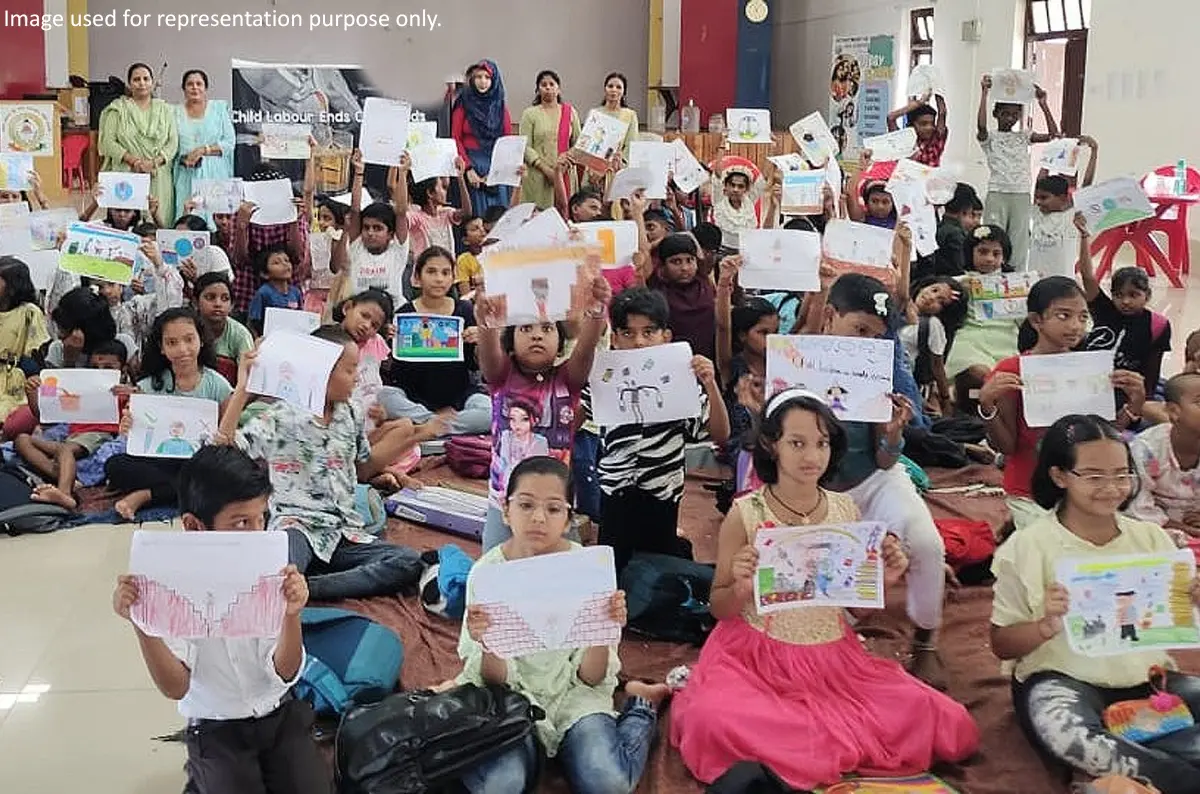
What Happens When One Child Gets Educated: The Ripple Effect Nobody Talks About
In many underserved communities, a child’s day does not begin with school. It begins with work to support the family’s income, early marriage to ease financial pressure, caring for siblings, and stepping into responsibilities far too soon. When survival depends on what a child can contribute today, education often gets pushed aside.
But when even one child is able to stay in school, something begins to shift. It changes how a child sees the world, how a family makes decisions, and how a community begins to grow.
In today’s blog, let’s explore how educating one child creates a ripple effect across families, communities, and generations, and how CRY America is helping this change reach beyond immediate communities.
How education transforms a child's life beyond the classroom
The impact of education is not limited to what happens inside a classroom. It shows up in how children care for themselves and those around them, how they speak up for themselves and others, and how they navigate the world. Let’s understand why education matters for every child:
Better health and well being
Education helps children understand their bodies, rights, and needs. When they stay in school, they gain access to nutrition, basic healthcare, and hygiene awareness, often through safe, supportive spaces. As a result, they are healthier, better nourished, and more aware, building a stronger foundation for their overall growth.
Also Read: Understanding Children’s Right to Health
Greater confidence and life skills
School is often where a child first feels seen and heard. With regular opportunities to read, ask questions, and participate, they begin to build confidence and trust their own voice. Over time, this confidence shapes essential life skills, helping them make informed decisions, face challenges, and stand up for themselves and others.
More career and income opportunities
Education expands what a child can imagine for themselves. Without it, choices are limited and often decided by circumstance. With education, children can pursue skills, careers, and livelihoods that offer stability and dignity. This is where the impact of education becomes visible over time. Higher earning potential leads to better living conditions, access to services, and long term security.
Breaking the cycle of poverty
Children from underserved communities often leave school early to support their families, leading to low paying and unstable work. This cycle continues across generations. Education helps break it. When a child completes schooling, they are more likely to earn steadily, delay early marriage, and invest in their children’s education, shifting the direction away from poverty.
Also Read: How Education Can Transform the Lives of Underprivileged Youth
The ripple effect of educating one child on families and communities
Imagine a community where families are pushed out of the healthcare system because Anganwadis and health centers are too far. Where children are first generation learners who want to study and move out of poverty, but schools are out of reach, or even when they reach them, they lack basic facilities. This is the reality of many underserved communities, where the will exists, but the way forward feels far from possible.
Amidst this, when even one child gets educated, something begins to shift. They learn to question the “why” and demand accountability. That question does not stay with just one child. It spreads to their peers, their families, and the community around them. And when awareness ripples, change begins to multiply, carried forward by many voices instead of one. Let’s see how:
Stronger families and financial stability
An educated child grows into an adult who can contribute more reliably to their household. With better income and awareness, families are able to plan, save, and access government programs and services. Decisions around health, education, and spending become more informed. Over time, this builds financial stability that benefits the entire family.
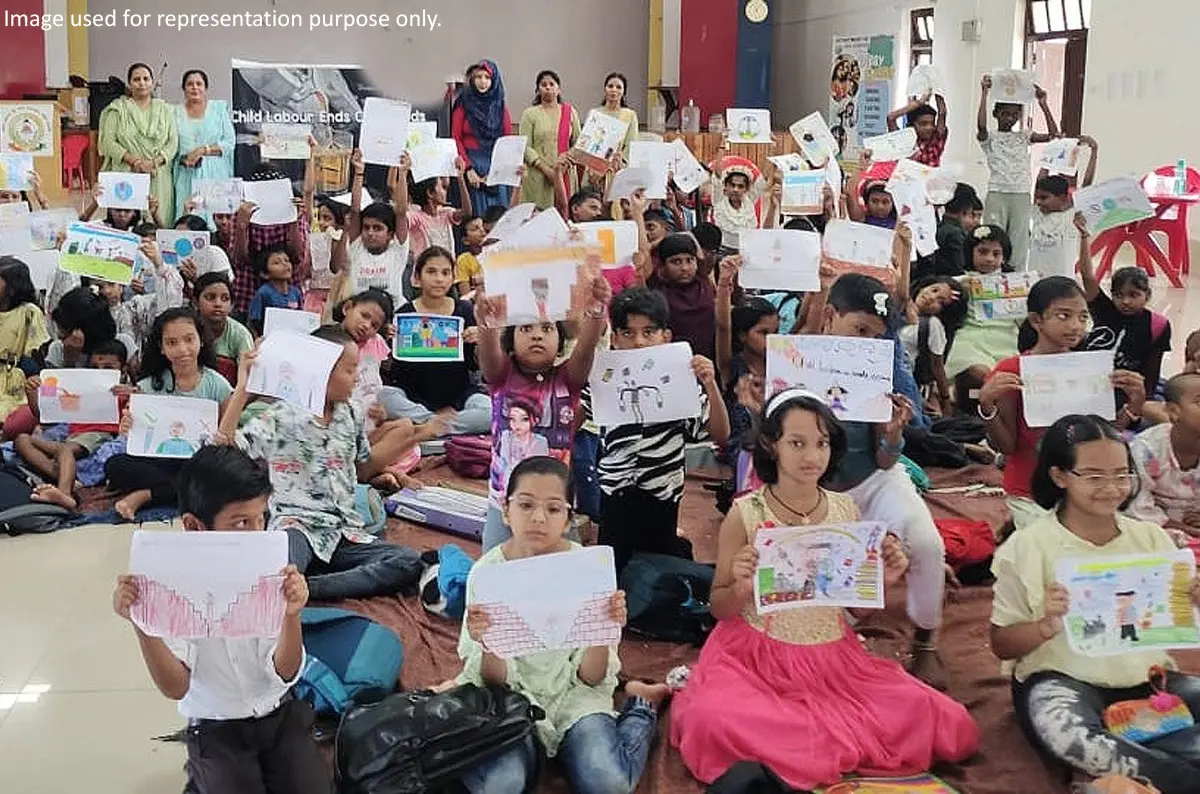
Higher school enrollment for future generations
When children begin to raise their voices, change starts to take shape in visible ways. An amplified collective voice can prevent primary schools from shutting down, lead to their upgradation into secondary and higher education institutions, and even push for new schools to be established closer to where children live. These changes do not just impact one child. They make education more accessible for many.
Similarly, when barriers to education are addressed, the effect multiplies. Building safer roads to school, ensuring access to hostel facilities, arranging school transport, or setting up pad banks for adolescent girls all make it easier for children to continue their education without interruption. As these enablers come into place, more children are able to enroll, stay, and complete their education. What begins as one child’s voice gradually leads to a system that supports many more.
Also Read: Why Parental Involvement Matters for a Child’s Education
Safer and more resilient communities
As more children stay in school, the impact extends beyond education into the community. With greater awareness, children grow into individuals who speak up against child labor, early marriage, and unsafe conditions, influencing those around them. At the same time, improvements like safer roads and better infrastructure create a more secure environment for everyone, leading to communities that are more aware, connected, and better prepared to face challenges together.
Why millions of children still lack access to education
If the benefits of education are so visible, why do millions of children still remain out of school? The answer lies not in a lack of willingness, but in the barriers that stand in the way.
Poverty and financial challenges
For many families, education comes with costs they simply cannot afford. Uniforms, books, transport, and the loss of a child’s contribution to household income make schooling difficult to continue.When survival is uncertain, immediate needs take priority, and education is often the first to be set aside.
Also Read: Overcoming Barriers to Education for Underprivileged Children
Child labor and early school dropouts
Children often enter the workforce not out of choice, but out of necessity. Long working hours, unsafe environments, and constant financial pressure leave little room for learning. What may begin as a temporary arrangement gradually turns into a permanent dropout. This is where the link between education and poverty becomes most visible, each reinforcing the other over time.
Also Read: 8 Ways to Empower Underprivileged Children
Gender inequality and limited access to schools
For many girls, the barriers are even greater. Distance to schools, lack of safe school infrastructure, and deeply rooted social norms often restrict their access to education. They are expected to take on household responsibilities or marry early, cutting their education short.
Without focused support, these challenges continue to limit access to quality education for millions of girls, holding back not just individuals, but entire communities.
Also Read: Empowering the Girl Child Through Education
How CRY America is helping more children access quality education
CRY America’s project teams work by keeping children at the center while strengthening the systems around them. Here, a child is not seen as a mere beneficiary, but as someone who can grow into an advocate, shaping possibilities for a more sustainable future. Let’s look at how this change takes shape.
Preparing children to find their voice
A child’s journey does not end with enrollment or reenrollment. It begins there. CRY supports children through life skills sessions that help them find their voice, build confidence, and begin to dream. These are not just personal dreams, but ones that connect to a larger sense of purpose. In the process, children begin to rebuild their self esteem and believe in their ability to achieve what once felt out of reach.
Change through children’s voices
When facilities are inadequate and children are unable to access their right to education, CRY encourages them to speak up. Children are guided to file petitions and raise their concerns at the right platforms. Whether it is preventing the shutdown of a primary school, pushing for school upgradation, ensuring safer roads, or demanding basic facilities, children begin to lead change at a systemic level.
Ensuring student teacher ratio
In many underserved communities, overcrowded classrooms make it difficult for children to focus and learn. Over time, this leads to disengagement and eventual dropouts. CRY works to ensure that schools meet the required student teacher ratio, because when quality education improves, children are more likely to stay, learn, and thrive.
Strengthening children’s rights through collectives
CRY supports the formation of children’s and adolescents’ collectives, creating safe spaces where they can come together, discuss their challenges, and raise their voices collectively. Whether it is reclaiming their right to play by restoring playgrounds, or supporting peers at crossroads like early marriage or child labor, these collectives help children stand by one another and take informed decisions.
Conclusion
Change does not always arrive all at once. In communities where the will exists but the way feels distant, education becomes that first step forward. And when one child is able to take that step, it begins to open the path for many others. Support CRY America in helping create these pathways, so more children can access the opportunity to learn, grow, and move toward a better future.
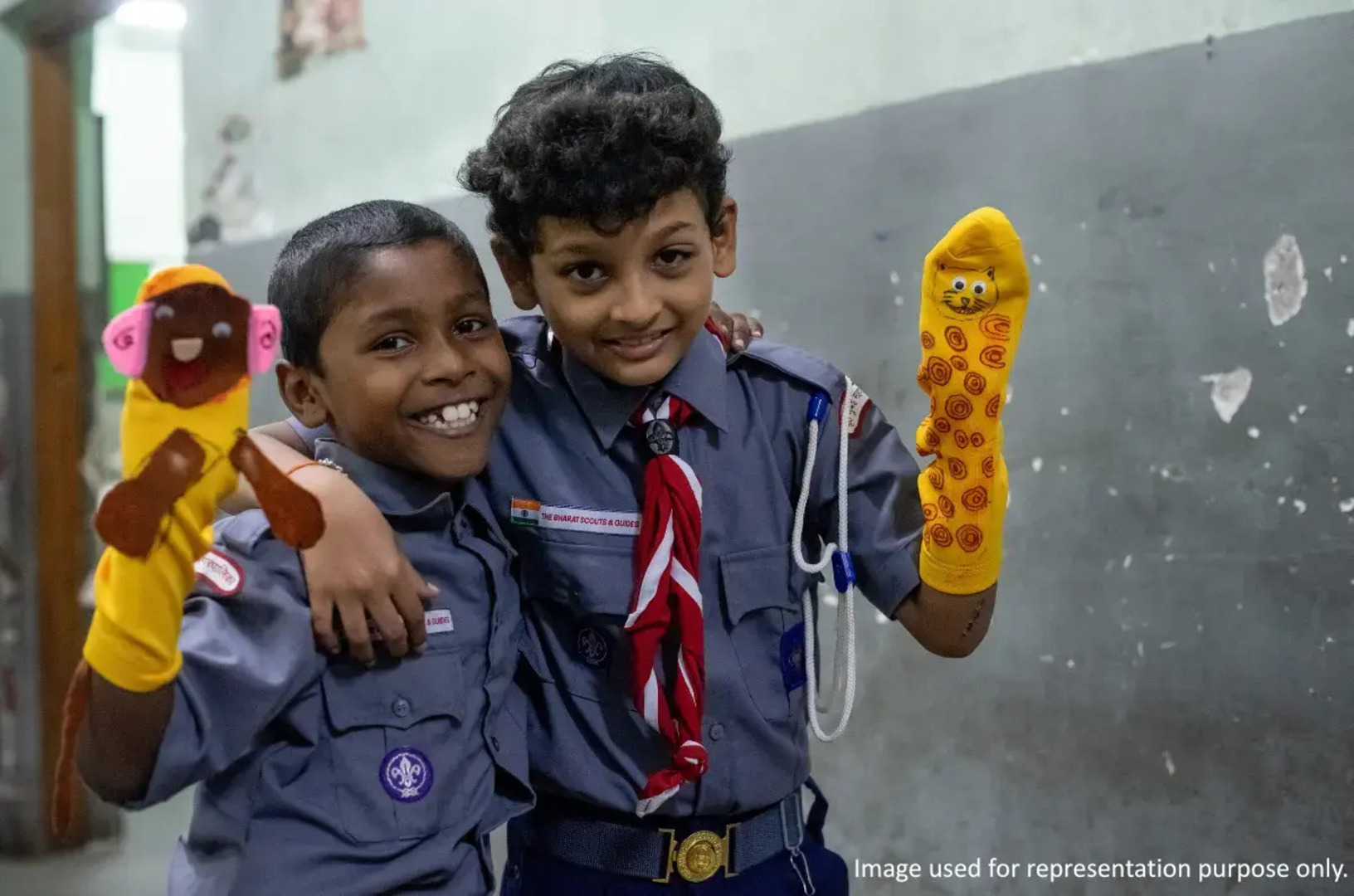
Why Every Child Still Doesn't Have Basic Rights in 2026
Every child deserves a safe home, nutritious food, quality education, healthcare, and the opportunity to grow up with dignity. These are not privileges. They are fundamental rights that support healthy child development and allow children to reach their full potential.
Yet, in 2026, millions of children continue to be denied these basic rights. Poverty, child labor, gender discrimination, limited access to education, and inadequate healthcare still prevent many children from experiencing a safe and healthy childhood. While governments, communities, and organizations have made important progress, much work remains. Organizations like CRY continue to work alongside communities to ensure that every child has the opportunity to survive, learn, and thrive.
What Are Basic Child Rights and Why Are They Important?
Basic child rights are the essential rights that every child is entitled to from birth, regardless of their gender, religion, caste, economic background, or where they live. These rights include access to healthcare, education, nutrition, protection, identity, and participation in decisions that affect their lives.
These rights are the foundation of healthy child development. A child who grows up in a safe environment with access to education and healthcare is more likely to stay healthy, complete school, develop confidence, and build a better future.
Children also have the right to protection from exploitation, including child labor, trafficking, and forced marriage. They also have the right to be protected from abuse, neglect, violence, and all forms of harm. Protecting these rights allows children to experience the childhood they deserve.
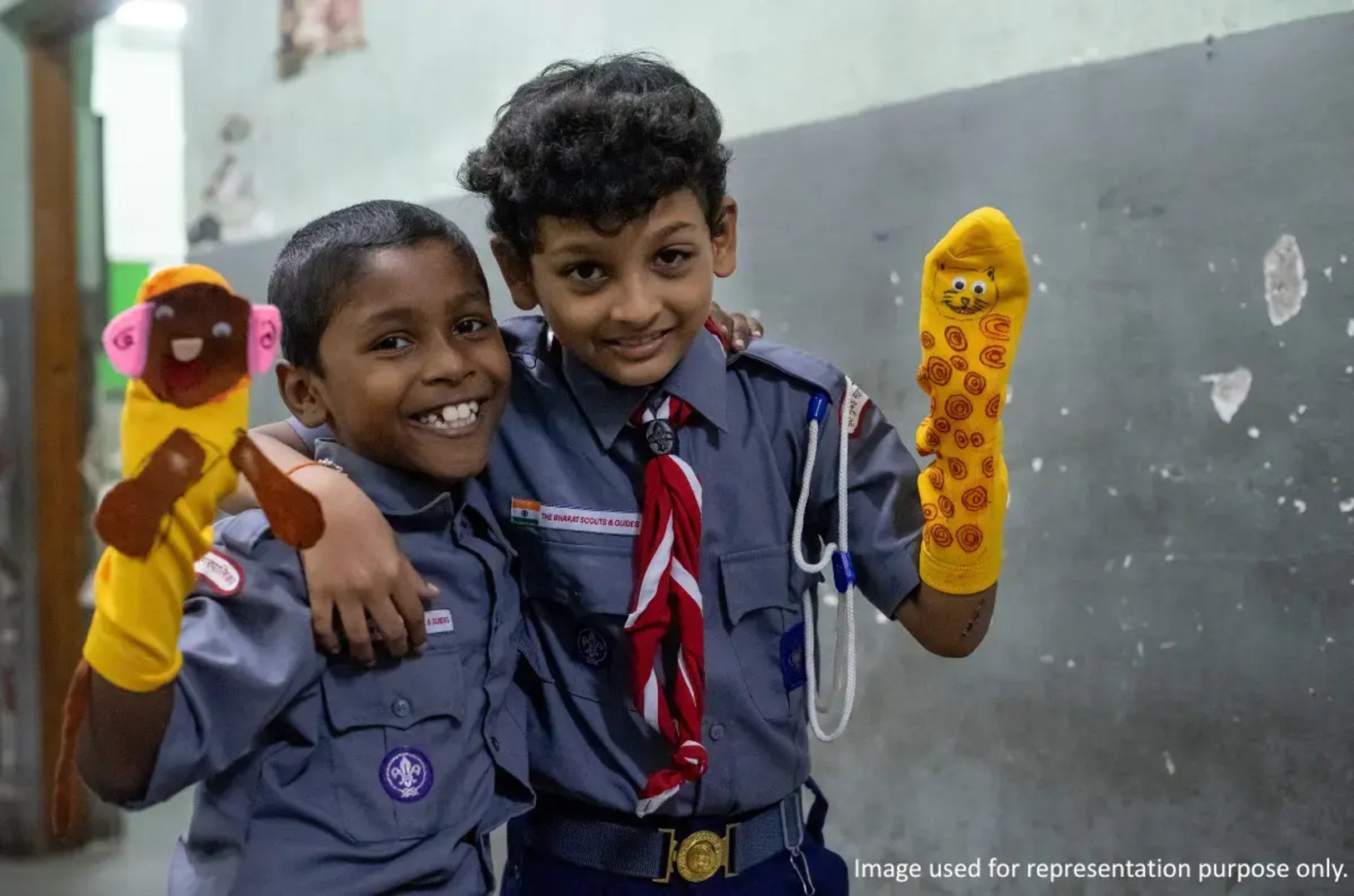
Why Are Millions of Children Still Deprived of Their Basic Rights?
Although child rights are recognized globally and protected by laws in many countries, millions of children continue to face daily challenges that prevent them from accessing these rights. Multiple social and economic factors often work together, making it difficult for children to break free from disadvantage.
-
Poverty and Financial Hardship
Poverty remains one of the biggest barriers to child development. Families struggling to meet their daily needs often cannot afford education, nutritious food, healthcare, or safe housing. As a result, children are more likely to leave school and begin working at an early age.
Also Read: https://www.cryamerica.org/blogs/how-poverty-affects-childrens-mental-health/
-
Limited Access to Quality Education
Many children, particularly those living in rural and underserved communities, still lack access to quality schools, trained teachers, and proper learning resources. Without education, children lose opportunities to build skills that can improve their future.
Also Read: https://www.cryamerica.org/blogs/overcoming-barriers-to-education-for-underprivileged-children/
-
Child Labor and Exploitation
Child labor continues to affect millions of children worldwide. Instead of attending school, many children work in hazardous conditions that put their health and safety at risk. Every child has the right to protection from exploitation, and no child should be forced to work at the cost of their education and childhood.
Also Read: https://www.cryamerica.org/blogs/understanding-indias-child-labor-laws/
-
Gender Inequality and Discrimination
Girls often face additional barriers to education, healthcare, nutrition, and safety. In many communities, harmful social norms, early marriage, and discrimination continue to limit opportunities for girls, affecting their overall child development and future independence.
Also Read: https://www.cryamerica.org/blogs/what-is-gender-inequality/
The Impact of Denying Children Their Basic Rights
When children are denied their basic rights, the consequences extend far beyond childhood. The effects can continue throughout their lives and impact entire communities.
-
Poor Health and Nutrition Outcomes
Children without access to nutritious food, clean drinking water, healthcare, and immunization are more likely to experience illness, malnutrition, and developmental delays. Poor health during childhood can affect physical growth, cognitive abilities, and emotional well-being, making healthy child development more difficult.
Also Read: https://www.cryamerica.org/blogs/anemia-in-rural-children-a-health-problem-we-cant-ignore/
-
Lost Learning and Future Opportunities
Children who miss school because of poverty, child labor, or discrimination often struggle to find stable employment later in life. Limited education reduces earning potential and restricts opportunities for personal and professional growth.
-
The Cycle of Poverty Across Generations
When children grow up without education, healthcare, or protection, they are more likely to remain trapped in poverty as adults. This cycle often continues across generations, making it harder for families to improve their living conditions.
Also Read: https://www.cryamerica.org/blogs/breaking-the-cycle-importance-of-education-in-rural-areas/
Global Efforts to Protect Children's Rights
Governments, international organizations, and civil society groups work together to strengthen child protection systems and improve children's well-being worldwide.
-
The UN Convention on the Rights of the Child (UNCRC)
Adopted in 1989, the United Nations Convention on the Rights of the Child (UNCRC) is the world's most widely accepted human rights treaty focused on children. It recognizes children's rights to survival, development, protection, and participation while encouraging governments to protect these rights through national laws and policies.
-
Sustainable Development Goals (SDGs) and Child Protection
The United Nations Sustainable Development Goals support children's well-being by focusing on ending poverty, improving education, promoting gender equality, reducing inequality, and ensuring good health. Achieving these goals helps strengthen child development and creates safer environments for children worldwide.
How CRY Is Helping Children Access Their Basic Rights
CRY has worked to ensure that every child has access to education, healthcare, nutrition, safety, and protection. Rather than providing only short-term support, the organization works with communities, local governments, schools, healthcare providers, and grassroots organizations to create lasting change.
CRY America helps children enroll and stay in school, improves access to healthcare services, strengthens child protection systems, and works to prevent child labor and child marriage. The organization also raises awareness among families and communities about every child's right to protection from exploitation and right to be protected from abuse.
By addressing the root causes of inequality and empowering communities, CRY helps create sustainable improvements that support long-term child development and ensure children can grow up healthy, educated, and safe.
How You Can Help Ensure Every Child Grows Up Safe, Healthy, and Educated
Protecting children's rights requires collective action. Every individual can play a role in improving children's lives.
You can support organizations working for children's welfare, raise awareness about child rights, encourage education within your community, report cases of child labor or abuse, and advocate for stronger child protection policies. Supporting efforts that promote child development also helps ensure that children receive the opportunities they deserve.
Together, these actions can help create safer communities where every child is protected, respected, and given the chance to succeed.
Conclusion: Protecting Every Child's Rights Starts with Collective Action
Every child deserves a childhood filled with learning, safety, good health, and opportunity. Protecting every child's right to protection from exploitation and the right to be protected from abuse is essential for creating a future where all children can thrive. When governments, communities, organizations, and individuals work together, lasting change becomes possible, and every child has a better chance to reach their full potential.
FAQs
What are the basic rights every child should have?
Every child has the right to education, healthcare, nutrition, protection, identity, participation, and a safe environment. These rights support healthy child development and help children reach their full potential.
Why are many children still deprived of their basic rights?
Poverty, lack of quality education, limited healthcare, discrimination, child labor, and social inequality continue to prevent millions of children from accessing their basic rights and opportunities.
How do poverty and child labor affect children's rights?
Poverty often forces children to leave school and work to support their families. This violates their right to protection from exploitation, affects their education, health, and limits future opportunities.
What role does education play in protecting child rights?
Education helps children gain knowledge, confidence, and life skills. It reduces the risk of child labor, early marriage, and exploitation while supporting lifelong child development and economic independence.
How is CRY helping children access their basic rights?
CRY works with communities, government agencies, schools, and local partners to improve access to education, healthcare, nutrition, and child protection. The organization also promotes every child's right to be protected from abuse and helps create sustainable, long-term change for vulnerable children.
What Are Child Rights? Understanding Every Child's Fundamental Rights
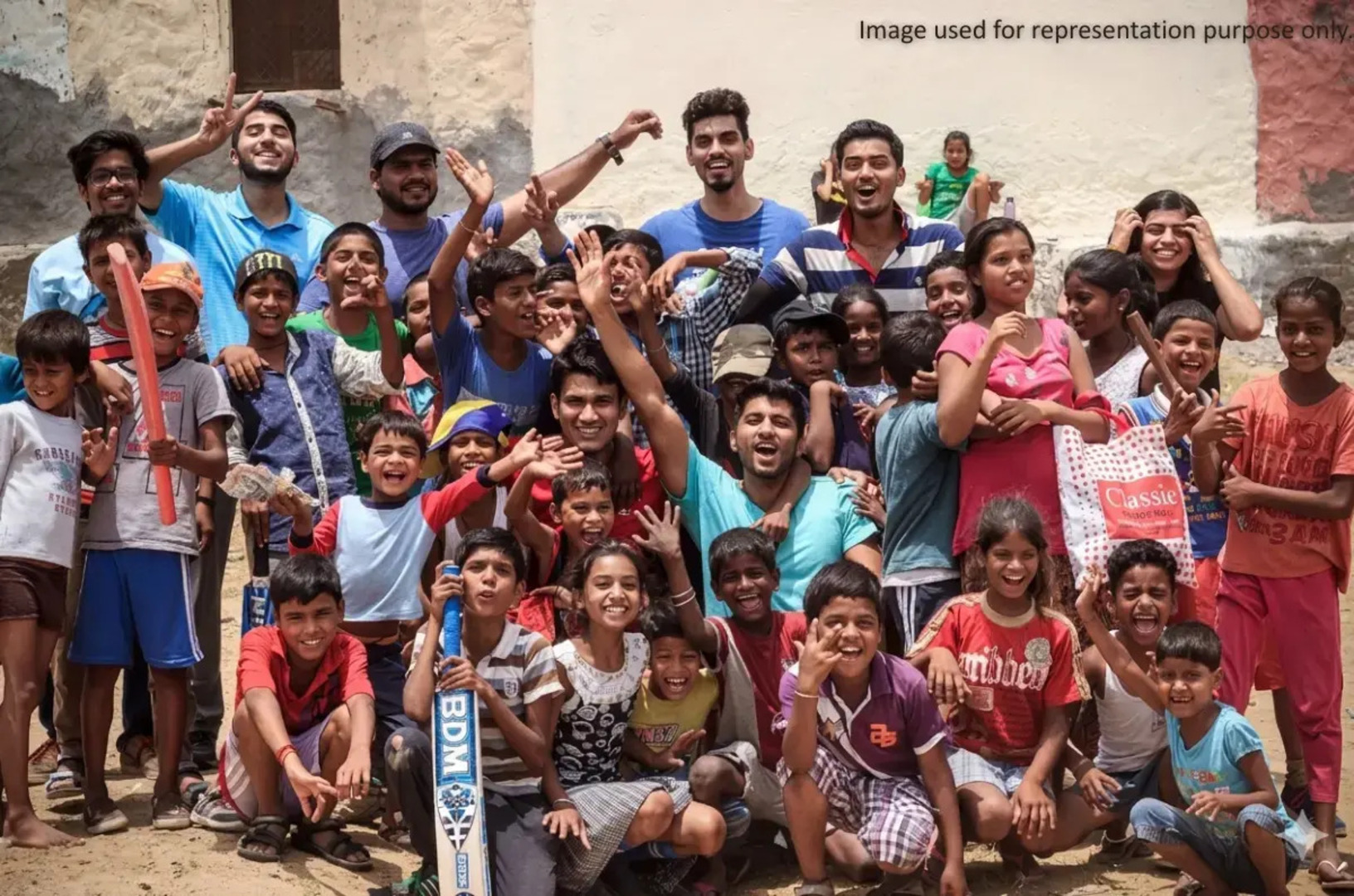
Every child deserves a safe childhood, quality education, good health, and the opportunity to reach their full potential. These are not privileges that depend on where a child is born or the circumstances of their family. They are basic child rights that belong to every child from birth.
Yet, millions of children around the world continue to face poverty, child labor, discrimination, violence, and limited access to education and healthcare. When these essential rights are denied, children lose opportunities that shape their future and the future of their communities.
Understanding children's rights to protection, education, health, and participation helps create greater awareness and encourages collective action. Organizations like CRY America work to ensure that every child can enjoy these fundamental freedoms by addressing the root causes that prevent children from accessing their rights as children.
What Are Child Rights and Why Do They Matter?
Child rights are the basic human rights that every child is entitled to, regardless of their gender, religion, nationality, caste, economic background, or ability. These rights ensure that children can survive, grow, learn, and live with dignity.
Protecting children's rights is essential because childhood lays the foundation for lifelong health, education, confidence, and opportunity. When children receive proper nutrition, education, healthcare, and protection, they are more likely to become healthy, independent adults who contribute positively to society.
When the rights of children are ignored, children often face challenges that affect their education, health, employment, and overall well-being.
What Are the Fundamental Rights Every Child Deserves?
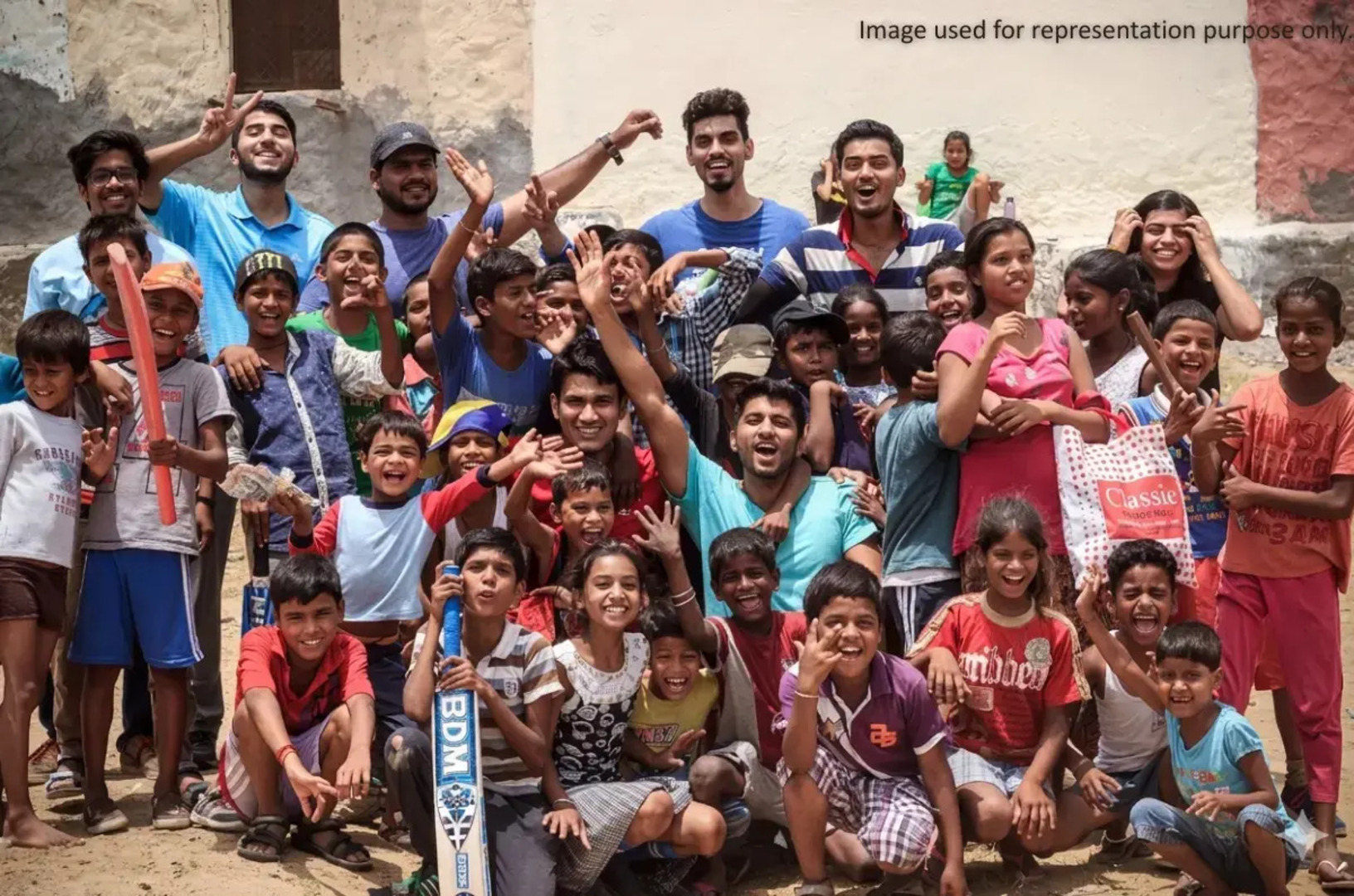
Every child has several fundamental rights that support healthy growth and development.
-
The Right to Survival and Healthy Development
Every child has the right to life, proper nutrition, clean drinking water, healthcare, shelter, and a healthy environment. These basic child rights help children grow physically, emotionally, and mentally while reducing preventable illness and malnutrition.
Also Read: https://www.cryamerica.org/blogs/childrens-right-to-health-in-india/
-
The Right to Quality Education
Education is one of the most powerful children's rights because it opens doors to better opportunities. Every child deserves access to free, safe, and quality education that allows them to develop knowledge, confidence, and life skills.
Also Read: https://www.cryamerica.org/blogs/the-importance-of-early-childhood-care-and-education/
-
The Right to Protection from Abuse, Exploitation, and Child Labor
Children must be protected from violence, abuse, trafficking, neglect, child marriage, and child labor. Safeguarding the rights of children allows children to grow in safe environments without fear or exploitation.
Also Read: https://www.cryamerica.org/blogs/understanding-child-protection-laws-principles-and-practices/
-
The Right to Participation and Being Heard
Children have the right to express their opinions on matters that affect their lives. Listening to children and respecting their views helps build confidence while encouraging responsible participation within families, schools, and communities.
Why Are Child Rights Still Denied to Millions of Children?
Despite international laws and national policies, many children continue to face barriers that prevent them from enjoying their basic rights.
-
Poverty and Economic Inequality
Poverty remains one of the biggest reasons why many families struggle to provide education, healthcare, nutrition, and safe living conditions for their children. Financial hardship often forces children to leave school and begin working at an early age, limiting their future opportunities and denying many essential child rights.
Also Read: https://www.cryamerica.org/blogs/how-poverty-affects-childrens-mental-health/
-
Limited Access to Education and Healthcare
Many children living in rural and underserved communities still lack access to quality schools, trained teachers, healthcare facilities, vaccinations, and nutritious meals. Without these essential services, children's rights to healthy development and education cannot be fully realized.
-
Child Labor, Child Marriage, and Exploitation
Child labor, early marriage, trafficking, and various forms of abuse continue to affect millions of children worldwide. These practices violate the fundamental rights of children and prevent children from experiencing a safe and fulfilling childhood.
Also Read: https://www.cryamerica.org/blogs/how-education-can-break-the-cycle-of-child-marriage/
The Global Commitment to Protect Children’s Rights
Governments, international organizations, and civil society groups work together to promote and protect children's rights through global agreements and development goals.
-
The UN Convention on the Rights of the Child (UNCRC)
The United Nations Convention on the Rights of the Child (UNCRC), adopted in 1989, is the world's most widely accepted human rights treaty focused on children. It recognizes every child's rights to survival, development, protection, and participation while encouraging governments to safeguard these rights through laws and policies.
-
Sustainable Development Goals (SDGs) and Child Rights
Many of the United Nations Sustainable Development Goals directly support child rights, including ending poverty, ensuring quality education, improving health, achieving gender equality, and reducing inequality. Progress toward these goals creates better opportunities for children and strengthens communities around the world.
How CRY Is Protecting Children's Rights and Creating Lasting Change
CRY has worked to ensure that every child enjoys their basic rights. Rather than providing temporary solutions, the organization focuses on building long-term, sustainable change by working closely with local communities, government agencies, schools, healthcare systems, and grassroots partners.
CRY helps children enroll in school, improves access to healthcare and nutrition, works to prevent child labor and child marriage, and strengthens child protection systems. It also empowers communities to understand and uphold children's rights through awareness, advocacy, and community participation.
By addressing the underlying causes of inequality, CRY helps create lasting improvements that allow children to grow up healthy, educated, protected, and confident.
How You Can Help Protect Every Child's Rights
Protecting child rights is a shared responsibility. Every individual can contribute to creating a safer and more equal future for children.
You can support organizations working to improve children's lives, raise awareness about child protection issues, encourage education within your community, report cases of child abuse or child labor, and advocate for policies that protect the rights of children.
Even small actions can make a meaningful difference when communities come together to support every child's future.
Conclusion: Every Child Deserves Safety, Education, Opportunity, and a Voice
Every child deserves the chance to learn, grow, stay healthy, and live free from fear. Protecting child rights is not only about improving individual lives but also about building stronger families, communities, and nations. By working together, we can help ensure that every child enjoys the opportunities they deserve and grows up with dignity, hope, and a brighter future.
FAQs
What are child rights, and why are they important?
Child rights are the basic human rights that belong to every child. They ensure children have access to education, healthcare, protection, nutrition, and opportunities to participate in decisions that affect their lives. Protecting these rights helps children grow into healthy and confident adults.
What are the four fundamental categories of child rights?
The four main categories include the right to survival, the right to development, the right to protection, and the right to participation. Together, these ensure children can live safely, learn, stay healthy, and express their views.
What is the UN Convention on the Rights of the Child (UNCRC)?
The UNCRC is an international treaty adopted by the United Nations in 1989. It recognizes the rights of children and encourages governments to protect children's health, education, safety, and overall well-being through laws and public policies.
Why are millions of children still denied their basic rights?
Many children continue to face poverty, discrimination, limited access to education and healthcare, child labor, child marriage, conflict, and exploitation. These challenges prevent them from enjoying their full children's rights and reaching their potential.
How can individuals help protect and promote child rights?
People can support organizations like CRY, spread awareness, report child abuse or child labor, encourage education, volunteer, and advocate for stronger child protection policies. Every action contributes to protecting the rights of children and creating a better future for children.
Independence Day 2026: True Freedom Means Ending Child Labor
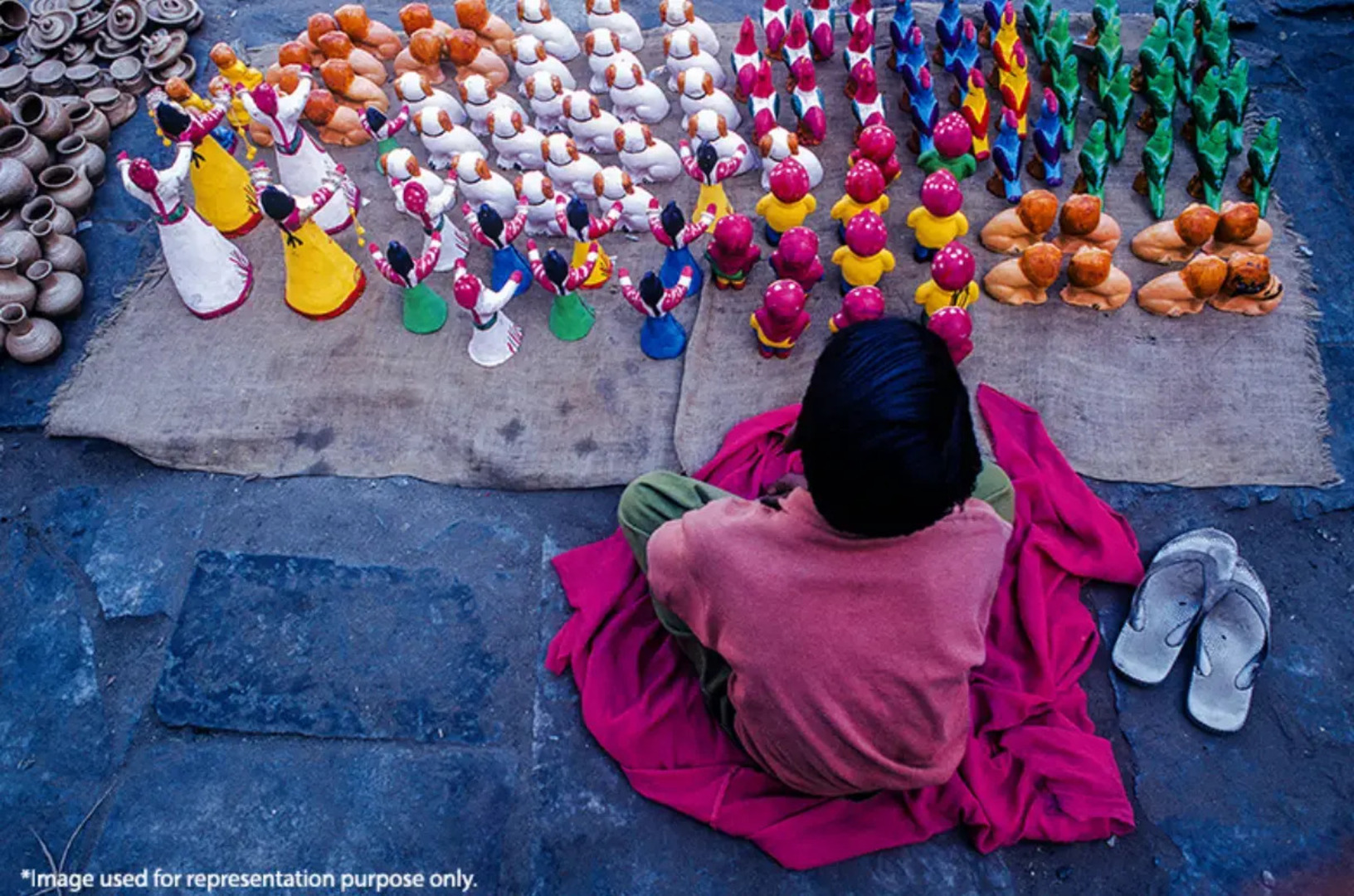
Every Independence Day, we celebrate the freedom won through courage, immense sacrifice, and hope. Yet, millions of children are still trapped in child labor, deprived of education, safety, and the chance to dream. True freedom means protecting child rights and ensuring every child can learn and thrive. This Independence Day, let us help create a future where every child enjoys the freedom they deserve.
What Does True Freedom Mean for Every Child?
For a child, freedom means far more than political independence. For every child, freedom means the ability to learn, ask questions, play safely, express themselves, and build a future based on opportunity rather than survival.
Children deserve classrooms instead of workplaces, books instead of tools, and encouragement instead of exploitation. Education allows children to develop confidence, creativity, and critical thinking while preparing them to become informed citizens who contribute positively to society. When every child enjoys these freedoms, nations become stronger, healthier, and more prosperous. Protecting child rights is therefore essential.
Also Read: https://www.cryamerica.org/blogs/access-to-education/
Why Millions of Children Are Still Trapped in Child Labor in 2026
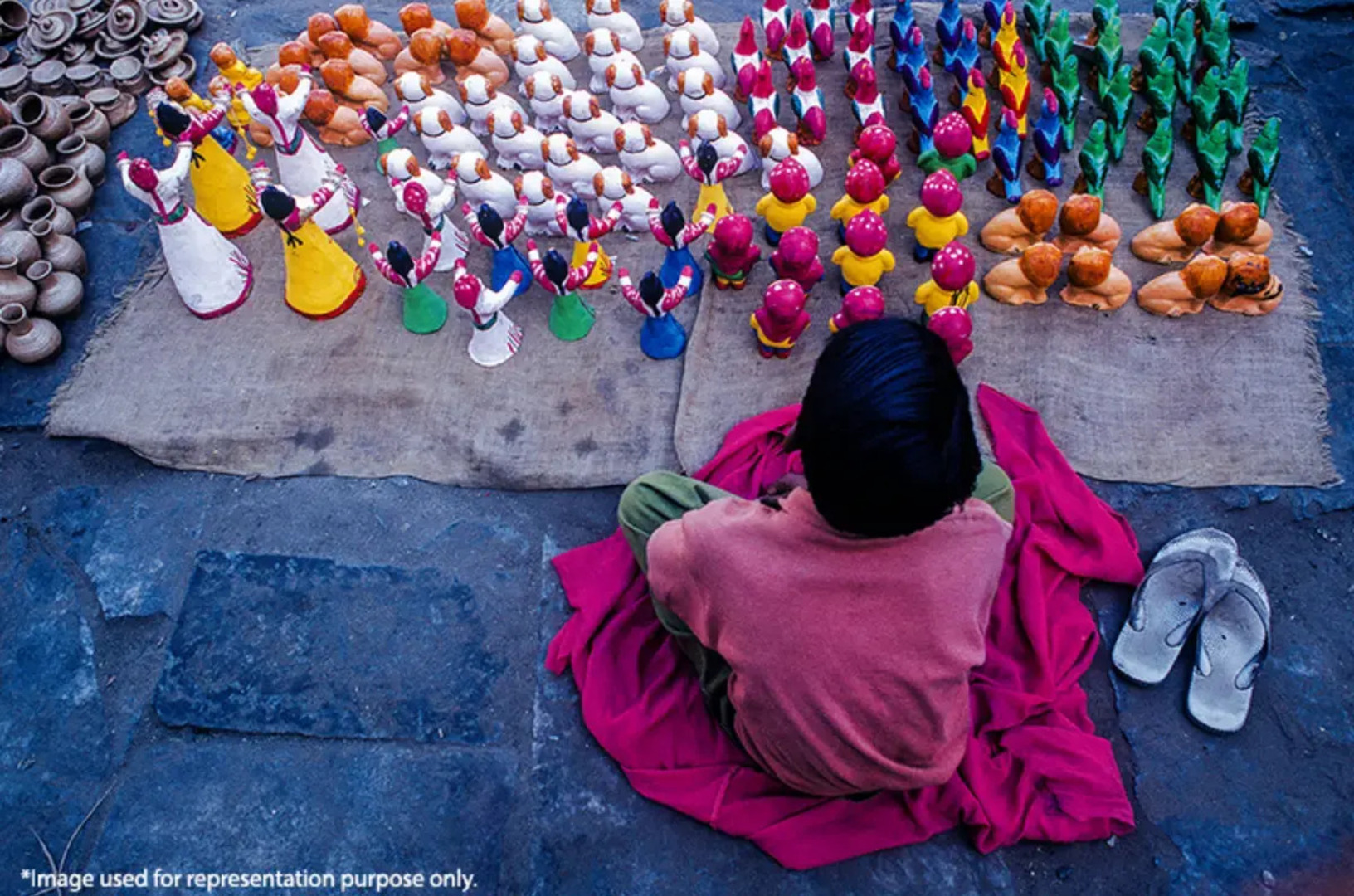
Despite international commitments and stronger legal protections, child labor continues to affect millions of children across the world. According to global estimates, between 138 million to 160 million children remain engaged in work that interferes with their education, health, safety, and overall development.
Several interconnected factors continue to drive this global challenge.
Poverty and Financial Hardship
Poverty remains one of the leading causes of child labour. Families facing financial hardship often depend on their children's earnings to meet basic needs such as food, housing, healthcare, or debt repayments. Unexpected events like unemployment, crop failures, or medical emergencies can force children to work instead of continuing their education.
Lack of Access to Quality Education
When schools are unavailable, too far away, poorly equipped, or financially inaccessible, children are far more likely to enter the workforce instead of the classroom.
Also Read: https://www.cryamerica.org/blogs/the-right-to-education/
Gender Inequality and Social Barriers
Girls often face additional responsibilities such as household work, caregiving, and early marriage. These pressures often force them to leave school and take up unpaid domestic work or income-generating activities, increasing their risk of child labour, exploitation, and lifelong economic disadvantage.
How Child Labor Steals Childhood and Future Opportunities
Missing Out on Education
Children involved in child labor often miss school entirely or attend irregularly, making it difficult to keep up academically. Without education, they have fewer employment opportunities as adults and remain vulnerable to low-paying, unstable work.
The loss extends beyond literacy and numeracy. Education nurtures confidence, curiosity, leadership, and problem-solving skills that allow children to shape their own futures.
Physical and Mental Health Risks
Many working children are exposed to hazardous environments, dangerous machinery, toxic chemicals, long working hours, and emotional stress. These conditions can result in injuries, chronic health problems, anxiety, and trauma that affect them throughout their lives.
The Long-Term Cycle of Poverty
Without education and skills, children who work are more likely to become adults living in poverty. Their own children may then face similar circumstances, creating a cycle that continues across generations.
Why Education Is the Key to Ending Child Labor
Education is one of the most effective and sustainable solutions to child labor. Every year a child remains in school increases their opportunities for better employment, improved health, and greater economic independence.
Schools provide children with knowledge, confidence, protection, and hope while giving families a pathway toward long-term stability.
Also Read: https://www.cryamerica.org/blogs/what-happens-when-one-child-gets-educated/
Keeping Children in School
Providing access to quality education, learning support, school supplies, and safe learning environments helps children stay enrolled and reduces the likelihood that they will enter the workforce prematurely.
Empowering Families Through Education
When parents understand the long-term value of education and receive community support, they are more likely to prioritize school attendance over child labor. Awareness programs, livelihood support, and social protection initiatives help reduce the financial pressures that place children at risk.
Building Stronger Communities for Future Generations
Communities play a critical role in protecting children. Schools, parents, local leaders, teachers, and child protection groups can work together to identify children at risk, encourage school enrollment, and promote awareness of child rights.
Also Read: https://www.cryamerica.org/blogs/ngos-driving-access-to-quality-education-rural-india/
At CRY, community-centered programs help ensure that children remain in school while addressing the underlying causes of child labor. Through awareness campaigns, learning programs, child participation groups, and advocacy efforts, children gain safe spaces where they can learn, express themselves, and build confidence.
These initiatives not only improve educational outcomes but also strengthen entire communities by creating environments where every child is valued, protected, and encouraged to pursue their dreams.
Global Efforts to End Child Labor and Protect Children's Rights
Governments, international organizations, nonprofits, educators, and communities continue working together to eliminate child labor through stronger laws, improved education systems, and targeted social programs.
While meaningful progress has been made, sustained investment and collective action remain essential to achieving a future where every child can enjoy a safe and fulfilling childhood.
International Laws and Child Protection Frameworks
International agreements such as the United Nations Convention on the Rights of the Child (UNCRC), the International Labour Organization (ILO), Minimum Age Convention, and the ILO Worst Forms of Child Labour Convention establish global standards that protect children from exploitation while promoting education and fundamental child rights.
These frameworks guide governments in strengthening national laws and improving child protection systems.
How You Can Help Give Every Child the Freedom They Deserve
This Independence Day, you can help create lasting change.
Your support enables organizations like CRY to raise awareness about education, prevent child labor, short-term learning programs, strengthen communities, and help children stay in school where they belong.
Every contribution helps create opportunities for children to learn, dream, and build brighter futures.
Conclusion: Freedom Begins with Every Child
True freedom is achieved only when every child enjoys a safe childhood, quality education, and the opportunity to pursue their dreams. This Independence Day, let us celebrate not only national progress but also our shared responsibility to protect every child's future.
Together, we can help end child labor, strengthen child rights, and ensure that every child experiences the freedom they deserve. Support CRY America this Independence Day and help build a future where every child learns, grows, and thrives.
Frequently Asked Questions
What is child labor, and why is it still a global issue in 2026?
Child labor refers to work that deprives children of their childhood, education, health, or dignity and interferes with their physical or mental development. It remains a global issue because of poverty, unequal access to education, economic instability, social inequality, and limited child protection systems in many communities.
How does child labor affect a child's education and future?
Children involved in child labor often miss school or drop out completely. Without education, they have fewer career opportunities, lower earning potential, poorer health outcomes, and a greater likelihood of remaining trapped in poverty throughout adulthood.
What are the main causes of child labor?
The primary causes include poverty, lack of access to quality education, family debt, unemployment, social inequality, and emergencies such as conflicts or natural disasters that increase household vulnerability.
How is CRY America helping children break free from child labor?
CRY America works with local communities to identify children at risk, improve school enrollment and retention, provide learning support, raise awareness about child rights, strengthen child protection systems, and advocate for policies that ensure children remain safe, educated, and protected from exploitation.
How can I support efforts to end child labor and protect child rights?
You can make a meaningful difference by supporting organizations like CRY America through donations, raising awareness, advocating for children's education, encouraging responsible business practices, and sharing information within your community. Every action helps create a world where every child has the freedom to learn, dream, and thrive.