











WASH in Schools: Why Clean Toilets and Water Matter for Girls' Education
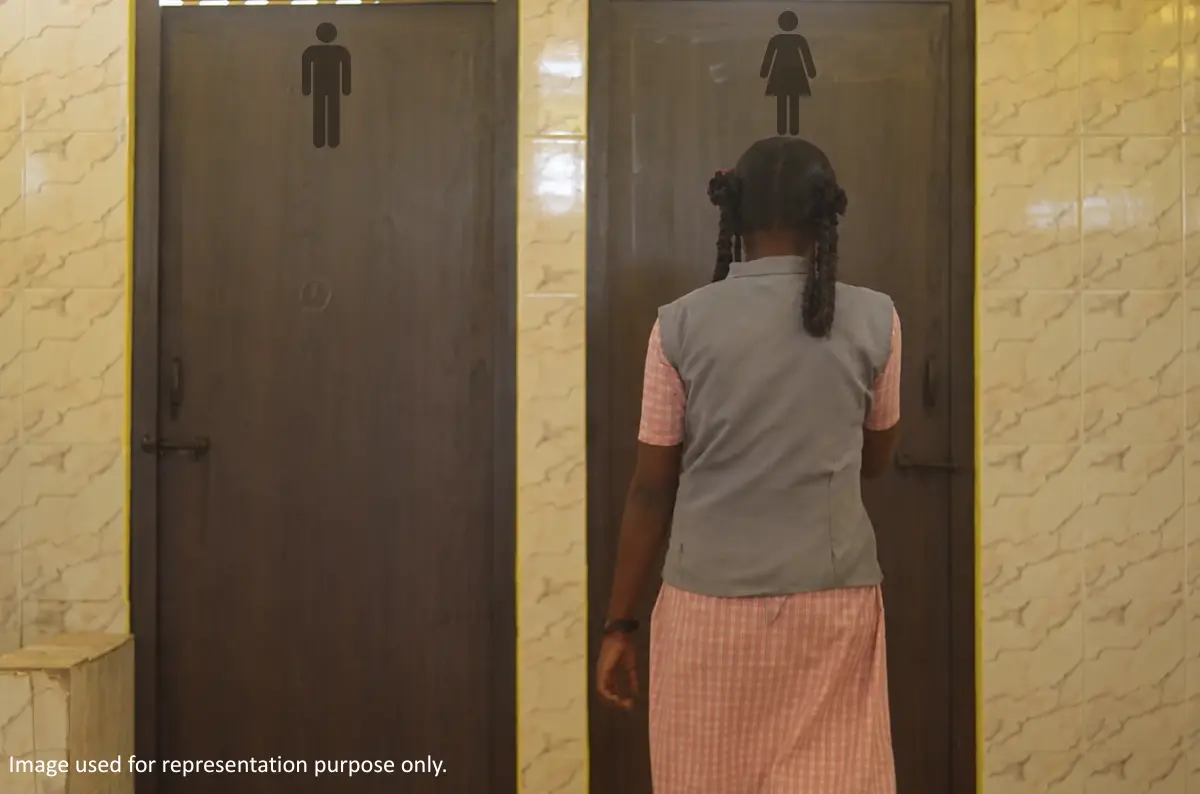
For millions of girls, going to school is about more than attending classes. Her success depends on whether her school has clean toilets, safe drinking water, and proper hygiene facilities. When these basic needs are missing, many girls struggle to attend school regularly or continue their education. This is why WASH in schools is so important. Safe water, proper sanitation, and good hygiene create healthy learning environments where girls can learn with dignity, confidence, and safety. Improving school WASH facilities helps protect children's health while giving every girl a better chance to stay in school and succeed.
What Is WASH in Schools and Why Is It Important for Girls?
WASH in schools refers to providing safe drinking water, clean toilets, handwashing facilities, and hygiene education within schools. These services help create healthy and inclusive learning environments.
For girls, access to proper school sanitation is especially important. Clean and private toilets, reliable water supply, and hygiene facilities help them attend school comfortably and safely. Schools that prioritize WASH support better health, reduce absenteeism, and create environments where every child can focus on learning.
The Link Between WASH and Girls' Education in India
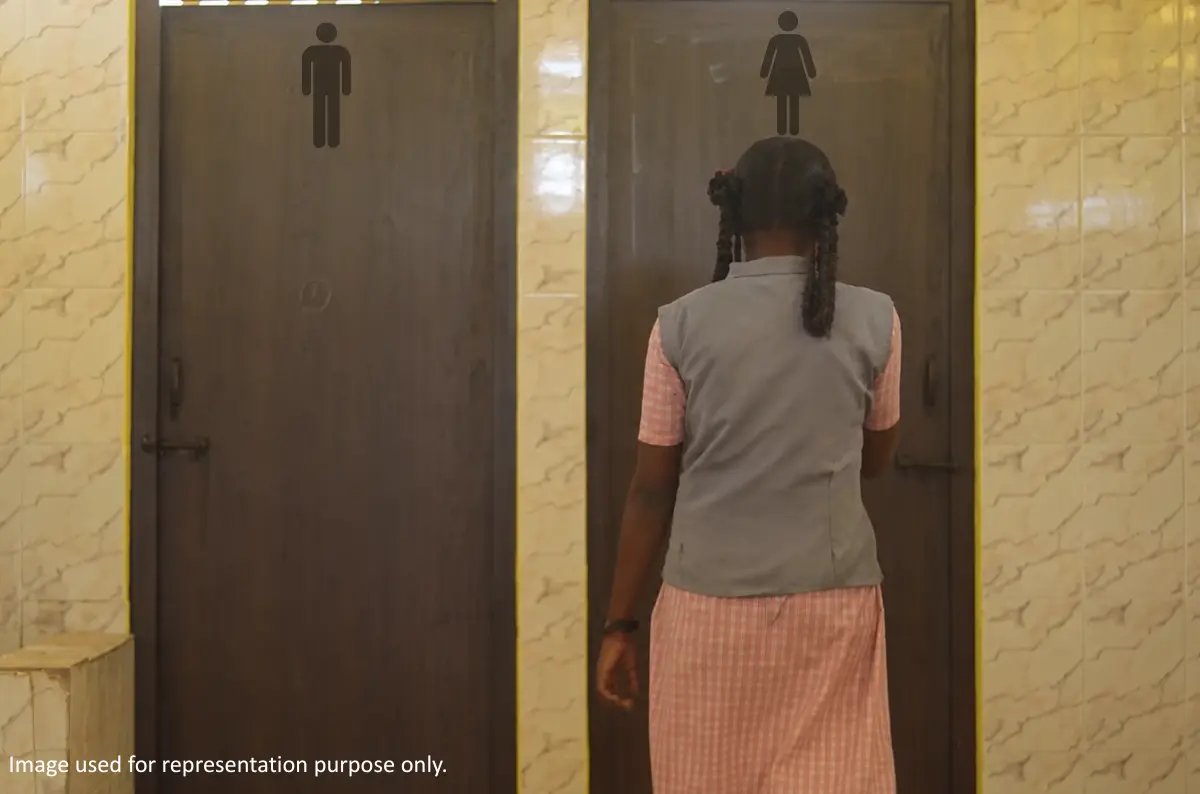
Good WASH in schools plays a major role in helping girls stay in education. When schools lack clean toilets, safe water, or privacy, girls are more likely to miss classes or leave school altogether. These challenges often become greater during adolescence when access to menstrual-friendly school facilities becomes essential.
Schools with proper sanitation and hygiene facilities create more supportive environments where girls feel safe, respected, and confident. Access to separate toilets, water for washing, and hygiene education helps improve attendance while allowing girls to participate fully in school activities. Better WASH facilities also contribute to healthier students, improved concentration, and stronger educational outcomes.
Also Read: Empowering the Girl Child Through Education
How Poor WASH Facilities Affect Girls' School Attendance
Inadequate school sanitation can become a major barrier to education, particularly for adolescent girls.
Why Access to Clean Toilets Keeps Girls in School
Clean, private, and functional toilets allow girls to attend school with confidence. Without them, many students may avoid school or miss important learning opportunities.
The Impact of Menstrual Hygiene Management on Education
Menstrual-friendly school facilities help girls manage their periods safely and with dignity. Access to water, private toilets, and hygiene products supports regular attendance and reduces disruptions to learning.
How Unsafe Drinking Water Affects Students' Health and Learning
Unsafe drinking water increases the risk of illness, dehydration, and infections. Healthy students are more likely to attend school regularly and stay focused in the classroom.
Also Read: Understanding Children's Right to Health
The Importance of Community and School Participation in WASH
Improving school sanitation requires the combined efforts of schools, families, local communities, and local leaders. Maintaining clean facilities and encouraging healthy hygiene practices are shared responsibilities that benefit every child.
How Teachers and Parents Can Support Better WASH Practices
Teachers can include hygiene education in daily learning, while parents can reinforce healthy habits at home. Together, they help children understand the importance of cleanliness, handwashing, and safe sanitation.
Government and Community Initiatives Improving School WASH Facilities
Community participation helps maintain school facilities, encourages hygiene awareness, and supports long-term improvements in school sanitation. Working together creates healthier and more inclusive schools for all children.
Also Read: Protecting Marginalized Girls for a Safer Future
How CRY Is Supporting WASH in Schools Across India
CRY America supports efforts that improve WASH in schools by working with local partners and communities to create healthier learning environments for children. These initiatives help improve access to safe drinking water, better sanitation facilities, hygiene awareness, and healthier school environments that support children's education.
CRY also works with communities, families, and schools to raise awareness about the importance of hygiene and safe sanitation. By strengthening local systems and promoting children's well-being, these efforts help more girls stay in school and continue their education with confidence and dignity.
What More Needs to Be Done to Ensure Every Girl Has Access to Safe School WASH Facilities
While progress has been made, many schools still need better sanitation infrastructure and hygiene facilities. Continued investment in clean toilets, reliable water supply, handwashing stations, and hygiene education is essential. Schools, communities, and families must continue working together to ensure every girl has access to safe, private, and inclusive WASH facilities that support her education.
Conclusion: Better WASH Facilities Are Key to Keeping Every Girl in School
Access to safe water, clean toilets, and proper hygiene should never be barriers to education. Strengthening WASH in schools helps girls stay healthy, attend school regularly, and reach their full potential. By working together, we can help create schools where every girl learns in a safe, healthy, and supportive environment.
FAQ
Why is WASH in schools important for girls' education?
WASH in schools provides clean water, safe toilets, handwashing facilities, and hygiene education. These services help girls stay healthy, attend school consistently, and learn in safe and supportive environments.
How do clean toilets help improve girls' school attendance?
Access to clean and private school sanitation facilities gives girls the confidence and dignity they need to attend school regularly, especially during adolescence.
What role does menstrual hygiene play in girls' education?
Menstrual-friendly school facilities help girls manage their periods safely and comfortably. This reduces absenteeism and allows them to participate fully in classroom activities.
How do safe drinking water and hygiene facilities benefit students?
Safe drinking water and hygiene facilities reduce illness, improve overall health, encourage regular attendance, and create better learning environments where students can focus on their education.
How is CRY supporting WASH initiatives in schools across India?
CRY America supports community-based efforts that improve school water, sanitation, and hygiene facilities, promote hygiene awareness, and help create healthier schools where children, especially girls, can continue their education safely.

What Is WASH and Why Does It Matter for Children?
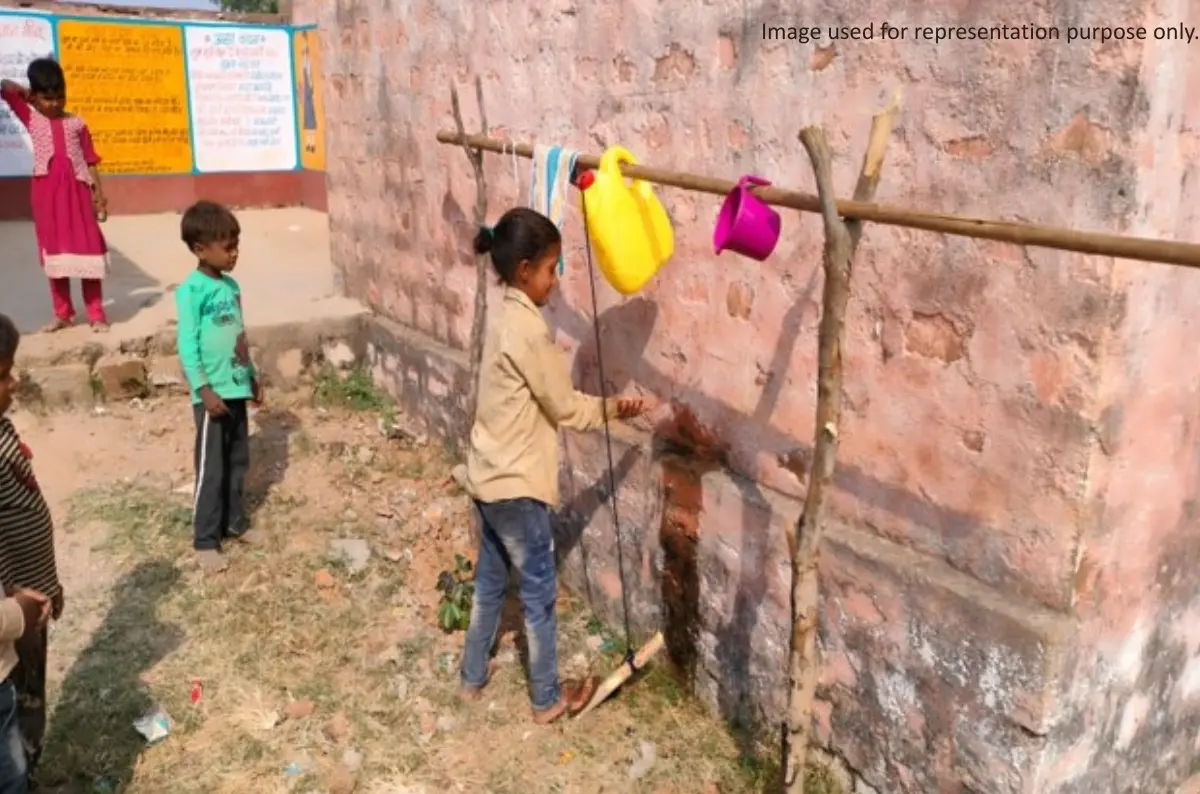
Every child deserves clean water, safe toilets, and healthy surroundings. Yet, many children still live without these basic necessities, putting their health, education, and future at risk. This is where understanding what WASH is becomes important. Access to clean water, proper sanitation, and good hygiene practices helps children stay healthy, attend school regularly, and grow in a safe environment. Improving these essential services creates stronger and healthier communities. Understanding what WASH means helps us see why every child deserves access to these essential services.
What Is WASH and Why Is It Important for Every Child?
WASH stands for Water, Sanitation, and Hygiene. These three services work together to protect children's health and well-being. Water sanitation hygiene is essential for preventing disease, reducing child illness, and creating safe environments where children can learn and thrive.
Access to clean drinking water, safe sanitation facilities, and good hygiene practices helps children grow healthier, miss fewer school days, and enjoy a better quality of life. Without these essentials, children are more vulnerable to infections, malnutrition, and preventable diseases.
Understanding Water, Sanitation, and Hygiene (WASH)
To understand what WASH is, it helps to look at its three key components.
- Water refers to access to safe and reliable water for daily needs such as drinking, cooking, and cleaning.
- Sanitation includes safe toilets, proper waste disposal, and systems that prevent human waste from contaminating the environment.
- Hygiene includes healthy habits such as washing hands with soap, maintaining personal cleanliness, and practicing safe food hygiene.
Together, water sanitation hygiene services reduce the spread of disease, improve public health, and help children live healthier lives.
Why WASH Is Essential for Children's Health and Development
Good WASH programs protect children from illnesses that can affect both their physical and mental development.
Also Read: Everything You Need to Know About Children's Right to Health
How Safe Drinking Water Protects Children's Health
Clean drinking water reduces the risk of waterborne diseases such as diarrhea, cholera, and typhoid. Safe water also supports healthy growth and helps children stay active and attend school regularly.
Also Read: Why Immunization Is Key to Infant Survival
Why Proper Sanitation Matters for Every Child
Safe sanitation prevents harmful germs from spreading through the environment. Clean and accessible toilets protect children from disease while creating safer and healthier communities.
Also Read: The Vital Role of Nutrition in Protecting Marginalized Children
The Importance of Handwashing and Good Hygiene Habits
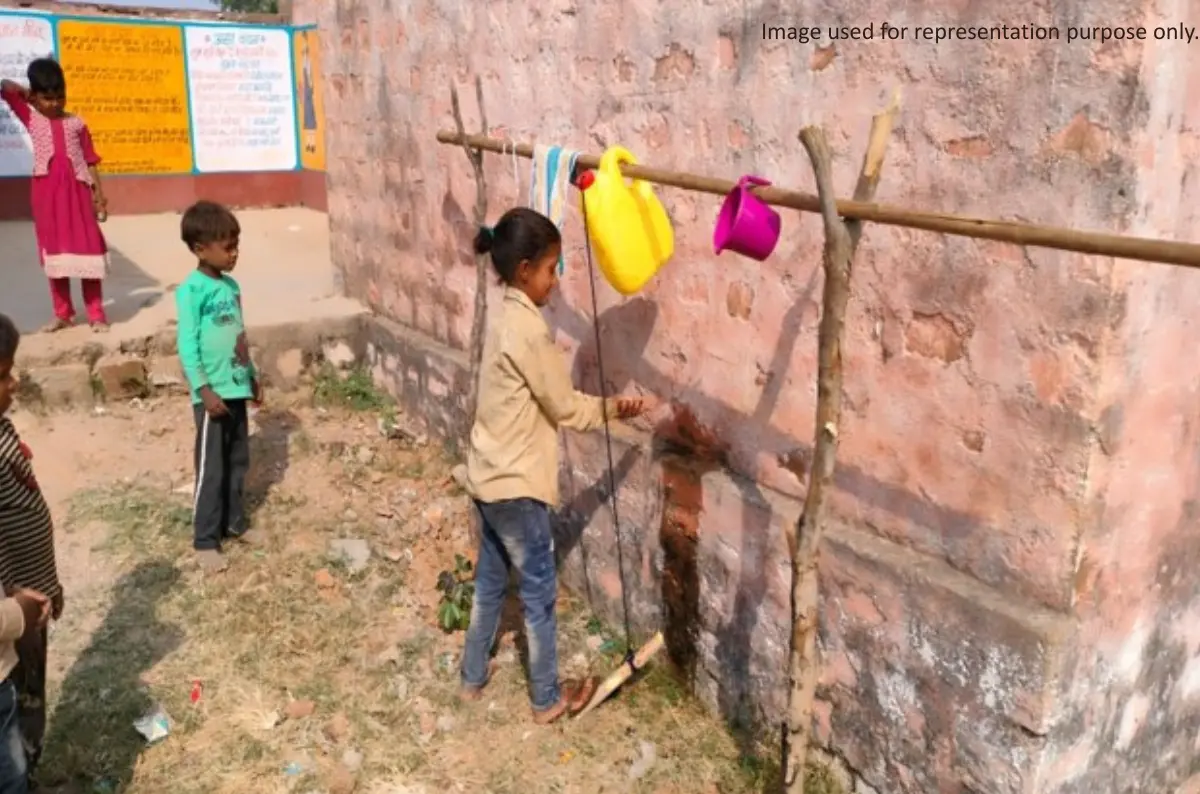
Simple habits like washing hands with soap before eating and after using the toilet significantly reduce the spread of infections. Good hygiene protects both children and their families.
Also Read: Nutrition and Hygiene: Preventing Common Childhood Diseases
How Poor WASH Facilities Increase Health Risks
When children lack access to clean water, sanitation, or hygiene facilities, they face a greater risk of illness, poor nutrition, repeated infections, and missed school days. These challenges can affect their long-term health and development.
Also Read: What Is Malnutrition and How It Affects Children
How WASH Impacts Education and School Attendance
Access to safe water, sanitation and hygiene services help children attend school consistently and learn in healthier environments. Schools with clean drinking water, functional toilets, and handwashing stations create safer spaces where children can focus on learning instead of worrying about basic needs.
Why Girls Need Safe and Inclusive School Sanitation
Girls are more likely to stay in school when schools have clean, private, and safe sanitation facilities. Proper toilets and access to hygiene facilities help support attendance, dignity, and confidence.
How Better WASH Facilities Improve Learning Outcomes
Healthy children are more likely to attend school regularly, participate in classroom activities, and perform better academically. Better WASH programs support improved learning by reducing illness-related absences.
The Role of Communities in Promoting WASH
Improving water sanitation hygiene requires active participation from families, schools, and local communities. Community awareness and shared responsibility help create lasting improvements that benefit every child.
How Families Can Encourage Better Hygiene Practices
Parents and caregivers can teach children simple daily habits like washing hands with soap, drinking safe water, using clean toilets, and maintaining personal hygiene. These practices help reduce illness at home and in school.
Community-Led WASH Initiatives That Create Lasting Change
Community participation strengthens WASH programs by encouraging better sanitation practices, maintaining local water sources, supporting hygiene awareness, and promoting healthier living conditions for everyone.
How Schools Can Strengthen WASH Programmes for Children
Schools play a vital role in helping children develop lifelong healthy habits. Providing safe drinking water, clean toilets, and handwashing facilities creates a healthier learning environment where children can thrive.
Schools can also include hygiene education in everyday learning so children understand the importance of cleanliness and disease prevention. Teachers, parents, and local communities can work together to maintain school facilities and encourage positive hygiene practices. When schools prioritize water sanitation and hygiene, children benefit from improved health, better attendance, and stronger learning outcomes.
How CRY Is Improving WASH Access for Children Across America
CRY America supports efforts that help children access healthy, safe environments by working with local partners and communities. These initiatives promote better hygiene awareness, improve access to safe water and sanitation facilities, and encourage healthy practices that protect children's well-being.
By supporting community-based solutions, raising awareness among families, and strengthening access to essential services, CRY helps create safer spaces where children can grow, learn, and lead healthier lives.
Conclusion: Safe Water, Sanitation, and Hygiene Are Every Child's Right
Access to clean water, safe sanitation, and good hygiene is essential for every child's health, education, and future. Strengthening WASH programs requires continued action from communities, schools, governments, and organizations like CRY. Together, we can help ensure every child grows up in a safe and healthy environment.
FAQ
What is WASH and what does it stand for?
WASH stands for Water, Sanitation, and Hygiene. It refers to essential services that provide safe drinking water, proper sanitation, and healthy hygiene practices to protect people's health and well-being.
Why is WASH important for children's health and development?
Water sanitation hygiene helps prevent disease, supports healthy growth, reduces child illness, and allows children to attend school regularly while improving their overall quality of life.
How does poor sanitation affect children's education?
Poor sanitation increases illness, causes frequent school absences, and creates unsafe learning environments. Lack of clean toilets can also discourage children, especially girls, from attending school regularly.
What are the key components of a WASH programme?
The main components of WASH programs include safe drinking water, proper sanitation facilities, hygiene education, handwashing with soap, and promoting healthy behaviors in homes, schools, and communities.
How is CRY improving WASH access for children across India?
CRY America supports community-based efforts that improve access to safe water, sanitation, and hygiene while promoting awareness, healthier practices, and safer environments that help children grow and learn.
What Is School Readiness and Why Does It Matter for Young Children
School readiness goes beyond a child’s first day at school. It reflects whether children have the basic skills, health, and support needed to begin learning with confidence. Children who are school ready are more likely to stay in school and learn well, but many underserved children start at a disadvantage due to gaps in early care, nutrition, and learning opportunities.
According to the National Statistical Office (2017–18), only 1 in 5 children are enrolled in pre-primary education. This highlights the urgent need to understand gaps and why early support matters. This blog explores the importance of school readiness, the factors that influence it, the challenges involved, and how CRY America is working to bridge this gap.
How early childhood programs help children become school ready
Structured early childhood support can bridge many of the gaps children face, especially in marginalized communities where access to early learning is often limited or inconsistent.
The importance of quality preschool and community-based learning programs
Quality preschool and community programs provide:
● Safe and inclusive learning spaces: These create a secure environment where children can explore, interact, and learn without fear, which is often not possible in overcrowded or unstable living conditions.
● Activities that build foundational skills through play: Play-based learning helps children develop language, thinking, and social skills in a way that feels natural and engaging, even for first-time learners.
● Regular engagement that helps children adapt to routines: Consistent participation helps children become familiar with structure, making the transition to formal schooling smoother and less overwhelming.
Also Read: The Importance of Early Childhood Care and Education
Key components of school readiness for young children
School readiness is a mix of skills that help children adjust to learning environments, including language, basic thinking, emotional awareness, and social interaction.
Building cognitive, social, emotional, and language skills before school
Children need a balanced set of abilities to begin school comfortably. These abilities are not developed through pressure, but through consistent interaction, play, and care. Let’s understand the key components of school readiness:
● Cognitive skills: Curiosity, basic problem solving, and the ability to observe and ask questions
● Language skills: Understanding and expressing thoughts, even in simple words or sentences
● Social skills: Sharing, taking turns, and interacting with peers and adults
● Emotional skills: Managing feelings, building confidence, and feeling secure in new spaces
Also Read: Understanding Social and Emotional Learning
The role of parents, caregivers, and preschool education
Parents and caregivers are a child’s first teachers. They can create a child’s earliest learning environment through everyday interactions like talking, listening, and play. These moments help build language, confidence, and curiosity at home. Caregivers on the other hand provide consistency and emotional security, especially when parents are working. Their role in engaging children through play, storytelling, and daily activities helps develop social and emotional skills that are essential for adapting to a school setting
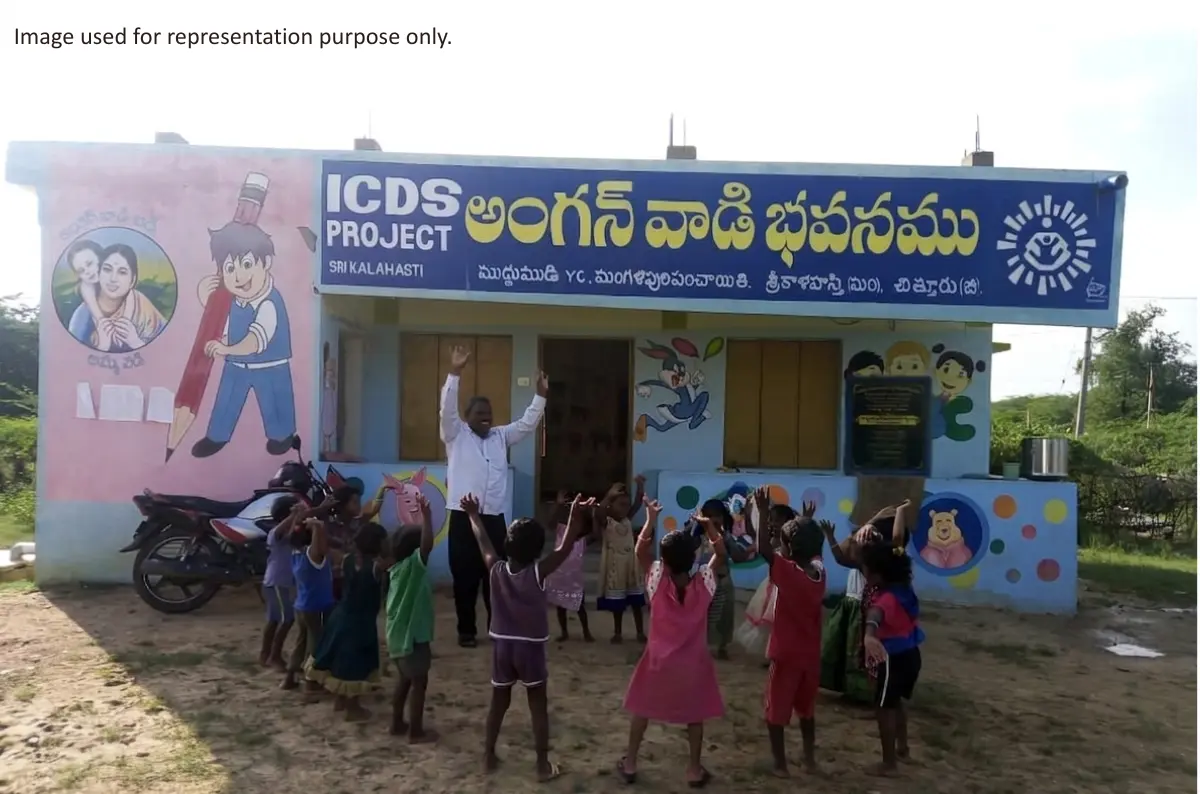
In marginalized communities, preschool education through ICDS (Integrated Child Development Services) and Anganwadi centres plays a vital role by offering early learning, nutrition, and structured exposure that prepare children for school.
Also Read: Why Parental Involvement Matters for a Child’s Education
How families and communities can support school readiness
School readiness is shaped not just at home, but by the systems and environments around families. For many, especially in marginalized communities, supporting a child’s early learning depends on access to awareness, services, and local support.
Families nurture early learning through everyday care and encouragement, but their efforts are strengthened only when they have the right knowledge and resources around early education, nutrition, and a healthy home environment.
Communities play a key role by bringing together local authorities, panchayats, schools, and government services to prioritize school readiness. By raising awareness and improving access to early childhood services, they help ensure children are prepared for school.
The challenges preventing young children from being school ready
For many families, especially in underserved communities, school readiness is shaped by circumstances beyond their control. Let’s understand the socio-economic and health factors that affect school readiness and the impact they have on children.
How poor nutrition and health affect school readiness
A child’s ability to learn begins with their health. In many marginalized communities, poor nutrition affects brain development, attention, and energy, making it harder for children to engage. Frequent illness disrupts learning, while limited healthcare delays identifying developmental concerns, widening gaps over time.
Also Read: What Is Malnutrition and How It Affects Children
Why socio-economic barriers delay school readiness
Economic hardship delays school readiness. In marginalized communities, long work hours and unstable incomes leave parents with limited time and resources for early learning. Education often becomes one of the first compromises, especially when families are focused on immediate needs. Children may take on household responsibilities, while migration and unstable living conditions disrupt continuity. As a result, many start school late or without the foundational skills they need.
Also Read: Overcoming Barriers to Education for Underprivileged Children
The impact of limited early learning opportunities on young children
When children are not exposed to early learning experiences, the effects are both immediate and long-lasting, shaping how they adapt to school and beyond. Let’s understand how:
● Difficulty adjusting to structure and routine: Without prior exposure to structured environments, children may feel overwhelmed in formal classrooms, struggling to follow schedules, instructions, or group activities.
● Challenges with language and expression: Limited language guidance can make it hard for children to communicate their thoughts, understand teachers, or participate in class, leaving them feeling lost in the learning environment.
● Reduced concentration and cognitive engagement: Children may find it difficult to stay focused, process information, or follow lessons, which affects their ability to keep up with peers.
● Restricted curiosity and imagination: A lack of stimulating early experiences can limit a child’s natural curiosity and creativity, making learning feel unfamiliar rather than exciting.
● Struggles with social interaction: Without opportunities to engage with peers early on, children may find it challenging to share, collaborate, or build relationships in school settings.
● Long-term impact on confidence and motivation: Repeated struggles can lower self-esteem, causing children to disengage from learning and feel that they do not belong in school.
● Increased risk of dropping out: Over time, these challenges may lead children to leave school altogether, often turning to household responsibilities, labor, or early marriage as alternative paths.
Also Read: Breaking the Cycle: Importance of Education in Rural Areas
What needs to be done to ensure every child starts school ready
Expand access to quality early childhood education and strengthen preschool readiness programs, with well-equipped Anganwadi centres, adequate staff, and basic hygiene facilities. At the systems level, strengthen the Anganwadi ecosystem and ensure consistent implementation of age-appropriate ICDS curriculum so early learning is accessible and effective for every child.
How CRY is supporting school readiness across India
CRY America works with grassroots organizations at both systemic and community levels to ensure children have a strong foundation for education. Through sustained efforts and partnerships, the focus remains on reaching the most underserved children and preparing them for school.
● Collaborating with authorities to expand access
Works closely with government bodies, local authorities, and panchayats to ensure early childhood education reaches even the most remote villages, so no child is left behind.
● Building awareness within communities
Conducts door-to-door outreach and mass awareness campaigns to help families understand the importance of early education, nutrition, and consistent preschool attendance.
● Ensuring enrollment and monitoring development
Supports enrollment in Anganwadi centres and tracks children’s academic readiness alongside their health and nutrition status.
● Addressing nutrition and health barriers
Ensures access to Take Home Rations (THR) and promotes kitchen gardening practices for better nutrition; severely underweight children are referred to Nutrition Rehabilitation Centres (NRCs) for specialized care.
● Strengthening Anganwadi systems
Focuses on capacity building of Anganwadi workers and ensures centres are equipped with teaching-learning materials (TLMs), improved infrastructure, clean drinking water, and basic hygiene facilities.
● Supporting transition to formal schooling
Continuously tracks each child’s progress and supports their smooth transition into formal education, staying engaged until they are fully integrated into the school system.
Conclusion: Investing in school readiness builds a stronger future for every child
School readiness shapes not just how a child begins school, but how they continue and thrive through their learning journey. Your support to CRY America helps children enter school ready, stay engaged, and complete their education, so they can build a better future for themselves and their communities.
FAQs
What is school readiness, and why is it important for young children?
School readiness refers to a child’s overall development including cognitive, social, emotional, and physical skills that help them begin school confidently. It is crucial because it supports learning, retention, and long term educational success.
What are the key skills a child needs to be school ready?
Key skills for school readiness include language and communication, early cognitive abilities like thinking and problem solving, social skills such as sharing and interaction, and emotional skills like confidence and self regulation, as these help children understand lessons, engage with peers, and adapt smoothly to the school environment.
How can parents help improve their child's school readiness at home?
Parents can support school readiness at home through simple interactions like talking, storytelling, and play. Even in marginalized settings, ensuring good nutrition, creating simple routines, and engaging children through conversation and playful activities can build confidence and ease their transition to school.
How do early childhood education programs support school readiness?
Early childhood or school readiness programs support school readiness by providing structured learning, play based activities, and social interaction that build language, cognitive, and emotional skills, helping children adapt more easily to formal school environments.
The Right to Education: What It Means for Every Child
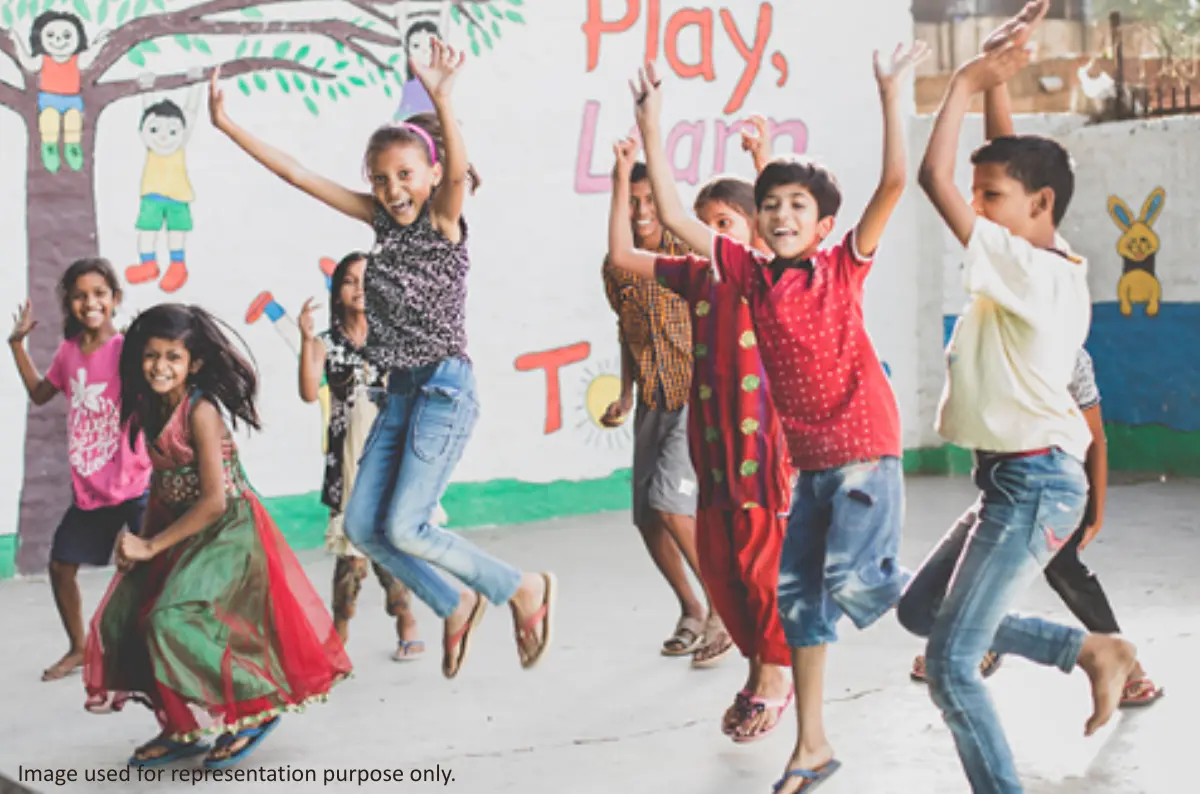
Every child deserves the chance to learn and build a better future. Yet, millions of children around the world still face barriers that keep them out of school or prevent them from receiving quality education. This is why the right to education is so important. It recognizes learning as more than a privilege. It is a basic right that every child should enjoy, regardless of their background, gender, or financial situation.
Understanding the right to education helps us see why ensuring access to learning is essential for creating stronger families, healthier communities, and a more equal society.
What Is the Right to Education and Why Is It Important?
The right to education means that every child has the opportunity to receive free, quality, and inclusive education without discrimination. It is recognized globally as a right that gives children the knowledge and skills they need to live independent, healthy, and productive lives.
The right to education goes beyond attending school. It also includes learning in a safe environment, having qualified teachers, and receiving an education that supports a child's overall development. When children have access to quality education, they are more likely to achieve their goals, contribute to society, and break free from cycles of poverty.
Understanding the Right to Education in India
The Right to Education (RTE) Act, 2009, was introduced to put this constitutional right into action. The Act aims to ensure that children can access free elementary education without discrimination. It also sets standards for schools, promotes equal opportunities, and discourages practices that prevent children from completing their education.
Although important progress has been made, many children continue to face challenges that affect both school enrollment and learning outcomes. Ensuring every child receives quality education requires continued efforts from governments, communities, schools, families, and organizations working for children's rights.
Also Read: Child Rights: How Far Have We Come
Why Do Many Children Still Struggle to Access Quality Education?
Despite legal protections, many children still face obstacles that prevent them from enjoying their right to education.
Poverty and Financial Barriers to Education
Many families struggle to meet daily needs, making education difficult to prioritize. Costs related to transportation, uniforms, books, or school supplies can discourage regular attendance, especially for low-income households.
Also Read: Overcoming Barriers to Education for Underprivileged Children
Child Labor and Early School Dropouts
Some children are forced to work to support their families instead of attending school. Others leave school early due to economic pressures or household responsibilities, limiting their future opportunities.
Also Read: What Is Child Labor and Its Impact on Learning
Gender Inequality and Barriers to Girls' Education
Girls often face additional challenges such as early marriage, safety concerns, social norms, and household responsibilities. These barriers can prevent them from completing their education.
Also Read: Empowering the Girl Child Through Education
Lack of Infrastructure and Qualified Teachers
Schools without proper classrooms, sanitation facilities, learning materials, or trained teachers make it harder for children to receive quality education. These challenges are more common in underserved communities.
Also Read: Breaking the Cycle: Education in Rural Areas
The Impact of Education on Children's Lives and Future Opportunities
Education transforms lives by opening doors to better opportunities, stronger communities, and greater independence.
How Education Helps Break the Cycle of Poverty
Quality education improves employment opportunities and earning potential. It helps children develop skills that support long-term financial stability while creating opportunities for future generations.
Why Education Is Essential for Protecting Child Rights
Education helps children understand their rights, build confidence, and make informed decisions. Schools also create safer environments where children are less vulnerable to exploitation, child labor, child marriage, and other forms of abuse.
Government Initiatives Supporting the Right to Education
In India several measures have been introduced to improve educational access and learning outcomes while strengthening the right to education.
The Right to Education (RTE) Act, 2009
The RTE Act makes free and compulsory elementary education available to children aged 6 to 14 years. It promotes equal access, prohibits discrimination, sets minimum standards for schools, and encourages child-friendly learning environments.
NEP 2020 and Efforts to Improve Access to Quality Education
The National Education Policy (NEP) 2020 focuses on improving learning outcomes, increasing early childhood education, reducing school dropouts, promoting inclusive education, and preparing children with skills needed for the future. It also aims to make education more accessible and flexible for all learners.
How CRY Is Helping Ensure Every Child's Right to Education
CRY America alongside communities to help more children enroll in and stay in school by addressing the barriers that keep them from learning. Working with trusted local partners, CRY focuses on improving school enrollment, reducing dropouts, encouraging community participation, and supporting children's overall development.
The organization also works with families, communities, and local authorities to raise awareness about children's rights and the importance of education. Through these efforts, children who were once out of school or at risk of dropping out have better opportunities to continue their education and build brighter futures. By strengthening education systems at the community level, CRY helps move closer to a future where every child can fully enjoy their right to education.
Give a Child the Right to Learn - Support Their Education Today
What More Needs to Be Done to Make Education Accessible for Every Child
Ensuring every child receives quality education requires continued action. Governments must invest in schools with better infrastructure, qualified teachers, and inclusive learning environments. Communities and families also play an important role by encouraging children to stay in school and supporting their education.
At the same time, greater awareness about children's rights and stronger implementation of education policies can help ensure that no child is left behind.
Conclusion: Ensuring the Right to Education for Every Child Is a Shared Responsibility
The right to education gives every child the opportunity to build a better future. While progress has been made, many children still face barriers that prevent them from learning. By working together, governments, communities, families, and organizations like CRY can help ensure that every child receives the quality education they deserve.
FAQ
What is the Right to Education (RTE) Act?
The Right to Education (RTE) Act, 2009, makes free and compulsory elementary education available to children between 6 and 14 years of age. It also promotes equal access, sets standards for schools, and supports inclusive education.
Why is the right to education important for every child?
The right to education helps children gain knowledge, develop essential life skills, and improve future opportunities. It also protects children's rights and supports healthier, stronger communities.
Who is eligible for free education under the Right to Education Act?
Under the RTE Act, children aged 6 to 14 years are entitled to free and compulsory elementary education in India, regardless of their social or economic background.
What are the biggest challenges to ensuring every child's right to education?
Some of the biggest challenges include poverty, child labor, school dropouts, gender inequality, inadequate school infrastructure, and shortages of qualified teachers, especially in underserved communities.
How does CRY help children access their right to education?
CRY America supports programs that help children enroll in school, reduce dropouts, strengthen community awareness, and improve access to quality education by working with local partners and communities.
Foundational Literacy in India: Why Millions of Children Still Can't Read at Grade Level
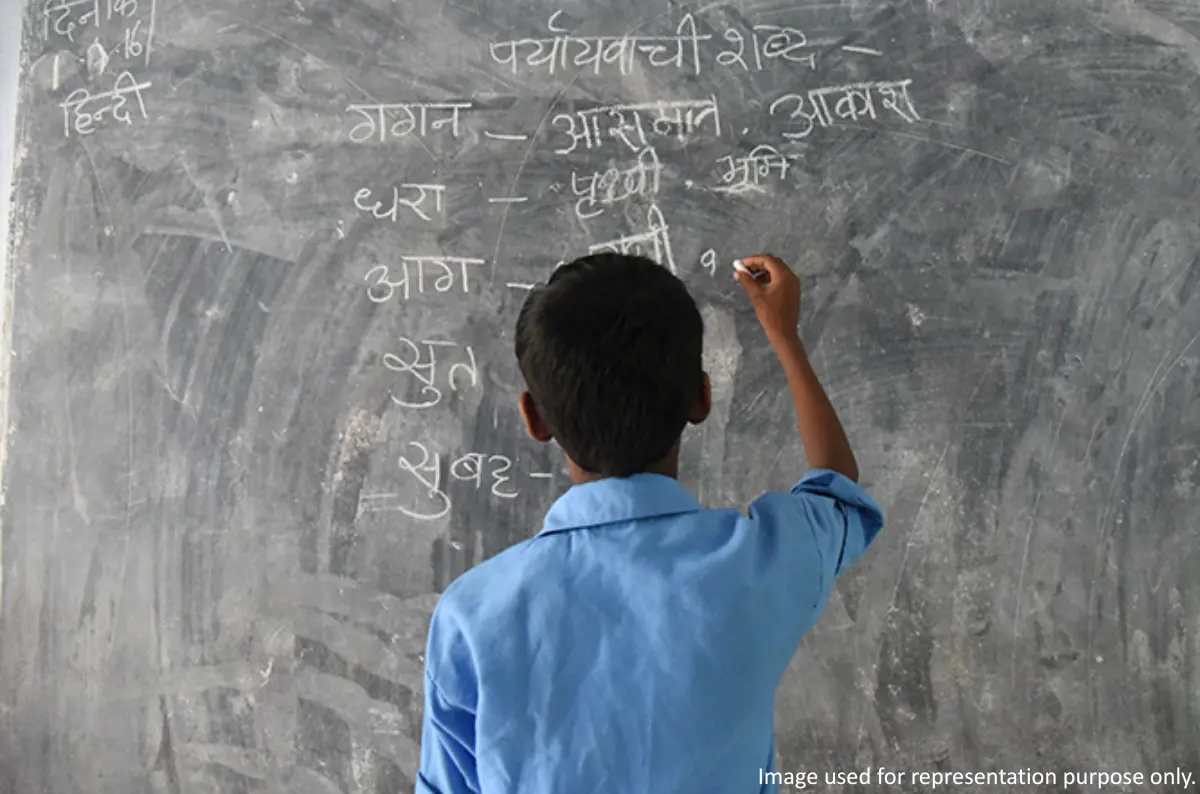
A child who cannot read at grade level in the early years of school is at risk of falling behind in every subject that follows. Yet across India, millions of children are progressing through school without acquiring basic reading skills. Despite higher enrollment rates and expanded access to education, many children still struggle to read simple texts appropriate for their grade level. This gap in foundational literacy has become one of the most urgent education challenges in the country.
Research on Foundational Literacy and Numeracy (FLN) in India highlights that a large number of children, particularly those from rural and underprivileged communities, continue to face barriers to acquiring essential reading and writing skills. These challenges affect not only their academic progress but also their future opportunities and overall development. Addressing early literacy is therefore critical to improving long-term learning outcomes and ensuring that every child has an equal chance to succeed.
Foundational Literacy: The Bedrock of Education
Foundational literacy refers to the basic reading, writing, speaking, and comprehension skills that children are expected to develop during their early years of schooling, ideally by Grade 3. These skills help children understand classroom lessons, engage with books, and build knowledge across subjects.
Experts widely recognize that early literacy forms the basis of all future learning. When children are unable to read with understanding in the early grades, they often struggle to keep up with lessons in later years, leading to weaker academic performance and lower confidence.
The State of Foundational Literacy in India: A Stark Reality
India has made significant progress in getting children into schools, but enrollment alone does not guarantee learning. Studies continue to show worrying gaps in learning outcomes, particularly in reading and basic numeracy.
According to education reports cited in recent FLN research, many children in Grades 3 to 5 are still unable to read simple texts meant for younger students. The situation became even more challenging after the COVID-19 pandemic, which disrupted schooling and widened existing learning gaps. Research also points to substantial disparities between urban and rural areas and among children from economically disadvantaged backgrounds. These findings show that improving foundational literacy remains essential if India is to ensure quality education for all children.
Also Read: Breaking the Cycle: Importance of Education in Rural Areas
Why Are Learning Outcomes Still So Poor in Indian Schools?
Several interconnected factors continue to affect learning outcomes and prevent children from developing strong literacy skills during their early school years.
-
Teacher Shortages and Inadequate Training
Many schools face teacher shortages, while others struggle to provide educators with specialized training in early literacy instruction. Without adequate support, teachers may find it difficult to address diverse learning needs effectively.
-
Poor Early Literacy Practices in the Early Years of Schooling
Children learn best when they are exposed to age-appropriate reading activities, storytelling, and interactive learning experiences. In many classrooms, these practices are limited, making it harder for children to develop strong reading skills from the start.
-
The Impact of Poverty and Child Labor on Learning Outcomes
Poverty continues to affect educational achievement. Children from low-income families often face challenges such as irregular attendance, limited learning resources, and responsibilities outside school that interfere with learning. These factors directly influence learning outcomes.
-
Language Barriers and Mother Tongue Instruction Gaps
India's linguistic diversity presents unique challenges. Many children begin school in a language different from the one spoken at home, making it more difficult to develop reading comprehension and literacy skills during the crucial early years.
Also Read: What Is Child Labor
The Long-Term Consequences of Poor Foundational Literacy
The effects of weak foundational literacy extend far beyond primary school. Children who struggle to read often find it difficult to understand lessons across subjects, limiting their academic growth and future opportunities.
Research consistently shows that strong literacy skills in the early grades contribute to better educational achievement, improved employment prospects, and greater social mobility later in life. Conversely, poor literacy skills can create barriers that persist throughout adulthood.
The Link Between Literacy and School Dropout
When children cannot keep pace with classroom learning, they often become disengaged and discouraged. Over time, this increases the likelihood of absenteeism and school dropout, especially among vulnerable populations.
Children who struggle to read often internalize failure long before they leave school altogether.
The Link Between Foundational Literacy and Child Rights Violations
Every child has the right to quality education. When children fail to acquire basic reading skills, they are denied opportunities to participate fully in education and society. Weak foundational literacy can therefore contribute to broader inequalities and limit children's ability to realize their rights and potential.
Also Read: Child Rights in India: How Far Have We Come and What More Needs to Be Done
India's Response to the Foundational Literacy Crisis
Recognizing the scale of the challenge, India has launched several national initiatives focused on improving foundational literacy and learning outcomes. These efforts aim to ensure that every child develops essential reading and numeracy skills during the early grades.
Current policy frameworks emphasize trainings, improved classroom practices, regular assessments, multilingual learning approaches, community participation, and stronger accountability systems. Together, these measures seek to address the root causes of poor literacy achievement and create more supportive learning environments for children.
NIPUN Bharat Mission and Its Goals for Early Literacy
The NIPUN Bharat Mission was launched to ensure that all children achieve foundational literacy and numeracy by the end of Grade 3. The mission focuses on reading with understanding, basic numeracy skills, teacher support, and continuous assessment to improve learning outcomes nationwide.
NEP 2020's Vision for Improving Learning Outcomes in Early Grades
The National Education Policy (NEP) 2020 identifies foundational literacy as the country's highest educational priority. It promotes child-centered learning, multilingual education, teacher capacity building, and stronger support for early literacy development.
Also Read: The Importance of Early Childhood Care and Education
How CRY Is Working to Improve Foundational Literacy for Underprivileged Children?
CRY America supports efforts that help children access quality education and develop the skills needed to thrive. Through partnerships with grassroots organizations, CRY works to strengthen school systems, improve classroom learning environments, and encourage community participation in children's education.
A strong focus is placed on supporting children from marginalized communities who are most at risk of falling behind. By promoting school enrollment, regular attendance, improved teaching practices, and child-friendly learning environments, CRY helps create conditions where children can build strong foundational literacy skills and support classes for children.
CRY also works with parents, teachers, local communities, and education stakeholders to ensure that children's educational rights are protected and that improvements in learning outcomes are sustained over time.
What Still Needs to Change?
While important progress has been made, significant work remains. India must continue investing in teacher training, early assessments, classroom resources, and community engagement. Greater attention is also needed for children in remote, tribal, and underserved communities where literacy gaps remain highest.
Strengthening mother tongue instruction, improving access to quality learning materials, and identifying learning difficulties early can help accelerate progress. Most importantly, education systems must focus not only on school attendance but also on measurable learning outcomes that ensure children are actually learning to read and understand.
Conclusion: Foundational Literacy Is Not Just an Education Goal, It Is a Child Right
Every child deserves the opportunity to read, learn, and succeed. Improving foundational literacy is not simply an education objective, it is essential for protecting children's rights and creating a more equitable future. By strengthening early literacy and improving learning outcomes, India can help millions of children unlock their full potential.
Also Read: How Education Can Transform the Lives of Underprivileged Youth
FAQs: Foundational Literacy in India
What is foundational literacy and why is it important for children?
Foundational literacy refers to the basic reading, writing, speaking, and comprehension skills that children develop during their early years of education. It is important because it supports all future learning and helps children succeed academically, socially, and economically.
What are the current learning outcomes for primary school children in India?
Many primary school children in India still struggle with age-appropriate reading and comprehension skills. Studies show that a significant number of students in elementary grades are unable to read texts at the expected level, highlighting ongoing challenges in learning outcomes.
How does CRY work to improve foundational literacy and learning outcomes for children in India?
CRY supports initiatives that strengthen access to quality education for underprivileged children. Through community engagement, partnerships with local organizations, school support programs, and advocacy for children's rights, CRY helps improve foundational literacy, early literacy, and overall learning outcomes among vulnerable children.