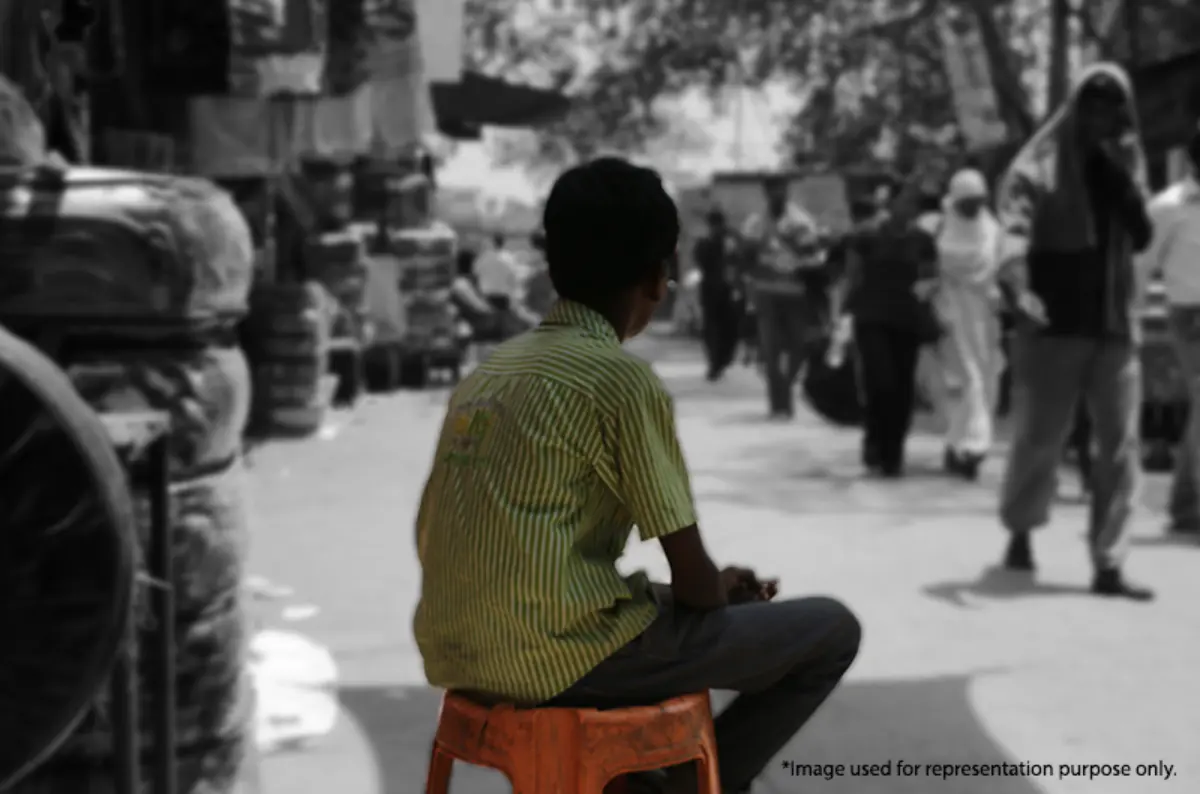












School readiness goes beyond a child’s first day at school. It reflects whether children have the basic skills, health, and support needed to begin learning with confidence. Children who are school ready are more likely to stay in school and learn well, but many underserved children start at a disadvantage due to gaps in early care, nutrition, and learning opportunities.
According to the National Statistical Office (2017–18), only 1 in 5 children are enrolled in pre-primary education. This highlights the urgent need to understand gaps and why early support matters. This blog explores the importance of school readiness, the factors that influence it, the challenges involved, and how CRY America is working to bridge this gap.
How early childhood programs help children become school ready
Structured early childhood support can bridge many of the gaps children face, especially in marginalized communities where access to early learning is often limited or inconsistent.
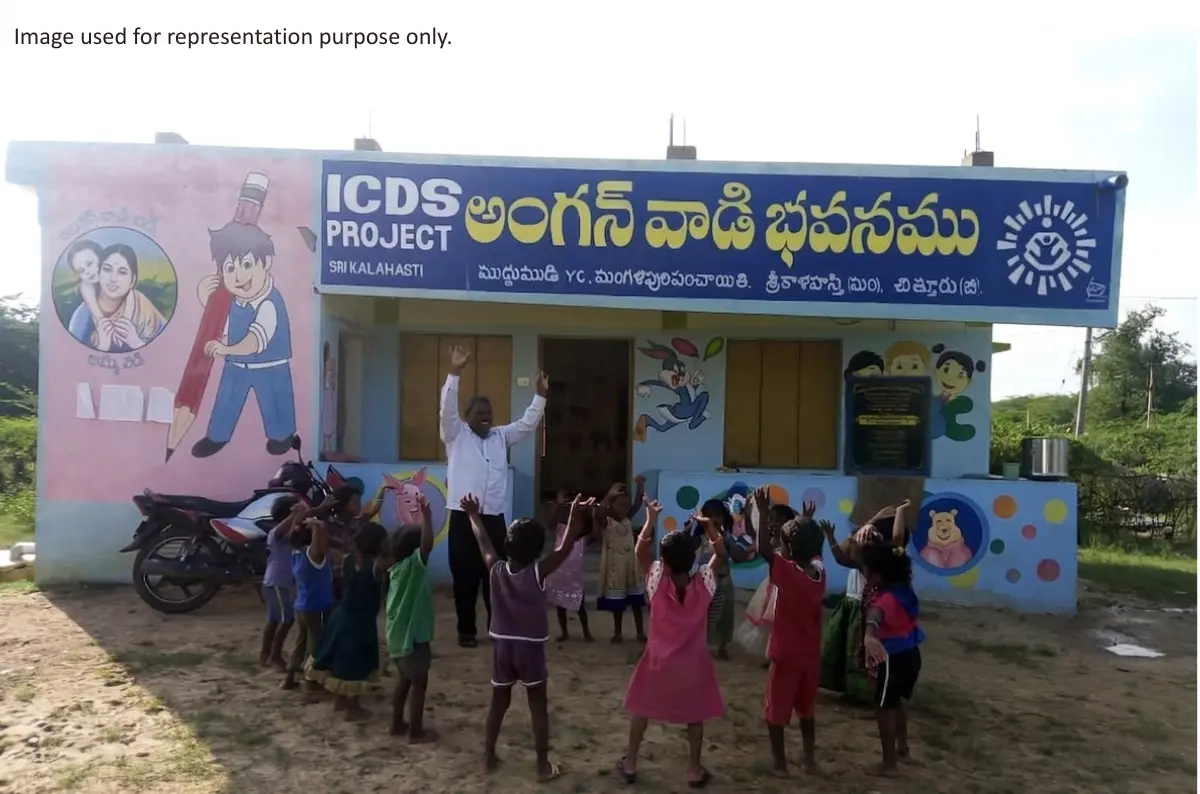
The importance of quality preschool and community-based learning programs
Quality preschool and community programs provide:
● Safe and inclusive learning spaces: These create a secure environment where children can explore, interact, and learn without fear, which is often not possible in overcrowded or unstable living conditions.
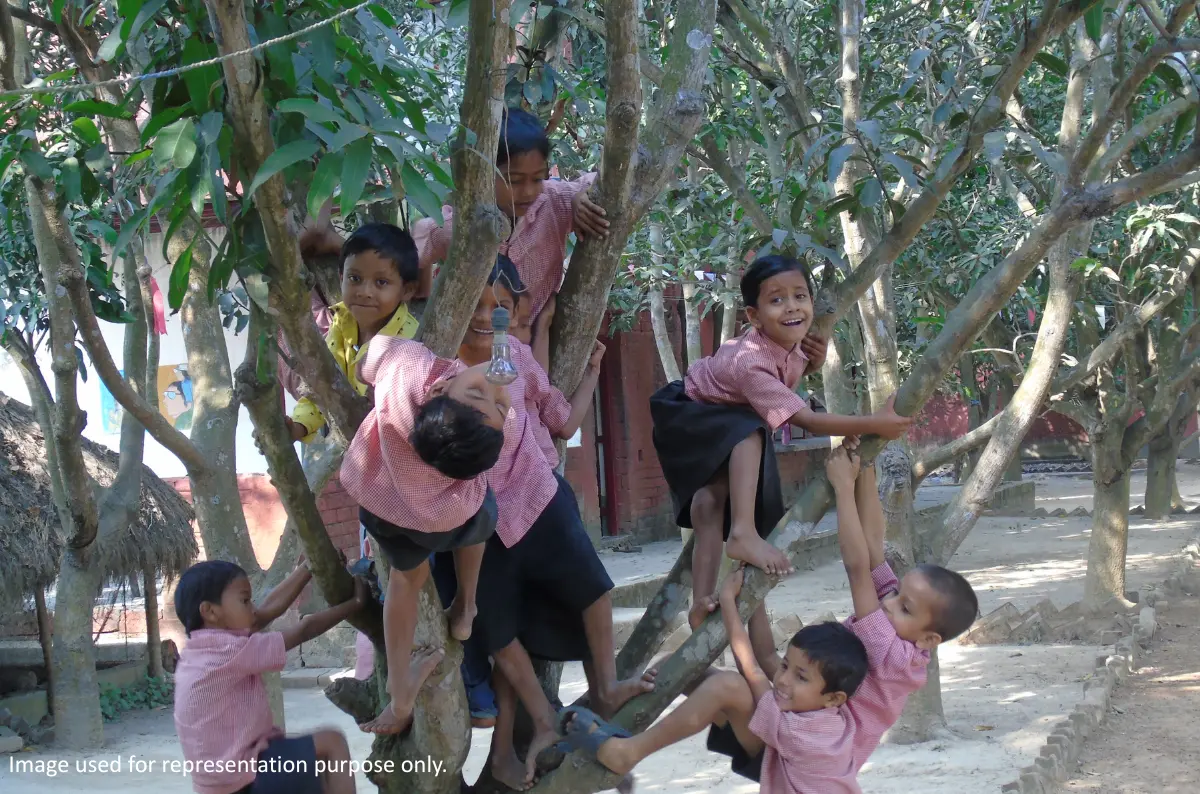
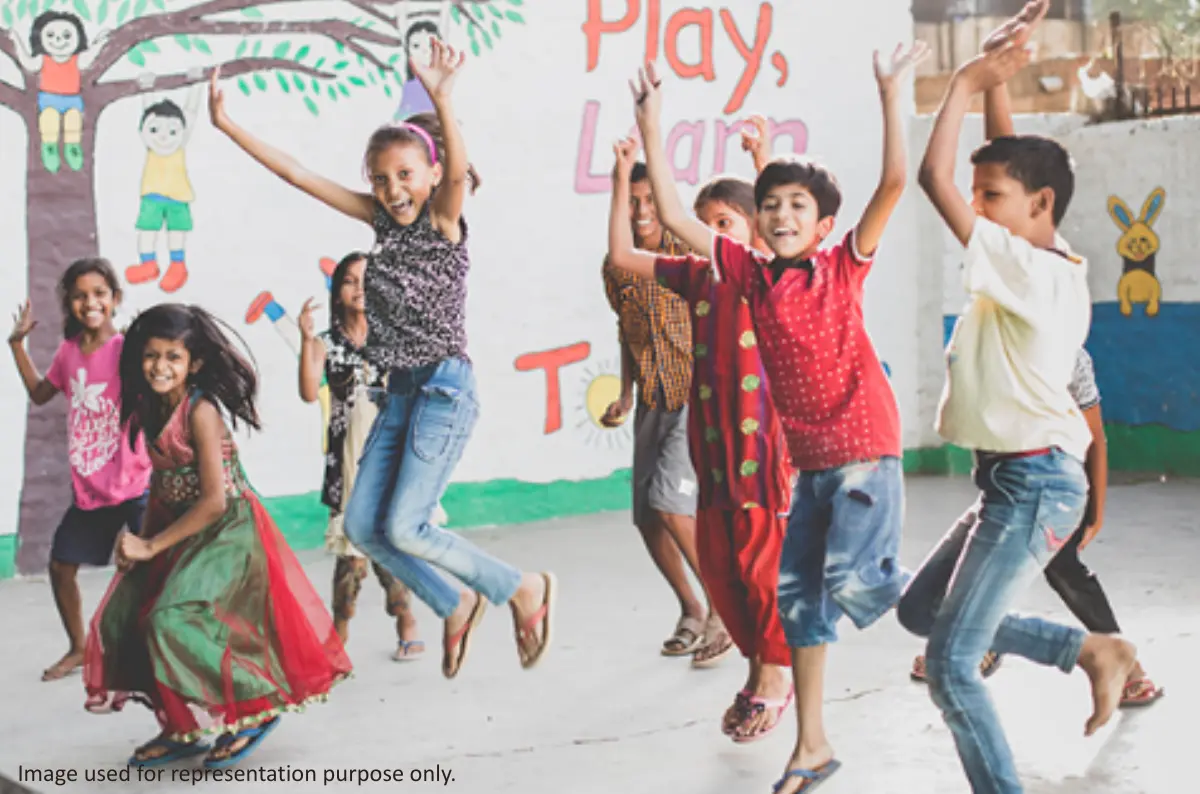
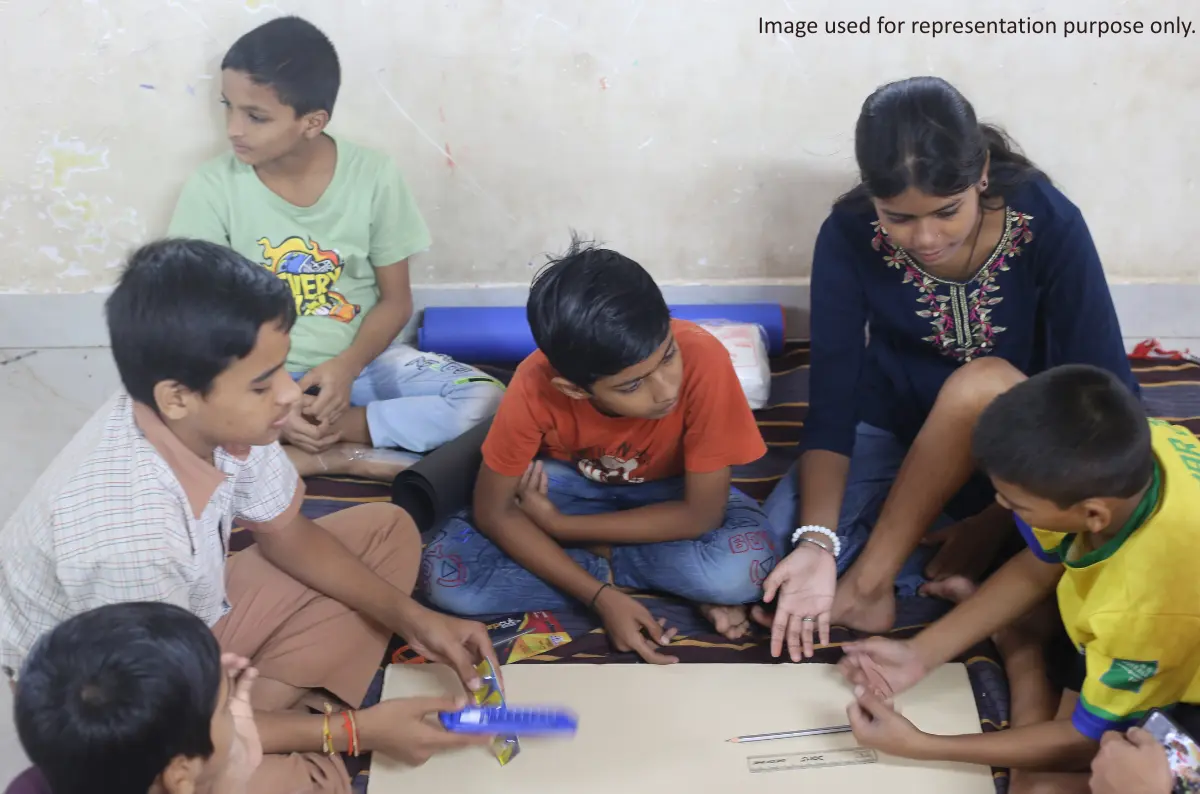
● Activities that build foundational skills through play: Play-based learning helps children develop language, thinking, and social skills in a way that feels natural and engaging, even for first-time learners.
● Regular engagement that helps children adapt to routines: Consistent participation helps children become familiar with structure, making the transition to formal schooling smoother and less overwhelming.
Also Read: The Importance of Early Childhood Care and Education
Key components of school readiness for young children
School readiness is a mix of skills that help children adjust to learning environments, including language, basic thinking, emotional awareness, and social interaction.
Building cognitive, social, emotional, and language skills before school
Children need a balanced set of abilities to begin school comfortably. These abilities are not developed through pressure, but through consistent interaction, play, and care. Let’s understand the key components of school readiness:
● Cognitive skills: Curiosity, basic problem solving, and the ability to observe and ask questions
● Language skills: Understanding and expressing thoughts, even in simple words or sentences
● Social skills: Sharing, taking turns, and interacting with peers and adults
● Emotional skills: Managing feelings, building confidence, and feeling secure in new spaces
Also Read: Understanding Social and Emotional Learning
The role of parents, caregivers, and preschool education
Parents and caregivers are a child’s first teachers. They can create a child’s earliest learning environment through everyday interactions like talking, listening, and play. These moments help build language, confidence, and curiosity at home. Caregivers on the other hand provide consistency and emotional security, especially when parents are working. Their role in engaging children through play, storytelling, and daily activities helps develop social and emotional skills that are essential for adapting to a school setting
In marginalized communities, preschool education through ICDS (Integrated Child Development Services) and Anganwadi centres plays a vital role by offering early learning, nutrition, and structured exposure that prepare children for school.
Also Read: Why Parental Involvement Matters for a Child’s Education
How families and communities can support school readiness
School readiness is shaped not just at home, but by the systems and environments around families. For many, especially in marginalized communities, supporting a child’s early learning depends on access to awareness, services, and local support.
Families nurture early learning through everyday care and encouragement, but their efforts are strengthened only when they have the right knowledge and resources around early education, nutrition, and a healthy home environment.
Communities play a key role by bringing together local authorities, panchayats, schools, and government services to prioritize school readiness. By raising awareness and improving access to early childhood services, they help ensure children are prepared for school.
The challenges preventing young children from being school ready
For many families, especially in underserved communities, school readiness is shaped by circumstances beyond their control. Let’s understand the socio-economic and health factors that affect school readiness and the impact they have on children.
How poor nutrition and health affect school readiness
A child’s ability to learn begins with their health. In many marginalized communities, poor nutrition affects brain development, attention, and energy, making it harder for children to engage. Frequent illness disrupts learning, while limited healthcare delays identifying developmental concerns, widening gaps over time.
Also Read: What Is Malnutrition and How It Affects Children
Why socio-economic barriers delay school readiness
Economic hardship delays school readiness. In marginalized communities, long work hours and unstable incomes leave parents with limited time and resources for early learning. Education often becomes one of the first compromises, especially when families are focused on immediate needs. Children may take on household responsibilities, while migration and unstable living conditions disrupt continuity. As a result, many start school late or without the foundational skills they need.
Also Read: Overcoming Barriers to Education for Underprivileged Children
The impact of limited early learning opportunities on young children
When children are not exposed to early learning experiences, the effects are both immediate and long-lasting, shaping how they adapt to school and beyond. Let’s understand how:
● Difficulty adjusting to structure and routine: Without prior exposure to structured environments, children may feel overwhelmed in formal classrooms, struggling to follow schedules, instructions, or group activities.
● Challenges with language and expression: Limited language guidance can make it hard for children to communicate their thoughts, understand teachers, or participate in class, leaving them feeling lost in the learning environment.
● Reduced concentration and cognitive engagement: Children may find it difficult to stay focused, process information, or follow lessons, which affects their ability to keep up with peers.
● Restricted curiosity and imagination: A lack of stimulating early experiences can limit a child’s natural curiosity and creativity, making learning feel unfamiliar rather than exciting.
● Struggles with social interaction: Without opportunities to engage with peers early on, children may find it challenging to share, collaborate, or build relationships in school settings.
● Long-term impact on confidence and motivation: Repeated struggles can lower self-esteem, causing children to disengage from learning and feel that they do not belong in school.
● Increased risk of dropping out: Over time, these challenges may lead children to leave school altogether, often turning to household responsibilities, labor, or early marriage as alternative paths.
Also Read: Breaking the Cycle: Importance of Education in Rural Areas
What needs to be done to ensure every child starts school ready
Expand access to quality early childhood education and strengthen preschool readiness programs, with well-equipped Anganwadi centres, adequate staff, and basic hygiene facilities. At the systems level, strengthen the Anganwadi ecosystem and ensure consistent implementation of age-appropriate ICDS curriculum so early learning is accessible and effective for every child.
How CRY is supporting school readiness across India
CRY America works with grassroots organizations at both systemic and community levels to ensure children have a strong foundation for education. Through sustained efforts and partnerships, the focus remains on reaching the most underserved children and preparing them for school.
● Collaborating with authorities to expand access
Works closely with government bodies, local authorities, and panchayats to ensure early childhood education reaches even the most remote villages, so no child is left behind.
● Building awareness within communities
Conducts door-to-door outreach and mass awareness campaigns to help families understand the importance of early education, nutrition, and consistent preschool attendance.
● Ensuring enrollment and monitoring development
Supports enrollment in Anganwadi centres and tracks children’s academic readiness alongside their health and nutrition status.
● Addressing nutrition and health barriers
Ensures access to Take Home Rations (THR) and promotes kitchen gardening practices for better nutrition; severely underweight children are referred to Nutrition Rehabilitation Centres (NRCs) for specialized care.
● Strengthening Anganwadi systems
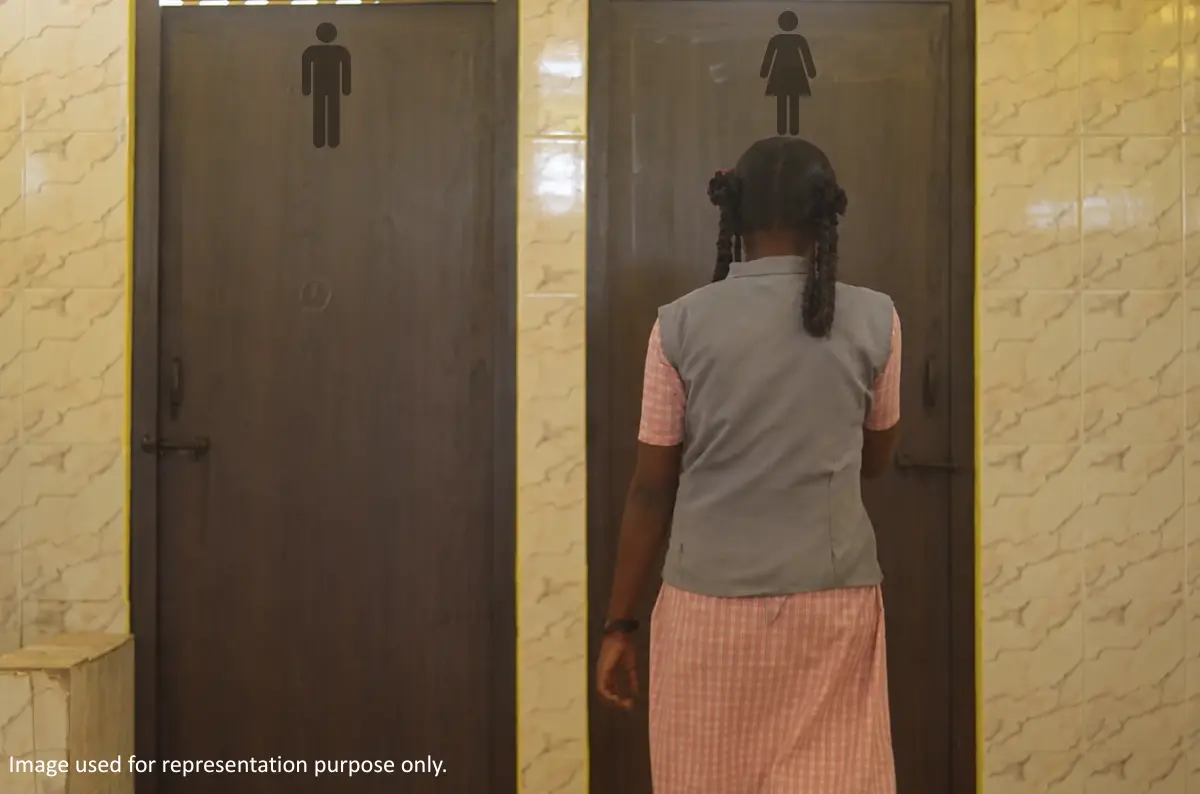
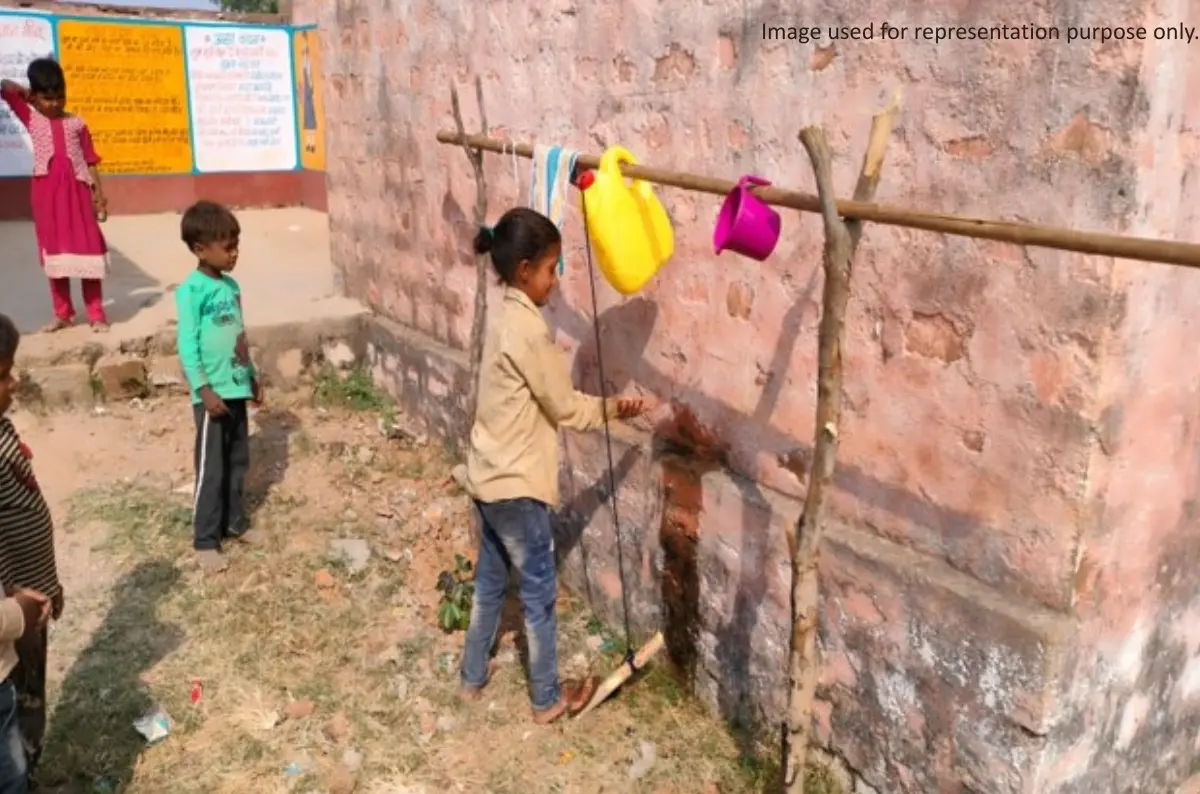
Focuses on capacity building of Anganwadi workers and ensures centres are equipped with teaching-learning materials (TLMs), improved infrastructure, clean drinking water, and basic hygiene facilities.
● Supporting transition to formal schooling
Continuously tracks each child’s progress and supports their smooth transition into formal education, staying engaged until they are fully integrated into the school system.
Conclusion: Investing in school readiness builds a stronger future for every child
School readiness shapes not just how a child begins school, but how they continue and thrive through their learning journey. Your support to CRY America helps children enter school ready, stay engaged, and complete their education, so they can build a better future for themselves and their communities.
FAQs
What is school readiness, and why is it important for young children?
School readiness refers to a child’s overall development including cognitive, social, emotional, and physical skills that help them begin school confidently. It is crucial because it supports learning, retention, and long term educational success.
What are the key skills a child needs to be school ready?
Key skills for school readiness include language and communication, early cognitive abilities like thinking and problem solving, social skills such as sharing and interaction, and emotional skills like confidence and self regulation, as these help children understand lessons, engage with peers, and adapt smoothly to the school environment.
How can parents help improve their child’s school readiness at home?
Parents can support school readiness at home through simple interactions like talking, storytelling, and play. Even in marginalized settings, ensuring good nutrition, creating simple routines, and engaging children through conversation and playful activities can build confidence and ease their transition to school.
How do early childhood education programs support school readiness?
Early childhood or school readiness programs support school readiness by providing structured learning, play based activities, and social interaction that build language, cognitive, and emotional skills, helping children adapt more easily to formal school environments.
Recommended for you