











Summary/TL;DR
Every child deserves to thrive emotionally, socially, and academically, with social and emotional learning (SEL) playing a vital role. SEL equips children with skills to understand and manage their emotions, build positive relationships, and make responsible decisions. It comprises five key components: self-awareness, self-management, social awareness, relationship skills, and responsible decision-making. SEL is crucial for cognitive development, mental health, and academic performance, fostering resilience and social responsibility. Activities to promote SEL, applicable at home and in schools, help children express their emotions, improve interpersonal skills, and enhance focus. Ultimately, strong SEL foundations contribute to long-term success in adulthood, affecting communication, collaboration, and decision-making. CRY America emphasizes holistic child development by supporting SEL implementations in communities and families.
Every child deserves not just to survive, but to thrive, emotionally, socially, and academically. Yet, too often, we focus solely on academic success or physical health, overlooking the critical role that emotional intelligence and social skills play in a child’s overall development. This is where social and emotional learning (SEL) comes in. By nurturing the emotional and social capacities of children, we give them the strength to tackle challenges, build relationships, and grow into well-rounded adults.
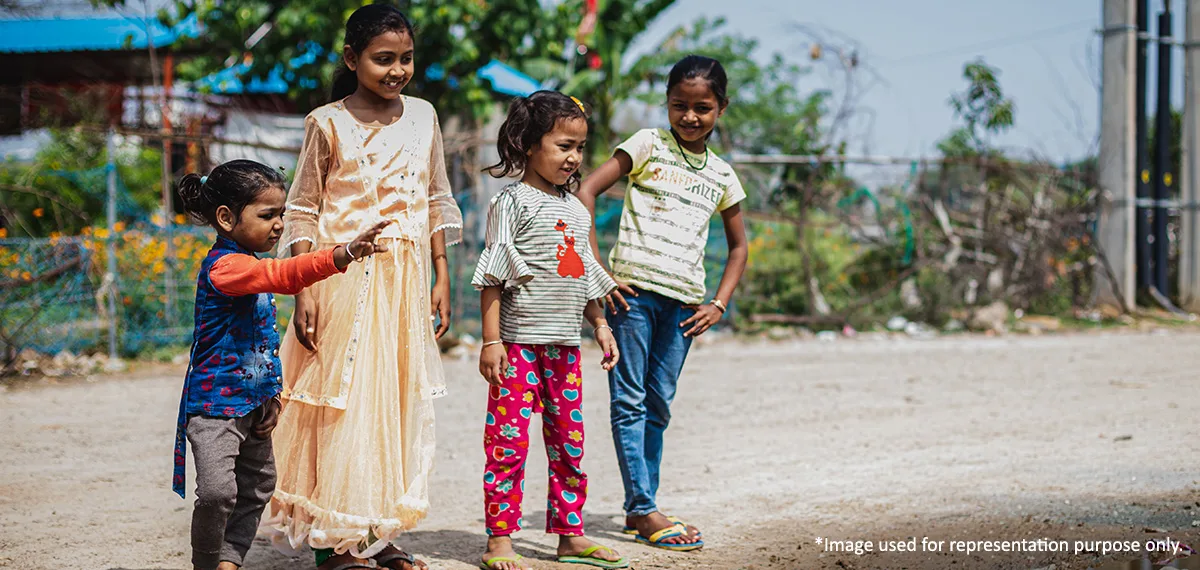
Defining Social and Emotional Learning (SEL)
What is Social and Emotional Learning?
At its core, what is social and emotional learning? It’s the process by which children and young people gain the skills needed to understand and manage their emotions. It helps them to establish and maintain positive relationships, make responsible decisions, and handle life challenges effectively.
SEL goes beyond simple etiquette or manners. It’s about equipping children with the tools to thrive in life. From recognizing their feelings to empathizing with others, these skills are crucial for healthy cognitive, emotional, and social development.
In simple terms, SEL gives children the ability to understand themselves, understand others, and navigate life with confidence and empathy.
Also Read: Inclusive Education
Key Components of SEL
SEL is built around five fundamental components that guide children toward emotional and social maturity:
- Self-awareness: The ability to recognize one’s emotions, strengths, limitations, and values. Self-awareness allows children to understand how their feelings influence behavior, helping them navigate challenges constructively.
- Self-management: This involves regulating emotions, managing stress, controlling impulses, and setting and achieving goals. Self-management ensures children can respond thoughtfully rather than react impulsively.
- Social awareness: Understanding and empathizing with others, respecting diverse perspectives, and recognizing social cues are all part of social awareness. This skill lays the foundation for meaningful connections and ethical behavior.
- Relationship skills: Healthy relationships are key to personal and academic success. SEL teaches children communication, active listening, cooperation, conflict resolution, and negotiation skills.
- Responsible decision-making: The ability to make ethical, constructive choices about personal and social behavior is critical. Children learn to weigh the consequences of their actions, consider the well-being of others, and take accountability for decisions.
Together, these five components create a strong foundation for children’s emotional resilience and social competence.
Also Read: Marginalized Children in India
Why is Social and Emotional Learning Important for Children?
SEL’s Role in Cognitive and Emotional Development
Social and emotional skills are closely linked with cognitive development. When children are emotionally aware and able to manage stress, they can focus, retain information, and think critically. SEL supports executive functions like memory, problem-solving, and decision-making. Children who develop SEL skills early are better equipped to face challenges, recover from setbacks, and engage fully in learning opportunities.
Moreover, emotional regulation plays a crucial role in mental health. Children with strong SEL skills are less prone to anxiety, depression, and behavioral issues. They learn how to recognize emotions, cope with frustration, and develop resilience, setting the stage for lifelong well-being.
Building Healthy Relationships Through SEL
No child exists in isolation. Family, peers, teachers, and communities all influence development. Social and emotional learning activities help children develop empathy, respect, and social responsibility. These skills are essential for building healthy relationships.
Children who understand their emotions and those of others can communicate more effectively, manage conflicts peacefully, and foster supportive friendships. These relational skills reduce social stress, increase self-confidence, and create a sense of belonging, which is vital for healthy emotional development.
Enhancing Academic Performance and Mental Health
Research shows a direct link between SEL and academic achievement. Children who are emotionally balanced and socially competent perform better in school. They are more engaged, motivated, and persistent in problem-solving tasks. SEL also mitigates disruptive behavior, allowing teachers to create a more focused learning environment.
Additionally, SEL strengthens mental health. Skills like emotion regulation, self-awareness, and responsible decision-making act as protective factors against anxiety, depression, and behavioral challenges. In essence, SEL equips children to thrive both academically and emotionally.
Also Read: Tax Exemption on Donation
Social and Emotional Learning Activities for Children
SEL Activities for Early Childhood Education
Introducing SEL at an early age lays a strong foundation for life. Early childhood educators can use simple yet effective social and emotional learning activities to foster these skills:
- Emotion-labeling games: Using picture cards or mirrors, children learn to identify and express their emotions.
- Feelings circle: A daily or weekly activity where each child shares a feeling and why, promoting vocabulary and self-expression.
- Role-play scenarios: Acting out common social situations, such as sharing toys or comforting a sad friend, helps children practice empathy and problem-solving.
These activities help children develop self-awareness, social understanding, and basic interpersonal skills that are critical for later learning.
Also Read: What is Malnutrition
SEL Exercises for School-aged Children
For older children, social and emotional learning activities can become more structured and reflective:
- Journaling: Encouraging children to write about their emotions, successes, and challenges fosters self-awareness and reflection.
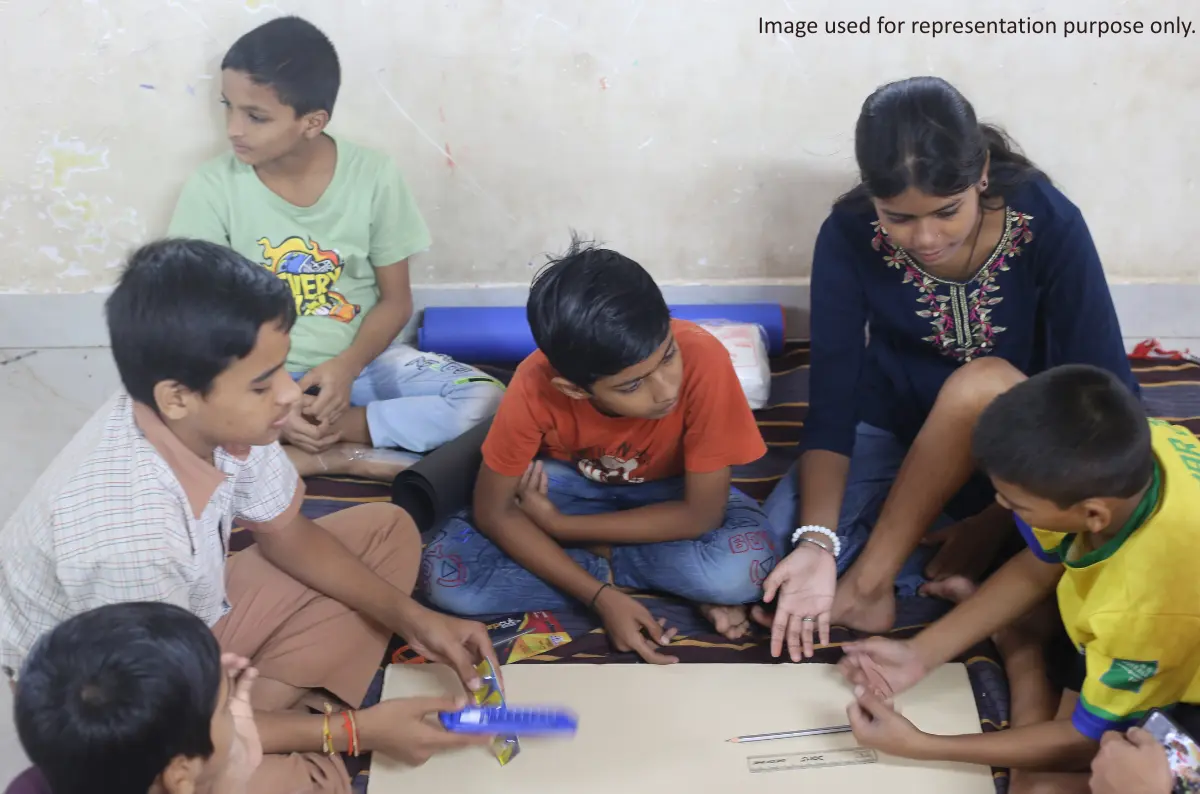
- Collaborative problem-solving: Group projects or challenges require cooperation, negotiation, and communication, all vital SEL skills.
- Mindfulness practices: Short breathing exercises, guided visualization, or body scans teach children to manage stress and regulate emotions.
These activities not only strengthen SEL competencies but also improve focus, resilience, and academic engagement.
Also Read: Effects of Child Labor
How Parents Can Foster SEL at Home
Parents play a critical role in reinforcing social and emotional learning outside school:
- Model emotional expression: Demonstrate healthy ways to communicate feelings using statements like, “I feel frustrated because…”
- Encourage empathy: Discuss scenarios and ask children how others might feel, nurturing perspective-taking.
- Praise social effort: Recognize acts of kindness, sharing, and cooperation rather than just achievements.
- Regular check-ins: Ask “How are you feeling today?” to normalize emotional awareness and dialogue.
When parents actively practice SEL strategies at home, children gain consistency and reinforcement that strengthens their emotional and social growth.
Also Read: Importance of STEM Education
The Impact of SEL on Long-term Growth and Well-being
SEL’s Role in Preventing Behavioral Issues and Promoting Mental Health
Children equipped with strong SEL skills are better at managing impulses, delaying gratification, and handling stress. This reduces the risk of behavioral issues, substance abuse, and social conflicts. Early SEL intervention acts as a preventive measure, helping children develop emotional resilience and mental stability before problems escalate.
How SEL Contributes to Success in Adulthood
The benefits of SEL extend well into adulthood. Adults with strong social and emotional foundations are effective communicators, empathetic collaborators, and responsible decision-makers. They navigate workplace challenges, family relationships, and societal responsibilities with confidence and integrity. In short, what is social and emotional learning in childhood directly translates into personal, professional, and community success in adulthood.
Also Read: STEM Activities for Kids
How CRY America Promotes Social and Emotional Learning for Children
At CRY America, we recognize that holistic child development includes nurturing emotional and social skills. By integrating social and emotional learning activities into our programs, we aim to ensure that every child not only survives but thrives.
Our initiatives focus on:
- Empowering local partners: We support trusted community organizations to implement SEL programs in schools and community centers. Trained educators and volunteers deliver activities, workshops, and support to children.
- Parent engagement: Families are trained in SEL techniques, creating a consistent home environment that reinforces emotional and social growth.
- Safe spaces for learning: Children are provided nurturing, protective environments where they can explore emotions, resolve conflicts, and form healthy relationships.
- Holistic approach: SEL is integrated with health, nutrition, protection, and education programs, recognizing that emotional development is inseparable from overall well-being.
By focusing on both the child and their environment, CRY America ensures SEL interventions are sustainable, effective, and far-reaching.
Donate to CRY America and help ensure that every child grows with the confidence, empathy, and skills they need to succeed in life. Together, we can transform childhoods and empower generations.
Also Read: Need to Provide Quality Education
FAQs (Frequently Asked Questions) on Social and Emotional Learning
How does social and emotional learning impact children’s development?
Social and emotional learning (SEL) helps children understand and manage emotions, build healthy relationships, and make responsible decisions. It strengthens focus, problem-solving, and resilience, supporting both academic success and personal growth. SEL lays the foundation for lifelong emotional intelligence and social competence.
What are some social and emotional learning activities for children?
SEL activities include emotion-labeling games, role-playing social scenarios, mindfulness exercises, journaling, group problem-solving, and collaborative projects. These activities teach children to recognize emotions, practice empathy, communicate effectively, and navigate challenges, fostering emotional regulation, social awareness, and responsible decision-making in everyday life.
How can parents support social and emotional learning at home?
Parents can model healthy emotional expression, encourage empathy, praise cooperative behavior, and maintain open conversations about feelings. Simple practices like “feeling check-ins,” guiding problem-solving, and reinforcing social skills during daily routines help children strengthen self-awareness, emotional regulation, and relationship-building skills outside school.
What is the connection between social and emotional learning and mental health?
SEL strengthens mental health by teaching children to manage emotions, cope with stress, and resolve conflicts constructively. It reduces anxiety, depression, and behavioral issues while promoting resilience. Children with strong SEL skills develop confidence, emotional stability, and coping strategies that support lifelong psychological well-being.
Also Read: Combat Gender Stereotypes
Recommended for you