











Children's Right to Health in India: Everything You Need to Know
Every child deserves the opportunity to grow up healthy, safe, and supported. Good health plays a vital role in a child’s learning, emotional well-being, confidence, and future success. However, many children in India still lack access to proper nutrition, healthcare, clean water, and sanitation. This makes conversations around the right to health and children's right to health in India increasingly important. Understanding what is right to health in India can help families, communities, and organizations work together to ensure every child receives the care and protection they deserve.
What Is the Right to Health and Why Does It Matter for Children?
The right to health means that every person should have access to healthcare services, nutritious food, clean water, sanitation, and a healthy environment. For children, this right becomes even more critical because their physical and mental development depends on proper care during the early years of life.
Children are more vulnerable to illness, malnutrition, infections, and poor living conditions. Without healthcare support, even preventable diseases can become life threatening. The right to health in India is closely linked with a child’s right to education, protection, and dignity.
When children are healthy, they can attend school regularly, participate in activities, and build brighter futures. Protecting children's right to health in India is not only a social responsibility but also an investment in the nation’s growth and progress.
Also Read: Child Rights in India: How Far Have We Come and What More Needs to Be Done
Children's Right to Health in India: The Legal and Constitutional Framework
India recognizes the importance of child health through several constitutional provisions, laws, and policies. While the Constitution does not explicitly mention the right to health, it strongly supports it through the Right to Life under Article 21. Indian courts have repeatedly interpreted this article to include access to healthcare and medical support.
Article 39 encourages the protection of children’s health and development, while Article 47 places responsibility on the state to improve public health and nutrition. Together, these provisions strengthen the framework supporting children's right to health in India.
India is also a signatory to the United Nations Convention on the Rights of the Child, which recognizes every child’s right to the highest attainable standard of health. This global commitment further reinforces the importance of the right to health in India.
Several national policies and programmes focus on child welfare, maternal healthcare, immunization, nutrition, and disease prevention. These initiatives aim to reduce child mortality and improve overall health outcomes across the country.
Key Challenges Threatening Children's Right to Health in India
Despite progress, many barriers continue to affect children's right to health in India. Poverty, poor infrastructure, and lack of awareness prevent millions of children from receiving proper healthcare and nutrition.
-
Malnutrition and Stunted Growth
Malnutrition remains one of the biggest threats to the right to health for children. Many children do not receive enough nutritious food, leading to stunted growth, weak immunity, and developmental delays.
-
Inadequate Access to Clean Water and Sanitation
Unsafe drinking water and poor sanitation expose children to infections and waterborne diseases. Limited hygiene facilities directly impact the right to health in India, especially in vulnerable communities.
-
Poor Healthcare Infrastructure in Rural Areas
Many rural regions lack hospitals, trained doctors, medicines, and emergency services. This makes it difficult for families to access timely treatment and protect children's right to health in India.
-
Lack of Awareness Among Parents and Communities
In several communities, limited awareness about nutrition, vaccination, hygiene, and preventive healthcare affects children’s well-being. Awareness is essential to strengthen the right to health for every child.
Also Read: What Is Malnutrition
Government Initiatives Supporting Children's Right to Health in India
The Indian government has launched several programmes to improve healthcare access and protect children's right to health in India. These initiatives focus on nutrition, maternal care, disease prevention, and child development.
-
National Health Mission and Child Health Programmes
The National Health Mission works to improve healthcare delivery across India, especially in rural and underserved regions. Child health programmes under this mission support newborn care, disease prevention, and maternal health services.
-
Poshan Abhiyaan and Immunisation Drives
Poshan Abhiyaan focuses on reducing malnutrition and improving nutrition awareness among families. Nationwide immunization campaigns also play a major role in protecting children from preventable diseases and strengthening the right to health in India.
Also Read: Vaccines & Newborns: Why Immunization Is Key to Infant Survival
How CRY Is Championing Children's Right to Health Across India
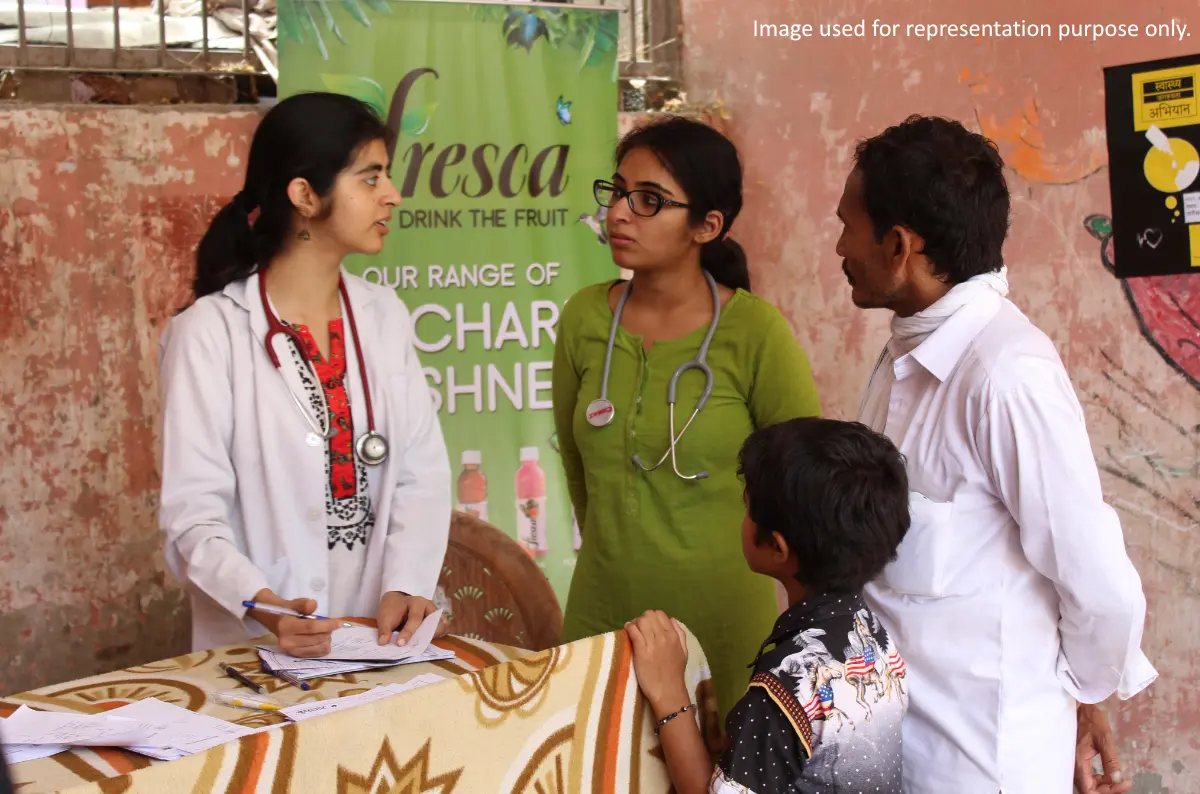
For decades, CRY America has worked to protect children's right to health in India by supporting vulnerable communities and improving access to essential healthcare services. The organization focuses on creating long-term, sustainable change through grassroots partnerships and community engagement.
CRY America works closely with local communities to improve maternal and child healthcare, nutrition awareness, sanitation, and immunization coverage. The organization also helps families understand the importance of healthcare access, regular checkups, and balanced nutrition.
By supporting healthcare centers, awareness programmes, and child development initiatives, CRY America strengthens the foundation of the right to health for children across India. The organization also advocates for policy-level improvements to ensure that every child receives proper care and protection.
Through community-driven action and long-term support, CRY America continues to create healthier futures for children who are most at risk.
What More Needs to Be Done to Protect Children's Right to Health
Although India has made important progress, there is still a long way to go in ensuring full protection of children's right to health in India. Greater investment in healthcare infrastructure, especially in rural and underserved regions, is essential.
Improving nutrition programmes, sanitation facilities, and access to clean drinking water can significantly improve child health outcomes. Awareness campaigns must also educate families about preventive healthcare, vaccination, and maternal wellbeing.
Stronger coordination between government bodies, healthcare workers, schools, nonprofits, and local communities can help expand the reach of healthcare services. Protecting the right to health in India requires collective action and long-term commitment from every section of society.
Conclusion: Every Child Deserves the Right to Health and a Healthy Future
Every child deserves a healthy childhood filled with care, safety, nutrition, and opportunity. Protecting children's right to health in India is essential for building stronger communities and a better future for the country. By improving healthcare access, spreading awareness, and supporting organizations like CRY America, we can help ensure that every child receives the healthy start they deserve.
FAQ on Children's Right to Health in India:
What is the right to health in India?
The right to health in India refers to every individual’s access to healthcare services, nutritious food, clean water, sanitation, and a healthy environment. Although it is not directly mentioned as a fundamental right, Indian courts recognize healthcare as part of the Right to Life under Article 21 of the Constitution.
Do children have a legal right to health in India?
Yes, children's right to health in India is supported through constitutional provisions, child welfare laws, and international commitments like the United Nations Convention on the Rights of the Child. These protections aim to ensure children receive healthcare, nutrition, and safe living conditions.
What are the main barriers to children's right to health in India?
Major barriers include malnutrition, poverty, poor sanitation, lack of healthcare facilities in rural areas, and limited awareness about preventive healthcare. These challenges continue to affect the effective implementation of the right to health for millions of children across India.
How has India's child health situation improved over the last decade?
India has made progress through improved immunization coverage, better maternal healthcare, nutrition programmes, and reduced child mortality rates. Government initiatives and nonprofit organizations have helped strengthen children's right to health in India by improving healthcare access and awareness.
How does CRY work to protect children's right to health in India?
CRY America works with grassroots organizations to improve healthcare access, nutrition, sanitation, and awareness in vulnerable communities. Through long term interventions and community support, the organization helps strengthen the right to health in India and create healthier futures for children.

World Environment Day 2026: Why a Healthy Environment is a Fundamental Child Right
Children deserve clean air, safe water, and healthy surroundings to grow and thrive. Environmental damage continues to threaten children through pollution, climate change, and unsafe living conditions. World Environment Day reminds communities and governments that protecting the environment also means protecting children and creating healthier, safer futures for the next generation.
What Is World Environment Day?
World Environment Day is a global awareness day led by the United Nations to encourage environmental protection and sustainable action. Celebrated every year on June 5, the day brings together governments, organizations, schools, communities, and individuals to address environmental challenges affecting people and the planet.
The event focuses on raising awareness about issues such as pollution, climate change, deforestation, biodiversity loss, and waste management. More importantly, World Environment Day encourages collective action to create healthier environments for current and future generations.
For children, environmental protection is deeply connected to their health and wellbeing. Understanding what is World Environment Day helps communities recognize the urgent need to protect children from environmental harm.
Also Read: How Environmental Pollution Affects Child Health
When Is World Environment Day and Why Is June 5 So Significant?
Many people often ask, when is World Environment Day celebrated each year. The answer is June 5. The United Nations established June 5 World Environment Day in 1972 during the Stockholm Conference on the Human Environment.
Since then, the day has become one of the largest global platforms for environmental awareness and action. Every year, different countries host international events focused on urgent environmental issues and solutions.
The significance of June 5 World Environment Day goes beyond awareness campaigns. It serves as a reminder that environmental challenges directly affect public health, livelihoods, food security, and children’s futures. For millions of children in India, environmental conditions influence their access to safe housing, clean water, healthcare, and education.
What Is the Purpose of World Environment Day?
Understanding what is the purpose of World Environment Day helps highlight the importance of collective environmental action.
- Raises awareness about pollution, climate change, deforestation, and waste management
• Encourages sustainable habits and environmental responsibility
• Inspires governments, businesses, schools, and communities to take action
• Promotes healthier environments for children and vulnerable communities
• Protects children from environmental risks such as disease, unsafe water, and climate disasters
A cleaner environment supports healthier childhoods, stronger communities, and a safer future for everyone.
Why a Healthy Environment Is a Fundamental Right for Every Child
Following factors make a healthy environment a fundamental right for every child.
-
Air Pollution and Its Impact on Child Health
Air pollution increases the risk of respiratory illnesses, infections, asthma, and developmental problems in children. Poor air quality weakens children’s immunity and affects their overall health and well-being.
-
Unsafe Water and Sanitation as an Environmental Threat to Children
Poor sanitation and quality of drinking water expose children to infections and waterborne diseases. Limited access to hygiene facilities continues to threaten healthy childhoods in vulnerable communities.
-
Climate Change and the Growing Vulnerability of Children in India
Climate change increases heatwaves, floods, droughts, and food insecurity. These environmental challenges place millions of children in India at greater risk of displacement, malnutrition, illness, and disrupted education.
Also Read: Let's Protect Underserved Children from Ill Health
How India Is Responding to Environmental Threats Affecting Children
India has introduced several policies and environmental programmes to improve sustainability and reduce environmental harm. Efforts to improve sanitation, clean energy access, waste management, and pollution control aim to create healthier living conditions for communities and children.
Environmental awareness campaigns and community participation also play an important role in supporting child well-being and long-term environmental protection across the country.
Government Policies and Green Initiatives for Child Wellbeing
Government programmes promoting clean water, sanitation, renewable energy, afforestation, and pollution control contribute to healthier environments for children. These initiatives help reduce health risks linked to environmental damage.
Community-Led Environmental Action for Healthier Childhoods
Local communities, schools, nonprofits, and volunteers are creating meaningful environmental change through tree plantation drives, waste reduction programmes, water conservation efforts, and environmental education campaigns that support healthier childhoods.
How CRY Is Fighting for Children's Right to a Safe Environment
CRY America believes that every child deserves a safe and healthy environment where they can grow, learn, and thrive. Environmental protection is closely connected to child rights because pollution, unsafe living conditions, poor sanitation, and climate-related disasters directly affect children’s health and development.
CRY America works with grassroots organizations and local communities to improve access to clean water, sanitation, nutrition, healthcare, and safe living conditions for vulnerable children. The organization also supports awareness programmes that educate families and communities about environmental health and child well-being.
By strengthening community participation and advocating for sustainable development, CRY America helps protect children from environmental risks that threaten their futures. The organization recognizes that creating safer environments is essential for ensuring healthy childhoods and equal opportunities for every child.
Through long-term interventions and community-driven action, CRY America continues working toward a future where every child can grow up in a cleaner, safer, and healthier world.
What World Environment Day 2026 Must Mean for India's Children
World Environment Day 2026 must become more than just an awareness campaign. It should serve as a strong reminder that environmental protection and child protection are deeply connected. Every child deserves clean air, safe drinking water, healthy food, and secure living conditions.
India must continue investing in sustainable development, pollution control, climate resilience, and environmental education to protect future generations. Schools, families, organizations, and communities all have a role to play in building environmentally responsible habits.
Understanding what is the purpose of World Environment Day can inspire people to take everyday actions that support healthier childhoods and safer communities. Small changes today can create lasting impact for future generations.
Conclusion: A Greener World Is a Better World for Every Child
A safe environment is essential for every child’s health, safety, and future. Protecting nature also means protecting children from illness, poverty, and environmental harm. As we observe June 5 World Environment Day, it is important to remember that every action toward a cleaner planet helps build a healthier and brighter future for children everywhere.
FAQ on World Environment Day 2026
What is World Environment Day?
World Environment Day is a global awareness day led by the United Nations that encourages environmental protection and sustainable action. Celebrated every year on June 5, it focuses on issues such as pollution, climate change, conservation, and protecting natural resources for future generations.
When is World Environment Day celebrated every year?
Many people ask, when is World Environment Day celebrated? It is observed every year on June 5. The day was established by the United Nations in 1972 to encourage global awareness and environmental action across communities, organizations, and governments worldwide.
What is the purpose of World Environment Day?
The main answer to what is the purpose of World Environment Day is creating awareness and encouraging action for environmental protection. The day inspires people to address pollution, climate change, waste management, conservation, and sustainable living to protect both people and the planet.
What is the theme of World Environment Day 2026?
The official theme for World Environment Day 2026 may be announced closer to the event by the United Nations Environment Programme. Every year, the theme highlights a major environmental issue requiring urgent global attention and collective action.
How does a healthy environment protect children's rights in India?
A healthy environment supports children’s health, nutrition, education, and safety. Clean air, safe water, sanitation, and protection from pollution reduce health risks and improve overall well-being. Protecting the environment is essential for protecting children’s rights and ensuring healthier futures across India.
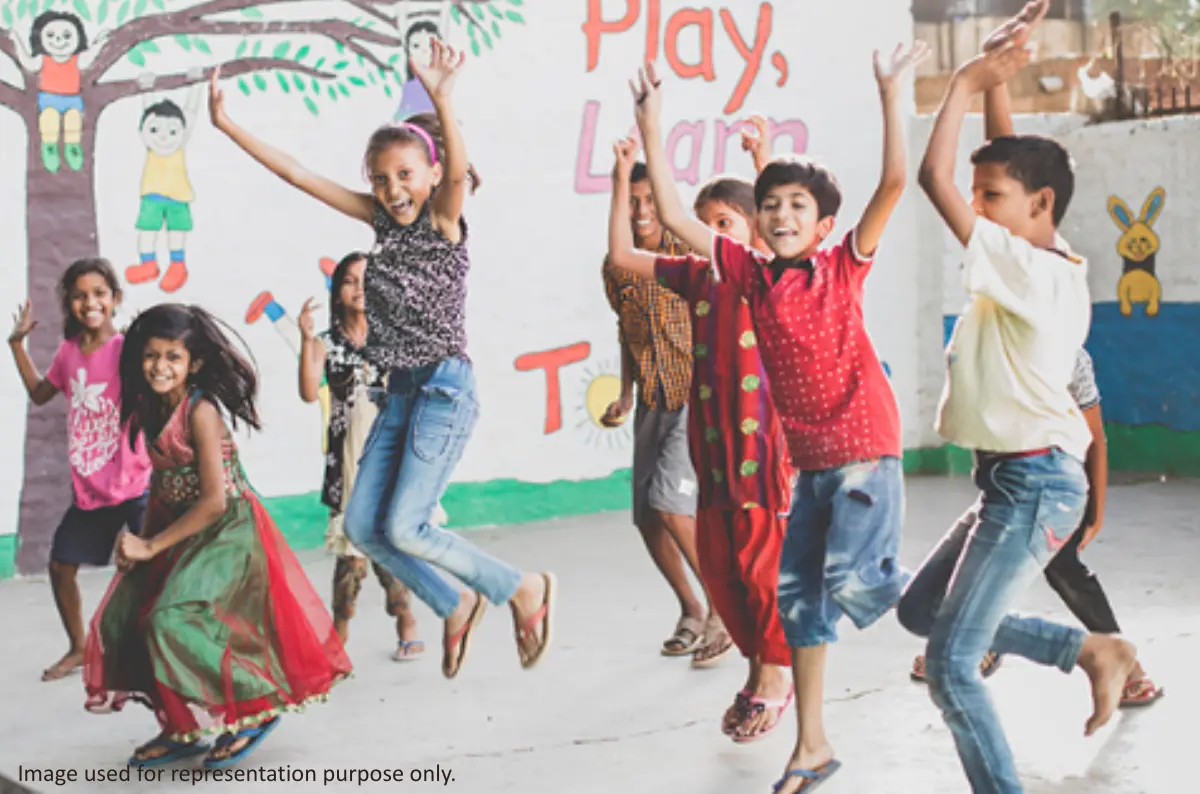
Beyond the Classroom: The Evolving Importance of Physical Education in India's Education System
Education goes beyond academics and exams. Physical education helps children build confidence, teamwork, discipline, emotional well-being, and healthy habits. Across India, awareness about the importance of physical education is growing as schools and families recognize that sports and physical activities are essential for holistic child development and lifelong well-being.
What Is Physical Education and Why Does It Matter?
Physical education refers to structured physical activities, sports, exercise, and movement-based learning that help improve a child’s physical, mental, emotional, and social development. It is an important part of holistic education and encourages children to build healthy habits from an early age.
Many parents often ask, what is the importance of physical education for children today. The answer goes beyond physical fitness. Physical activity supports better concentration, emotional balance, confidence, communication skills, and teamwork.
In schools, physical education in Indian schools helps children stay active while reducing stress and encouraging positive social interaction. It also teaches discipline, leadership, resilience, and problem-solving skills that support lifelong growth and well-being.
Also Read: The Importance of Early Childhood Care and Education
The Importance of Physical Education for Children's Overall Development
The importance of physical education can be seen in every aspect of a child’s development. Children who participate in sports and regular physical activity often show improved concentration, stronger social skills, and better emotional well-being.
Physical activity supports healthy growth by improving strength, flexibility, coordination, and immunity. It also helps reduce the risk of obesity, lifestyle diseases, and unhealthy habits at an early age. In today’s digital world, where children spend long hours on screens, physical education encourages movement and active lifestyles.
The emotional benefits are equally important. Sports and games help children manage stress, build self confidence, and develop resilience. Team activities encourage communication, cooperation, and empathy among children from different backgrounds.
Many educators now recognize that physical education in India should not be treated as an optional activity. It is a key part of holistic learning that supports academic success and personal growth. Understanding what is the importance of physical education helps parents and schools create balanced learning experiences that nurture both mind and body.
The Current State of Physical Education in India
Although awareness about physical education in India is growing, access and implementation still vary greatly across schools and communities. Many schools continue to prioritize academic performance over sports and physical activity, limiting opportunities for children to participate regularly.
Lack of trained instructors, limited playgrounds, poor infrastructure, and unequal access remain major challenges in strengthening physical education in Indian schools.
Also Read: Breaking the Cycle: Importance of Education in Rural Areas
Physical Education in Indian Schools: Where Do We Stand?
In many schools, physical education periods are irregular or treated as secondary to academics. While some private schools offer structured sports programmes, many government and low-income schools still lack proper facilities and trained teachers.
The Urban Rural Divide in Access to Physical Education
Urban schools often have better sports facilities and extracurricular programmes compared to rural schools. In rural communities, children may face limited access to playgrounds, equipment, trained instructors, and organized sports opportunities.
Key Benefits of Physical Education Beyond Fitness
The value of physical education extends beyond exercise and sports performance. It contributes to emotional wellbeing, social development, school engagement, and confidence building among children.
-
Mental Health and Emotional Wellbeing
Regular physical activity helps reduce stress, anxiety, and emotional pressure in children. Sports also improve mood, self esteem, confidence, and emotional resilience during growing years.
-
Building Teamwork, Discipline and Leadership in Children
Sports teach children cooperation, discipline, responsibility, communication, and leadership skills. These experiences help children develop confidence and stronger interpersonal relationships both inside and outside school.
-
Reducing Dropout Rates and Improving School Engagement
Participation in sports and physical activities can increase school attendance and student engagement. Children who enjoy school activities are often more motivated to continue learning and stay connected to education.
Also Read: The Need to Provide Quality Education for Marginalized Children
What Policy and Reform Can Do for Physical Education in India
Policy reform can play a major role in improving physical education in India by ensuring equal access to sports and movement-based learning across schools. Stronger investment in infrastructure, teacher training, and sports programmes can create healthier learning environments for children.
Integrating physical education into mainstream education systems can also encourage schools to prioritize student well-being alongside academics.
NEP 2020 and Its Vision for Holistic Education Including Sports
The National Education Policy 2020 promotes holistic learning by recognizing sports and physical activity as important parts of education. The policy encourages schools to support physical development alongside academic learning and emotional growth.
Government Schemes and Initiatives Promoting Physical Education
Several government programmes support sports participation, school fitness, and youth development across India. These initiatives aim to improve infrastructure, encourage talent development, and strengthen physical education in Indian schools.
Also Read: The Need to Provide Quality Education for Marginalized Children
How CRY Is Working to Ensure Holistic Education for Every Child
CRY America believes that every child deserves access to quality education that supports both academic and personal development. This includes opportunities for sports, play, movement, and emotional growth through physical education and holistic learning programmes.
The organization works closely with grassroots partners, schools, teachers, and communities to improve educational access and child well-being. CRY America supports initiatives that encourage safe learning spaces, extracurricular activities, and child-centered education for vulnerable children.
By promoting holistic education, CRY America helps children build confidence, social skills, leadership qualities, and emotional resilience. The organization recognizes that the importance of physical education goes beyond fitness because active learning environments support healthier, happier, and more engaged children.
CRY America also advocates for equal educational opportunities so that children from underserved communities can access sports, recreation, and safe spaces for development. Through community-driven action and long-term support, the organization continues working toward a future where every child receives a balanced and inclusive education.
What Needs to Change to Make Physical Education a Priority in India
India must continue strengthening physical education in India by treating it as an essential part of learning rather than an optional activity. Schools need better infrastructure, trained instructors, playgrounds, and dedicated time for sports and movement-based activities.
Awareness among parents and educators is equally important. Understanding what is the importance of physical education can help shift attitudes toward more balanced education systems that support physical, mental, and emotional wellbeing.
Greater government investment, stronger school policies, and community support can help ensure equal access to sports and recreational opportunities for all children, regardless of their background or location.
Conclusion: Physical Education Is Not a Privilege, It Is Every Child's Right
Every child deserves the opportunity to learn, play, move, and grow in healthy environments. The importance of physical education goes far beyond fitness because it shapes confidence, well-being, leadership, and lifelong health. Strengthening physical education in Indian schools can help build healthier children, stronger communities, and a more balanced education system for future generations.
FAQ on Physical Education in India
What is the importance of physical education for children?
The importance of physical education lies in supporting children’s physical health, emotional well-being, teamwork, confidence, and social development. Regular physical activity also improves concentration, discipline, communication skills, and healthy lifestyle habits from an early age.
What is the current status of physical education in Indian schools?
Physical education in Indian schools continues to face challenges such as limited infrastructure, lack of trained instructors, and unequal access in rural areas. While awareness is improving, many schools still prioritize academics over sports and physical activities.
How does physical education benefit a child's mental health?
Physical activity helps children reduce stress, improve mood, build confidence, and strengthen emotional resilience. Sports and games also encourage social interaction, teamwork, and positive emotional development, supporting overall mental well-being.
Is physical education compulsory in schools in India?
Physical education is encouraged under educational policies such as NEP 2020, which promotes holistic learning and student well-being. However, implementation and accessibility vary across schools and regions in India.
How does CRY promote physical education and holistic learning for children in India?
CRY America supports holistic education by working with schools and communities to improve child well-being, learning opportunities, extracurricular activities, and safe spaces for development. The organization believes physical activity and balanced education are important for every child’s growth and future.
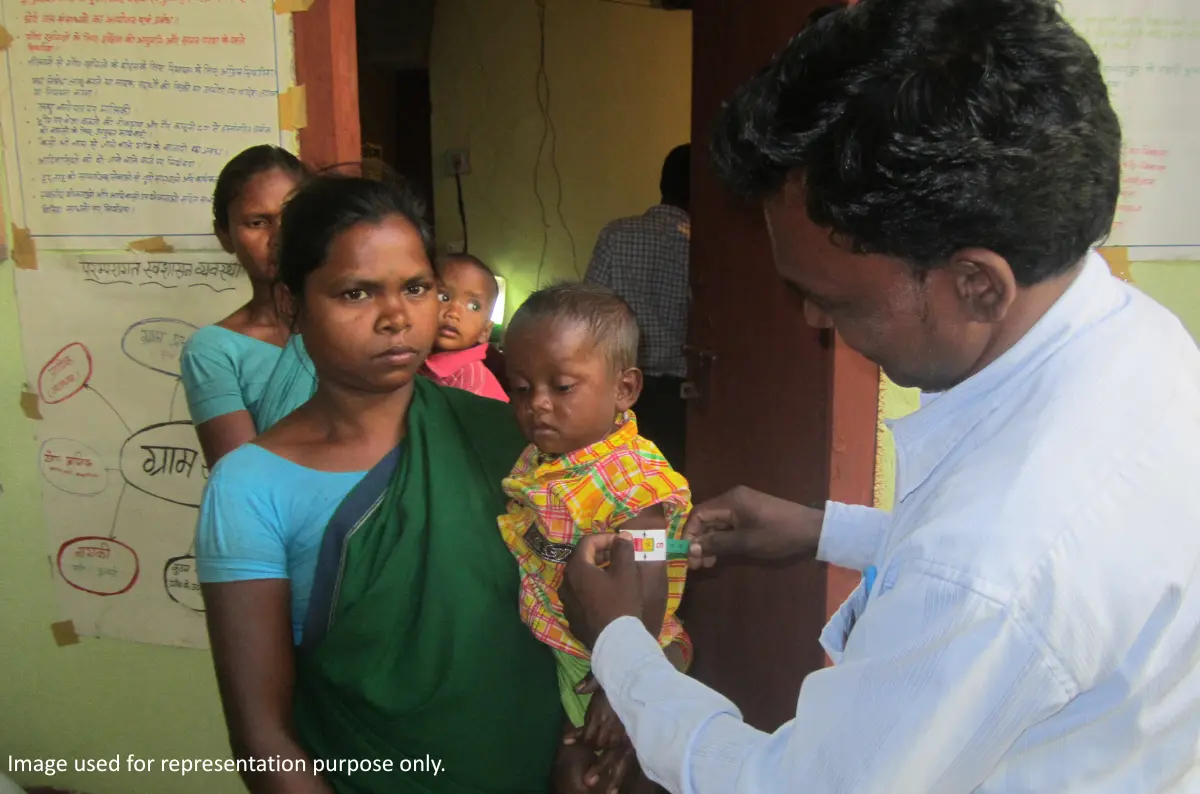
What Is Vaccine Hesitancy and How Does It Affect Children in Rural India?
In many parts of rural India, children’s futures depend not just on opportunity, but on access to basic healthcare. While vaccines are one of the most effective tools to protect children from life-threatening diseases, they are still not reaching every child who needs them. And often, the barrier is not availability, but hesitation.
According to the National Family Health Survey-5 (NFHS-5), even as India’s overall immunization coverage has improved to 76.4%, in some underserved rural communities, nearly 4 in 5 caregivers still show some level of vaccine hesitancy.
In this blog, we explore what is vaccine hesitancy, the reasons behind it, its impact on children’s health, and what CRY America is doing to address it in India.
Vaccine hesitancy definition
Vaccination plays a crucial role in protecting pregnant and lactating women, while also helping build early immunity in infants during their most vulnerable stages of life.
Vaccine hesitancy refers to a delay in acceptance or refusal of vaccines despite their availability. It reflects uncertainty, fear, or lack of confidence in getting vaccinated on time.
This hesitation can affect different groups:
Pregnant women: Missing recommended vaccines can increase health risks for both the mother and the unborn child.
Lactating mothers: Limited awareness or concerns may affect postnatal care and indirectly influence infant health.
Infants and young children: Delayed or missed vaccinations leave them unprotected against preventable diseases during critical early years.
Also Read: Vaccines & Newborns: Why Immunization Is Key to Infant Survival
Causes of vaccine hesitancy in rural India
Vaccine hesitancy in India is shaped by a mix of information gaps, access challenges, and social influences.
- Misinformation and myths: Concerns around safety and side effects often stem from incomplete or incorrect information.
- Limited awareness: Many families are unaware of vaccination schedules or the long-term benefits of immunization.
- Cultural beliefs and norms: Deep-rooted practices and community influences can discourage timely medical intervention.
- Barriers to access: Distance, irregular services, and logistical challenges make it harder to follow through on vaccinations.
- Lack of trained frontline workers: Without support to simplify medical information, families may find it harder to understand and trust vaccination guidance.
- Lack of trust: Past experiences or limited engagement with healthcare systems can affect confidence in vaccines.
Also Read: Anemia in Rural Children: A Health Problem We Can't Ignore
The impact on children’s health
The consequences of vaccine hesitancy are far-reaching and, at times, irreversible. Children who miss routine immunizations are at a higher risk of contracting diseases such as measles, polio, and tuberculosis, many of which can be fatal or lead to lifelong complications.
But the impact doesn’t stop there.There is a strong link between vaccination and nutrition. According to the National Institutes of Health (US), nearly 45% of under-five mortality is directly or indirectly linked to malnutrition. When children are undernourished, their immune systems are weaker, making them more susceptible to infections. Vaccination plays a critical role in protecting these children from life-threatening diseases that their bodies are less equipped to fight.
When pregnant and lactating mothers are hesitant about vaccines, it further affects the child’s health outcomes. A lack of maternal immunization can increase the risk of infections in newborns, while missed early vaccinations leave infants unprotected during a crucial stage of development. In this way, vaccine hesitancy in India doesn’t just delay protection, it deepens cycles of poor health, vulnerability, and preventable loss.
Also Read: What Is Malnutrition
What CRY America is doing to reduce vaccine hesitancy
Addressing vaccine hesitancy requires more than just access, it requires trust, awareness, and consistent engagement. CRY America’s projects through its grassroots partners, works closely with communities to bridge this gap and ensure that every child has a fair start in life. Here’s how:
- Spreading awareness: Through door-to-door visits and community campaigns, CRY America addresses myths around vaccination and educates families about the importance of timely immunization.
- Building support systems: Through the formation of mothers’ groups and parent modules, the project team creates safe spaces for discussion, learning, and shared responsibility, ensuring that mothers and newborns are safe and healthy.
- Conducting Village Health and Nutrition Days (VHNDs): CRY America’s project teams conduct regular VHNDs to provide essential maternal and child immunization services within the community itself.
- Supporting maternal health: CRY America’s project teams identify, monitor, and support pregnant and lactating women in registering with Anganwadi centers, ensuring access to Antenatal and Postnatal (ANC care, along with vaccinations.
- Tracking children’s progress: CRY America’s project teams closely monitor newborns and children aged 0–5 to ensure they receive vaccinations on time.
- Conducting training for frontline health workers: CRY America’s project teams conduct capacity-building training to educate frontline health workers about region-specific hesitations that prevent communities from accessing vaccinations, and encourage them to simplify medical information so families feel more confident in getting vaccinated.
Conclusion
For children in rural India, the cost of this hesitation can be their health, their development, and in some cases, their lives. But change is possible.When communities are informed, supported, and engaged, hesitation can turn into acceptance, and acceptance into action. Donate now to support CRY America’s ongoing efforts to help ensure healthier, happier futures for children.

International Day of Women and Girls in Science: What it means for Girls from Marginalized Communities
Introduction to the International Day of Women and Girls in Science
For many girls, curiosity begins early. They notice patterns, ask questions, and try to understand how things work. But for girls from marginalized communities, that curiosity often fades before it can grow. Not because they lack interest, but because they lack access. The International Day of Women and Girls in Science is a reminder that this gap still exists. It also reminds us that creating opportunities for girls in science cannot be limited to a single day.
In this blog, we explore the importance of women choosing science, how it can open doors for marginalized girls, the challenges that still remain, and how CRY America is helping bridge this gap
What is International Day of Women and Girls in Science?
The International Day of Women and Girls in Science highlights the need for equal access to science for women and girls. It brings attention to the gender gap in Science, Technology, Engineering, and Mathematics (STEM) and the importance of making science more inclusive.
The International Day of Women and Girls in Science 2026 continues to remind us that many girls are still excluded from these opportunities, especially those from underserved communities.
The Role of Women and Girls in Science
Women and girls have always contributed to science. Their work shapes solutions in health, environment, and technology, often bringing perspectives that are rooted in lived experiences. Their participation strengthens science in meaningful ways:
- Brings diverse thinking: Different life experiences lead to fresh ideas and more thoughtful approaches to problem solving.
- Improves problem solving: A wider range of perspectives helps address challenges in ways that are more practical and inclusive.
- Ensures solutions are more inclusive: When more voices are involved, outcomes are more likely to reflect the needs of all sections of society.
Challenges Faced by Women in Science
Despite progress, many women continue to face barriers at different stages of their journey. These challenges are often subtle, but deeply impactful. Some of the most common barriers include:
- Gender bias- Assumptions about roles and abilities can discourage women from pursuing or continuing in science.
- Lack of mentorship- Without guidance and role models, it becomes harder to navigate opportunities and build confidence.
- Limited access to resources- Unequal access to tools, networks, and learning opportunities can hold back growth.
Also Read: International Womens Day 2026
The Impact on Girls from Marginalized Communities
For girls from marginalized communities, these challenges go beyond access. They shape the course of their lives in lasting ways. As a result:
- Education is often disrupted or discontinued
- Irregular attendance and early dropouts reduce their chances of completing even basic schooling.
- Confidence and self belief are affected
- When opportunities are limited, girls may begin to doubt their abilities and potential.
- Career pathways become restricted
- Without exposure or support, fields like science can feel distant and difficult to pursue.
- Cycles of inequality continue
- Limited education often leads to fewer opportunities, reinforcing similar challenges for the next generation.
Barriers to Education and Opportunities
Access remains one of the biggest challenges for girls from marginalized communities. In many underserved areas, the lack of basic infrastructure makes consistent learning difficult and often discouraging. Schools may not have adequate facilities, and science learning tools are limited, leaving little room for practical understanding or engagement. Exposure to STEM is also minimal. When girls are not introduced to what science can offer, it becomes harder for them to imagine a future in it. The digital gap makes this even more pronounced. While some children are able to explore advanced learning opportunities, others struggle to stay connected to even basic education.
Overcoming Cultural and Socioeconomic Challenges
Cultural beliefs and economic realities often shape what girls are allowed to pursue. In many communities, education for girls is not always seen as essential, and investment in their learning may be considered less important than that of boys. Science, in particular, is often viewed as difficult or out of reach, which discourages girls from exploring it further. At the same time, household responsibilities take priority, leaving them with little time or energy to continue their education.
Changing this requires time, trust, and consistent effort. When girls are encouraged to stay in school and supported in their learning, it slowly begins to shift what they believe is possible for themselves.
The Role of Family and Community in Supporting Education
A girl’s environment plays a crucial role in shaping her future. When families and communities support her education, the impact is both visible and lasting.
With the right encouragement, she is more likely to stay in school longer, opening up pathways for growth and independence. That support also helps build her confidence, allowing her to trust her abilities and express herself more freely. When she feels seen and heard, she begins to explore opportunities beyond her immediate circumstances.
Also Read: Cognitive Development in Early Childhood
Empowering Women and Girls through STEM
STEM education goes beyond preparing girls for careers. It helps them build confidence, independence, and the ability to think for themselves. When girls engage with STEM, they begin to question, analyze, and understand the world around them in deeper ways. They learn how to approach challenges with clarity and find solutions with confidence. Over time, this strengthens their belief in their own abilities. Empowerment does not always appear in big, visible ways. Sometimes, it is a girl choosing to continue her education, asking a question without hesitation, or simply believing that she is capable of more.
How CRY America supports Girls from Marginalized Communities in Science
CRY America works to create an environment where girls from marginalized communities are able to learn, grow, and explore their potential without limitations. By focusing on access to quality education and working closely with families and communities, they address the barriers that often prevent girls from continuing their learning. Their efforts go beyond the child, helping shift mindsets that have long restricted opportunities for girls.
CRY America’s STEM Education Initiatives
CRY America’s STEM initiatives focus on making learning more accessible, engaging, and relevant for children in underserved communities. By introducing interactive and practical methods, children are able to connect concepts with real life experiences. This not only makes science easier to understand, but also more engaging and meaningful.
Partnerships with grassroots organizations further strengthen these efforts, ensuring that solutions are rooted in the realities of the communities they serve. Over time, this helps children, especially girls, see science not as something distant, but as something they can actively be a part of.
Across its projects, CRY America also supports STEM lab initiatives where children can learn through hands-on experiences. With guidance from trained mentors, girls are encouraged to ask questions, explore ideas, and build curiosity. This early exposure helps them develop the confidence to apply what they learn and, in time, find solutions to challenges within their own communities.
Also Read: Inclusive Education
Conclusion on International Day of Women and Girls in Science
The International Day of Women and Girls in Science 2026 reminds us that meaningful change takes sustained effort. It calls for continued investment in education, stronger support systems, and a collective shift in how we see girls’ potential.
Support CRY America’s ongoing work to ensure that more girls have the opportunity to learn, grow, and shape their own future in science.
FAQs on International Day of Women and Girls in Science
What is the history behind the International Day of Women and Girls in Science?
The International Day of Women and Girls in Science was established by the United Nations in 2015 to promote equal access to science for women and girls and to address gender gaps in STEM fields worldwide.
How can we improve access to STEM education for marginalized girls in India?
Improving access requires investment in schools, trained educators, and hands-on learning opportunities. The International Day of Women and Girls in Science 2026 highlights the need for community support, digital inclusion, and programs that encourage girls to stay in school.
What are the long-term benefits of encouraging girls from marginalized communities to pursue science?
Encouraging girls to pursue science leads to better career opportunities, financial independence, and stronger communities. The International Day of Women and Girls in Science emphasizes how inclusive education can break cycles of poverty and drive innovation.
What initiatives are there to provide scholarships and opportunities for girls in science from marginalized communities?
Many initiatives focus on scholarships, STEM labs, mentorship, and community-based programs. The International Day of Women and Girls in Science 2026 highlights efforts by organizations and governments to create equal learning opportunities for girls from underserved backgrounds.