











Education goes beyond academics and exams. Physical education helps children build confidence, teamwork, discipline, emotional well-being, and healthy habits. Across India, awareness about the importance of physical education is growing as schools and families recognize that sports and physical activities are essential for holistic child development and lifelong well-being.
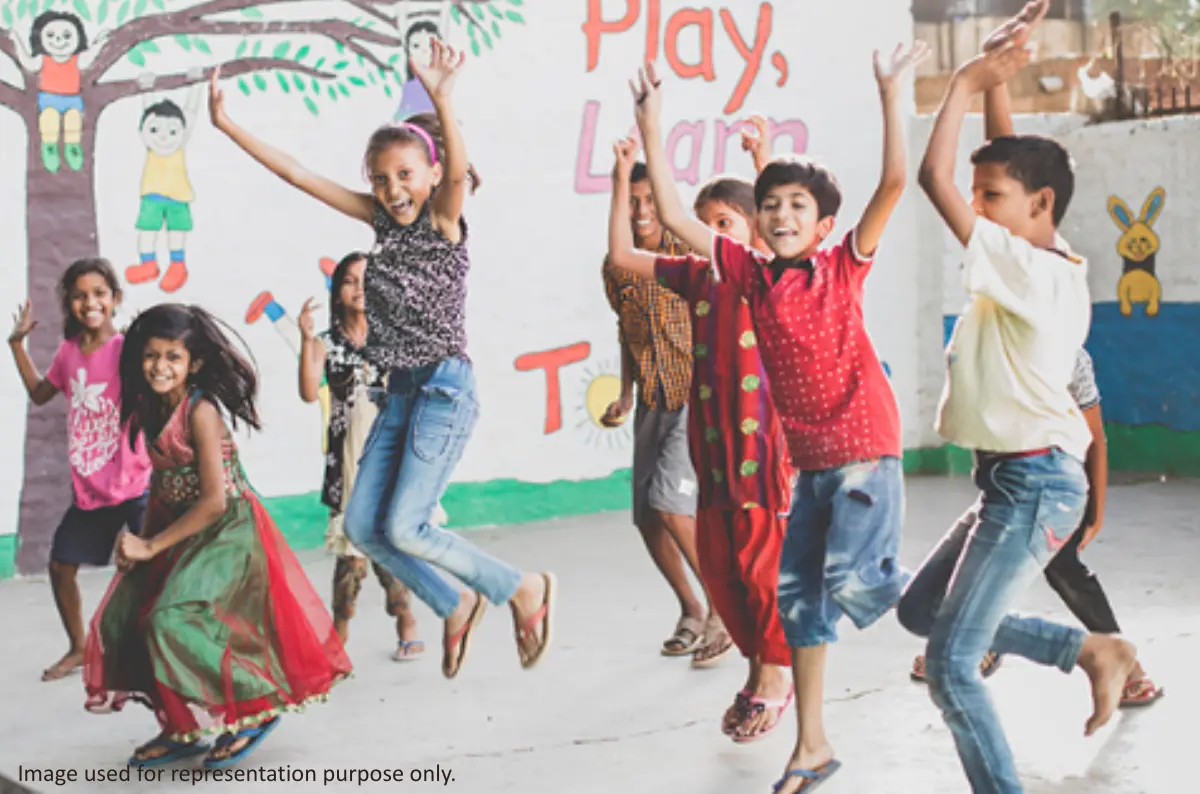
What Is Physical Education and Why Does It Matter?
Physical education refers to structured physical activities, sports, exercise, and movement-based learning that help improve a child’s physical, mental, emotional, and social development. It is an important part of holistic education and encourages children to build healthy habits from an early age.
Many parents often ask, what is the importance of physical education for children today. The answer goes beyond physical fitness. Physical activity supports better concentration, emotional balance, confidence, communication skills, and teamwork.
In schools, physical education in Indian schools helps children stay active while reducing stress and encouraging positive social interaction. It also teaches discipline, leadership, resilience, and problem-solving skills that support lifelong growth and well-being.
Also Read: The Importance of Early Childhood Care and Education
The Importance of Physical Education for Children’s Overall Development
The importance of physical education can be seen in every aspect of a child’s development. Children who participate in sports and regular physical activity often show improved concentration, stronger social skills, and better emotional well-being.
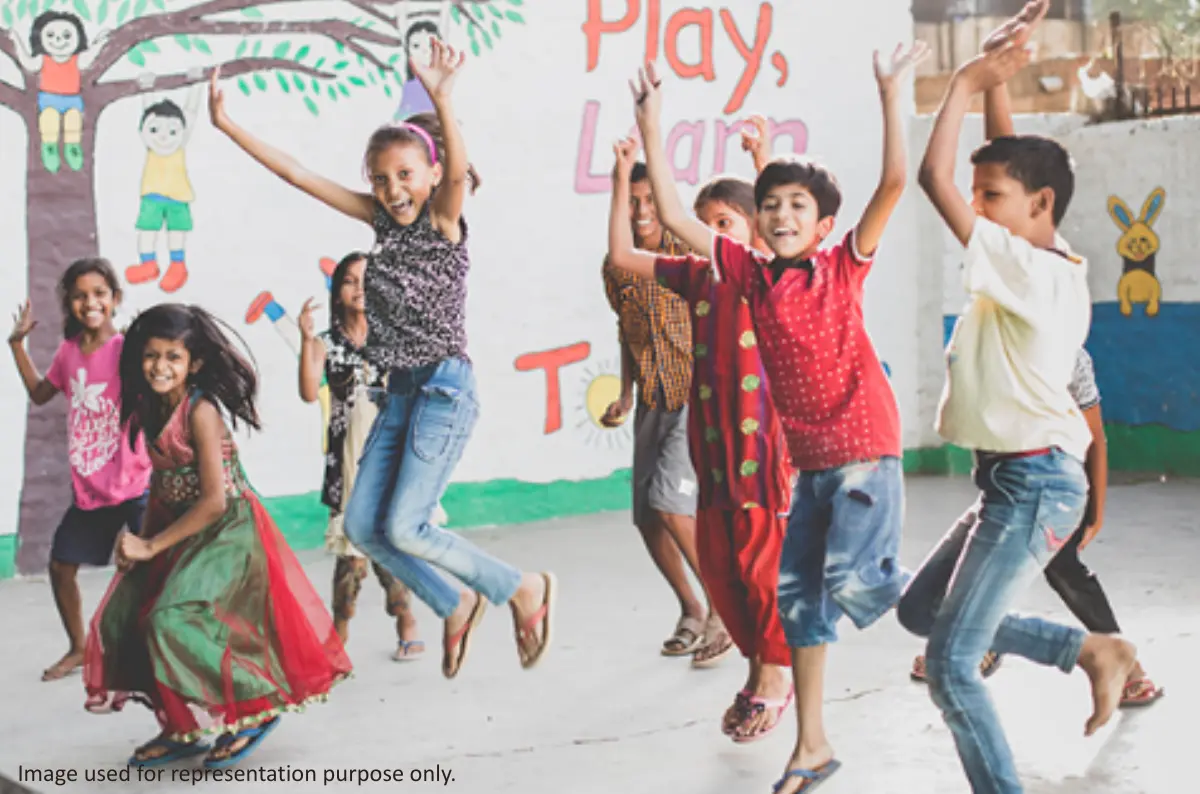
Physical activity supports healthy growth by improving strength, flexibility, coordination, and immunity. It also helps reduce the risk of obesity, lifestyle diseases, and unhealthy habits at an early age. In today’s digital world, where children spend long hours on screens, physical education encourages movement and active lifestyles.
The emotional benefits are equally important. Sports and games help children manage stress, build self confidence, and develop resilience. Team activities encourage communication, cooperation, and empathy among children from different backgrounds.
Many educators now recognize that physical education in India should not be treated as an optional activity. It is a key part of holistic learning that supports academic success and personal growth. Understanding what is the importance of physical education helps parents and schools create balanced learning experiences that nurture both mind and body.
The Current State of Physical Education in India
Although awareness about physical education in India is growing, access and implementation still vary greatly across schools and communities. Many schools continue to prioritize academic performance over sports and physical activity, limiting opportunities for children to participate regularly.
Lack of trained instructors, limited playgrounds, poor infrastructure, and unequal access remain major challenges in strengthening physical education in Indian schools.
Also Read: Breaking the Cycle: Importance of Education in Rural Areas
Physical Education in Indian Schools: Where Do We Stand?
In many schools, physical education periods are irregular or treated as secondary to academics. While some private schools offer structured sports programmes, many government and low-income schools still lack proper facilities and trained teachers.
The Urban Rural Divide in Access to Physical Education
Urban schools often have better sports facilities and extracurricular programmes compared to rural schools. In rural communities, children may face limited access to playgrounds, equipment, trained instructors, and organized sports opportunities.
Key Benefits of Physical Education Beyond Fitness
The value of physical education extends beyond exercise and sports performance. It contributes to emotional wellbeing, social development, school engagement, and confidence building among children.
-
Mental Health and Emotional Wellbeing
Regular physical activity helps reduce stress, anxiety, and emotional pressure in children. Sports also improve mood, self esteem, confidence, and emotional resilience during growing years.
-
Building Teamwork, Discipline and Leadership in Children
Sports teach children cooperation, discipline, responsibility, communication, and leadership skills. These experiences help children develop confidence and stronger interpersonal relationships both inside and outside school.
-
Reducing Dropout Rates and Improving School Engagement
Participation in sports and physical activities can increase school attendance and student engagement. Children who enjoy school activities are often more motivated to continue learning and stay connected to education.
Also Read: The Need to Provide Quality Education for Marginalized Children
What Policy and Reform Can Do for Physical Education in India
Policy reform can play a major role in improving physical education in India by ensuring equal access to sports and movement-based learning across schools. Stronger investment in infrastructure, teacher training, and sports programmes can create healthier learning environments for children.
Integrating physical education into mainstream education systems can also encourage schools to prioritize student well-being alongside academics.
NEP 2020 and Its Vision for Holistic Education Including Sports
The National Education Policy 2020 promotes holistic learning by recognizing sports and physical activity as important parts of education. The policy encourages schools to support physical development alongside academic learning and emotional growth.
Government Schemes and Initiatives Promoting Physical Education
Several government programmes support sports participation, school fitness, and youth development across India. These initiatives aim to improve infrastructure, encourage talent development, and strengthen physical education in Indian schools.
Also Read: The Need to Provide Quality Education for Marginalized Children
How CRY Is Working to Ensure Holistic Education for Every Child
CRY America believes that every child deserves access to quality education that supports both academic and personal development. This includes opportunities for sports, play, movement, and emotional growth through physical education and holistic learning programmes.
The organization works closely with grassroots partners, schools, teachers, and communities to improve educational access and child well-being. CRY America supports initiatives that encourage safe learning spaces, extracurricular activities, and child-centered education for vulnerable children.
By promoting holistic education, CRY America helps children build confidence, social skills, leadership qualities, and emotional resilience. The organization recognizes that the importance of physical education goes beyond fitness because active learning environments support healthier, happier, and more engaged children.
CRY America also advocates for equal educational opportunities so that children from underserved communities can access sports, recreation, and safe spaces for development. Through community-driven action and long-term support, the organization continues working toward a future where every child receives a balanced and inclusive education.
What Needs to Change to Make Physical Education a Priority in India
India must continue strengthening physical education in India by treating it as an essential part of learning rather than an optional activity. Schools need better infrastructure, trained instructors, playgrounds, and dedicated time for sports and movement-based activities.
Awareness among parents and educators is equally important. Understanding what is the importance of physical education can help shift attitudes toward more balanced education systems that support physical, mental, and emotional wellbeing.
Greater government investment, stronger school policies, and community support can help ensure equal access to sports and recreational opportunities for all children, regardless of their background or location.
Conclusion: Physical Education Is Not a Privilege, It Is Every Child’s Right
Every child deserves the opportunity to learn, play, move, and grow in healthy environments. The importance of physical education goes far beyond fitness because it shapes confidence, well-being, leadership, and lifelong health. Strengthening physical education in Indian schools can help build healthier children, stronger communities, and a more balanced education system for future generations.
FAQ on Physical Education in India
What is the importance of physical education for children?
The importance of physical education lies in supporting children’s physical health, emotional well-being, teamwork, confidence, and social development. Regular physical activity also improves concentration, discipline, communication skills, and healthy lifestyle habits from an early age.
What is the current status of physical education in Indian schools?
Physical education in Indian schools continues to face challenges such as limited infrastructure, lack of trained instructors, and unequal access in rural areas. While awareness is improving, many schools still prioritize academics over sports and physical activities.
How does physical education benefit a child’s mental health?
Physical activity helps children reduce stress, improve mood, build confidence, and strengthen emotional resilience. Sports and games also encourage social interaction, teamwork, and positive emotional development, supporting overall mental well-being.
Is physical education compulsory in schools in India?
Physical education is encouraged under educational policies such as NEP 2020, which promotes holistic learning and student well-being. However, implementation and accessibility vary across schools and regions in India.
How does CRY promote physical education and holistic learning for children in India?
CRY America supports holistic education by working with schools and communities to improve child well-being, learning opportunities, extracurricular activities, and safe spaces for development. The organization believes physical activity and balanced education are important for every child’s growth and future.
Recommended for you