













Raising Awareness for Child Trafficking During Human Trafficking Awareness Month
Human trafficking is not a distant or abstract issue. It is real, persistent, and deeply rooted in social and economic gaps. Child trafficking, in particular, remains one of the most hidden yet devastating crimes. Human Trafficking Awareness Month serves as a reminder that awareness is not optional. It is one of the strongest tools available to prevent exploitation, protect vulnerable children, and push institutions to act with urgency.
Summary / TL;DR on Human Trafficking Awareness Month
- Human Trafficking Awareness Month highlights the ongoing reality of human trafficking, with a strong focus on the risks faced by children.
- Child trafficking in India is driven by factors such as poverty, lack of education, and inadequate protective systems.
- Children are commonly exploited through forced labor, abuse, and other forms of exploitation.
- Awareness campaigns help communities recognize warning signs and take early action.
- Collaboration between communities, non-profit organizations, and authorities is essential for prevention, protection, and recovery.
Understanding Human Trafficking Awareness Month
Human Trafficking Awareness Month is observed every year to educate the public, strengthen prevention efforts, and amplify survivor voices. It is a time when governments, civil society, schools, and media platforms focus on exposing the realities of trafficking and the systems that allow it to continue.
What is Human Trafficking Awareness Month?
Human Trafficking Awareness Month is observed in January and is dedicated to informing people about how trafficking operates, who is most at risk, and how exploitation often goes unnoticed. It encourages learning, reporting, and community responsibility, with the goal not just of awareness, but of action rooted in understanding and accountability.
The Importance of National Human Trafficking Awareness Month in the Fight Against Trafficking
This observance creates space for public discussion that often does not happen during the rest of the year. It pushes trafficking out of the shadows. Awareness month initiatives help normalize conversations around exploitation, challenge misinformation, and remind institutions of their duty to protect children and vulnerable populations.
Also Read: Access to Education
The Urgency of Raising Awareness for Child Trafficking
Children are targeted because they are easier to manipulate, force, and silence. Many cases remain unreported, especially when trafficking occurs within informal labor markets or through family-linked networks. Raising awareness is critical because prevention begins with recognition.
Child Trafficking Awareness Month: Why It’s Crucial for Protecting Vulnerable Children
Child Trafficking Awareness Month highlights how children are recruited, transported, and exploited. It draws attention to warning signs that teachers, parents, and community members might otherwise miss. Awareness helps adults intervene earlier, before exploitation becomes prolonged and harder to escape.
The Impact of Raising Awareness on Reducing Child Trafficking Rates
When communities understand how trafficking operates, they are more likely to report suspicious activity and challenge unsafe practices. Awareness reduces stigma for survivors and encourages reporting. Over time, informed communities become less hospitable environments for traffickers to operate in silence.
Also Read: Child Hunger Facts
The Scope of Child Trafficking in India
India faces unique challenges due to population size, internal migration, economic inequality, and informal labor systems. Child trafficking often intersects with other social issues, making it harder to detect and address.
Shocking Statistics on Child Trafficking in India
Thousands of children go missing each year, many of whom are never traced. A significant number are believed to be trafficked for labor, domestic work, begging rings, or sexual exploitation. These numbers represent not just data points, but lives disrupted by violence, fear, and loss of opportunity.
The Different Forms of Child Trafficking: Exploitation, Labor, and Sexual Abuse
Child trafficking takes many forms. Some children are forced into hazardous labor in factories, farms, or homes. Others are exploited through sexual abuse, early marriage, or organized begging. Each form causes long-term physical and psychological harm, often lasting into adulthood.
Also Read: Social and Emotional Learning
How Awareness Campaigns Can Help Combat Child Trafficking
Awareness campaigns are not symbolic gestures. When designed well, they provide essential information, change social attitudes, and strengthen prevention networks. They help people understand that trafficking does not always involve kidnapping. Often, it begins with false promises or economic pressure.
The Role of Media, Schools, and Communities in Raising Awareness
The media plays a powerful role in shaping public understanding. Responsible reporting avoids sensationalism and focuses on facts and prevention. Schools educate children about personal safety and rights. Communities act as the first line of defense by noticing changes, asking questions, and supporting vulnerable families.
How Human Trafficking Awareness Month Contributes to Education and Advocacy
During awareness month, workshops, campaigns, and discussions create learning opportunities. Advocacy efforts push for stronger laws, better enforcement, and survivor-centered support systems. Education during this period often reaches people who might not otherwise engage with the issue.
The Role of Nonprofit Organizations in Addressing Child Trafficking
Non-profit organizations are often closest to the ground reality. They work directly with at-risk children, survivors, and families, filling gaps where formal systems fall short. Their role is both preventive and restorative.
How Nonprofit Organizations Raise Awareness and Provide Support to Victims of Trafficking
Non-profit organizations conduct outreach programs, community training, and school-based education. They provide shelter, counseling, legal aid, and rehabilitation services for survivors. Many also work to reintegrate children into education and safe family environments.
Collaborations Between Nonprofit Organizations, Law Enforcement, and Communities to Combat Trafficking
Effective anti-trafficking work depends on collaboration. When non-profit organizations work with law enforcement and community leaders, rescue efforts improve, and survivors receive more comprehensive care. Community trust makes reporting easier and reduces fear of retaliation or stigma.
FAQs on Human Trafficking Awareness Month
What are the main reasons children are trafficked, and how can these be prevented?
Children are trafficked due to poverty, lack of education, family breakdown, and unsafe migration. Prevention requires economic support for families, access to education, child protection systems, and strong community awareness.
How does raising awareness for child trafficking help reduce the number of victims?
Awareness helps people recognize warning signs, challenge unsafe practices, and report suspicious activity. It also reduces stigma, making it easier for survivors to seek help and for communities to act.
What resources are available for victims of child trafficking in India?
India has child protection services, helplines, shelters, and rehabilitation programs supported by government bodies and non-profit organizations. Many NGOs provide legal aid, counseling, education support, and long-term rehabilitation.
How can individuals support Human Trafficking Awareness Month beyond donations?
Individuals can educate themselves, share verified information, attend awareness programs, volunteer with local organizations, support ethical employment practices, and report suspected trafficking through official channels. Small, informed actions can create meaningful impact.

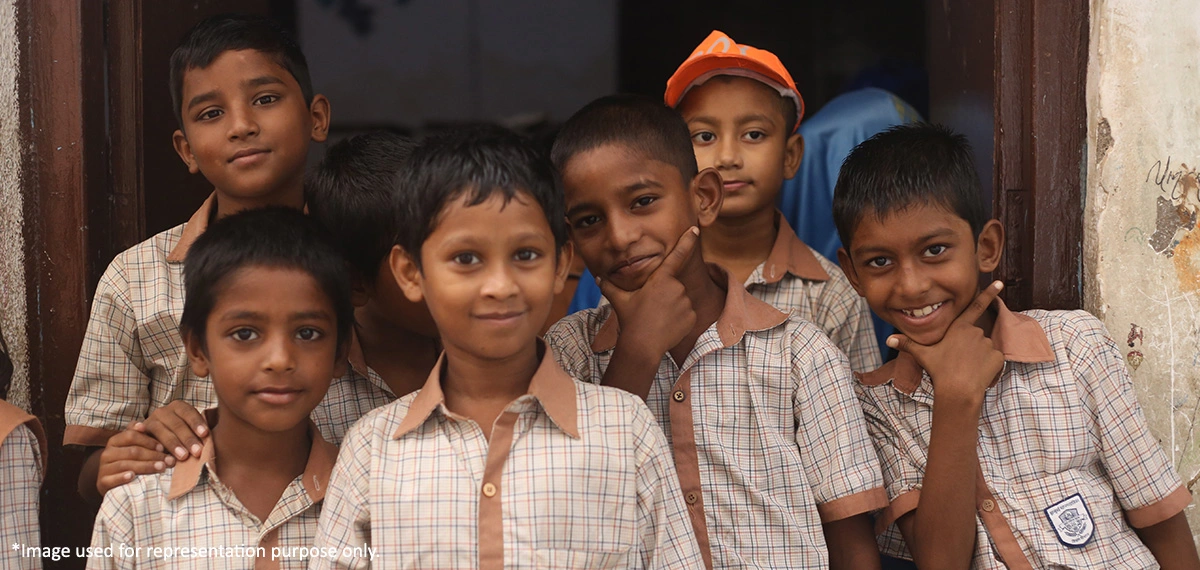
Importance of Access to Education for Every Child in India
Despite progress over the decades, the lack of access to education continues to affect children across rural and urban India, especially girls, children from marginalized communities, migrant families, and those living in poverty.
Access to education is not just a fundamental right. It is the foundation on which a child’s future is built. Let us break down the key phases of education, why each one matters, and what stands in the way.
Importance of early education
Early education lays the cognitive, emotional, and social groundwork for lifelong learning. Ensuring access to education from early childhood helps children transition smoothly into primary school, reduces dropout rates later, and improves overall learning outcomes.
Also Read: Cognitive Development in Early Childhood
Importance of primary education
Primary education is the stage where children learn to read, write, count, and think critically. It is also where they begin to understand their rights, express themselves, and engage with the world beyond their homes.
Importance of secondary education
Secondary education plays a critical role in shaping a young person’s aspirations, skills, and sense of agency. For girls in particular, secondary education can be life-changing. Staying in school delays early marriage, improves health outcomes, increases future earning potential, and helps girls to make informed choices about their lives.
Importance of higher education
Higher education shapes children with specialized knowledge, critical thinking skills, and the confidence to participate fully in the workforce and society. For many first-generation learners, higher education represents not just career advancement, but social mobility and dignity.
Also Read: Digital Divide
What stands in the way across these stages, including access to education
Across early, primary, and secondary education, several interconnected barriers prevent children from accessing and continuing their education:
Community barriers to Access to Education
- Poverty and economic instability that force children into work - Families struggling to meet daily needs often rely on children’s labor, pushing education aside in favor of immediate income or survival.
- Lack of equal access to education- Deep-rooted social norms often view boys’ education as an investment while girls are expected to manage household responsibilities or prepare for marriage.
- Early marriage and domestic responsibilities affecting adolescent girls- As girls grow older, they are frequently withdrawn from school to manage household work or married early, cutting short their education and future opportunities.
- Migration, conflict, and displacement that disrupt continuity of learning - Children from migrant or displaced families often experience frequent school changes, long gaps in learning, or complete exclusion from formal education systems.
- Limited awareness among families about children’s rights and government programs- Many parents remain unaware of free education entitlements, scholarships, or support aids, preventing children from accessing resources meant for them.
Infrastructural barriers to Access to Education
- Lack of nearby Anganwadis or preschools- When early learning centers are too far or unavailable, young children miss critical developmental years before entering formal schooling.
- Inadequate learning materials at AWCs or preschools - Poorly resourced centers limit children’s exposure to age-appropriate learning, play, and stimulation.
- Shortage of qualified teachers in schools- Overcrowded classrooms and undertrained teachers reduce learning quality and individual attention, especially for first-generation learners.
- Poor hygiene in schools due to missing basic sanitation facilities- Lack of clean toilets, especially for girls, leads to absenteeism and dropouts, particularly during adolescence.
- Limited access to secondary and high schools- Many rural areas lack nearby secondary schools, forcing children to discontinue education after primary levels and severely limiting their access to higher education in India.
- Safety concerns for girls who must travel long distances to attend school- Long, unsafe commutes expose girls to harassment and violence, prompting families to withdraw them from school altogether.
Also Read: International Day of Volunteering
What CRY America is doing to bridge the gap in access to education?
CRY America works at every stage of a child’s educational journey to ensure sustained and meaningful access to learning. Through partnerships with grassroots organizations, CRY America’s project team focuses on:
- Strengthening early education systems and Anganwadis- Improving infrastructure, learning materials, and caregiver training to ensure young children receive quality early education.
- Enrolling out-of-school children into age-appropriate schooling- Identifying children who have never been to school or have dropped out and supporting their re-enrollment into formal education.
- Preventing dropouts through academic support and community engagement- Providing remedial learning, mentoring, and working closely with families to address barriers before children leave school.
- Supporting girls to stay in school by addressing early marriage and safety concerns- Engaging communities to challenge harmful practices and ensure safe, supportive environments for adolescent girls.
- Help establish accessible schools and improve school infrastructure, sanitation, and learning environments- Advocating for better facilities, clean toilets, safe classrooms, and inclusive learning spaces that encourage attendance.
- Working with parents, teachers, and local authorities to uphold children’s rights- Building awareness, strengthening accountability, and ensuring government education programs reach the children they are meant to serve.
Also Read: Child Hunger Facts
Conclusion
When children receive consistent, quality education at every stage of life, they are better equipped to build healthier families, stronger communities, and a more equitable society. With your support, CRY America can help bridge this gap by ensuring access to education in India for every underserved child.
Also Read: Effects of Social Media on Children
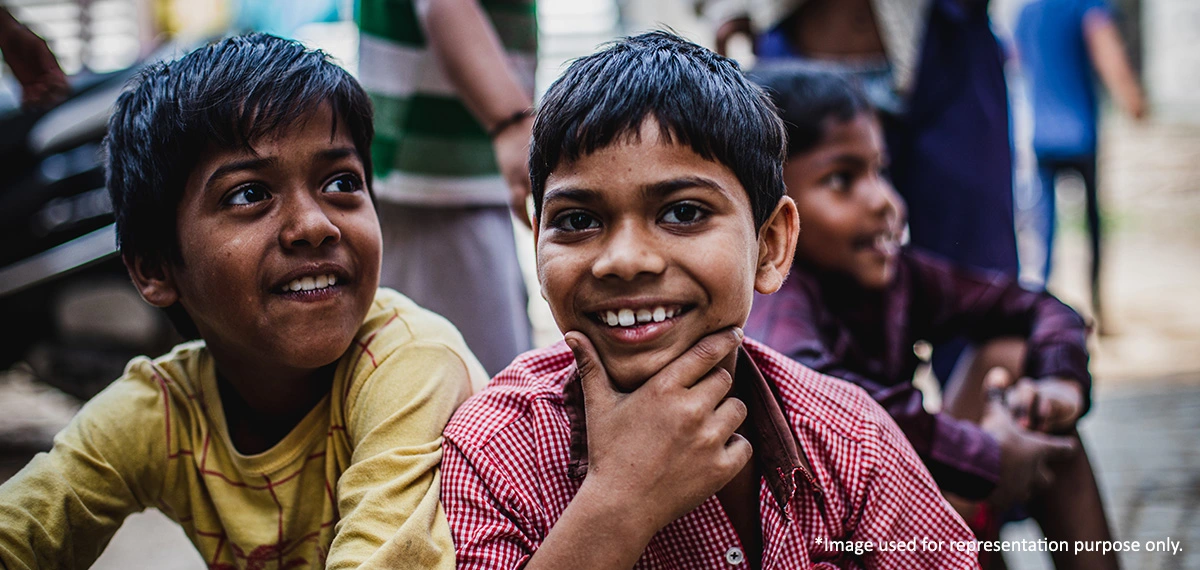
Effects of Social Media on Children: Protecting Children’s Well-Being
Summary/TL;DR on Effects of Social Media on Children
Social media's impact can be both positive—such as fostering connections, self-expression, and educational support—and negative, including risks of cyberbullying, exposure to harmful content, emotional distress, and distraction from academics. Effects of Social Media on Children includes anxiety, depression, and low self-esteem driven by social comparison and excessive online engagement. Addressing these issues requires a structured approach to digital access, with parents playing a crucial role in educating children about online safety, setting screen time limits, and encouraging open communication. Schools should also promote digital literacy and healthy online habits. Organizations like CRY America provide resources and support for families to navigate these challenges effectively.
Safeguarding children’s mental health is increasingly urgent as social media becomes central to their daily lives. In India, 76% of teens aged 14 to 16 use smartphones for social apps and usage exceeds 90% in Kerala. Nearly 47% of children aged 9 to 17 spend over 3 hours online daily, raising concerns about emotional stress, attention issues, and safety.
Understanding the Impact of Social Media on Children
The effects of social media on children are complex and cannot be viewed only through a single lens. Research highlights that its influence is both positive and negative and is shaped by factors such as age, gender, social support, and the level of guidance a child receives.
What Are the Positive Effects of Social Media on Children
- Moderate and supervised use leads to positive effects of social media on children by supporting healthy online engagement.
- Social platforms help children stay connected with friends and reduce loneliness or isolation.
- Sharing posts and meaningful conversations strengthens self-expression and emotional confidence.
- Online study groups, educational videos, and collaborative tasks support learning.
- Responsible use enhances friendships, communication skills, empathy, and inclusion.
What Are the Negative Effects of Social Media on Children
- The negative effects of social media on children increase with excessive and unsupervised use.
- Cyberbullying causes emotional distress, fear, and long term psychological harm.
- Online predators can target children who are unaware of digital risks.
- Exposure to violent, explicit, or harmful content affects emotional maturity.
- Privacy risks rise when children share personal information without understanding consequences.
- These dangers are greater when children go online at a very young age without parental guidance.
Also Read: Digital Divide
How Does Social Media Affect Children’s Mental Health
The appealing and interactive nature of social platforms attracts children at a stage when their identity and self-understanding are still evolving. This creates vulnerability to emotional stress and dependency patterns. High usage has been linked to attention difficulties, anxiety, and symptoms associated with ADHD, reflecting how constant exposure can disrupt emotional balance.
Anxiety, Depression, and Cyberbullying
Children who spend long hours online are more likely to experience worry, restlessness, mood instability, and sleep disruptions. Cyberbullying magnifies these challenges and can quickly escalate into deep emotional trauma. Victims frequently report higher levels of anxiety and depressive symptoms. The digital environment can amplify negative messages, leaving children feeling overwhelmed or isolated even when surrounded by peers.
The Pressure of Social Comparison
Social comparison is one of the most harmful psychological pressures for children. Continuous viewing of curated images, videos, and lifestyles influences self-esteem and body image. Platforms like Instagram and YouTube are strongly linked to reduced body satisfaction and increased risk of unhealthy appearance-based comparisons. This cycle often leads to low mood, self-doubt, and a decline in overall mental well-being.
Also Read: Access to Education
How Social Media Affects Education Negatively
Many parents and teachers increasingly ask how social media negatively affects education, as the disruption is now visible in classrooms and homes. It impacts ib the following ways.
Distraction and Reduced Academic Focus
Children experience fragmented attention due to the steady flow of updates and digital stimuli. This overload affects memory, reduces concentration, and weakens the ability to absorb new information. The habit of frequently checking apps becomes a self-reinforcing behaviour that interrupts routines and weakens academic performance.
Impact on Cognitive Development and Social Skills
Problematic use can strain family relationships and increase social withdrawal. While active engagement with peers online can support the development of empathy and extroversion, it may also result in emotional detachment when children prioritise virtual interaction over real relationships. Schools play an important role in guiding students toward healthy digital habits and helping them manage feelings of isolation.
Also Read: Stem Activities for Kids
Setting Boundaries: Managing Social Media Use for Children
A structured and balanced approach to digital access is essential. Parents have a central role in guiding children toward safe behaviour while encouraging openness and trust.
Tips for Parents to Protect Their Children from Negative Effects
- Parents should educate children about online dangers and guide them to share personal information carefully.
- Setting daily screen time limits and establishing clear rules supports healthy digital habits.
- Open communication encourages children to share any uncomfortable online experiences without fear.
- Regular monitoring of online activity leads to better mental health outcomes and promotes responsible behaviour.
Tools and Resources to Monitor Social Media Use
Parental control tools help block harmful content and restrict screen time. Safe search settings on browsers and age-appropriate filters on apps can prevent children from accessing risky material. Regular checks on online interactions help protect children from predators or unsafe communities.
Also Read: Combat Gender Stereotypes
Encouraging Healthy Social Media Habits for Children
Healthy digital habits are built through collaboration between parents and schools. Strengthening digital literacy helps children understand how to use online spaces responsibly and safely.
Promoting Positive Online Communities
Parents and teachers should guide children toward communities that promote kindness, learning, and emotional support. Schools can create supportive environments that encourage mindful use and reduce anxiety related to digital engagement.
Educating Children About Responsible Social Media Use
Digital literacy programs in schools can teach children how to evaluate credible sources, recognize misinformation, protect their identity, and identify online bullying. Teaching ethical use prepares children to navigate the online world with confidence and caution.
Also Read: International Womens Day 2026
How CRY America Can Help Protect Children’s Well-Being in the Digital Age
CRY America plays an important role in supporting families and children who face digital risks. Through community outreach and awareness initiatives, the organization educates parents and children about safe online behavior. Its broader mission covers child rights in education, health, and protection from harmful practices, ensuring every child has the opportunity to grow in a safe and supportive environment.
Also Read: Social and Emotional Learning
FAQs on Effects of Social Media on Children
How can social media use lead to depression or anxiety in children?
Social media can increase emotional stress by exposing children to bullying, comparison, and constant digital stimulation. Excessive use disrupts sleep and concentration and can create feelings of inadequacy when children compare themselves to idealized online images. These pressures can gradually lead to anxiety or depressive symptoms.
How can children benefit from social media when used responsibly?
Responsible use allows children to form friendships, access learning resources, and express themselves creatively. Positive interaction with peers strengthens confidence and emotional resilience. Educational content and collaborative groups support academic development and healthy communication skills.
How can social media be used as a tool for positive learning and development in children?
Children can use social media for homework support, educational videos, and group discussions. Many platforms offer creative tools that encourage problem-solving and collaboration. When guided properly, these digital spaces can support language skills, critical thinking, and exposure to new ideas.
What should parents do if their child is being bullied online?
Parents should maintain open communication and ensure children feel safe to report bullying. They should collect evidence, block the bully, report the behaviour to the platform, and inform school authorities if needed. Providing emotional support and monitoring online activity are essential steps in protecting the child.
Also Read: Importance of Girls Education

Child hunger facts: Impact on children
Summary/TL;DR
Child hunger, a chronic state of food insecurity among children, severely impacts their health and development, as it ensures they lack consistent access to nutritious food. Globally, 181 million children under five live in severe food poverty, heightening risks of malnutrition. Key causes include poverty, natural disasters, conflict, and inequality, often exacerbated by limited educational access. Child hunger facts and Consequences of hunger manifest in vulnerable physical health, compromised cognitive development, and long-term impacts like chronic illnesses into adulthood. Solutions must go beyond food distribution, emphasizing sustainable changes like food security, healthcare improvements, education, and programs that motivate school attendance. CRY America actively addresses child hunger through nutrition education, sustainable support, and linkage to government programs, aiming for every child to have the nutrition they need to thrive and fulfill their potential.
Every child deserves to grow up with a full stomach, a healthy body, and a hopeful mind. But for millions across the world, poverty and hunger remains an uninvited companion because it steals their childhood, weakens their potential, and dims their dreams.
Child hunger isn’t just about the absence of food. It’s about the loss of opportunities to play, to learn, to thrive. Let’s explore the scale of the issue, its root causes, and how CRY is making a difference in bridging the gap.
What is child hunger?
Child hunger refers to the chronic state of food insecurity among children when they don’t have consistent access to enough nutritious food for healthy growth and development.
It’s not just about feeling hungry between meals. It’s about children going to bed without dinner, waking up without breakfast, and spending their formative years battling fatigue, malnutrition, and preventable illnesses.
Also Read: Digital Divide
Key statistics on global child hunger
Global child hunger is one of the most urgent humanitarian challenges, rooted in conflict, climate change, and persistent poverty. Here are some of the most pressing facts about child hunger highlighting the urgent need for support and intervention.
- According to the UNICEF 2024 report, around 181 million children under the age of 5 worldwide, roughly 1 in 4, are living in severe food poverty, making them up to 50% more likely to suffer from wasting, a life-threatening form of malnutrition.
- According to the 2025 Global Hunger Index, India has made significant progress, improving its GHI score to 25.8.
Also Read: Access to Education
The causes of child hunger
Child hunger stems from a complex web of factors that go beyond food scarcity. Let’s look at the key factors:
Poverty and its role on hunger
Poverty sits at the heart of hunger. Poverty drives child hunger by limiting a family’s ability to afford nutritious food and basic necessities. Without enough resources for clean water, healthcare, or safe housing, children face greater risk of illness and malnutrition.
Natural disasters, conflict, and other contributing factors
In many parts of the world, hunger is worsened by forces beyond a family’s control. Natural disasters destroy crops and livelihoods. Conflicts displace communities, cutting off access to food and water. Climate change, with its erratic rainfall and rising temperatures, continues to make survival harder for millions already on the edge.
Inequality and limited access to education
Hunger and inequality are closely connected. In many communities, marginalized families from lower socioeconomic or minority groups are the first to face food shortages. Limited access to education, especially for mothers, often means less awareness of nutrition and early child care. Where education is lacking, awareness fades, and hunger takes hold.
Also Read: Effects of Child Labor
The impact of hunger on children’s health and development
Hunger affects more than a child’s appetite; it undermines their health, growth, and overall development. Let’s understand the consequences:
Physical health
A hungry child is more vulnerable to disease and infections. Their immune system weakens, their growth slows down, and they often experience stunted height and underweight conditions, posing an immediate risk to life.
Cognitive and emotional development
A hungry child cannot learn or dream. Malnourished children struggle to concentrate in school, often scoring lower than their potential and facing developmental delays. Emotionally, hunger breeds anxiety, irritability, and low self-esteem.
Long-term effects of malnutrition
The effects of childhood hunger often last into adulthood. Malnourished children are more likely to face chronic illnesses, lower earning potential, and a reduced quality of life, leaving a generation deprived of its potential and trapping societies in cycles of poverty and underdevelopment.
Also Read: Child Wasting Malnutrition
Combating child hunger: Solutions and strategies
Ending child hunger requires more than distributing food; it demands lasting, sustainable change. Effective strategies include:
- Food security, and improving child care: Ensuring families have reliable access to affordable, nutritious food so children can eat well and attend school with full stomachs.
- Strengthening healthcare systems: Regular check-ups, vaccinations, and growth monitoring detect malnutrition early, reducing the risk of chronic illnesses or conditions requiring expensive treatment.
- Empowering communities: Educating families on nutrition, hygiene, and breastfeeding raises awareness and drives change from the bottom-up level.
- Encouraging school meal programs: Mid-day meals nourish children and motivate regular school attendance, supporting both health and education.
Also Read: Vital Role of Nutrition
How CRY is addressing child hunger
At CRY, we believe no child should grow up hungry. Our work in underserved communities tackles child hunger from the ground up, addressing both its symptoms and root causes.
- Nutrition awareness programs: CRY America’s project teams educate families on proper nutrition and healthcare through workshops and home visits. Mothers receive guidance on exclusive breastfeeding and early child care to ensure children get a strong start in life.
- Sustainable nutritional support: Beyond providing immediate nutrition, CRY America’s project teams promote long-term solutions. This includes compensating wage losses for parents of severely malnourished children referred to Nutritional Rehabilitation Centers or government hospitals, teaching kitchen gardening, encouraging small-scale poultry farming, and following up with families during and after recovery.
- Linking to government programs: CRY America’s project teams help families access government programs to strengthen their financial stability, food security and improve child care.
- Monitoring children’s growth: CRY America’s project teams organize health camps, conducts medical check-ups, tracks children’s growth and weight, and ensures that children and infants receive vaccinations and treatments through close support and monitoring of Anganwadi Centers and frontline health workers.
Also Read: Barriers to Education
Conclusion
Child hunger is not an unsolvable problem. With your support, we can ensure every child gets the nutrition they deserve, learns without hunger, nurtures their dreams, and builds a brighter future. Donate to CRY America to make a lasting impact on children’s lives!
Also Read: Combat Gender Stereotypes
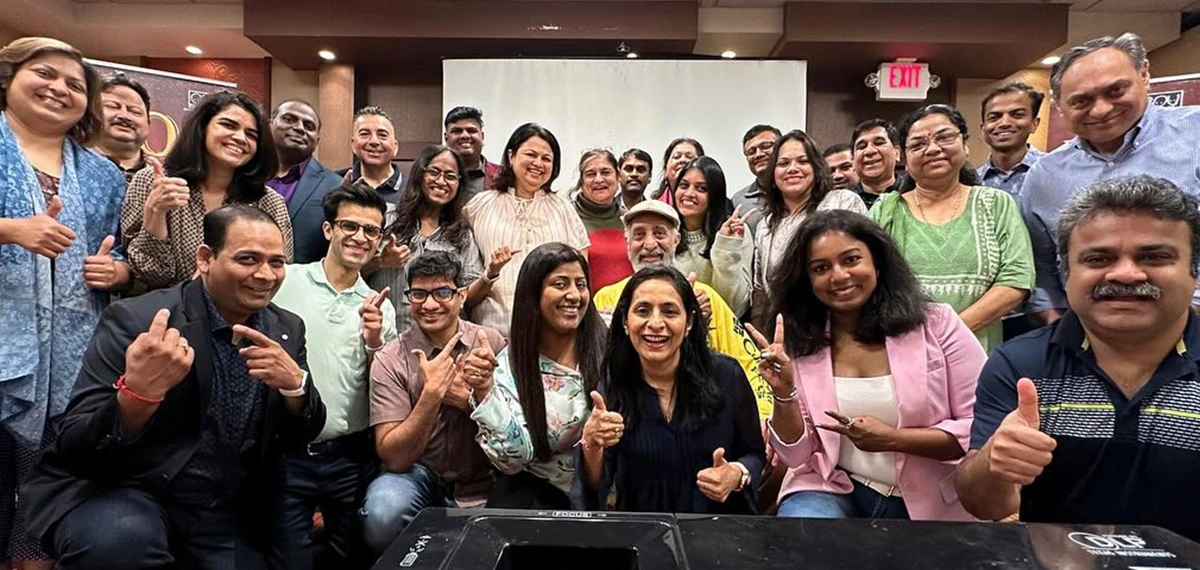
International Day of Volunteering: How you can make a difference
Summary/TL;DR
International Day of Volunteering emphasizes the power of individual actions in creating meaningful change, particularly for children in underserved communities. At CRY America, volunteering is integral to enhancing children's rights, with over 2,000 volunteers transforming the lives of over 800,000 children. This day reminds us that volunteering bridges community and child rights, addressing systemic issues like education, healthcare, and safety. Volunteers strengthen the movement through various initiatives, including event support, fundraising, raising awareness, and sharing inspiring stories. By participating, individuals can make a lasting difference in children's futures, ensuring they receive the opportunities they deserve.
Every act of kindness has the power to change a child’s world. As we observe the International Day of Volunteering, we are reminded that service is not just an action but a promise to stand with those who need us the most.
At CRY America, volunteering is one of the strongest pillars of our mission to protect and nurture children’s rights. Over the years, more than 2,000 dedicated volunteers have helped us shape over 800,000 happy childhoods. This International Day of Service, let’s reflect on why the day matters and explore the many ways you can make a meaningful difference with CRY America.
Also Read: Effects of Child Labor
Understanding the significance of International Day of Volunteering
International Volunteer Day is impactful because it shows how individual actions can create meaningful change. When you choose to give your time and support, you help change lives in ways that go far beyond a single day of service. For children growing up in underserved communities, volunteering with CRY America can open doors to education, healthcare, nutrition, safety, and the simple freedom to dream fearlessly.
Whether you are spreading awareness, helping raise funds by organizing events, or contributing your own specialized skills, every effort strengthens our collective ability to uplift children who deserve a fair and equal start in life.
Also Read: Combat Gender Stereotypes
Why volunteering matters: The impact on communities
Volunteering strengthens communities by bringing people together to create meaningful change. At CRY America, volunteers play a vital role in bridging community rights and child rights by raising awareness, mobilizing support, and amplifying the voices of underserved children. Their efforts help spotlight systemic issues, inspire collective action, and ensure that every child’s right to education, health, and safety is recognized and upheld.
When you volunteer with CRY America, you help move children one step closer to a brighter, safer future by:
- Bringing them closer to their right to education
- Helping prevent child labor, child marriage, and abuse
- Supporting communities in accessing essential health services
- Amplifying awareness about the systemic issues children face
- Inspiring others to step up and get involved
Also Read: Equity in Education
CRY America's volunteer programs: How you can make a difference
Volunteers are the heartbeat of CRY America. Their time, skills, energy, and voice help build the foundation that protects children’s rights and ensures every child has the chance to grow up safe, healthy, and educated. Whether it is supporting our walkathons, galas, community drives, sports fundraisers, or virtual initiatives, volunteers amplify awareness, raise crucial funds, and inspire entire communities to join the movement for children.
Also Read: Marginalized Children in India
Here’s how you can make this International Day of Community Service truly meaningful with CRY America:
Support our events with your skills and energy
CRY America’s fundraising initiatives rely on the dedication of volunteers. Your support in planning, coordinating, managing registrations, or assisting on the event day ensures these events run smoothly and help raise the essential resources children need.
Join fundraising efforts that change lives
You can help mobilize donations by rallying friends, colleagues, and networks. You can also create personal fundraisers or support event promotion. Every dollar raised contributes directly to children’s access to education, healthcare, nutrition, and protection.
Use your voice to drive awareness
Volunteers play a powerful role in spreading the message. Sharing updates, spotlighting causes, and talking about child rights challenges helps bring more people into the conversation. When you use your voice to raise awareness, you build understanding, and understanding leads to action.
Amplify stories of change to inspire others
Every story you share, whether it is a girl going back to school, a child protected from early marriage, or a community gaining access to healthcare, creates a ripple of hope. These stories inspire others to care, donate, and volunteer, multiplying the impact far beyond your own action.
Commit to one meaningful act of service today
This Community Service Day, consider signing up to volunteer, join an event, encourage someone else to participate, or support a fundraising drive. Even the smallest step can help move a child closer to the future they deserve.
Also Read: Child Labour in India
Conclusion
As we observe this International Day of Volunteering, we celebrate not only our volunteers but every individual who believes in giving children a fair chance at life. Your actions matter. Your time matters. Your compassion matters. When you choose to volunteer with CRY America, you become part of a movement that restores childhoods and protects futures. This International Day of Volunteering, take the step by signing up through our volunteer form and help give children a safe, joyful, and brighter tomorrow.
Also Read: Importance of Stem Education