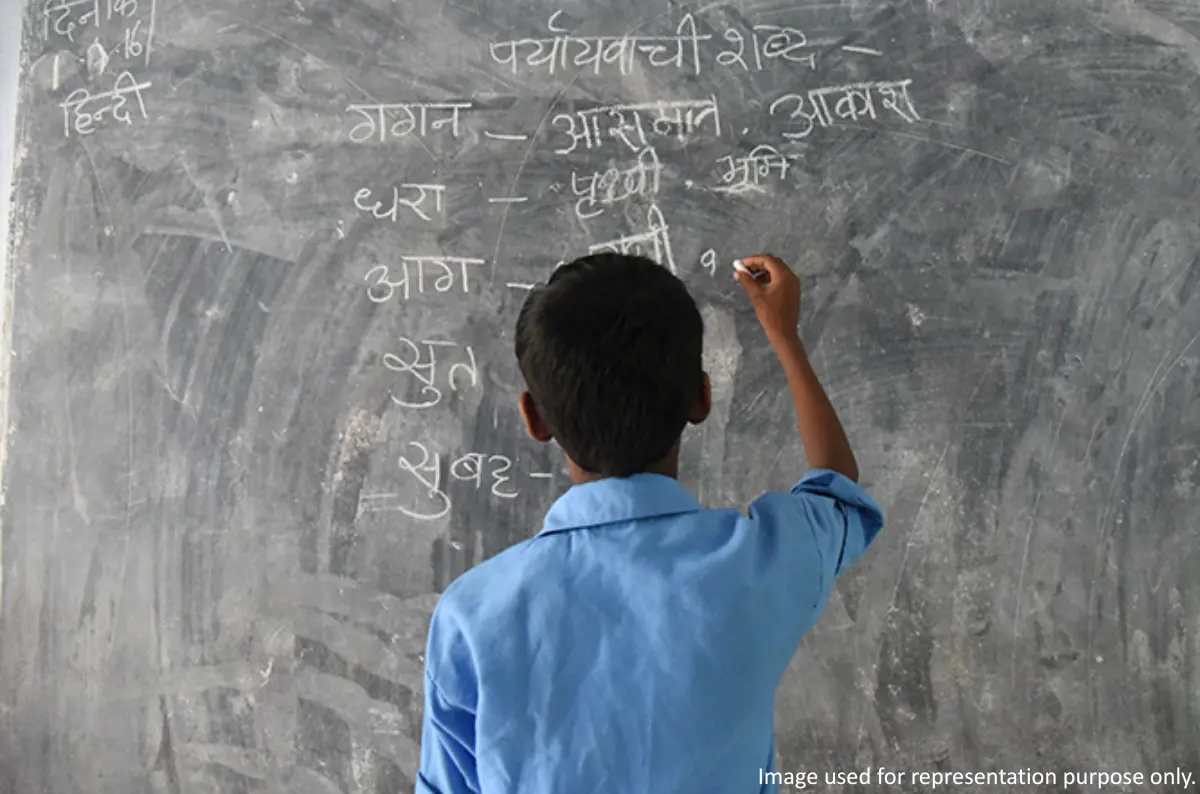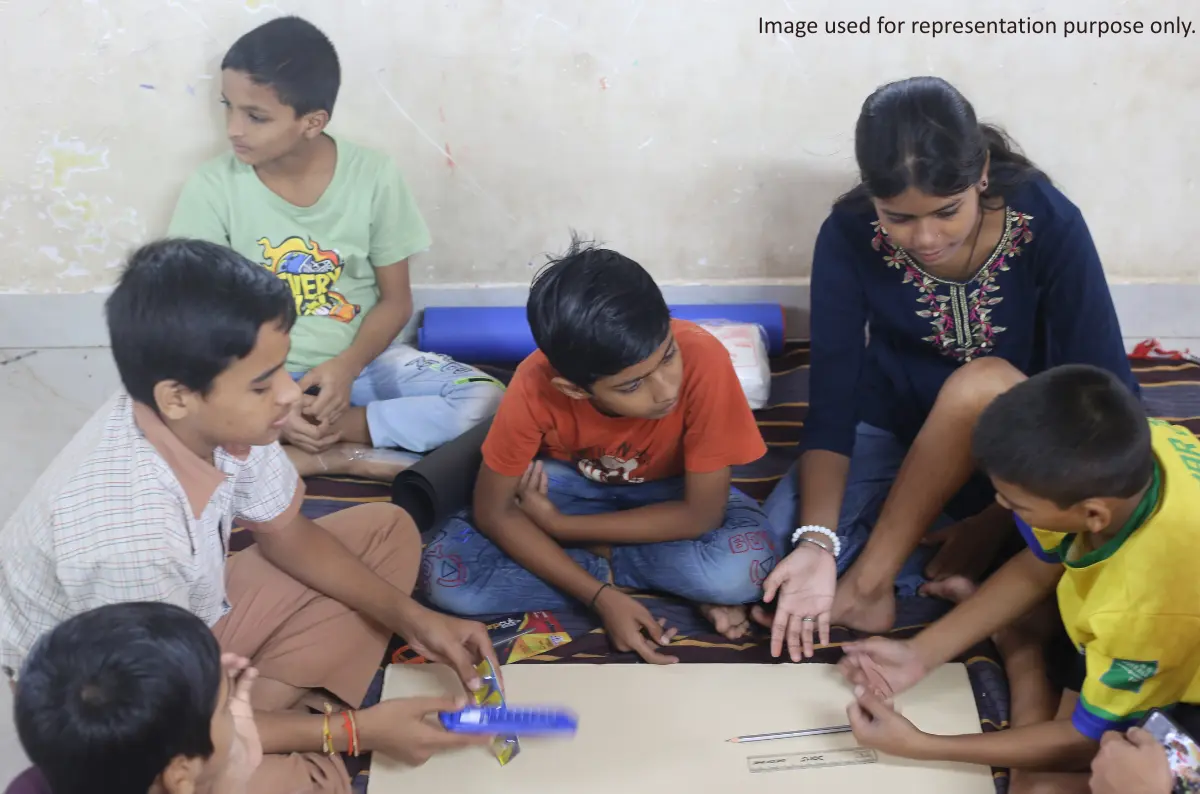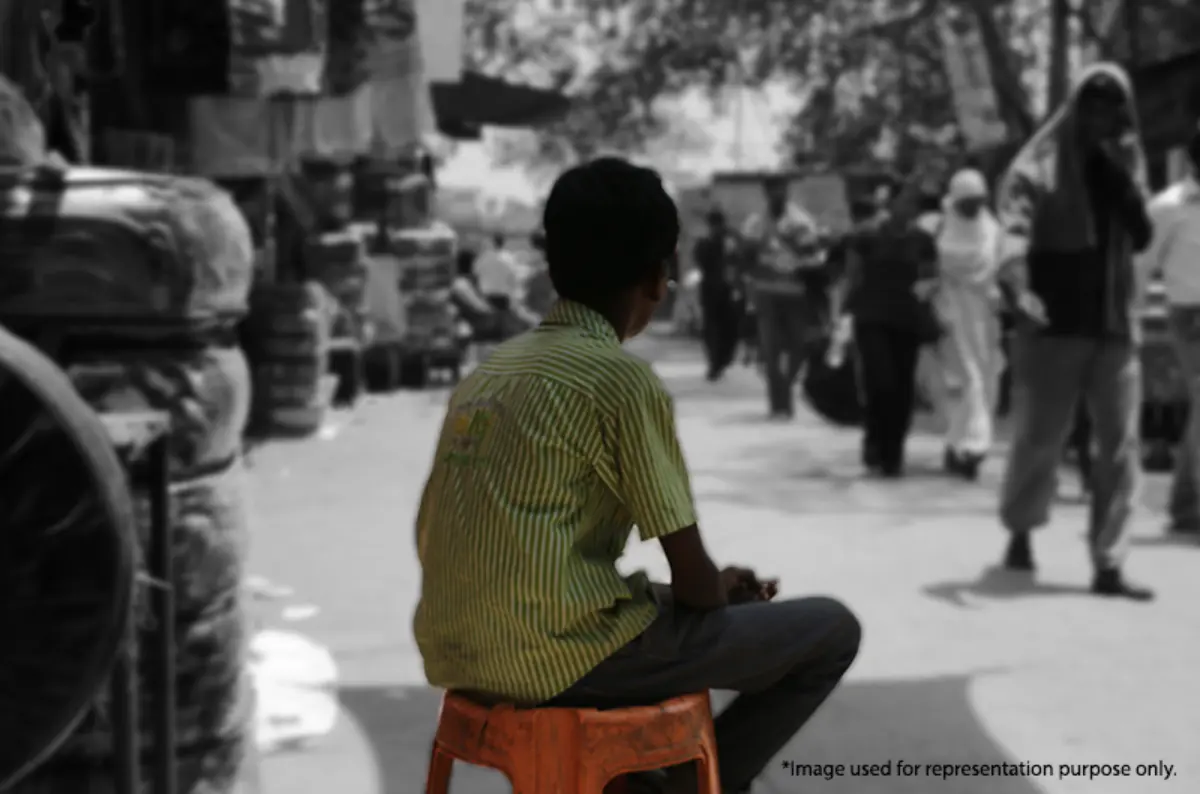












In the contemporary era, the ability to navigate the digital world is no longer a luxury, it is a fundamental necessity for survival and growth. However, for millions of children across India, a massive chasm exists between their potential and the resources they need to thrive. This chasm is known as the digital divide. For marginalized children, this gap represents more than just a lack of gadgets; it is a barrier to education, healthcare, and a future free from poverty.
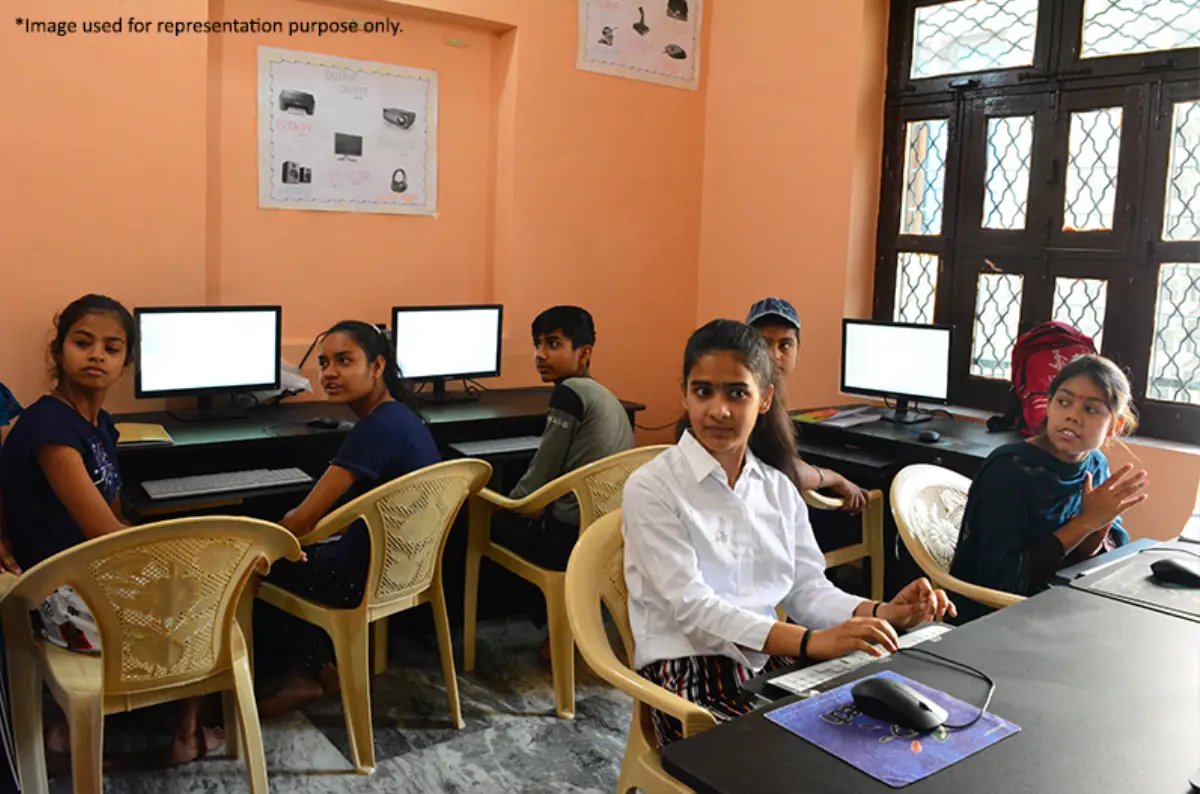
What Is the Digital Divide?
At its core, the digital divide is a social and economic issue masquerading as a technological one. It separates those who can participate in the modern world from those who are left behind in the shadows of the analog past.
Digital Divide Meaning Explained in Simple Terms
In simple terms, the digital divide refers to the significant gap between individuals who have ready access to modern technology, specifically computers and high-speed internet and those who do not. It is not just about owning a smartphone; it also encompasses digital literacy, which is the ability to evaluate, create, and responsibly use information on digital platforms.
What Is Digital Divide and Why It Matters in Today’s World
The digital divide matters because the world has moved online. From applying for jobs and accessing government welfare programs to attending school and consulting doctors, digital connectivity is now a prerequisite for civic participation and economic advancement.
Understanding the Digital Divide in India
India presents one of the most complex digital landscapes in the world. While it is a global hub for technology and innovation, the domestic reality for its citizens is starkly divided.
Digital Divide in India: An Overview
India’s digital divide is defined by the country’s vast geographical expanse and deep-seated socioeconomic disparities. While urban centers are hubs of 5G connectivity and high smartphone penetration, large swaths of rural India remain “digital black spots”. This divide manifests across several dimensions, including income, gender, and language.
Also Read: Cognitive Development in Early Childhood
Digital Divide in India Statistics: What the Numbers Reveal
The statistics surrounding India’s digital journey are both impressive and concerning:
- India has over 700 million internet users, making it the second-largest user base globally.
- Despite this, the penetration rate is only about 50%, meaning half the population remains entirely disconnected.
- While mobile phone penetration is high at over 80%, smartphone ownership is much lower, at approximately 40%.
- Fixed broadband penetration is alarmingly low, at roughly 7% of households, mostly concentrated in wealthy urban areas.
Digital Divide in Rural Areas: Where the Gap Is Widest
The disparity is most visible when comparing urban and rural settings. Nearly 70% of India’s population lives in rural areas, yet internet penetration in these regions lags significantly behind cities.
Limited Internet Connectivity and Infrastructure Challenges
Rural areas face massive infrastructure gaps. Many villages lack reliable electricity, which is a prerequisite for keeping devices charged and functional. Furthermore, while 4G has expanded, many remote regions still suffer from poor network coverage, high latency, and frequent service disruptions. Government projects like BharatNet aim to connect 250,000 village councils with fiber optics, but last-mile delivery to individual homes remains a major hurdle.
Lack of Devices and Access to Digital Tools
Connectivity is useless without a device. For a low-income family in a village, the cost of a smartphone or a laptop can be prohibitive, often consuming a disproportionate share of their annual income. Additionally, rural children often lack access to public access points or community technology centers where they could otherwise learn and explore the internet in a safe environment.
Also Read: Access to Education
How the Digital Divide Affects Marginalized Children
For a child born into a marginalized community, the digital divide is not a theoretical concept, it is a daily barrier to their rights.
Impact on Education and Learning Opportunities
The COVID-19 pandemic acted as a “stress test” for India’s education system, and the results were devastating for the poor. When schools shifted online, students without internet access or devices faced severe educational disruptions. These children missed months, or even years, of learning continuity, creating a gap that may take a lifetime to close. In contrast, children with digital access could use e-books, virtual classrooms, and interactive platforms to continue their studies.
Digital Exclusion and Its Effect on Skill Development
Beyond formal schooling, digital exclusion prevents children from acquiring 21st-century skills like coding, digital communication, and online research. This lack of exposure creates a “skills gap” that disadvantages them the moment they enter the job market. In today’s economy, digital literacy is a foundational skill, much like reading and writing.
Also Read: Effects of Social Media on Children
The Digital Divide and Educational Inequality
The digital divide does not just reflect existing inequalities; it actively deepens them.
Online Learning Barriers for Children from Low-Income Families
For children in low-income families, the barriers are multifaceted. They may share a single, low-end mobile phone among several siblings, have no quiet place to study, and lack parents who are digitally literate enough to help them navigate online portals. These online learning barriers make it nearly impossible for them to compete with urban, affluent students who have high-speed broadband and dedicated personal devices.
How the Digital Divide Deepens Existing Social Inequalities
By restricting access to information and resources, the digital divide reinforces social hierarchies. It creates a “knowledge poverty” that mirrors financial poverty. When government services, such as scholarships or healthcare registrations, move exclusively online, those without access are effectively marginalized from the state.
Also Read: Child Hunger Facts
Long-Term Consequences of the Digital Divide for Children
The consequences of being “digitally excluded” follow a child into adulthood, impacting their entire life trajectory.
Impact on Employment Opportunities and Future Livelihoods
Most modern jobs, even entry-level positions, now require some level of digital proficiency. From searching for job openings to submitting applications, the process is increasingly digital. Children who grow up without these skills find themselves locked out of high-growth sectors, relegated to low-wage labor or the informal economy.
Digital Literacy as a Key Factor for Social Mobility
Conversely, digital literacy is a powerful engine for social mobility. It allows a child from a remote village to access the same quality of information as a child in New Delhi or New York. It opens doors to entrepreneurship, freelancing, and global learning. For marginalized communities, digital tools can provide a way to bypass traditional gatekeepers and build sustainable futures.
Also Read: International Womens Day 2026
Bridging the Digital Divide in India
Bridging this gap requires a multi-pronged approach involving government policy, private innovation, and grassroots action. Initiatives like the Digital India program and the National Digital Literacy Mission are vital steps toward universal inclusion. These programs focus on creating digital infrastructure as a core utility and providing basic training to at least one person in every household. However, technology alone isn’t enough; content must be available in local languages to be truly accessible.
How CRY America Is Working to Bridge the Digital Divide for Children
CRY America plays a crucial role in this mission by supporting grassroots projects in India. Since 2004, they have impacted the lives of over 800,000 children, focusing on education as a primary tool for empowerment.
CRY America works with local partners to ensure that underprivileged children stay in school and receive the support they need to succeed in a digital world. A powerful example of their impact is Aman, a former school dropout who worked as a newspaper distributor to support his family. Through a CRY-supported Child Activity Center, Aman bridged his learning gaps, completed a computer course, and is now a Computer, Math, and Science teacher at a public school.
By mobilizing donor support and empowering local communities, CRY America helps provide the “bridge” between lost dreams and new beginnings. Your support allows them to bring technology into classrooms and ensure that every child, regardless of their background has the opportunity to dream big and build a brighter future.
Support child education through CRY America and help children stay in school, learn well, and dream big.
FAQs
Why is closing the digital divide critical for children’s education in India?
Closing the divide is essential because education has moved online. Without digital access, marginalized children face severe disruptions, missing out on e-learning resources and virtual classrooms that are necessary to keep pace with their peers and break the cycle of poverty.
What role does digital literacy play in reducing the digital divide?
Digital literacy is the ability to use technology effectively and responsibly. Access to hardware is only half the battle; without the skills to navigate the internet, search for information, and use digital tools for problem-solving, children remain excluded from the benefits of the digital age.
How can affordable technology help bridge the digital divide in rural India?
Affordable devices and low-cost data plans lower the barrier to entry for low-income families. When technology is financially accessible, it enables rural children to access the same quality of education and skill-building opportunities as urban students, fostering entrepreneurship and social mobility.
How does the digital divide impact girls more than boys in marginalized communities?
Girls often face higher barriers due to cultural factors, security concerns, and limited financial autonomy within the household. They are frequently the last to receive access to shared family devices, which deepens existing gender inequalities in education and future employment.
Recommended for you