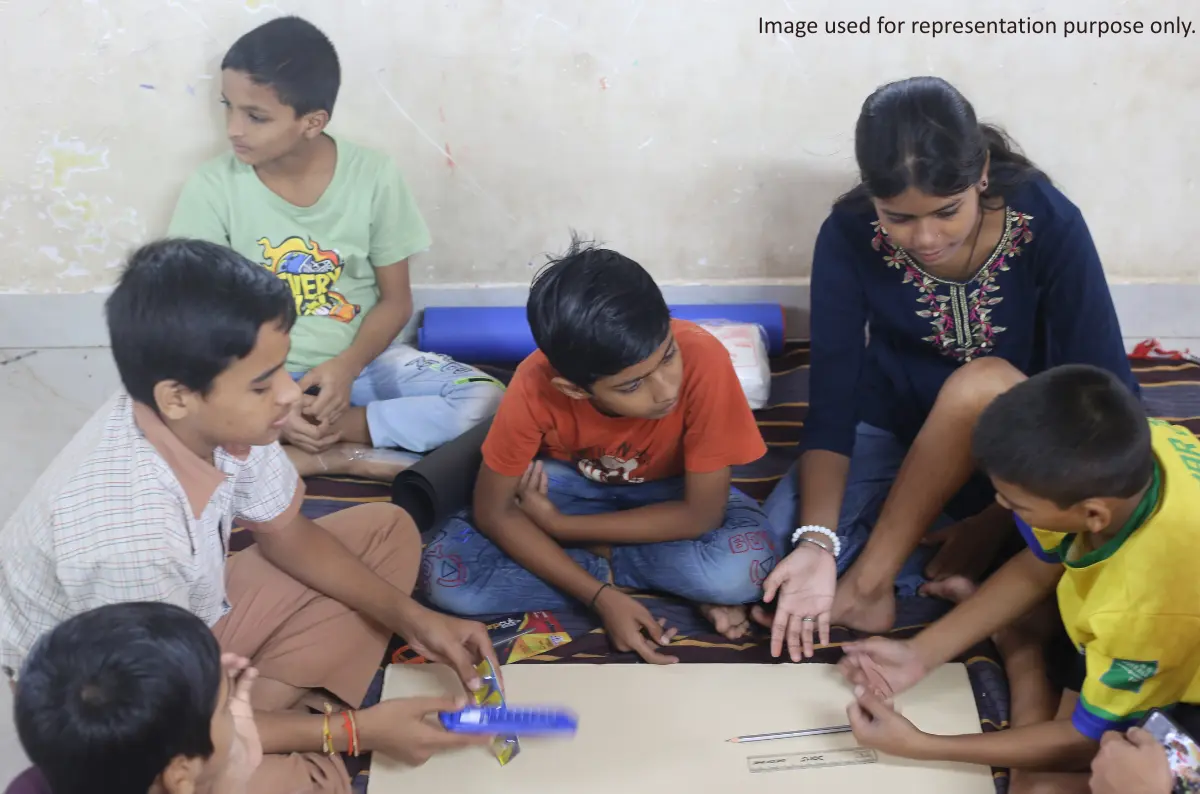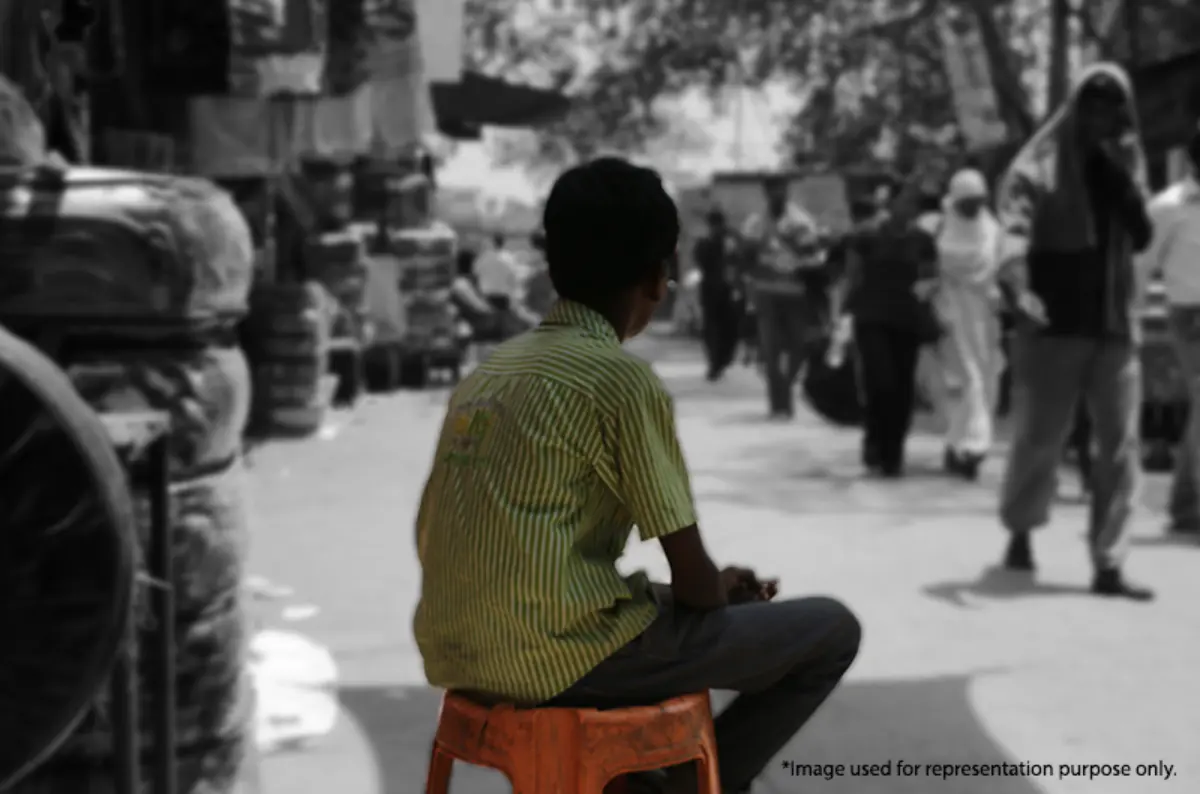












Despite progress over the decades, the lack of access to education continues to affect children across rural and urban India, especially girls, children from marginalized communities, migrant families, and those living in poverty.
Access to education is not just a fundamental right. It is the foundation on which a child’s future is built. Let us break down the key phases of education, why each one matters, and what stands in the way.
Importance of early education
Early education lays the cognitive, emotional, and social groundwork for lifelong learning. Ensuring access to education from early childhood helps children transition smoothly into primary school, reduces dropout rates later, and improves overall learning outcomes.
Also Read: Cognitive Development in Early Childhood
Importance of primary education
Primary education is the stage where children learn to read, write, count, and think critically. It is also where they begin to understand their rights, express themselves, and engage with the world beyond their homes.
Importance of secondary education
Secondary education plays a critical role in shaping a young person’s aspirations, skills, and sense of agency. For girls in particular, secondary education can be life-changing. Staying in school delays early marriage, improves health outcomes, increases future earning potential, and helps girls to make informed choices about their lives.
Importance of higher education
Higher education shapes children with specialized knowledge, critical thinking skills, and the confidence to participate fully in the workforce and society. For many first-generation learners, higher education represents not just career advancement, but social mobility and dignity.
Also Read: Digital Divide
What stands in the way across these stages, including access to education
Across early, primary, and secondary education, several interconnected barriers prevent children from accessing and continuing their education:
Community barriers to Access to Education
- Poverty and economic instability that force children into work – Families struggling to meet daily needs often rely on children’s labor, pushing education aside in favor of immediate income or survival.
- Lack of equal access to education- Deep-rooted social norms often view boys’ education as an investment while girls are expected to manage household responsibilities or prepare for marriage.
- Early marriage and domestic responsibilities affecting adolescent girls- As girls grow older, they are frequently withdrawn from school to manage household work or married early, cutting short their education and future opportunities.
- Migration, conflict, and displacement that disrupt continuity of learning – Children from migrant or displaced families often experience frequent school changes, long gaps in learning, or complete exclusion from formal education systems.
- Limited awareness among families about children’s rights and government programs- Many parents remain unaware of free education entitlements, scholarships, or support aids, preventing children from accessing resources meant for them.
Infrastructural barriers to Access to Education
- Lack of nearby Anganwadis or preschools- When early learning centers are too far or unavailable, young children miss critical developmental years before entering formal schooling.
- Inadequate learning materials at AWCs or preschools – Poorly resourced centers limit children’s exposure to age-appropriate learning, play, and stimulation.
- Shortage of qualified teachers in schools- Overcrowded classrooms and undertrained teachers reduce learning quality and individual attention, especially for first-generation learners.
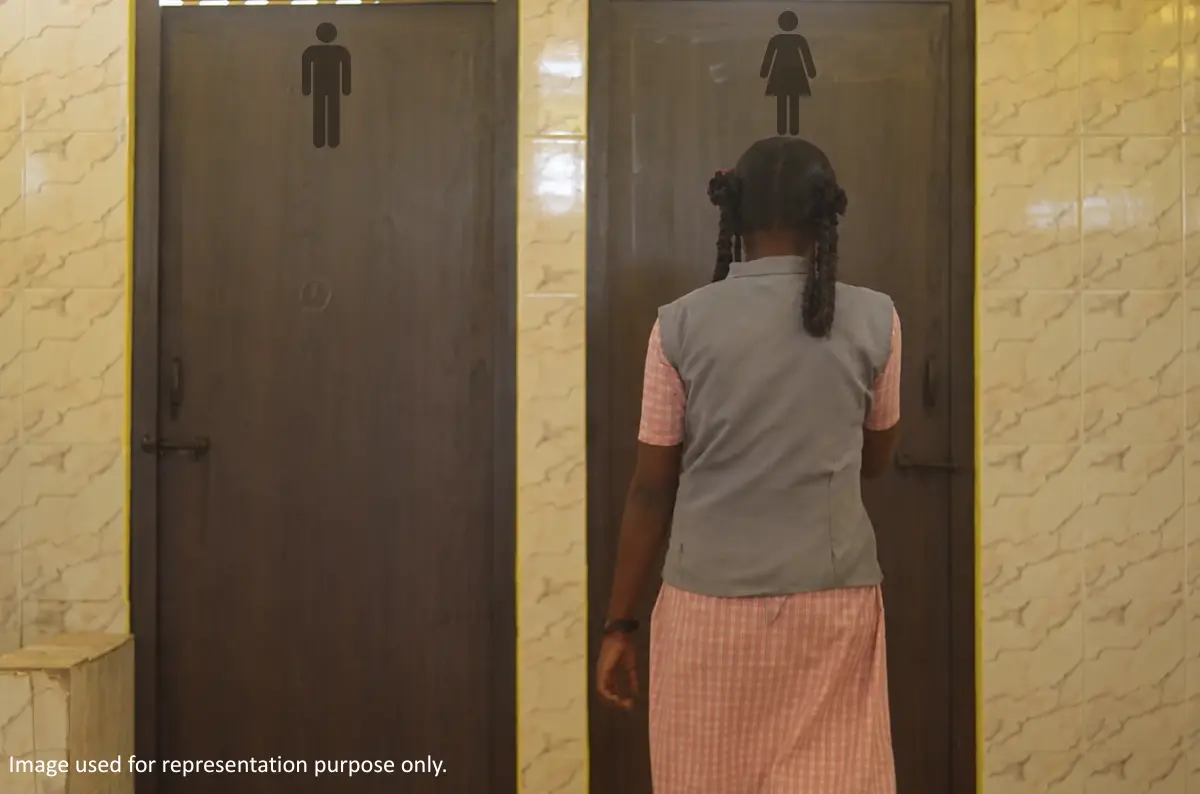
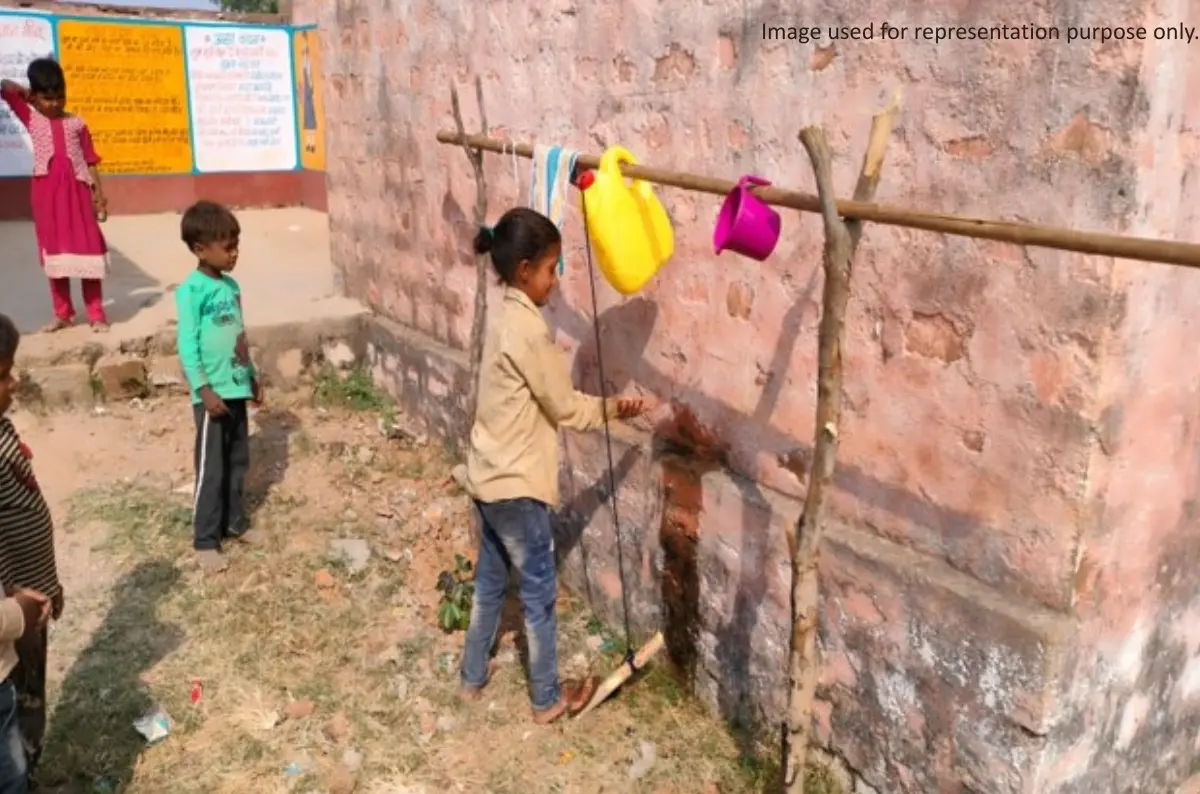
- Poor hygiene in schools due to missing basic sanitation facilities- Lack of clean toilets, especially for girls, leads to absenteeism and dropouts, particularly during adolescence.
- Limited access to secondary and high schools- Many rural areas lack nearby secondary schools, forcing children to discontinue education after primary levels and severely limiting their access to higher education in India.
- Safety concerns for girls who must travel long distances to attend school- Long, unsafe commutes expose girls to harassment and violence, prompting families to withdraw them from school altogether.
Also Read: International Day of Volunteering
What CRY America is doing to bridge the gap in access to education?
CRY America works at every stage of a child’s educational journey to ensure sustained and meaningful access to learning. Through partnerships with grassroots organizations, CRY America’s project team focuses on:
- Strengthening early education systems and Anganwadis- Improving infrastructure, learning materials, and caregiver training to ensure young children receive quality early education.
- Enrolling out-of-school children into age-appropriate schooling- Identifying children who have never been to school or have dropped out and supporting their re-enrollment into formal education.
- Preventing dropouts through academic support and community engagement- Providing remedial learning, mentoring, and working closely with families to address barriers before children leave school.
- Supporting girls to stay in school by addressing early marriage and safety concerns- Engaging communities to challenge harmful practices and ensure safe, supportive environments for adolescent girls.
- Help establish accessible schools and improve school infrastructure, sanitation, and learning environments- Advocating for better facilities, clean toilets, safe classrooms, and inclusive learning spaces that encourage attendance.
- Working with parents, teachers, and local authorities to uphold children’s rights- Building awareness, strengthening accountability, and ensuring government education programs reach the children they are meant to serve.
Also Read: Child Hunger Facts
Conclusion
When children receive consistent, quality education at every stage of life, they are better equipped to build healthier families, stronger communities, and a more equitable society. With your support, CRY America can help bridge this gap by ensuring access to education in India for every underserved child.
Also Read: Effects of Social Media on Children
Recommended for you