











Going to school may not be a reality for every child. For many children, school is a privilege and not a promise. Though significant progress has been made through rigorous efforts, much work remains to address the economic reasons for child labor in India and eradicate it from the grassroots.
In today’s blog, let’s understand child labor by exploring its different forms, causes and consequences, child labor facts, and the key efforts needed to address it.
What Is Child Labor?
Child labor involves children aged 5-14 engaged in work that jeopardizes their physical, mental, or emotional well-being. It deprives them of their childhood, dignity, and education. This includes hazardous tasks, work that disrupts their schooling, and circumstances that force them to drop out. Besides disrupting education, it also leaves a lasting impact on their growth and development.
Types Of Child Labor in India
There are various forms of child labor, with the key ones being:
Agricultural labor
According to the UNICEF Global Report 2024, agriculture is the most prevalent form of child labor, affecting both boys and girls. Around 70% of children engaged in child labor worldwide work in farming or related activities. These children endure hazardous conditions, including exposure to harmful chemicals, operating dangerous machinery, and working long hours under the sun.
Domestic labor
The International Labor Organization (ILO) Global Database 2024 states that 67.1% of child domestic workers are girls employed in households. They perform tasks such as cleaning, cooking, and caring for younger children.
Manufacturing and small-scale industries
Children working in manufacturing and small-scale industries like textiles, brick kilns, and mining often face hazardous conditions. They are often exposed to toxic substances, operate heavy machinery, and perform physically demanding tasks.
Street and service sector
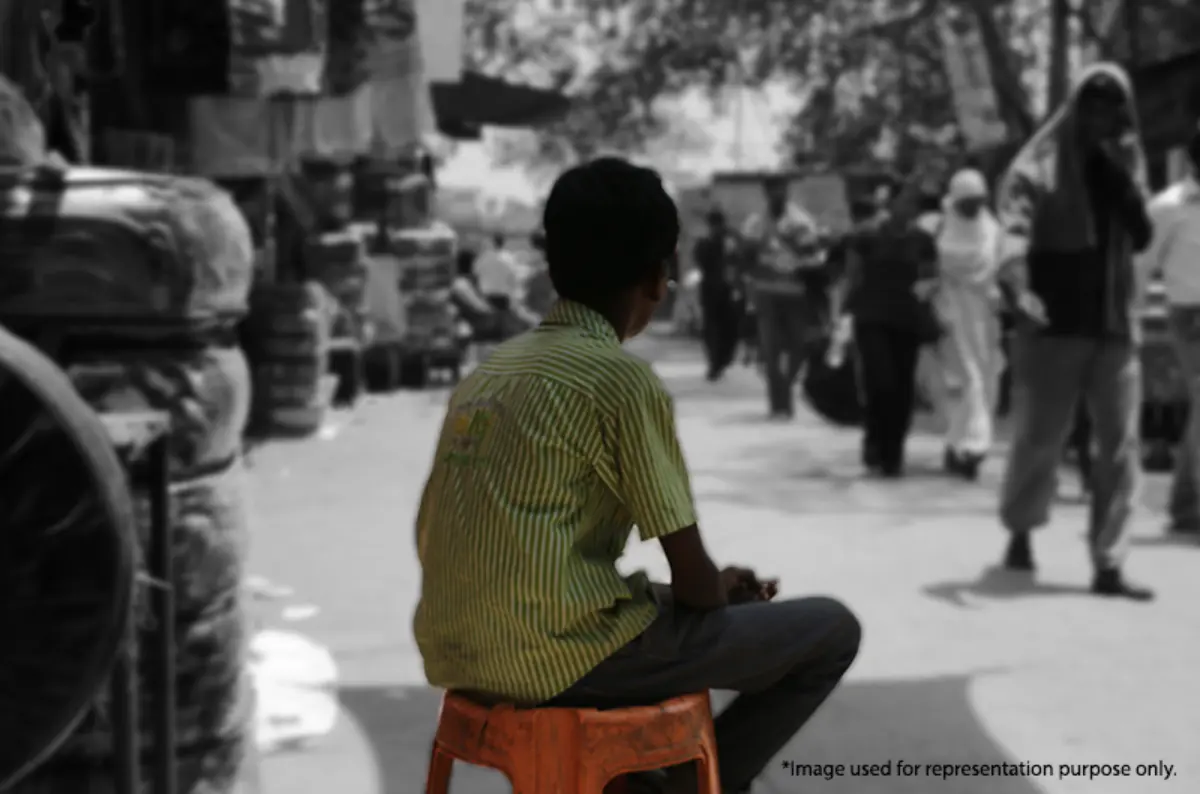
Many children work as street vendors, shoe shiners, or in small eateries. They endure long hours, harsh conditions, and high risks of exploitation, abuse, and trafficking due to the unregulated nature of their work.
Causes Of Child Labor In India
Several socio-economic factors contribute to the persistence of child labor in India. The primary factors contributing to the cause are:
- Lack of parental awareness: Families struggling to meet their basic needs often lack awareness of the importance of education and push their children to work.
- Unemployment and underemployment of parents: When parents lack stable employment, they involve their children to support their livelihood.
- Lack of access to quality education: Poor school infrastructure, a lack of adequate schools in remote areas, and the inability to afford study materials deter children from attending school.
- Cultural and social norms: In some communities where education seems out of reach, child labor is normalized due to a lack of community awareness.
Statistics Of Child Labour In India
India has made significant efforts to combat child labor through laws like the Child Labor Amendment Act 2016, digital education initiatives like DIKSHA, and the enforcement of Mid-Day Meal programs that ensure children’s retention in schools. According to the International Labour Organization (June 2017), child labor in India dropped by 2.6 million between 2001 and 2011. While rural areas saw a decline, urban areas experienced a rise due to increasing demand for child workers in menial jobs.
Industries And Sectors Where Child Labor Is Prevalent
Child labor persists in industries with a high demand for cheap labor. Here are the industries most affected by child labor practices.
- Agricultural sector: In countries that depend primarily on agriculture for livelihood, children are often seen working in harvesting fields.
- Textile and garment industry: Small-scale industries prefer hiring children because their nimble fingers can handle delicate embroidery and weaving, and they can be paid lower wages.
- Brick kilns and construction sites: Children are used for carrying bricks and mixing cement because they are easily controlled and less likely to demand fair wages or working conditions.
- Firecracker and matchstick factories: The demand for low-cost labor and lack of safety regulations make children vulnerable to hazardous environments.
- Hospitality and domestic work: Employers prefer child labor in homes and small businesses as they can be overworked and underpaid without legal consequences.
Unemployment And Underemployment Of Parents
Child labor stems from parents’ unstable income, forcing children to work. Rescuing them is futile without sustainable family income. Without economic security, rescued children are often forced back into labor. Vocational training programs, employment benefits, and government welfare programs aimed at improving parental income are essential to prevent relapse into labor, ensure economic security, and keep children in school.
Consequences Of Child Labor in India On Children’s Wellbeing
Here are the long-term physical & mental consequences of child labor on children’s well-being.
Physical health risks
- Chronic pain: Heavy lifting in brick kilns, agriculture, and domestic work leads to chronic back and joint pain.
- Respiratory issues: Exposure to dust and fumes in mines and factories causes asthma, silicosis, and bronchitis.
- Skin disorders: Handling toxic substances results in burns, allergies, and chronic skin conditions.
- Cancer risk: Carcinogen exposure in chemical factories and mining increases cancer risks.
- Reproductive health issues: Pesticides and chemicals cause infertility and long-term health complications.
- Malnutrition & growth impairment: Poor nutrition and harsh conditions result in stunted growth and weak immunity.
- Vision problems: Fine-detail work in embroidery and electronics leads to eye strain and vision impairment.
- Permanent disabilities: Accidents in hazardous workplaces often cause amputations or fractures.
Mental health risks
- Anxiety & depression: Stressful conditions in agriculture and factories lead to emotional distress.
- PTSD: Harsh work environments contribute to long-term emotional trauma.
- Low self-esteem: Constant exploitation fosters feelings of worthlessness.
- Cognitive delays: Lack of education affects intellectual development.
- Social isolation: Missing childhood experiences hampers relationship-building.
- Substance abuse: Exposure to stress and trauma increases the risk of addiction.
Also Read: Effects Of Child Labor
Cry America’s Efforts In Eliminating Child Labour in India
CRY America identifies and rescues child laborers reclaim their childhood and secure a brighter future through campaign drives and targeted interventions:
- Identifying child laborers: Identifying and rescuing child laborers, forming child and adolescent collectives to ensure immediate safety.
- Linking with government programs: Linking children to scholarships and educational programs while connecting parents to stable jobs like MNREGA to prevent child labor.
- Integrating children into mainstream education: Counseling children to resume schooling and reintegrate into mainstream education.
- Organising life skill sessions: Helping children develop focus, resilience, and emotional recovery through skill-building sessions.
- Bridging learning gaps: Conducting support classes to help children catch up on missed education.
- Sports coaching: Teaching discipline, patience, and confidence through sports, allowing children to rediscover the joys of childhood.
Also Read: International Day of Volunteering
Conclusion
Over the past two decades, India has made significant progress in reducing child labor. However, the fight is far from over and requires continued efforts and support from compassionate individuals like you. Donate now to help liberate children and give them a promising future filled with hope.
Also Read: Enrollment of Child Labor
FAQs on Child Labor in India
How does child labor impact a child’s physical and mental health?
Child labor has severe and long-lasting effects on both physical and mental health. Physically, children engaged in hazardous work often experience chronic back and joint pain, respiratory problems from dust and chemicals, skin disorders, increased cancer risk, reproductive health issues, impaired growth due to malnutrition, eye strain, and even permanent disabilities from workplace accidents.
Mentally, child labor can lead to anxiety, depression, post-traumatic stress disorder, low self-esteem, impaired cognitive development, social isolation, and increased risk of substance abuse. These effects often persist into adulthood, highlighting the urgent need to protect children from exploitative labor and provide comprehensive support for their healing.
How does child labor affect education?
Child labor has a profound negative impact on education. Children engaged in work often miss school entirely or attend irregularly, resulting in shortened school days and reduced learning time. Even when they do attend, fatigue and stress from labor hinder concentration, leading to lower academic achievement and higher dropout rates. Over time, this perpetuates a cycle of poverty and illiteracy, limiting future opportunities. Child labor also deprives children of their right to education, social development, and a safe learning environment, while negatively affecting their mental health and overall well-being.
How can child labor in India be reduced or eliminated?
Reducing child labor in India requires a combination of government action, community involvement, and individual responsibility. Educating parents and spreading awareness about children’s rights and the importance of schooling can prevent children from entering the workforce. Parents must be informed about the legal, mental, and physical consequences of child labor. Families should be guided to prioritize education over income, and people must avoid employing children in homes, shops, or factories. Partnering with NGOs amplifies efforts by helping households find employment opportunities so parents do not rely on their children’s labor. NGOs also ensure children have access to free education, mid-day meals, and school enrollment programs, providing long-term solutions to eliminate child labor.
What are the legal provisions against child labor in India?
India’s legal framework against child labor is anchored in the Child and Adolescent Labour (Prohibition and Regulation) Act, 1986, which bans employment of children under 14 in all occupations and adolescents aged 14–18 in hazardous work, with violations punishable by fines and imprisonment. Key constitutional provisions include Article 24, which prohibits children under 14 from working in factories, mines, or other dangerous jobs, and Article 39, which safeguards children from economic exploitation and ensures their well-being.
Also Read: Effects of Social Media on Children
Recommended for you