













How CRY America Uses Experiential Learning to Deliver STEM Education in India
Learning often begins with definitions, formulas, and chapters to complete. But real understanding grows when children are given the chance to ask questions, try things out, and make sense of what they see. For children in underserved communities, this opportunity is often missing. The education system tends to focus on memorization, leaving little room for exploration.
This is where experiential learning offers a different approach, allowing children to engage with concepts directly and learn through experience. In this blog, we explore what experiential learning means, its role in STEM education, and how CRY America is helping bridge this gap for underserved children in India.
What is experiential learning?
Experiential learning is a way of learning where children understand concepts by doing activities and thinking about what they experienced. Instead of only reading or listening, they take part in hands-on tasks, observe what happens, and learn from it.
A simple experiential learning definition is learning through action and reflection. This approach follows a cycle where a child tries an activity, reflects on what happened, makes sense of it, and applies that learning to a new situation. Over time, this helps them understand concepts more clearly and use their knowledge in real life.
Also Read: https://www.cryamerica.org/blogs/importance-of-skill-based-education-for-empowering-underprivileged-children/

Types and examples of experiential learning

For children in underserved communities, experiential learning goes beyond understanding concepts. It often connects directly to the challenges they see around them and the ways they can respond. Here are some types, along with relevant experiential learning examples.
- Problem solving through local challenges: Problem solving through local challenges allows children to work on issues they experience in their own environment. For instance, children in a village facing irregular water supply may map water sources, track usage, and create simple storage or conservation ideas.
- Project based learning: This helps children connect subjects to familiar situations. A group of students might build a low cost handwashing station using locally available materials. This introduces them to basic engineering, hygiene awareness, and resourcefulness, all within a context they understand.
- Community observation and field learning: This encourages children to learn from what exists around them. By observing crop patterns, soil conditions, or waste disposal in their area, they begin to understand environmental science and cause and effect relationships, instead of learning these as abstract ideas.
- Collaborative problem solving within peer groups: It gives children the chance to think through challenges together. For example, students may work in groups to find ways to improve lighting in their homes using simple circuits or solar alternatives. This builds both technical understanding and the ability to listen, adapt, and refine ideas collectively.
- Learning through repair and reuse: This introduces practical problem solving in resource constrained settings. Children might fix broken objects, reuse materials for new purposes, or design simple tools. Through this, they learn how things work while also understanding the value of sustainability.
Also Read: https://www.cryamerica.org/blogs/stem-activities-for-kids-in-rural-areas-empowering-the-next-generation/
Why experiential learning works especially well for STEM
STEM subjects are meant to explain how the world works, but they are often taught in ways that feel distant from everyday life. Experiential learning helps bridge this gap by allowing children to test and observe concepts on their own. When they build, measure, or experiment, abstract ideas begin to make sense.
How doing builds curiosity, critical thinking, and problem solving
Children are naturally curious, but that curiosity needs space to develop. When learning involves doing, children begin to ask questions based on what they see. They try different approaches, notice outcomes, and think about why something worked or did not. This process gradually strengthens their ability to analyze situations, solve problems, and think independently.
Also Read: https://www.cryamerica.org/blogs/social-and-emotional-learning/
Why children in rural India are left out of quality STEM education
For many children in rural India, access to meaningful STEM learning is shaped by structural gaps in the education system.
- Limited access to supportive learning environments - Many schools lack the space and structure needed for exploration, which makes it harder to move beyond basic instruction.
- Overcrowded classrooms - With a high number of students in one room, it becomes difficult for teachers to conduct activities that require attention, interaction, or hands on participation.
- Focus on syllabus completion - Teaching is often driven by the need to finish the curriculum, which leaves little time for discussion, experimentation, or deeper understanding.
- Lack of learning materials and tools - Basic resources needed for hands-on STEM activities are often unavailable, making it difficult to bring concepts to life.
- Limited teacher support and training - Teachers may not always have access to training or guidance that helps them adopt experiential methods in the classroom.
Also Read: https://www.cryamerica.org/blogs/overcoming-barriers-to-education-for-underprivileged-children/
How CRY America uses experiential learning to transform STEM education
CRY America promotes STEM education by creating opportunities for children to learn through experience, especially by setting up STEM labs for adolescents in underserved communities.
- STEM labs that encourage hands on learning - These labs introduce children to simple activities where they can build, test, and observe concepts in action, helping them understand lessons more clearly.
- Teacher support for interactive learning - Teachers are provided with training and guidance to move beyond rote methods and bring more activity based learning into the classroom, making lessons more engaging and easier to grasp.
- Life skills sessions that build curiosity - Through these sessions, children are encouraged to explore their surroundings, ask questions, and think independently, helping them connect learning with their everyday lives.
- Safe and inclusive learning spaces - Children are given an environment where they feel comfortable sharing ideas, trying new approaches, and learning without fear of being judged or making mistakes.
Also Read: https://www.cryamerica.org/blogs/why-is-equity-in-education-is-important/
How you can help bring experiential STEM learning to every child in India
Every child deserves the chance to learn in a way that helps them understand, not just remember. Supporting initiatives that promote experiential learning can help make this possible for more children. This could mean contributing resources, raising awareness, or advocating for better learning practices.
When children are given opportunities to learn through experience, they are better equipped to make sense of the world around them and to shape their own path within it. Donate to CRY America to support underserved children in accessing experiential learning opportunities.
Also Read: https://www.cryamerica.org/blogs/international-day-of-women-and-girls-in-science/
Experiential Learning and STEM: Frequently Asked Questions
Who first developed the theory of experiential learning and when?
The theory of experiential learning was developed by David Kolb in 1984. It built on earlier ideas from educators like John Dewey and Kurt Lewin, focusing on learning through experience, reflection, and application.
What is the difference between experiential learning and project based learning?
Experiential learning is a broader approach where children learn through doing and reflecting. Project based learning is one method within it, where children work on a specific task or problem over time to understand concepts.
How can experiential learning be implemented without expensive equipment or technology?
Experiential learning can be introduced using everyday materials and local environments. Simple activities like observing surroundings, solving community problems, or using low cost materials can help children learn concepts through direct experience.
How does experiential learning help girls in India build confidence in STEM subjects?
Experiential learning gives girls the space to try, question, and participate actively. By engaging in hands-on activities and problem solving, they gain confidence in their abilities and begin to see themselves as capable of understanding STEM concepts.


International Womens Day 2026: How CRY America is Advancing Gender Equality for Girls in India
International Womens Day 2026 is more than a date on the calendar. It is a global reminder that the journey toward equality for girls and women is still ongoing. Through education, health, and protection initiatives, CRY America is helping girls in India move from surviving difficult circumstances to shaping their own futures and communities.
Introduction to International Womens Day
What is International Womens Day? It is a global observance held every year on March 8 to celebrate the achievements of women and push for gender equality. International Womens Day brings attention to social, economic, cultural, and political progress while also calling out the barriers that still limit women and girls. In today’s world, continued collective action is essential because gaps in safety, education, and opportunity still persist.
Significance of International Womens Day 2026
The theme for International Womens Day 2026 is “Rights. Justice. Action. For ALL Women and Girls.” This theme emphasizes removing structural barriers that prevent girls from accessing equal justice. The 2026 observance aligns with the seventieth session of the Commission on the Status of Women, where global leaders will focus on strengthening legal protections and eliminating harmful practices that hold girls back.
A Global Celebration for Gender Equality
International Womens Day is also a powerful global movement. Women currently hold only 64% of the legal rights that men enjoy worldwide. At the present pace, closing these gaps could take generations. This day reminds governments, organizations, and individuals that progress requires urgency, shared responsibility, and sustained commitment to making equality real for every girl.
Also Read: Digital Divide Meaning
Understanding Gender Equality for Girls in India
In India, the path toward gender equality is complex. While progress has been made, deep rooted social and economic barriers continue to affect millions of girls. Understanding these realities is essential to creating meaningful and lasting change.
The State of Gender Equality in India
India continues to face serious challenges in achieving full gender parity. One of the most concerning issues is child marriage. Data shows that 1 out of every 3 child brides in the world lives in India. Census estimates indicate that about 13 million married girls in India are between the ages of 10 and 19. Around 16% of girls aged 15 to 19 are already married, limiting their education and future opportunities.
Challenges Faced by Girls in India
Girls in India often carry a triple burden of poverty, limited access to education, and harmful social norms. Financial hardship sometimes pushes families toward early marriage decisions. In addition, menstrual stigma and lack of awareness frequently lead girls to drop out of school at puberty. Gender-biased attitudes within families can further reinforce the false belief that girls are economic burdens rather than valuable contributors to society.
CRY America's Role in Advancing Gender Equality
CRY America works to protect children’s rights in India with a strong focus on empowering girls. The organization takes a long-term, root-cause approach rather than offering short-term relief.
CRY America's Gender Equality Initiatives
CRY America partners with grassroots organizations to drive sustainable change. Its work focuses on four pillars: education, health and nutrition, safety and protection, and child participation. By mobilizing donors and volunteers, the organization helps build communities where girls are valued, protected, and given equal opportunities to thrive.
Key Programs Targeting Girls’ Empowerment
A key strategy used by CRY America is the formation of Adolescent Girls Collectives. These groups educate communities about the risks and legal consequences of child marriage while helping girls understand their rights. Awareness campaigns also engage parents and community leaders, encouraging them to prioritize girls’ education and delay early marriage.
Also Read: Inclusive Education
Impact of CRY America's Programs on Girls' Education and Health
CRY America’s work has created measurable improvements in the lives of hundreds of thousands of children across India.
Improving Access to Education for Girls
Education remains one of the most powerful tools for breaking the cycle of poverty. CRY America has helped mainstream more than 2,15,000 children into schools. Special focus is placed on bringing girls back to school after dropout caused by financial pressure or family expectations. Academic and psychosocial support centers help girls close learning gaps and succeed in formal education.
Addressing Health and Safety Issues Faced by Girls
Health is fundamental to a girl’s ability to learn and grow. CRY America’s programs have supported full immunization for more than 2,43,000 children. The #LetsTalkAboutPeriods initiative plays an important role in ending stigma around menstruation. By promoting open conversations and awareness, the campaign helps ensure that periods do not force girls to leave school.
Also Read: International Day of Women and Girls in Science
How CRY America is Creating Opportunities for Girls’ Leadership
Beyond meeting basic needs, CRY America actively nurtures leadership skills among girls so they can shape their own futures.
Building Confidence and Leadership Skills
Through Children’s Collectives, girls learn to speak up and participate in community decisions. One powerful example is Ayesha, who was once at risk of child marriage. With support from a CRY backed program, she began promoting girls’ education through community radio and later became a top performer in her tenth grade exams.
Empowering Girls to Become Agents of Change
CRY America encourages girls to become advocates within their own communities. Nandini is helping break the silence around menstruation by promoting awareness and dignity. Asha chose education over early marriage and went on to become the first female police officer in her village. Stories like these show how the right support can transform lives.
Also Read: Effects of Social Media on Children
Celebrating International Womens Day 2026 with CRY America
As International Womens Day 2026 approaches, CRY America invites supporters to stand together for gender justice and equal opportunity.
Key Events and Initiatives for Womens Day 2026
The organization hosts several events, including CRY Galas, to raise awareness and funds for girls’ education and protection. Supporters are encouraged to share stories and messages online using the hashtag #ForAllWomenAndGirls to strengthen the global call for equality.
How You Can Get Involved in Supporting Gender Equality
There are many meaningful ways to support this mission:
- Donate through one time or monthly contributions
- Support a specific project for targeted impact
- Volunteer with local Action Centers
- Spread awareness about the importance of girls’ rights and education
Every action helps move the needle toward equality.
Conclusion: Continuing the Fight for Gender Equality
International Womens Day 2026 reminds us that real progress requires persistence. While meaningful gains have been made, the fight for justice and equal opportunity for girls continues. With the support of donors, volunteers, and communities, CRY America is helping dismantle barriers such as child marriage, illiteracy, and poor health. When every girl in India can complete her education and pursue her dreams, the benefits extend far beyond individuals to society as a whole.
Support Girl Child Education for Girl's in India through CRY America and help them to stay in school, learn well, and dream big.
FAQs on International Womens Day 2026
When is International Womens Day 2026?
If you are wondering when is International Womens Day, it is observed on March 8, 2026. The United Nations official observance is scheduled for March 9, 2026, aligned with the seventieth session of the Commission on the Status of Women.
What are some of the challenges girls face in India today?
Girls in India continue to face serious barriers including child marriage, poverty, limited access to healthcare, and menstrual stigma. These challenges often interrupt education and reduce long term opportunities for millions of young girls.
What is the significance of International Women's Day in 2026?
The importance of International Womens Day 2026 lies in its theme, “Rights. Justice. Action. For ALL Women and Girls.” It focuses on closing legal gaps and removing discriminatory systems that prevent women and girls from accessing equal rights and protection.
How does CRY America contribute to gender equality for girls in India?
CRY America works on the root causes of inequality by promoting girls’ education, preventing child marriage, improving healthcare access, and building leadership skills through community programs. Their holistic approach helps girls become confident, educated, and empowered members of society.

How Nutrition Impacts Cognitive Development in Early Childhood?
The journey of a child’s development begins long before they take their first step or speak their first word. From the moment of conception, the food a child consumes provides the essential building blocks for physical and mental growth. In cognitive development in early childhood, nutrition is not just about physical health; it fuels the brain’s complex architecture. For organizations like CRY America, understanding this link is vital to ensuring that every child can reach their full potential.
What is Cognitive Development & Why Is Cognitive Development in Early Childhood Important?
What is cognitive development? It refers to how children learn to think, reason, remember, and solve problems. During early childhood, the brain grows very quickly, making this a highly sensitive and important stage.
Cognitive Development Definition and Meaning
The cognitive development definition centers on the growth of mental processes such as memory, attention, language, and decision-making. In simple terms, the cognitive development meaning is how a child learns to understand the world. Proper nutrition supports this process by giving the brain the nutrients it needs to build strong neural connections and maintain healthy brain structure.
How Cognitive Development in Early Childhood Shapes Future Learning and Growth
Strong cognitive development in children during the preschool years lays the foundation for school success and lifelong learning. Skills like working memory, focus, and reasoning improve rapidly at this stage. Children who receive proper nutrition and stimulation are more likely to perform well academically, while those who are undernourished may struggle with attention, learning speed, and long-term achievement.
The Role of Nutrition in Supporting Cognitive Development in Early Childhood
Nutrition acts as the primary architect of the developing brain. A well-nourished child is better prepared to learn, play, and grow. While the first 1,000 days are critical, experts now recognize that the second 1,000 days, the preschool years, are equally important for cognitive development in early childhood.
Why Nutrition Is Crucial for Brain Development in Early Childhood
The brain needs a steady supply of proteins, healthy fats, carbohydrates, vitamins, and minerals to grow properly. Without these nutrients, children face a higher risk of impaired cognitive development. For example, protein-energy malnutrition can slow brain growth and may result in reduced brain size and weaker learning capacity.
Key Nutrients That Impact Cognitive Growth in Children
Certain nutrients play a particularly important role in supporting healthy brain development.
- Omega-3 Fatty Acids: DHA and EPA support brain structure, memory, and visual recognition.
- Iron: Essential for building neurological pathways; deficiency can reduce intelligence and processing speed.
- Zinc: Supports brain structure and function; low levels are linked to delays in motor skills and memory.
- Protein: Provides the building blocks for growth and helps prevent stunting and wasting, which are closely tied to poor cognitive development in children.
Also Read: Inclusive Education
Cognitive Development in Children: How Nutrition Affects Brain Function
The connection between diet and brain performance is direct. Proper nutrition helps the brain form efficient neural networks that support learning and behavior.
The Link Between Proper Nutrition and Brain Function in Early Childhood
Micronutrients such as Vitamin B12 and folate are essential for neurotransmitter production and nervous system formation. When children receive a balanced diet rich in these nutrients, their brains process information faster and more accurately. This directly supports healthy cognitive development in early childhood and improves learning readiness.
How Malnutrition Impairs Cognitive Development in Children
Malnutrition, whether from undernutrition or micronutrient deficiencies, can seriously harm cognitive development in children. It often leads to stunting, wasting, and low energy levels. Undernourished children commonly show poor attention spans, reduced curiosity, and difficulty engaging in classroom activities, all of which limit their academic progress.
Also Read: Digital Divide Meaning
Cognitive Development Examples: How Nutrition Influences Learning Abilities
Real-world cognitive development examples clearly show how nutrition affects learning outcomes. Well-nourished children tend to think faster, remember better, and solve problems more effectively than those who lack essential nutrients.
How a Balanced Diet Enhances Memory, Attention, and Problem-Solving Skills
Research shows that children who receive multiple-micronutrient supplementation demonstrate stronger information processing and analytical abilities. Regular consumption of nutrient-rich foods, including fatty fish and protein sources, is linked to better attention control and nonverbal reasoning. These improvements highlight the powerful role of nutrition in strengthening cognitive development.
The Impact of Early Nutrition on Language Development and School Readiness
Early nutrition strongly predicts school readiness. Children who receive micronutrient-fortified foods often show better expressive language skills and communication abilities. This language boost supports early social interaction and helps children adapt more easily when they enter formal schooling, reinforcing healthy cognitive development in early childhood.
Also Read: Access to Education
How Nutrition Affects Emotional and Behavioral Development
Nutrition influences not only thinking skills but also emotional well-being and behavior. The brain areas that regulate emotions depend heavily on proper nutrient intake.
The Role of Nutrition in Emotional Regulation and Mental Health in Children
Adequate nutrition supports emotional balance and social behavior. Studies show that children in low-quality preschool environments who received micronutrient fortification demonstrated better inhibitory control and social-emotional skills. Proper diets help stabilize mood, reduce irritability, and support positive behavior patterns.
The Role of Nutrition in Emotional Regulation and Mental Health in Children
Good nutrition continues to play a protective role in children’s mental health. Nutrient deficiencies can contribute to fatigue, poor concentration, and behavioral challenges. Ensuring a balanced diet rich in essential vitamins and minerals helps children manage stress, interact positively with peers, and maintain healthy emotional development alongside strong cognitive development in children.
Addressing the Gap: Ensuring Proper Nutrition for Cognitive Development
Despite clear evidence, many children still face the “triple burden” of malnutrition, undernutrition, micronutrient deficiency, and overnutrition. Poverty, food insecurity, and limited caregiver awareness remain major barriers. Promoting dietary diversity, fruits, vegetables, grains, and proteins is essential to support healthy cognitive development in early childhood and overall child well-being.
Also Read: International Day of Women and Girls in Science
How CRY America Is Helping Improve Nutrition for Children’s Cognitive Development in Early Childhood
CRY America, working through partners like CRY India, is committed to closing nutritional gaps that affect cognitive development in children. Through regular growth monitoring and community-based nutrition programs, the organization identifies malnutrition early and supports timely intervention. Initiatives such as kitchen gardens provide families with access to fresh, nutrient-rich vegetables. Awareness campaigns also educate parents about balanced diets and timely immunization, helping protect thousands of children from the long-term effects of poor nutrition.
Support Health and Nutrition for Children in India through CRY America and help children stay in school, learn well, and dream big.
FAQs on Cognitive Development in Early Childhood
What are some signs that a child’s cognitive development is being hindered by poor nutrition?
Common warning signs include delayed motor skills, short attention span, weak memory, and low classroom engagement. Physically, poor weight gain, frequent illness, or stunting may indicate inadequate nutrient intake affecting cognitive development in early childhood.
What role do vitamins and minerals play in brain development?
Micronutrients such as iron, zinc, Vitamin B12, folate, and iodine are essential for brain structure and neurotransmitter production. They support healthy neural connections and thyroid function, both of which are critical for strong cognitive development in children.
What are some practical tips for promoting healthy eating habits in children?
Offer a colorful, balanced diet with fruits, vegetables, whole grains, and protein. Keep regular meal times, involve children in food choices, and model healthy eating. Consistency and variety help support steady cognitive development.
How does malnutrition affect cognitive development in early childhood?
Malnutrition can slow brain growth, reduce attention and memory, and lower learning capacity. Children who are undernourished often underperform in school and may face long-term developmental and economic challenges due to impaired cognitive development in early childhood.
What Is Inclusive Education? Moving Beyond Integration to Real Participation
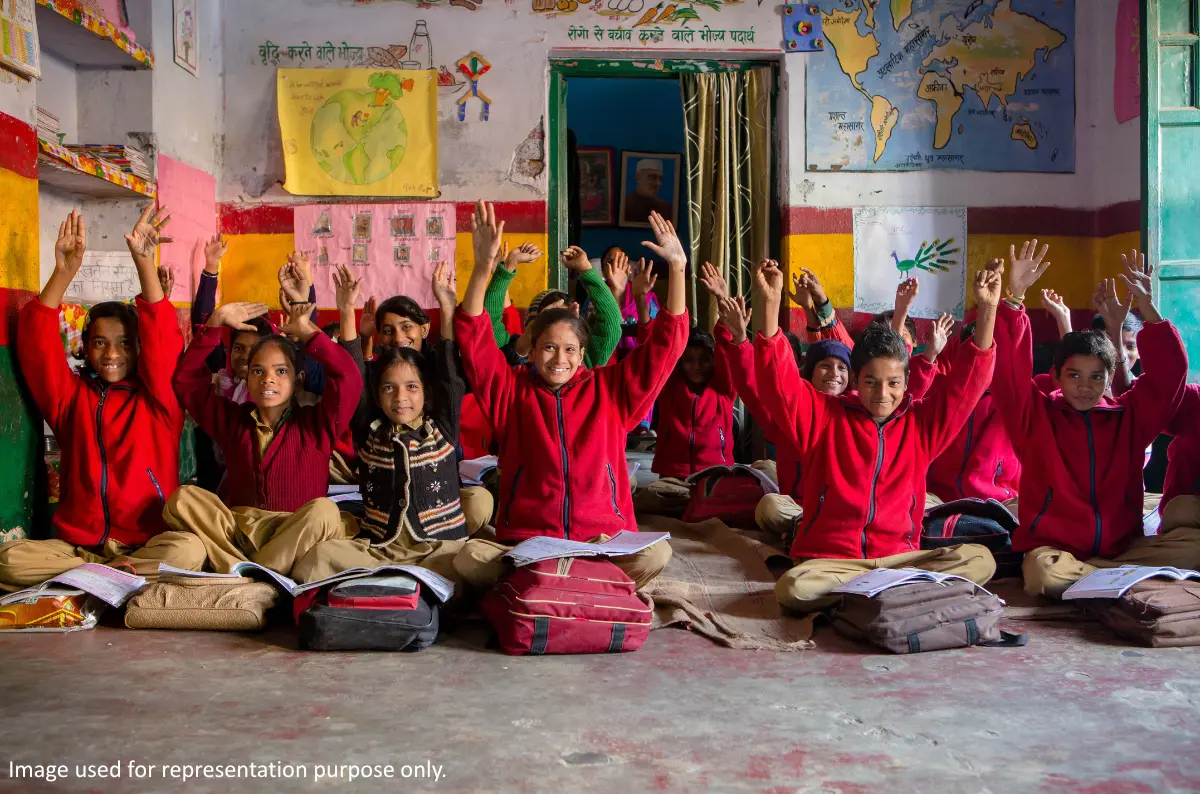
Inclusive education addresses diverse learning needs by increasing participation and reducing exclusion. It ensures equal learning opportunities for all students in mainstream classrooms, fostering true participation, belonging, and community inclusion, especially for children previously marginalised, segregated, or excluded from education.
Understanding Inclusive Education
To understand inclusive education, we must look at it as a system where all children learn together, regardless of their physical, cognitive, or emotional differences. It rejects the practice of using special schools or classrooms to separate children with disabilities from those without impairments.
What Is Inclusive Education? Meaning and Core Principles
At its core, inclusive education means that every child has the right to learn and play together. It is a system where everyone belongs and is welcome. The core principles include the belief that all students can learn and benefit from education. Schools must adapt to the needs of students, rather than the students adapting to the rigid needs of the school. Furthermore, individual differences are viewed as a source of richness and diversity, not as a source of conflict. Discrimination based on race, gender, language, disability, or poverty is strictly rejected.
How Inclusive Education Differ from Traditional Education Models
Traditional education models historically relied on institutionalization, separation, or segregation. Exceptional children were often placed in residential institutions or special classes, which isolated them from society. In contrast, inclusive education is an educational reform that has gained significant momentum since 1994, emphasizing access, participation, and achievement for all. While traditional models focus on the "deficiencies" of a child, inclusive models focus on collaboration and mutual respect.
Also Read: Cognitive Development in Early Childhood
Inclusive Education vs. Integration: Understanding the Difference
While the terms are often used interchangeably, there is a vital distinction between "integration" and "inclusion." Integration was a philosophy that aimed to end segregation by placing disabled children in regular schools, but it often required the child to "fit" into the existing system.
Why Integration Alone Is Not Enough
Integration is sometimes viewed as the antithesis of institutionalization, moving children out of isolated settings. However, integration alone is not enough because it does not necessarily require the school to change its structure or curriculum. Simply placing a child in a regular classroom without the necessary support or systemic changes can lead to a lack of genuine participation.
Moving Toward Real Participation and Belonging in Classrooms
Inclusive education goes further by requiring the school to undergo changes to ensure all students are an integral part of the community. It is about creating an environment where every child feels valued and empowered. Real participation involves students with diverse abilities improving their social competence and communication skills through vigorous educational programs. It transforms the classroom into a safe, respectful space where every child can reach their full potential.
The Need of Inclusive Education in India
In India, the need for inclusive education is rooted in fundamental rights. The Indian Constitution guarantees equality, freedom, justice, and dignity to all individuals. This mandate necessitates an inclusive society that embraces people with disabilities as equal partners. Inclusive growth has been a major focus of national planning to ensure this inclusion becomes a reality.
Also Read: International Womens Day 2026
Inclusive Education in India: Current Scenario
India is a signatory to several international declarations for the full participation and equality of people with disabilities. Policies like the National Policy for Persons with Disabilities (2006) and the Sarva Shiksha Abhiyan (SSA) have been launched to achieve the universalization of elementary education. Despite these efforts, significant hurdles remain.
Barriers to Inclusive Education in Indian Schools
Several systemic problems hinder the successful implementation of inclusive education in India. These include overcrowded classrooms, inappropriate rules regarding school admission, and an absence of necessary infrastructure. Many schools still lack the architectural modifications required for children with disabilities to move independently.
Challenges Faced by Children with Disabilities and Marginalized Communities
Children with disabilities often face specific learning challenges, such as limited vocabulary, difficulty in sentence construction, or spatial and perceptual difficulties. Beyond physical disabilities, children from marginalized communities may face social disadvantages that affect their development and adjustment. There is often a persistent gap between a student’s potential and their actual performance due to a lack of specialized attention.
How Inclusive Education Benefits All Children
Inclusive education provides a holistic learning environment that benefits everyone, not just those with disabilities.
- Fosters Acceptance: It helps students appreciate differences and develop empathy.
- Enhances Social Skills: Children learn teamwork, cooperation, and communication.
- Improves Academic Performance: Collaborative learning fosters critical thinking and problem-solving for the entire class.
- Promotes Emotional Health: A sense of belonging boosts self-esteem and motivation.
- Prepares for the Real World: It mirrors the diversity of future workplaces.
Also Read: Child Wasting Malnutrition
Key Elements of Effective Inclusive Education
Effective inclusion requires a new role for both the teacher and the school.
- Inclusive Curriculum and Flexible Teaching Methods
A flexible curriculum balances a mainstream framework with individual needs. Teaching methods should be multi-sensory, as using more senses makes learning more stable. For example, students with dyslexia benefit from information presented in small chunks and visual formats like mind maps.
- Teacher Training and Support Systems
Teachers must be prepared to handle children with special needs effectively. This involves pre-service and in-service training to develop essential competencies. Collaborative structures, such as peer consultation and co-teaching, are essential for supporting educators.
- Creating Safe, Accessible, and Child-Friendly Learning Environments
A child-friendly environment involves removing architectural barriers and ensuring that the physical layout is predictable. It also means creating a positive classroom culture where students’ views are listened to and taken seriously.
Also Read: Social and Emotional Learning
The Role of Policy, Schools, and Communities
Success depends on collaboration between educators, parents, and the broader community. Government programs like the District Primary Education Program (DPEP) have made significant contributions by providing teacher training and educational aids. Communities must advocate for social justice to ensure inclusive education becomes the standard.
Also Read: International Day of Women and Girls in Science
How CRY America Is Promoting Inclusive Education for Children in India
CRY America is a highly trusted non-profit organization that works tirelessly to ensure that education is a fundamental right for every child. Through campaigns like "Poori Padhai Desh Ki Bhalai," CRY focuses on child education and health, striving to prevent child labor and child marriage which often exclude children from the classroom. By promoting transparency and accountability, CRY America supports projects that create safe, inclusive environments where children from marginalized communities in India can thrive and complete their secondary education.
Also Read: Life Skills Activities
FAQs
How does inclusive education support children from marginalized communities?
Inclusive education ensures that no student is excluded based on social origin, birth, poverty, or any other status. It provides equal access to resources and a supportive environment that values the unique perspectives of children from diverse backgrounds.
How does inclusive education contribute to reducing discrimination in classrooms?
By fostering interaction between diverse peers, it helps remove stereotypes and encourages students to respect each other's unique abilities. It creates a culture of empathy where differences are celebrated rather than used as a basis for harassment or isolation.
What is the long-term impact of inclusive education on society?
It prepares children for a diverse world and builds a more compassionate, accepting society. Children raised in inclusive environments are more likely to become adults who advocate for social justice, equality, and mutual respect in their communities.
What challenges do rural schools face in implementing inclusive education?
Rural schools often struggle with overcrowded classrooms and a lack of trained teachers prepared to teach children with disabilities. Additionally, the absence of proper infrastructure and specialized architectural accessibility remains a significant hurdle in these settings.
Understanding the Digital Divide Meaning for India’s Marginalized Children
In the contemporary era, the ability to navigate the digital world is no longer a luxury, it is a fundamental necessity for survival and growth. However, for millions of children across India, a massive chasm exists between their potential and the resources they need to thrive. This chasm is known as the digital divide. For marginalized children, this gap represents more than just a lack of gadgets; it is a barrier to education, healthcare, and a future free from poverty.
What Is the Digital Divide?
At its core, the digital divide is a social and economic issue masquerading as a technological one. It separates those who can participate in the modern world from those who are left behind in the shadows of the analog past.
Digital Divide Meaning Explained in Simple Terms
In simple terms, the digital divide refers to the significant gap between individuals who have ready access to modern technology, specifically computers and high-speed internet and those who do not. It is not just about owning a smartphone; it also encompasses digital literacy, which is the ability to evaluate, create, and responsibly use information on digital platforms.
What Is Digital Divide and Why It Matters in Today’s World
The digital divide matters because the world has moved online. From applying for jobs and accessing government welfare programs to attending school and consulting doctors, digital connectivity is now a prerequisite for civic participation and economic advancement.
Understanding the Digital Divide in India
India presents one of the most complex digital landscapes in the world. While it is a global hub for technology and innovation, the domestic reality for its citizens is starkly divided.
Digital Divide in India: An Overview
India’s digital divide is defined by the country’s vast geographical expanse and deep-seated socioeconomic disparities. While urban centers are hubs of 5G connectivity and high smartphone penetration, large swaths of rural India remain "digital black spots". This divide manifests across several dimensions, including income, gender, and language.
Also Read: Cognitive Development in Early Childhood
Digital Divide in India Statistics: What the Numbers Reveal
The statistics surrounding India’s digital journey are both impressive and concerning:
- India has over 700 million internet users, making it the second-largest user base globally.
- Despite this, the penetration rate is only about 50%, meaning half the population remains entirely disconnected.
- While mobile phone penetration is high at over 80%, smartphone ownership is much lower, at approximately 40%.
- Fixed broadband penetration is alarmingly low, at roughly 7% of households, mostly concentrated in wealthy urban areas.
Digital Divide in Rural Areas: Where the Gap Is Widest
The disparity is most visible when comparing urban and rural settings. Nearly 70% of India’s population lives in rural areas, yet internet penetration in these regions lags significantly behind cities.
Limited Internet Connectivity and Infrastructure Challenges
Rural areas face massive infrastructure gaps. Many villages lack reliable electricity, which is a prerequisite for keeping devices charged and functional. Furthermore, while 4G has expanded, many remote regions still suffer from poor network coverage, high latency, and frequent service disruptions. Government projects like BharatNet aim to connect 250,000 village councils with fiber optics, but last-mile delivery to individual homes remains a major hurdle.
Lack of Devices and Access to Digital Tools
Connectivity is useless without a device. For a low-income family in a village, the cost of a smartphone or a laptop can be prohibitive, often consuming a disproportionate share of their annual income. Additionally, rural children often lack access to public access points or community technology centers where they could otherwise learn and explore the internet in a safe environment.
Also Read: Access to Education
How the Digital Divide Affects Marginalized Children
For a child born into a marginalized community, the digital divide is not a theoretical concept, it is a daily barrier to their rights.
Impact on Education and Learning Opportunities
The COVID-19 pandemic acted as a "stress test" for India’s education system, and the results were devastating for the poor. When schools shifted online, students without internet access or devices faced severe educational disruptions. These children missed months, or even years, of learning continuity, creating a gap that may take a lifetime to close. In contrast, children with digital access could use e-books, virtual classrooms, and interactive platforms to continue their studies.
Digital Exclusion and Its Effect on Skill Development
Beyond formal schooling, digital exclusion prevents children from acquiring 21st-century skills like coding, digital communication, and online research. This lack of exposure creates a "skills gap" that disadvantages them the moment they enter the job market. In today's economy, digital literacy is a foundational skill, much like reading and writing.
Also Read: Effects of Social Media on Children
The Digital Divide and Educational Inequality
The digital divide does not just reflect existing inequalities; it actively deepens them.
Online Learning Barriers for Children from Low-Income Families
For children in low-income families, the barriers are multifaceted. They may share a single, low-end mobile phone among several siblings, have no quiet place to study, and lack parents who are digitally literate enough to help them navigate online portals. These online learning barriers make it nearly impossible for them to compete with urban, affluent students who have high-speed broadband and dedicated personal devices.
How the Digital Divide Deepens Existing Social Inequalities
By restricting access to information and resources, the digital divide reinforces social hierarchies. It creates a "knowledge poverty" that mirrors financial poverty. When government services, such as scholarships or healthcare registrations, move exclusively online, those without access are effectively marginalized from the state.
Also Read: Child Hunger Facts
Long-Term Consequences of the Digital Divide for Children
The consequences of being "digitally excluded" follow a child into adulthood, impacting their entire life trajectory.
Impact on Employment Opportunities and Future Livelihoods
Most modern jobs, even entry-level positions, now require some level of digital proficiency. From searching for job openings to submitting applications, the process is increasingly digital. Children who grow up without these skills find themselves locked out of high-growth sectors, relegated to low-wage labor or the informal economy.
Digital Literacy as a Key Factor for Social Mobility
Conversely, digital literacy is a powerful engine for social mobility. It allows a child from a remote village to access the same quality of information as a child in New Delhi or New York. It opens doors to entrepreneurship, freelancing, and global learning. For marginalized communities, digital tools can provide a way to bypass traditional gatekeepers and build sustainable futures.
Also Read: International Womens Day 2026
Bridging the Digital Divide in India
Bridging this gap requires a multi-pronged approach involving government policy, private innovation, and grassroots action. Initiatives like the Digital India program and the National Digital Literacy Mission are vital steps toward universal inclusion. These programs focus on creating digital infrastructure as a core utility and providing basic training to at least one person in every household. However, technology alone isn't enough; content must be available in local languages to be truly accessible.
How CRY America Is Working to Bridge the Digital Divide for Children
CRY America plays a crucial role in this mission by supporting grassroots projects in India. Since 2004, they have impacted the lives of over 800,000 children, focusing on education as a primary tool for empowerment.
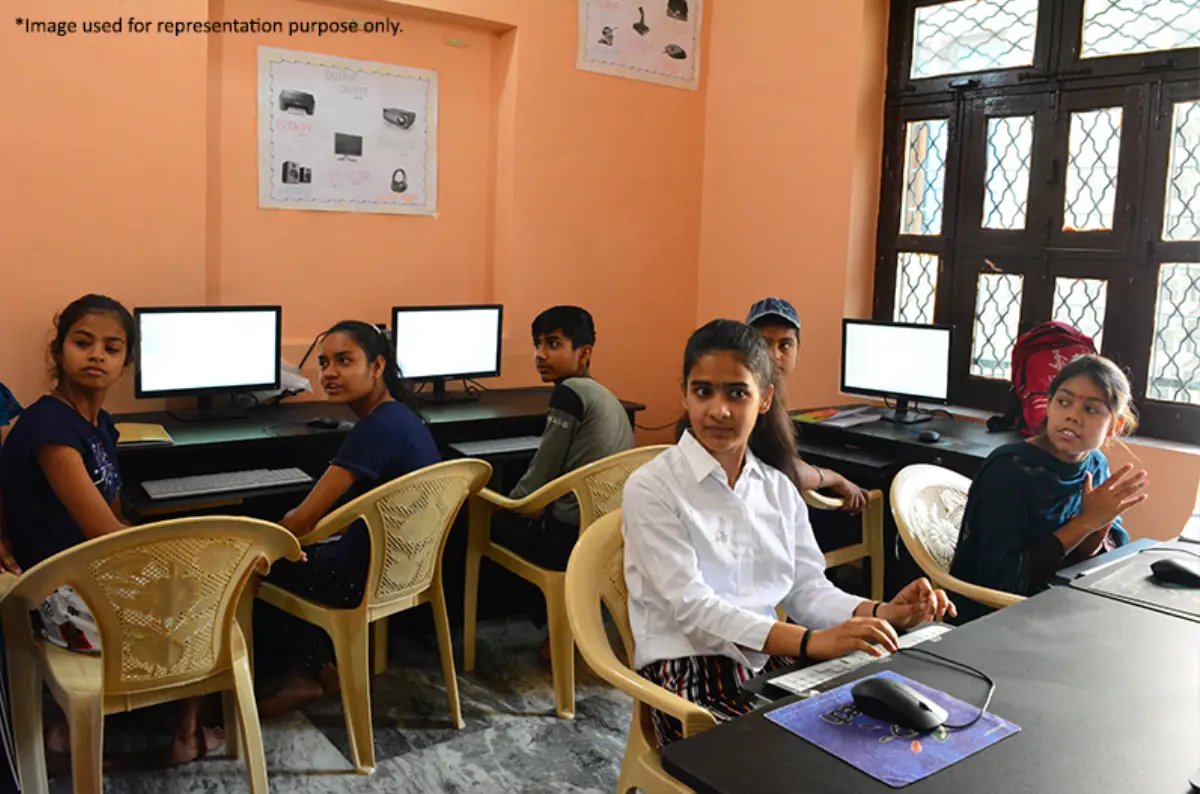
CRY America works with local partners to ensure that underprivileged children stay in school and receive the support they need to succeed in a digital world. A powerful example of their impact is Aman, a former school dropout who worked as a newspaper distributor to support his family. Through a CRY-supported Child Activity Center, Aman bridged his learning gaps, completed a computer course, and is now a Computer, Math, and Science teacher at a public school.
By mobilizing donor support and empowering local communities, CRY America helps provide the "bridge" between lost dreams and new beginnings. Your support allows them to bring technology into classrooms and ensure that every child, regardless of their background has the opportunity to dream big and build a brighter future.
Support child education through CRY America and help children stay in school, learn well, and dream big.
FAQs
Why is closing the digital divide critical for children’s education in India?
Closing the divide is essential because education has moved online. Without digital access, marginalized children face severe disruptions, missing out on e-learning resources and virtual classrooms that are necessary to keep pace with their peers and break the cycle of poverty.
What role does digital literacy play in reducing the digital divide?
Digital literacy is the ability to use technology effectively and responsibly. Access to hardware is only half the battle; without the skills to navigate the internet, search for information, and use digital tools for problem-solving, children remain excluded from the benefits of the digital age.
How can affordable technology help bridge the digital divide in rural India?
Affordable devices and low-cost data plans lower the barrier to entry for low-income families. When technology is financially accessible, it enables rural children to access the same quality of education and skill-building opportunities as urban students, fostering entrepreneurship and social mobility.
How does the digital divide impact girls more than boys in marginalized communities?
Girls often face higher barriers due to cultural factors, security concerns, and limited financial autonomy within the household. They are frequently the last to receive access to shared family devices, which deepens existing gender inequalities in education and future employment.