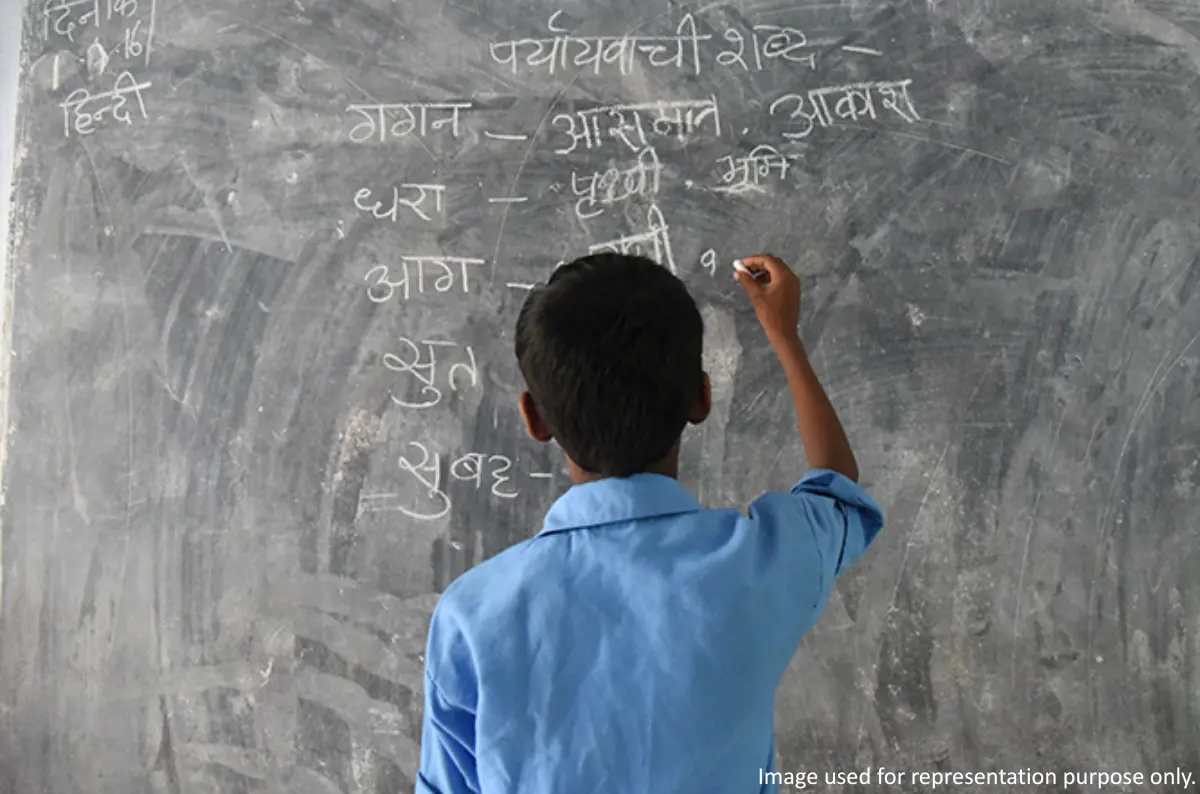












Learning often begins with definitions, formulas, and chapters to complete. But real understanding grows when children are given the chance to ask questions, try things out, and make sense of what they see. For children in underserved communities, this opportunity is often missing. The education system tends to focus on memorization, leaving little room for exploration.
This is where experiential learning offers a different approach, allowing children to engage with concepts directly and learn through experience. In this blog, we explore what experiential learning means, its role in STEM education, and how CRY America is helping bridge this gap for underserved children in India.
What is experiential learning?
Experiential learning is a way of learning where children understand concepts by doing activities and thinking about what they experienced. Instead of only reading or listening, they take part in hands-on tasks, observe what happens, and learn from it.
A simple experiential learning definition is learning through action and reflection. This approach follows a cycle where a child tries an activity, reflects on what happened, makes sense of it, and applies that learning to a new situation. Over time, this helps them understand concepts more clearly and use their knowledge in real life.
Also Read: https://www.cryamerica.org/blogs/importance-of-skill-based-education-for-empowering-underprivileged-children/

Types and examples of experiential learning
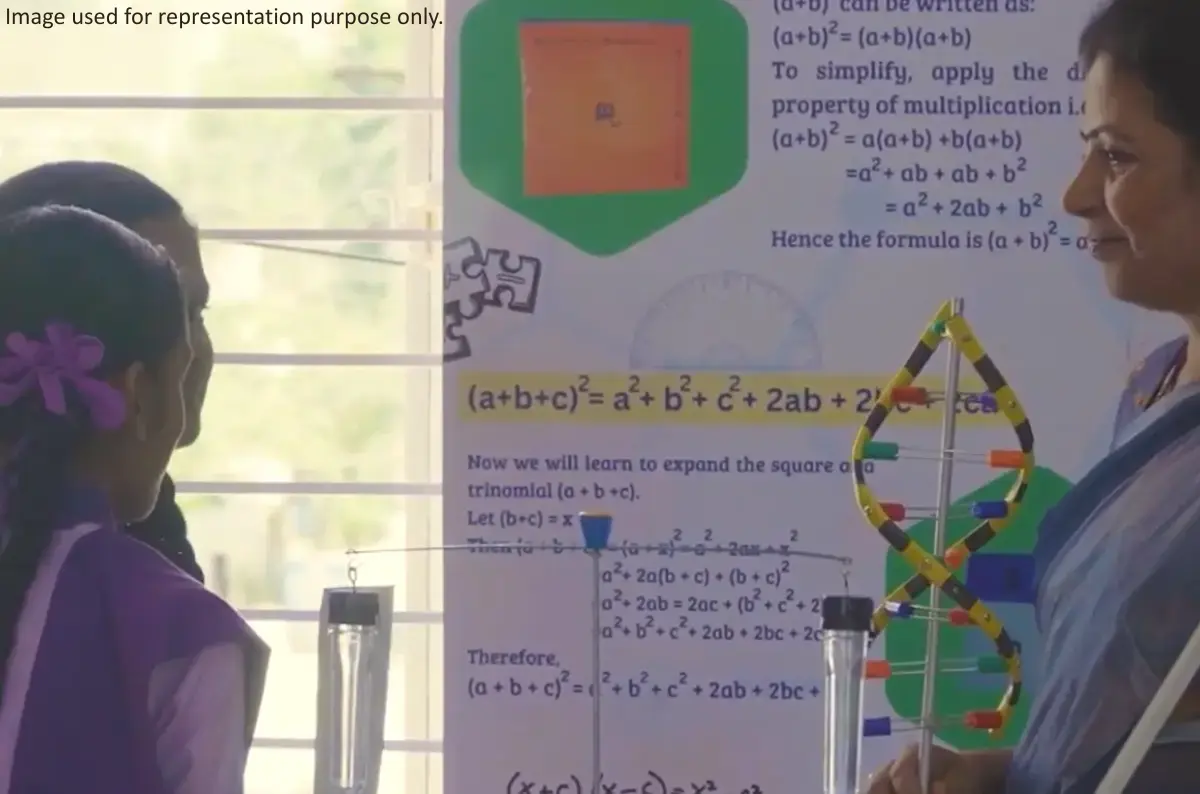
For children in underserved communities, experiential learning goes beyond understanding concepts. It often connects directly to the challenges they see around them and the ways they can respond. Here are some types, along with relevant experiential learning examples.
- Problem solving through local challenges: Problem solving through local challenges allows children to work on issues they experience in their own environment. For instance, children in a village facing irregular water supply may map water sources, track usage, and create simple storage or conservation ideas.
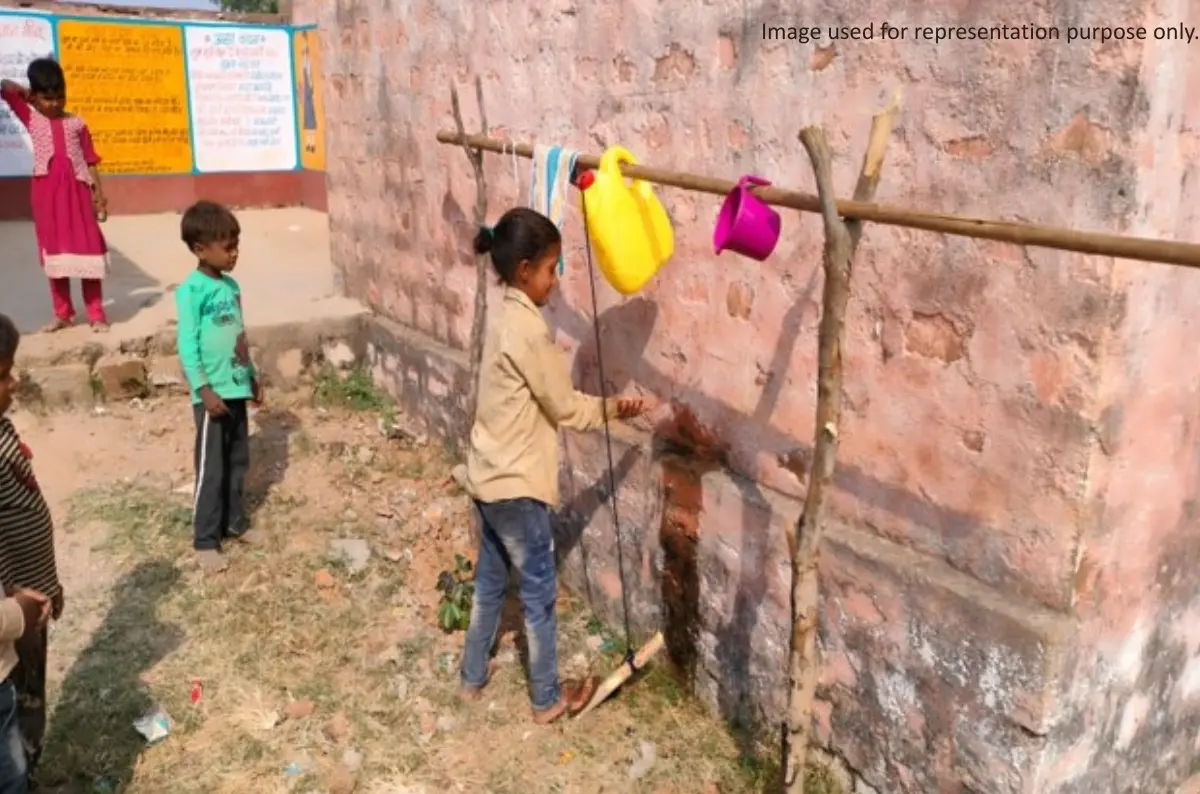
- Project based learning: This helps children connect subjects to familiar situations. A group of students might build a low cost handwashing station using locally available materials. This introduces them to basic engineering, hygiene awareness, and resourcefulness, all within a context they understand.
- Community observation and field learning: This encourages children to learn from what exists around them. By observing crop patterns, soil conditions, or waste disposal in their area, they begin to understand environmental science and cause and effect relationships, instead of learning these as abstract ideas.
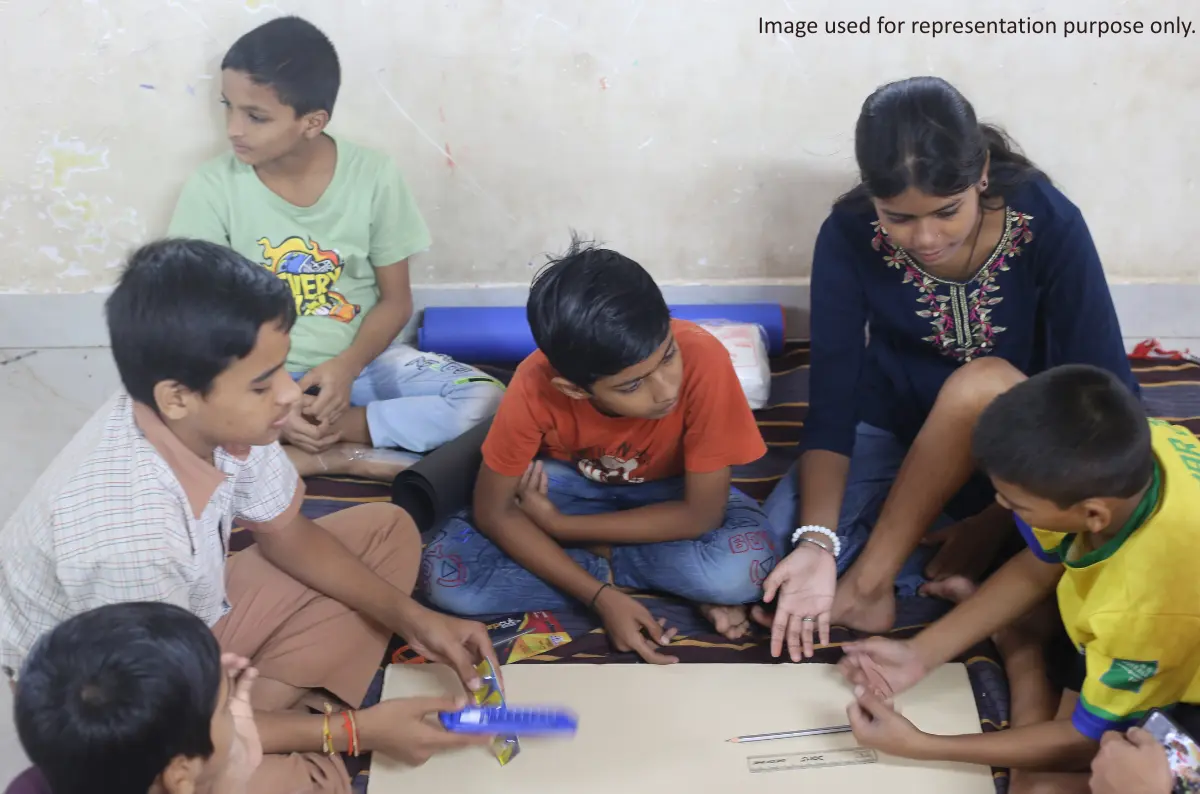
- Collaborative problem solving within peer groups: It gives children the chance to think through challenges together. For example, students may work in groups to find ways to improve lighting in their homes using simple circuits or solar alternatives. This builds both technical understanding and the ability to listen, adapt, and refine ideas collectively.
- Learning through repair and reuse: This introduces practical problem solving in resource constrained settings. Children might fix broken objects, reuse materials for new purposes, or design simple tools. Through this, they learn how things work while also understanding the value of sustainability.
Also Read: https://www.cryamerica.org/blogs/stem-activities-for-kids-in-rural-areas-empowering-the-next-generation/
Why experiential learning works especially well for STEM
STEM subjects are meant to explain how the world works, but they are often taught in ways that feel distant from everyday life. Experiential learning helps bridge this gap by allowing children to test and observe concepts on their own. When they build, measure, or experiment, abstract ideas begin to make sense.
How doing builds curiosity, critical thinking, and problem solving
Children are naturally curious, but that curiosity needs space to develop. When learning involves doing, children begin to ask questions based on what they see. They try different approaches, notice outcomes, and think about why something worked or did not. This process gradually strengthens their ability to analyze situations, solve problems, and think independently.
Also Read: https://www.cryamerica.org/blogs/social-and-emotional-learning/
Why children in rural India are left out of quality STEM education
For many children in rural India, access to meaningful STEM learning is shaped by structural gaps in the education system.
- Limited access to supportive learning environments – Many schools lack the space and structure needed for exploration, which makes it harder to move beyond basic instruction.
- Overcrowded classrooms – With a high number of students in one room, it becomes difficult for teachers to conduct activities that require attention, interaction, or hands on participation.
- Focus on syllabus completion – Teaching is often driven by the need to finish the curriculum, which leaves little time for discussion, experimentation, or deeper understanding.
- Lack of learning materials and tools – Basic resources needed for hands-on STEM activities are often unavailable, making it difficult to bring concepts to life.
- Limited teacher support and training – Teachers may not always have access to training or guidance that helps them adopt experiential methods in the classroom.
Also Read: https://www.cryamerica.org/blogs/overcoming-barriers-to-education-for-underprivileged-children/
How CRY America uses experiential learning to transform STEM education
CRY America promotes STEM education by creating opportunities for children to learn through experience, especially by setting up STEM labs for adolescents in underserved communities.
- STEM labs that encourage hands on learning – These labs introduce children to simple activities where they can build, test, and observe concepts in action, helping them understand lessons more clearly.
- Teacher support for interactive learning – Teachers are provided with training and guidance to move beyond rote methods and bring more activity based learning into the classroom, making lessons more engaging and easier to grasp.
- Life skills sessions that build curiosity – Through these sessions, children are encouraged to explore their surroundings, ask questions, and think independently, helping them connect learning with their everyday lives.
- Safe and inclusive learning spaces – Children are given an environment where they feel comfortable sharing ideas, trying new approaches, and learning without fear of being judged or making mistakes.
Also Read: https://www.cryamerica.org/blogs/why-is-equity-in-education-is-important/
How you can help bring experiential STEM learning to every child in India
Every child deserves the chance to learn in a way that helps them understand, not just remember. Supporting initiatives that promote experiential learning can help make this possible for more children. This could mean contributing resources, raising awareness, or advocating for better learning practices.
When children are given opportunities to learn through experience, they are better equipped to make sense of the world around them and to shape their own path within it. Donate to CRY America to support underserved children in accessing experiential learning opportunities.
Also Read: https://www.cryamerica.org/blogs/international-day-of-women-and-girls-in-science/
Experiential Learning and STEM: Frequently Asked Questions
Who first developed the theory of experiential learning and when?
The theory of experiential learning was developed by David Kolb in 1984. It built on earlier ideas from educators like John Dewey and Kurt Lewin, focusing on learning through experience, reflection, and application.
What is the difference between experiential learning and project based learning?
Experiential learning is a broader approach where children learn through doing and reflecting. Project based learning is one method within it, where children work on a specific task or problem over time to understand concepts.
How can experiential learning be implemented without expensive equipment or technology?
Experiential learning can be introduced using everyday materials and local environments. Simple activities like observing surroundings, solving community problems, or using low cost materials can help children learn concepts through direct experience.
How does experiential learning help girls in India build confidence in STEM subjects?
Experiential learning gives girls the space to try, question, and participate actively. By engaging in hands-on activities and problem solving, they gain confidence in their abilities and begin to see themselves as capable of understanding STEM concepts.
Recommended for you