











Teaching at the Right Level: The Remedial Education Model Rebuilding Rural Indian Classrooms
Across rural India, millions of children attend school every day but still struggle with basic reading and math skills. Many students move from one grade to the next without mastering foundational concepts, creating learning gaps that grow wider over time. Traditional classroom teaching often focuses on grade-level curricula, leaving behind children who are already struggling.
This is where Teaching at the Right Level (TaRL) has emerged as a powerful solution. Rather than teaching children according to their age or grade, this approach focuses on their actual learning level. By helping children build foundational skills first, TaRL has become an important model for improving learning outcomes and strengthening remedial education in rural communities. It is helping children catch up, regain confidence, and reconnect with learning.
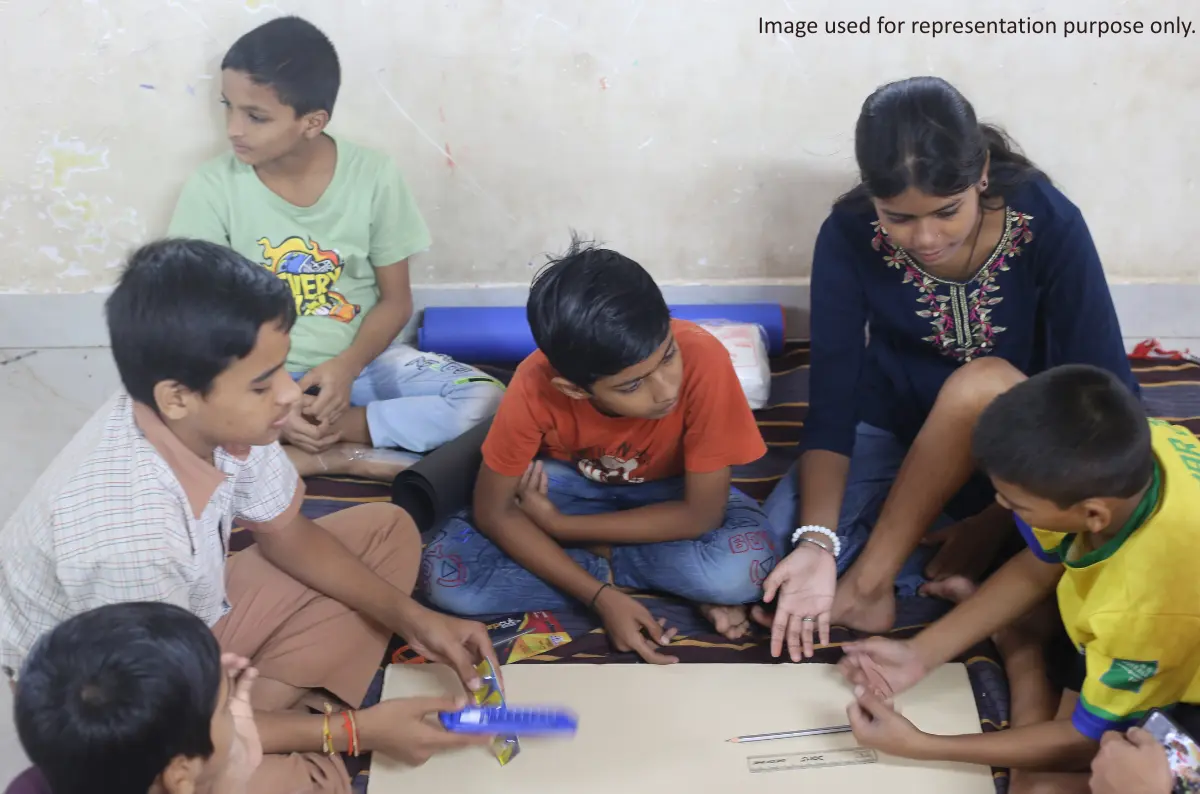
In a single classroom, children may be grouped by reading ability rather than grade level, allowing teachers to focus on what each child is ready to learn next.
Teaching at the Right Level: Transforming Education Through Targeted Learning
TaRL is an educational approach that assesses children's current learning abilities and groups them according to what they know rather than the grade they are enrolled in.
The model focuses on helping children acquire basic reading and math skills before moving to more advanced concepts. Instead of expecting every child in a classroom to learn at the same pace, TaRL recognizes that children have different learning needs. This targeted approach helps improve learning outcomes faster and ensures that children develop the foundational skills needed for future academic success.
Understanding Remedial Education and Its Role in Indian Schools
Remedial education refers to targeted learning support designed to help children who have fallen behind academically. It focuses on identifying learning gaps and providing additional instruction to help students reach expected competency levels.
In many Indian schools, children progress through grades despite not mastering basic literacy and numeracy skills. Over time, these gaps become larger and more difficult to address. Remedial education helps bridge this gap by providing structured support that meets children where they are in their learning journey.
Teaching at the Right Level is one of the most effective forms of remedial education because it focuses directly on foundational learning. Rather than trying to cover the entire curriculum quickly, it prioritizes essential skills that enable children to learn independently and participate more effectively in classroom activities.
The Learning Crisis in Rural India That Remedial Education Is Trying to Solve
Many rural classrooms face a learning crisis where enrollment rates have improved but learning outcomes remain low. Large numbers of children struggle with basic reading and arithmetic despite spending years in school.
The Growing Gap Between Grade Level and Actual Learning in Rural Classrooms
Many children in higher grades are unable to perform tasks expected at much lower grade levels. This mismatch creates frustration and makes it difficult for students to keep up with classroom instruction.
How Overcrowded Classrooms and Undertrained Teachers Widen the Gap
Teachers often manage classrooms with students who have very different learning abilities. Limited resources and insufficient training can make it challenging to provide individualized support to struggling learners.
Why First-Generation Learners Are the Most Vulnerable
Children whose parents have limited formal education often have fewer opportunities for academic support at home. Without additional help, these students can fall behind early and struggle to catch up.
The Role of Poverty and Irregular Attendance in Poor Learning Outcomes
Economic hardship often affects school attendance and learning continuity. Children who miss classes frequently may find it difficult to develop foundational skills, resulting in persistent learning gaps.
Also Read: Breaking the Cycle: Importance of Education in Rural Areas
How the Teaching at the Right Level Model Works in Practice
The TaRL approach begins with a simple assessment to determine each child's learning level. Based on the results, children receive targeted instruction designed to strengthen foundational literacy and numeracy skills.
The focus remains on helping children master essential competencies before progressing to more advanced learning objectives.
Grouping Children by Learning Level Rather Than Age or Grade
One of the defining features of TaRL is that children are grouped according to their current abilities rather than their grade level. This allows instruction to be tailored to their specific needs and helps children learn at a pace that matches their understanding.
Activity-Based and Peer Learning Approaches in Remedial Education
Teaching at the Right Level uses engaging activities, games, discussions, and peer learning methods to make learning enjoyable and effective. These approaches encourage active participation and help children gain confidence while developing core skills.
Community Learning Programs: Bringing Education Closer to Children
Community learning programs play an important role in extending educational support beyond traditional classrooms. These programs create safe and accessible spaces where children can continue learning, especially when school-based support is limited.
Community learning programs also encourage parents, local leaders, and volunteers to become active participants in children's education. This shared responsibility helps create stronger learning environments and improves long-term educational outcomes.
Also Read: NGOs Driving Access to Quality Education in Rural India
How Community Learning Programs Support Out-of-School and At-Risk Children
Community learning programs provide additional support for children who are out of school, at risk of dropping out, or struggling academically. They help children build foundational skills and reconnect with learning opportunities.
The Role of Local Volunteers and Educators in Community Learning
Local volunteers and educators often serve as mentors, facilitators, and role models. Their involvement strengthens community ownership of education and helps create supportive learning environments for children.
How CRY Is Championing Remedial Education and Community Learning Across India
CRY America supports initiatives that help underprivileged children access quality education and improve learning outcomes. Recognizing that many children face significant learning gaps, CRY works with grassroots partners to strengthen educational support systems in underserved communities.
Through remedial education programs, children receive focused academic support that helps them build foundational literacy and numeracy skills. These interventions are designed to address learning gaps early and ensure that children remain engaged in education.
CRY also promotes community learning initiatives that bring educational opportunities closer to children who need them most. By working with families, schools, community members, and local stakeholders, CRY helps create environments where children can learn, grow, and succeed.
Its efforts focus not only on improving academic achievement but also on protecting children's right to quality education and equal opportunities for development.
Scaling What Works
The success of Teaching at the Right Level demonstrates the importance of targeted learning support. However, reaching every child will require greater investment in teacher training, assessment tools, learning materials, and community engagement.
Schools need systems that regularly assess learning levels and provide timely support to struggling students. Strong partnerships between schools, communities, and organizations can help expand access to remedial education programs.
Scaling community learning initiatives and strengthening foundational learning support can ensure that more children receive the help they need before learning gaps become permanent barriers to success.
Conclusion: Every Child Deserves to Learn at Their Own Level and Reach Their Full Potential
Every child learns differently and deserves support that matches their needs. Teaching at the Right Level has shown that when instruction is aligned with children's actual learning abilities, meaningful progress becomes possible. Expanding remedial education and community learning efforts can help ensure that every child has the opportunity to learn, thrive, and reach their full potential.
Also Read: The Importance of Early Childhood Care and Education
FAQ’s: Teaching at the Right Level
What is Teaching at the Right Level and how does it work?
Teaching at the Right Level is an educational approach that groups children according to their learning abilities rather than their age or grade. After assessing students' skills, educators provide targeted instruction focused on foundational literacy and numeracy, helping children close learning gaps and improve learning outcomes.
What is remedial education and who does it benefit most?
Remedial education provides additional academic support to children who have fallen behind in their learning. It is especially beneficial for students with weak foundational skills, first-generation learners, children from disadvantaged communities, and those who have experienced interruptions in their education.
How does CRY use remedial education and community learning programs to support underprivileged children in India?
CRY works with grassroots partners to improve educational opportunities for underprivileged children. Through remedial education programs and community learning initiatives, CRY helps children strengthen foundational skills, improve learning outcomes, stay engaged in school, and access their right to quality education.

Urban vs Rural Poverty in India: Key Differences That Impact Children
While both forms of poverty affect children, the challenges of urban vs rural poverty are often very different.
- Visibility of Poverty
Rural poverty is usually easier to identify because it affects entire villages, while urban poverty often remains hidden within rapidly growing cities. - Living Conditions in Urban Slums
Children in urban slums frequently face overcrowding, poor sanitation, unsafe surroundings, and limited access to basic services. - Challenges in Rural Areas
Children affected by rural poverty often struggle with long travel distances to schools and healthcare facilities, poor transportation, and weak infrastructure. - A Hidden Urban Crisis
Despite living near essential services, children facing urban poverty often experience severe health and development challenges due to social and economic barriers.
The Overlooked Crisis Facing Children in Urban Slums
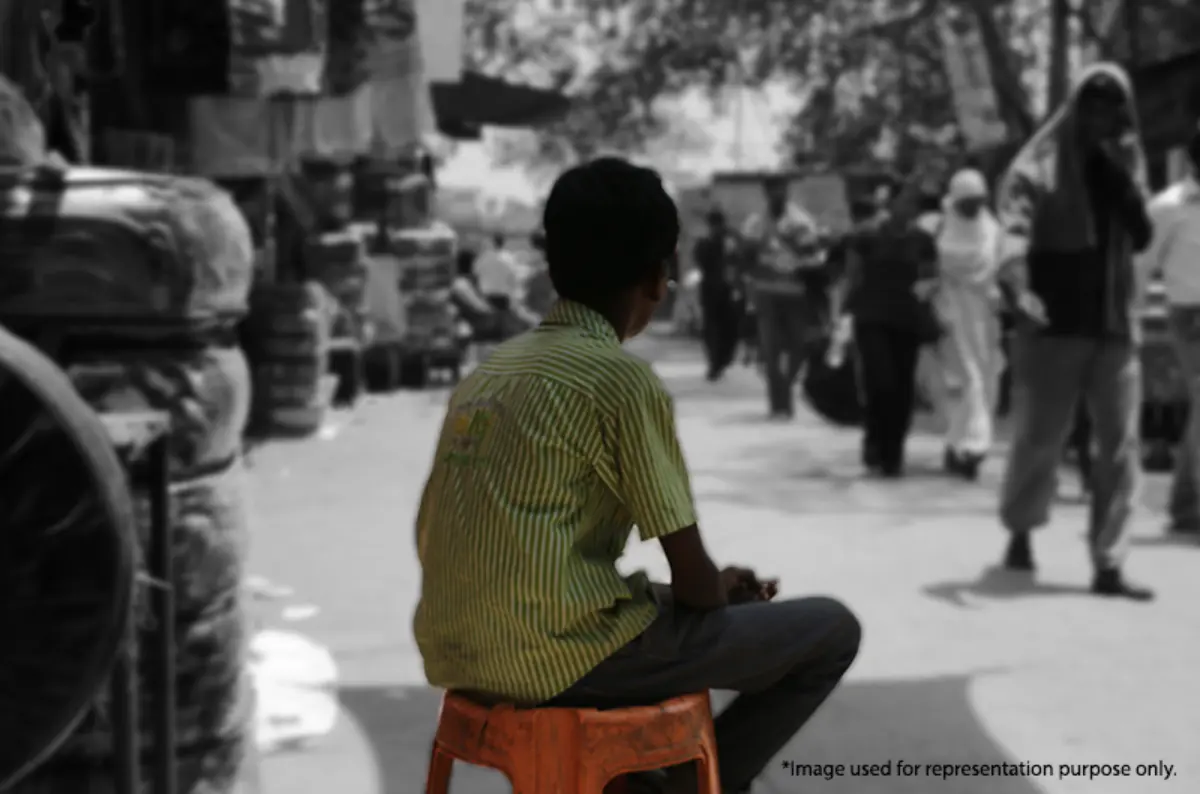
Children living in urban slums often experience multiple forms of deprivation at the same time. Their challenges are frequently overlooked because cities are generally viewed as places of opportunity and development.
Also Read: 8 Ways to Empower Underprivileged Children
Lack of Secure Housing and Constant Threat of Eviction
Many families living in informal settlements do not have legal rights to the land they occupy. The threat of eviction creates instability and disrupts children's access to education, healthcare, and social support systems.
Frequent displacement often means changing schools, interrupted learning, and loss of support systems.
Invisible Children: Why Slum Children Are Left Out of Data and Policy
Many slum communities are not fully represented in official records. As a result, children living in these areas may be excluded from services, welfare programs, and policy planning designed to support vulnerable populations.
Limited Access to Quality Education in Urban Informal Settlements
Although schools may be physically nearby, many children face barriers such as overcrowded classrooms, financial constraints, frequent migration, and poor learning environments that affect educational outcomes.
Child Labor and Exploitation in Urban Poverty Pockets
Economic hardship often forces children to contribute to household income. This increases the risk of child labor, exploitation, unsafe working conditions, and school dropout among children living in urban poverty settings.
Also Read: What Is Child Labor
How Rural Poverty Shapes Childhood
While urban poverty presents unique risks, rural poverty creates its own set of challenges that can significantly affect children's development and future opportunities.
Limited infrastructure, fewer educational resources, poor healthcare access, and dependence on seasonal livelihoods can make childhood particularly difficult in rural areas. These conditions often contribute to long-term cycles of disadvantage.
Poor Infrastructure, Distance and Dropout Rates in Rural Areas
Many rural children travel long distances to attend school. Poor roads, transportation challenges, and inadequate educational facilities can lead to irregular attendance and higher dropout rates.
Seasonal Migration and Its Devastating Impact on Rural Children
Families experiencing rural poverty often migrate temporarily in search of work. Frequent movement disrupts children's education, separates them from support systems, and increases their vulnerability to exploitation and learning loss.
Many children repeatedly start over in unfamiliar classrooms—or stop attending school altogether.
Also Read: Breaking the Cycle: Importance of Education in Rural Areas
Where Policy Falls Short for Children
Despite numerous efforts to reduce poverty, many children continue to fall through the cracks. One challenge in addressing urban vs rural poverty is that a single approach cannot effectively meet the needs of children living in very different environments.
Policies often focus on broad poverty indicators without fully accounting for the unique experiences of children in urban slums or remote rural communities. As a result, some of the most vulnerable children remain underserved.
To create meaningful change, programs must recognize the specific barriers children face and provide targeted support that addresses local realities.
Gaps in Government Programs Reaching the Most Marginalized Children
Many children living in informal settlements, migrant communities, and remote villages struggle to access welfare programs due to documentation issues, mobility, or limited awareness of available services.
Also Read: The Urgency of Educating Marginalized Children in India
The Need for Context-Specific Solutions Across Urban and Rural Settings
Effective interventions should be tailored to local conditions. Strategies that work in rural communities may not address the challenges faced by children living in urban slums, and vice versa.
How CRY Is Addressing Child Poverty Across Both Urban and Rural India
CRY America works to ensure that children affected by both urban poverty and rural poverty have access to their basic rights, including education, healthcare, protection, and opportunities for development.
Through partnerships with grassroots organizations, CRY supports programs that address the root causes of child poverty while strengthening communities and local systems. Its work focuses on improving school enrollment and retention, reducing child labor, promoting child protection, and increasing access to essential services.
In urban areas, CRY supports efforts that help children living in slums and informal settlements access education, healthcare, and social protection. In rural communities, programs focus on strengthening educational opportunities, reducing child marriage, improving health outcomes, and supporting vulnerable families.
By working directly with communities, schools, local authorities, and families, CRY helps create sustainable solutions that improve children's lives and protect their rights.
What Needs to Change?
Addressing poverty requires more than improving household income. Children need access to quality education, healthcare, nutrition, safe housing, and protection from exploitation regardless of where they live.
Policies must prioritize the needs of children living in underserved urban settlements and remote rural communities. Better data collection, stronger social protection systems, improved public services, and greater community participation are all essential.
Investments in children today can help break intergenerational cycles of urban poverty and rural poverty, creating opportunities for healthier and more secure futures.
Conclusion: Whether in a Slum or a Village Every Child Deserves a Life Beyond Poverty
The debate around urban vs. rural poverty should not distract from a simple reality: every child deserves safety, opportunity, and the chance to thrive. Whether living in a crowded urban slum or a remote rural village, children face challenges that can limit their potential. With targeted action and sustained support, it is possible to create a future where no child is held back by poverty.
Also Read: How Education Can Transform the Lives of Underprivileged Youth
FAQ's on Urban vs Rural Poverty in India
What is the difference between urban poverty and rural poverty in India?
Urban poverty affects people living in cities and is often linked to inadequate housing, overcrowding, poor sanitation, and informal employment. Rural poverty is commonly associated with limited infrastructure, agricultural dependence, fewer job opportunities, and poor access to services. Both significantly affect children's well-being and development.
Why do children in urban slums face more challenges than those in rural areas?
Children in urban slums often face multiple challenges at once, including overcrowded housing, poor sanitation, insecure living conditions, child labor risks, and limited access to quality services. Despite being located near urban resources, many remain excluded from opportunities due to poverty and social barriers.
How does CRY work to address the impact of both urban and rural poverty on children in India?
CRY supports programs that improve children's access to education, healthcare, nutrition, and protection. By working with grassroots organizations and communities, CRY addresses the unique challenges associated with both urban poverty and rural poverty, helping children access their rights and build better futures.

POSCO Act India: Full Form, Meaning, and How It Protects Children From Sexual Abuse
Childhood should be a time of safety and growth, yet many children in India face the risk of abuse. The POSCO Act India was introduced to protect children from such harm. The full form of POSCO Act is the Protection of Children from Sexual Offences Act, 2012. This law was created to ensure that every child under eighteen is protected from sexual abuse. It focuses on dignity, safety, and justice, making it one of the most important child protection laws in the country.
What is the POSCO Act?
If you are asking what is POSCO Act, it is a special law designed to protect children from sexual offences. The POSCO Act meaning lies in its child focused approach. It clearly defines different types of abuse and sets rules for reporting, investigation, and trial. Unlike general laws, it ensures that children are treated with care and respect during the legal process.
Also Read: How Child Protection Laws Work in India
When Was the POSCO Act Passed and Enforced?
The law was passed by Parliament on 19 June 2012 and came into force on 14 November 2012. This date is also Children’s Day in India, which highlights the importance of protecting young lives. Since then, the POSCO Act India has helped many children seek justice in a safer and more structured way.
Why Was the POSCO Act Needed - The Legal Gap Before 2012
Before this law, cases were handled under general criminal laws that did not fully address child specific needs. Children often faced stressful court procedures and insensitive questioning. There was no clear system to protect their identity or mental health. The POSCO Act was introduced to fill these gaps and provide a safer legal path for children.
Also Read: The Reality of Violence Faced by Children in India
What Does the POSCO Act Cover? Offences and Definitions
The POSCO Act India clearly defines different types of offences to prevent misuse and ensure justice. It covers a wide range of crimes, including physical abuse and digital exploitation, leaving no room for confusion.
Penetrative and Non Penetrative Sexual Assault
The law defines penetrative sexual assault as any form of sexual penetration of a child. This is treated as a serious offence with strict punishment. Non penetrative assault includes any physical contact with sexual intent. Both are punishable, ensuring that even smaller violations are taken seriously.
Sexual Harassment and Use of Children for Pornography
Sexual harassment includes actions such as inappropriate gestures, words, or behavior that make a child uncomfortable. The law also covers the use of children in pornographic content. This includes creating, sharing, or storing such material. These provisions protect children both offline and online.
Why POSCO Is India's First Gender Neutral Child Protection Law
One important feature of the POSCO Act is that it is gender neutral. This means it protects all children, whether boys or girls. It also applies to offenders of any gender. This ensures equal protection and recognizes that abuse can happen to any child.
Key Features of the POSCO Act
The POSCO Act India stands out because of its child friendly approach. It focuses on reducing trauma and making the legal process easier for children.
Child Friendly Reporting and Investigation Procedures
The law requires that a child’s statement be recorded in a safe and comfortable place, such as their home. A female police officer is usually assigned to handle the case. Children are not kept in police stations at night, and their words must be recorded carefully. This helps reduce fear and stress.
Also Read: Making Schools a Safer Place for Every Child
Special Courts and In Camera Trials for Speedy Justice
Special courts are set up to handle these cases quickly. Trials are held in private to protect the child’s identity. The child does not have to face the accused directly. These steps help create a safer environment for giving testimony.
Mandatory Reporting, Who Is Required to Report and Why
The law makes it mandatory for anyone who suspects abuse to report it. This includes teachers, doctors, and community members. Failure to report can lead to punishment. This rule ensures that society takes responsibility for protecting children.
Penalties and Punishments Under the POSCO Act
The POSCO Act India includes strict punishments to act as a strong deterrent. Serious offences can lead to long prison sentences and fines. In some cases, offenders may also be required to provide compensation to support the child’s recovery.
POSCO Amendment Act 2019: What Changed?
In 2019, the law was strengthened to address rising concerns about child safety. These changes focused on stricter punishments and better protection against digital crimes.
Stricter Penalties Including the Death Penalty for Aggravated Offences
The amendment introduced harsher penalties for severe crimes, including the death penalty in certain cases involving young children. Minimum sentences were also increased to ensure stronger punishment for offenders.
Enhanced Provisions on Child Pornography
The law now includes stricter action against those who create or share harmful content involving children. Even storing such material without reporting it can lead to legal action. This helps control the spread of digital exploitation.
Also Read: Protecting Children from Dangers in the Digital Space
POSCO Act in Practice: Progress and Persistent Challenges
While the POSCO Act is strong, challenges remain in its implementation. Many people are still unaware of their rights and the reporting process. Social stigma often prevents families from coming forward. There is also a need for better training for police and legal professionals to ensure proper handling of cases.
Also Read: A Closer Look at Child Rights Progress in India
How CRY America Supports Child Protection in India
CRY America works to protect children by spreading awareness and supporting families. The organization helps communities understand child rights and safety. It also supports children through counseling and guidance during legal processes. By working closely with local partners, CRY America helps ensure that the benefits of the POSCO Act India reach those who need it most.
Frequently Asked Questions About the POSCO Act India
What is the full form of the POSCO Act?
The full form of POSCO Act is the Protection of Children from Sexual Offences Act. It was introduced in 2012 to protect children from sexual abuse and ensure a safe legal process for victims.
Are POSCO offences bailable or non-bailable?
Most offences under the POSCO Act are non bailable. This means the accused cannot easily get bail, as the law treats these crimes as very serious and aims to protect the child during the case.
Does the POSCO Act protect children from online sexual abuse and grooming?
Yes, the POSCO Act India covers online abuse as well. It includes rules against using children in digital content and protects them from online grooming and exploitation.
Is the POSCO Act applicable to both male and female child victims?
Yes, the law is gender neutral. It protects all children equally, regardless of gender, ensuring that every child receives the same level of safety and justice.

World Health Day 2026: Date, Theme, Activities, and What It Means for Children's Health in India
Every year, the world comes together to reflect on health and well-being on a single day. World Health Day 2026 arrives at a time when science and collaboration are shaping the future of healthcare. For India, this day is deeply connected to the health of its children. It reminds us that health is not a privilege but a basic right. It also highlights the need for action, awareness, and stronger systems to protect every child.
What is World Health Day?
If you are wondering what is World Health Day, it is a global awareness day led by the World Health Organization. It focuses on one major health issue each year to bring attention and action. The purpose is to encourage governments, communities, and individuals to improve health systems and support vulnerable populations. It also reflects progress made so far and points to the gaps that still need to be addressed.
When is World Health Day Celebrated?
Many people ask when is World Health Day. It is celebrated every year on 7 April. This date stays the same each year to ensure global participation. In 2026, 7 April World Health Day falls on a Tuesday. On this day, health organizations, governments, and communities come together through campaigns, events, and discussions to focus on key health challenges.
History and Origin of World Health Day
The history of World Health Day goes back to 1948, when the World Health Organization was established. The date of 7 April marks its founding. Over time, this day has grown into a global movement that keeps health at the center of international attention. It was created to ensure that health remains a priority for every nation and community.
World Health Day 2026: Theme and Significance
The theme for World Health Day 2026 is "Together for health." Stand with science. This theme focuses on the importance of working together and trusting scientific research to solve health challenges. It highlights the need for strong global cooperation and evidence-based decisions to improve healthcare systems for everyone.
What Does "Together for Health. Stand with Science" Mean?
This message calls for unity and trust in science. It means supporting policies that are based on facts and research rather than fear or misinformation. It also encourages countries to prepare better for future health crises and invest in new technologies. Standing with science helps create fair and inclusive healthcare systems that reach everyone.
Why This Year's Theme Matters for Children
Children are often the most affected when health systems are weak. In India, this theme is especially important because it supports better nutrition, vaccination, and care for children. Tools like digital health platforms help track immunization and ensure no child is missed. When we rely on science, children receive proper care based on real data and proven methods.
Alsor Read: The Vital Role of Nutrition in Protecting Marginalized Children
World Health Day Themes Over the Years
Looking back at past themes shows how World Health Day has addressed different global concerns. In 2025, the focus was on healthy beginnings and hopeful futures. In 2024, the theme highlighted the right to health. Earlier themes included universal health coverage, mental health, and environmental health. Each year builds awareness and encourages action.
The State of Children's Health in India: Why World Health Day Hits Close to Home
India has one of the largest child populations in the world, making child health a major priority. While progress has been made, many children still face challenges in accessing proper care. World Health Day highlights both the progress and the gaps that remain. It reminds us that every child deserves equal access to healthcare.
Malnutrition, Stunting, and Wasting - The Scale of the Crisis
Malnutrition remains a serious issue in India. It weakens children and makes them more vulnerable to diseases. Many children face stunting, wasting, or anemia due to poor nutrition. This affects not only their health but also their ability to learn and grow.
Also Read: What is Malnutrition
Immunization Gaps and Preventable Deaths Among Children
Even today, some children miss essential vaccines. Lack of awareness and limited access to health services are key reasons. While India has improved its child health indicators, preventable diseases still affect many children. Continued efforts are needed to ensure full immunization coverage.
Also Read: Vaccines for Newborns: Why Immunization is Key to Infant Survival
The Rural-Urban Divide in Child Health Access
There is a clear gap between healthcare in cities and rural areas. Families in remote regions often travel long distances for treatment. Health workers play a key role in reaching these communities, but more support is needed to strengthen rural healthcare systems.
Also Read: Anemia in Rural Children: A Health Problem We Can't Ignore
World Health Day Activities: How Individuals and Organizations Can Participate
There are many simple World Health Day activities that individuals and organizations can take part in. People can spread awareness about hygiene, nutrition, and vaccination. Volunteering with local groups and supporting healthcare programs can also make a difference. Even small efforts like encouraging families to seek medical help can save lives.
CRY America's Work for Children's Health in India
CRY America works to improve the health and well-being of children in India. The organization focuses on ensuring access to nutrition, healthcare, and education for underprivileged children. By working closely with communities, CRY America helps bridge the gap between services and those who need them the most.
Happy World Health Day - Share the Message, Spark the Change
As we say happy World Health Day, it is important to remember that change begins with awareness. Sharing information and supporting healthcare efforts can create a stronger future. This day is a reminder to stand with science, support health workers, and ensure that every child has a chance to live a healthy life.
Frequently Asked Questions About World Health Day 2026
Why is World Health Day important for children in India?
World Health Day is important because it highlights the health challenges faced by children in India. It raises awareness about issues like malnutrition and lack of healthcare access. It also encourages action to improve services and protect children’s futures.
What activities can I do to observe World Health Day?
You can take part in World Health Day activities such as spreading awareness about hygiene and vaccination. You can also volunteer with local organizations, support health campaigns, or educate families about available services.
How can I donate to a child health cause on World Health Day?
You can support organizations like CRY America by making donations online. These contributions help provide nutrition, healthcare, and vaccinations to children in need. Every small effort can make a big difference.
What progress has India made on child health indicators over the last decade?
India has improved its child health indicators by reducing infant mortality and expanding access to healthcare. Digital health platforms and national programs have helped increase vaccination coverage and improve primary care services for children.
Life Skills Education Explained: A Complete Guide to 21st Century Skills for Indian Children
In today's rapidly changing world, academic knowledge alone is not enough to prepare children for life. They also need the ability to think critically, communicate confidently, make informed decisions, manage emotions, and adapt to new situations. These abilities, collectively known as life skills education, help children navigate everyday challenges while preparing them for future education, employment, and responsible citizenship. Research shows that life skills improve learning outcomes, emotional well-being, and long-term success, making them an essential part of every child's education.
What Is Life Skills Education, and Why Does It Matter?
Life skills education refers to the development of psychosocial and cognitive abilities that enable children to make informed decisions, solve problems, build healthy relationships, and cope with life's challenges. It goes beyond textbooks by helping children apply knowledge in real-world situations. According to education experts, these skills are closely linked to improved academic performance, stronger emotional health, and better social outcomes. For children growing up in vulnerable circumstances, life skills training can also build confidence, resilience, and independence.
The 21st Century Skills Every Indian Child Needs to Thrive
Success today depends on much more than literacy and numeracy. 21st-century skills equip children to learn continuously, collaborate with others, and adapt to changing environments. CBSE groups these skills into learning and innovation, digital literacy, and career and life skills. They include critical thinking, creativity, communication, collaboration, leadership, adaptability, self-direction, and social responsibility. Together, these abilities help children become capable learners, responsible citizens, and confident individuals who are prepared for higher education, meaningful work, and everyday life.
Also Read: https://www.cryamerica.org/blogs/the-importance-of-stem-education-for-future-innovators/
Core Areas Covered Under Life Skills Education
Effective life skills education focuses on developing the following essential abilities that children need both inside and outside the classroom.
Critical Thinking and Problem Solving
Children learn to analyze situations, evaluate information, identify solutions, and make logical decisions instead of relying on memorization.
Communication and Interpersonal Skills
Strong communication, active listening, teamwork, empathy, and conflict resolution help children build positive relationships and collaborate effectively.
Emotional Intelligence and Self-Awareness
Understanding emotions, managing stress, building self-confidence, and developing empathy support children's mental and emotional well-being.
Decision Making and Resilience
Children develop the confidence to make informed choices, adapt to setbacks, and persevere through challenges while learning from their experiences.
Also Read: https://www.cryamerica.org/blogs/cognitive-development-in-early-childhood/
The Current State of Life Skills Education in Indian Schools
Awareness of life skills education has grown significantly in India, with CBSE and national education policies emphasizing holistic learning alongside academics. However, implementation remains uneven. While some schools integrate experiential learning and social emotional development, many still prioritize examinations and rote learning due to curriculum pressures, limited teacher training, and resource constraints.
Gaps in the Existing Curriculum and What Needs to Change
Many schools lack structured life skills training, practical classroom activities, and teacher support, preventing children from consistently developing these essential competencies.
How NEP 2020 Addresses 21st Century Skills in Education
NEP 2020 promotes experiential, multidisciplinary learning that encourages critical thinking, creativity, collaboration, communication, and holistic child development instead of rote memorization.
The Role of Life Skills Training Beyond the Classroom
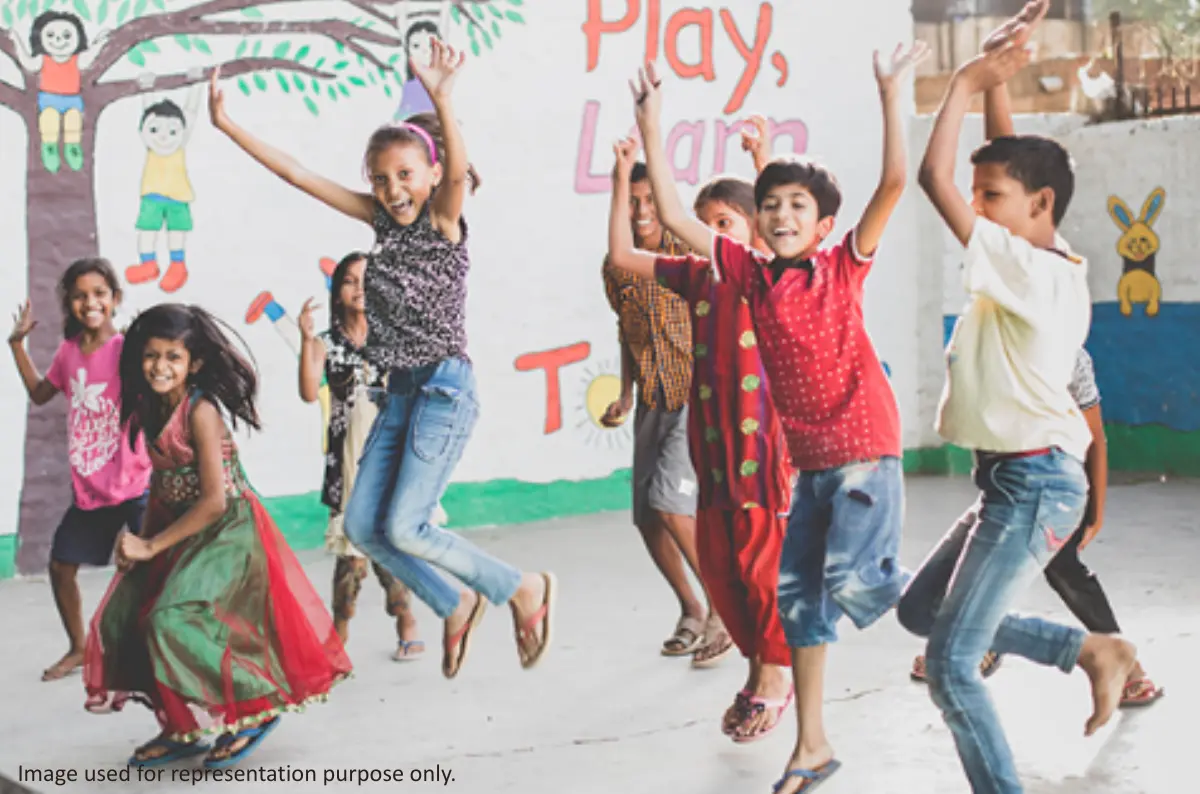
Children develop life skills through everyday experiences, not just formal education. Families, communities, peer groups, sports, arts, and child participation programs all provide opportunities to practice communication, leadership, teamwork, empathy, and decision-making. When schools and communities work together, children gain the confidence to apply these skills in real life. This is especially important for children facing poverty, discrimination, child labor, or limited access to quality education, as life skills training can strengthen resilience and improve future opportunities.
Life Skills Training for Adolescents and Vulnerable Children
For vulnerable adolescents, life skills training supports self-confidence, informed decision-making, gender equality, safety awareness, and better preparation for education, work, and adulthood.
The Role of Parents and Communities in Building Life Skills
Parents, caregivers, teachers, and community members reinforce positive behaviors by encouraging communication, responsibility, empathy, problem-solving, and independent thinking every day.
Also Read: https://www.cryamerica.org/blogs/essential-life-skills-activities-to-empower-rural-children/
How CRY Is Integrating Life Skills Education Into Its Child Rights Work
CRY America believes every child deserves the opportunity to grow into a confident, capable individual. Along with ensuring children's rights to education, protection, health, and participation, CRY works with children, families, schools, and communities to create supportive environments where essential life skills can flourish. Through child participation initiatives, adolescent groups, community engagement, and school strengthening efforts, children are encouraged to develop leadership, communication, critical thinking, self-confidence, and decision-making abilities. By addressing barriers such as poverty, gender discrimination, child labor, and school dropout, CRY helps create conditions where life skills education becomes meaningful and accessible for every child.
What Needs to Happen to Make Life Skills Education Universal in India
Making life skills education universal requires stronger policy implementation, teacher training, age-appropriate curricula, continuous assessment, and adequate school resources. Equal attention must also be given to children in underserved communities. Partnerships between governments, schools, families, and organizations like CRY can ensure every child has access to quality life skills training, regardless of their background.
Conclusion: Equipping Every Indian Child With the Skills to Lead a Dignified Life
Academic success alone cannot prepare children for the future. By making life skills education a core part of every child's learning journey, India can empower children with the confidence, resilience, and 21st-century skills they need to lead safe, independent, and dignified lives.
FAQ
What is life skills education and why is it important for children?
Life skills education helps children develop practical abilities such as communication, critical thinking, emotional management, problem solving, and decision-making. These skills improve learning, strengthen relationships, support mental well-being, and prepare children to face real-life challenges with confidence.
What are the key 21st-century skills every child should learn?
Essential 21st-century skills include critical thinking, creativity, communication, collaboration, emotional intelligence, adaptability, leadership, self-direction, digital literacy, and responsible decision-making. Together, these skills help children succeed in school, work, and everyday life.
How does CRY incorporate life skills training in its programs for children in India?
CRY integrates life skills training by strengthening schools, supporting child participation, engaging communities, and empowering adolescents to build confidence, leadership, communication, decision-making, and resilience while addressing barriers that prevent children from reaching their full potential.