











Empowering underprivileged children is crucial for creating a more equitable society. These children often face numerous barriers to education, healthcare, and safety. By focusing on their development and well-being, we can ensure they have the opportunities to reach their full potential. Keep reading to know more!
Also Read: Child Labor Facts
Importance of Child Empowerment
Child empowerment is important in building a brighter future for individuals and society. By providing children with the tools and opportunities to grow, we enable them to thrive and reach their full potential. Here are some key benefits of empowering children:
Break the Cycle of Poverty
Empowered children are more likely to break free from the cycle of poverty. Access to education, skills training, and opportunities helps them improve their socioeconomic status, ensuring a better future for themselves and their families. By giving children the resources they need, we help uplift entire communities and reduce the long-term impact of poverty.
Boost Self-Esteem
Empowering children boosts their confidence and self-esteem. Children who can make choices, express themselves, and achieve goals build a strong sense of self-worth. This confidence carries over into all areas of their lives, positively affecting their academic, social, and personal development.
Also Read: What is Malnutrition
Foster Resilience
Empowered children develop resilience, learning how to handle adversity and setbacks. They become better equipped to navigate challenges, adapt to change, and maintain a positive outlook with the right support. Resilience helps children bounce back from difficulties, fostering growth in their personal and academic lives.
Encourage Active Citizenship
Empowerment encourages children to become active, responsible citizens. By teaching them the importance of community engagement, advocacy, and social responsibility, we inspire them to contribute positively to society. These children grow up to be informed, engaged individuals who work toward creating change and improving their communities.
Also Read: Protect Underserved Children
8 Ways to Empower Underprivileged Children
Empowering underprivileged children is vital for breaking the cycle of poverty and ensuring they have the tools to thrive. By focusing on providing them with opportunities in education, health, and personal development, we can create a foundation for their future success. Here are eight impactful ways to empower these children:
Provide Access to Quality Education
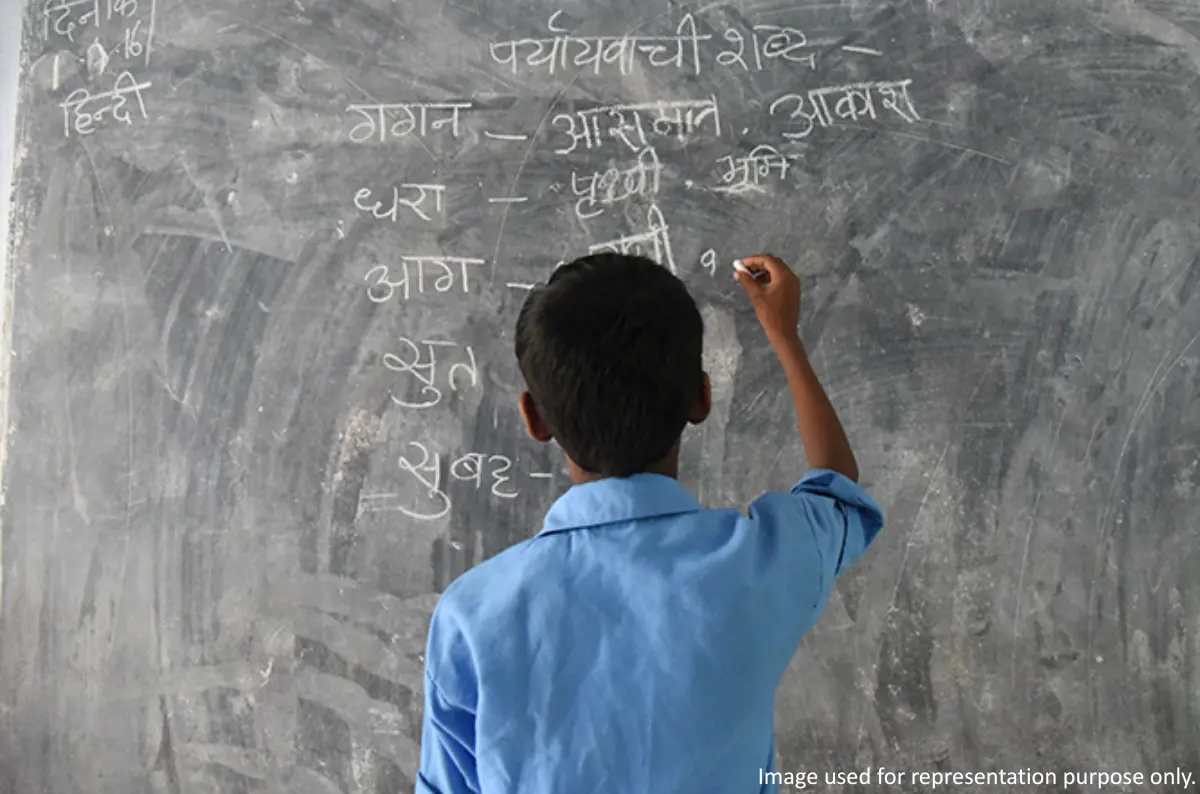
Quality education is a powerful tool that can change a child’s life trajectory. For underprivileged children, access to education provides the opportunity to develop essential skills, critical thinking, and a sense of self-worth.
Supporting education through scholarships, infrastructure improvements, and trained teachers ensures these children have the knowledge they need for a brighter future.
Encourage Participation in Extracurricular Activities
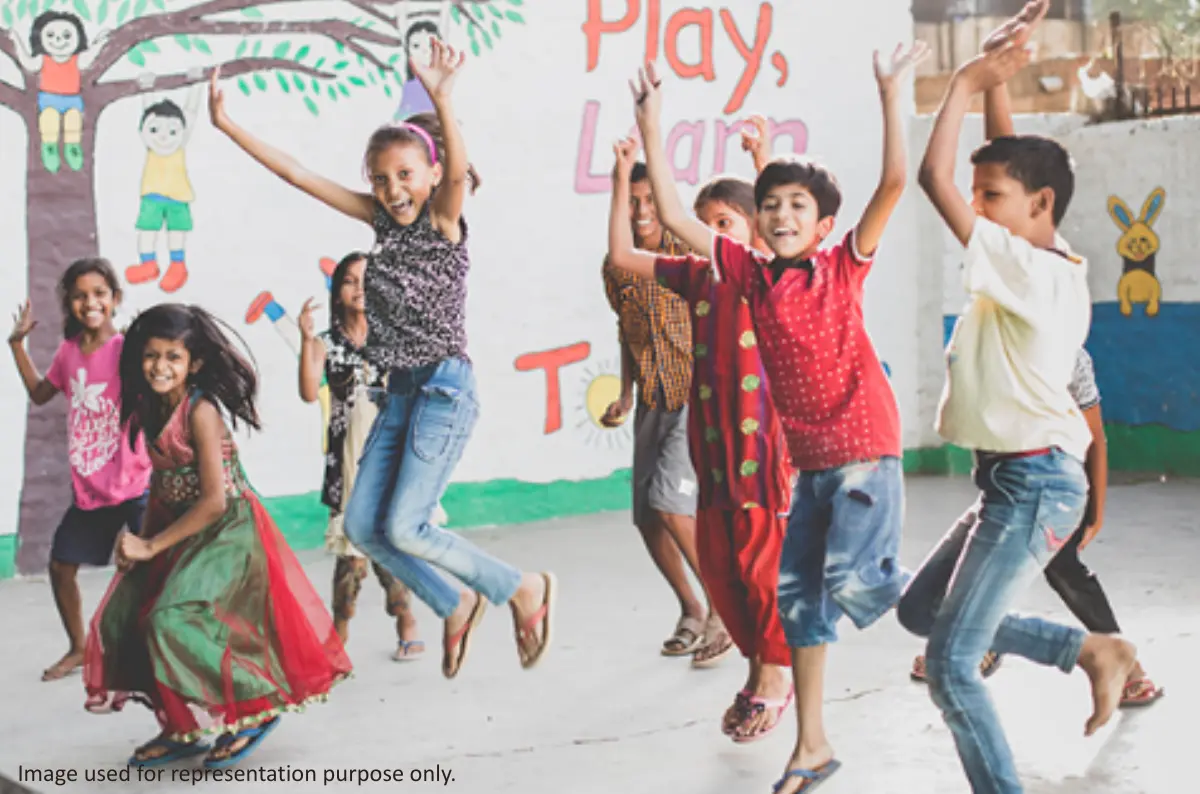
Extracurricular activities such as sports, music, and the arts allow children to explore their passions and talents. They also help build teamwork, leadership, and communication skills.
Encouraging children to participate gives them opportunities to grow beyond the classroom, boosts their confidence, and broadens their perspectives.
Also Read: Breaking Poverty’s Submission Hold
Foster a Supportive Environment
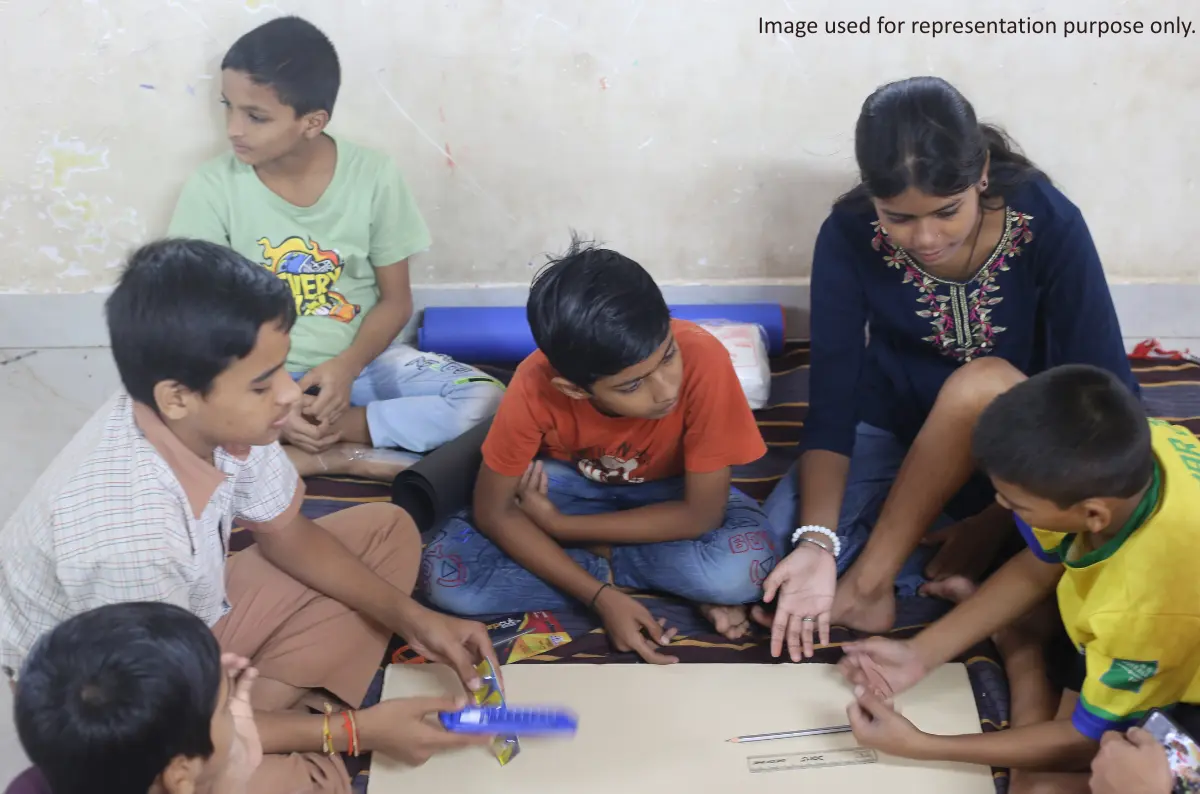
A supportive environment plays a crucial role in a child’s development. Children from underprivileged backgrounds often face additional challenges, so it’s vital to create spaces where they feel safe, respected, and encouraged.
This environment, whether at home or school, helps them build emotional resilience and offers the support they need to thrive in the face of challenges.
Also Read: Stem Activities for Kids
Teach Life Skills
Teaching life skills such as problem-solving, time management, and decision-making can empower underprivileged children to handle everyday situations. These skills enable children to become more independent, improve their ability to deal with adversity and prepare them for life beyond education.
Also, we at CRY America help children develop into well-rounded, functional individuals by integrating life skills into their learning.
Also Read: An Ambassador Grows in Madanapalle
Promote Health and Nutrition
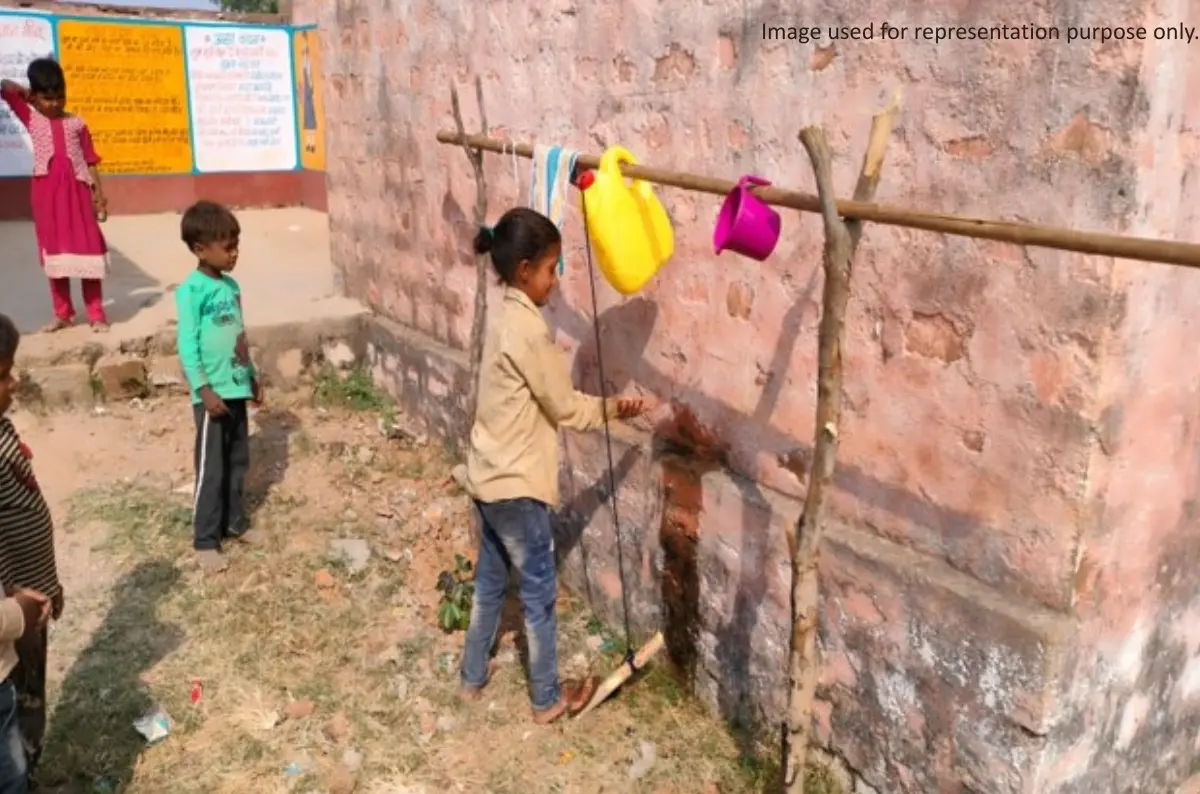
Good health is the foundation for both learning and growing. Underprivileged children often suffer from malnutrition or lack of access to healthcare, which can affect their academic performance and overall development.
Promoting health and nutrition ensures they are physically prepared to engage in school and extracurricular activities, leading to better long-term outcomes in education and personal development.
Encourage Volunteerism and Community Service
Involving children in volunteer work and community service allows them to understand the value of giving back. It builds empathy, responsibility, and a strong sense of community. By participating in these activities, children learn the importance of helping others, which can help instill a sense of purpose and social responsibility throughout their lives.
Create Safe Spaces for Expression
Allowing children to express themselves freely is essential for their emotional and social development. Whether through art, writing, or conversation, safe spaces provide children a platform to share their thoughts and feelings. This helps them process their emotions and fosters creativity and problem-solving abilities that will benefit them throughout life.
Ensuring Advocate for Their Rights
Advocating for the rights of underprivileged children is crucial in ensuring they them to have the opportunities to succeed. This includes fighting for their education rights, abuse protection from child labor, child marriage, abuse, and access to healthcare access.
These advocacy efforts help raise awareness, create laws, and push for policy changes that can improve the lives of children across the globe, ensuring they receive the support and opportunities they deserve.
Also Read: Child Labor
How is CRY America Working to Empower Underprivileged Children?
CRY America empowers underprivileged children by addressing their immediate needs and ensuring long-term development. We focus on providing access to education, healthcare, and protection from child labor, child marriage, and abuse.
Through partnerships with local grassroots organizations and initiatives, CRY America actively works on helping underprivileged children create sustainable change in marginalized communities. Our programs emphasize the importance of early childhood education, improving healthcare services, and promoting children’s rights.
CRY America also advocates for policy changes that protect children’s rights, ensuring that children from underprivileged backgrounds can thrive in a safe, supportive environment.
Also Read: Effects Of Child Labor
Conclusion
Empowering underprivileged children is not just about providing basic needs; it’s about giving them the tools to build a better future. With the right support, education, and resources, these children can overcome challenges and contribute to their communities, leading to lasting change. Organizations like CRY America are also working tirelessly to break these barriers, providing children with access to education, healthcare, and protection from exploitation.
Also Read: International Day of Volunteering
FAQs
What role do extracurricular activities play in child empowerment?
Extracurricular activities help children develop leadership, teamwork, and time management skills. These activities also boost self-confidence and allow children to explore their talents.
How does health and nutrition impact child empowerment?
Proper health and nutrition are critical for a child’s physical and cognitive development. Good nutrition enables children to focus better, perform academically, and participate actively in various empowerment opportunities.
What is the role of Indian community service in empowering children?
Community service in India exposes children to social issues, teaching them empathy and responsibility. It also encourages them to contribute to their community, helping foster a sense of purpose and self-worth.
How can schools promote child empowerment?
Schools can empower children by providing a safe learning environment, offering leadership opportunities, and fostering critical thinking. Encouraging student involvement in decision-making and extracurricular activities also enhances their sense of agency.
How do safe spaces for expression help in child empowerment?
Safe spaces for expression empower children by giving them a secure environment to share their thoughts, feelings, and concerns without fear of judgment or punishment. These spaces help build confidence, self-esteem, and communication skills, enabling children to make informed decisions and advocate for their rights. They also foster peer support, encourage problem-solving, and create opportunities for learning life skills. By providing a voice and agency, safe spaces lead to child empowerment, helping children develop resilience and a sense of ownership over their personal growth and future.
What role do community leaders play in empowering children?
Community leaders play a crucial role in supporting and uplifting children by shaping social norms and influencing public attitudes. They can advocate for children’s rights, speak out against harmful practices like child marriage or child labor, and support access to education and healthcare. Leaders can also accelerate change by partnering with NGOs and Child Protection Committees working in their areas on health, education, and child protection. By mobilizing communities and endorsing such initiatives, leaders make a difference in helping underprivileged children access safer environments where they can grow, learn, and have their rights respected.
How can digital literacy empower underprivileged children?
In marginalized communities, digital literacy plays a key role in empowering children by providing access to information, educational resources, and online learning opportunities that might otherwise be unavailable. It also prepares them for future education and careers. Additionally, digital literacy connects children to wider communities, mentorship programs, and skill-building platforms, enabling them to explore new opportunities, voice their ideas, and overcome social and economic barriers, ultimately helping them break cycles of poverty and inequality.
Also Read: Effects of Social Media on Children
Recommended for you