











Every child deserves clean water, safe toilets, and healthy surroundings. Yet, many children still live without these basic necessities, putting their health, education, and future at risk. This is where understanding what WASH is becomes important. Access to clean water, proper sanitation, and good hygiene practices helps children stay healthy, attend school regularly, and grow in a safe environment. Improving these essential services creates stronger and healthier communities. Understanding what WASH means helps us see why every child deserves access to these essential services.
What Is WASH and Why Is It Important for Every Child?
WASH stands for Water, Sanitation, and Hygiene. These three services work together to protect children’s health and well-being. Water sanitation hygiene is essential for preventing disease, reducing child illness, and creating safe environments where children can learn and thrive.
Access to clean drinking water, safe sanitation facilities, and good hygiene practices helps children grow healthier, miss fewer school days, and enjoy a better quality of life. Without these essentials, children are more vulnerable to infections, malnutrition, and preventable diseases.
Understanding Water, Sanitation, and Hygiene (WASH)
To understand what WASH is, it helps to look at its three key components.
- Water refers to access to safe and reliable water for daily needs such as drinking, cooking, and cleaning.
- Sanitation includes safe toilets, proper waste disposal, and systems that prevent human waste from contaminating the environment.
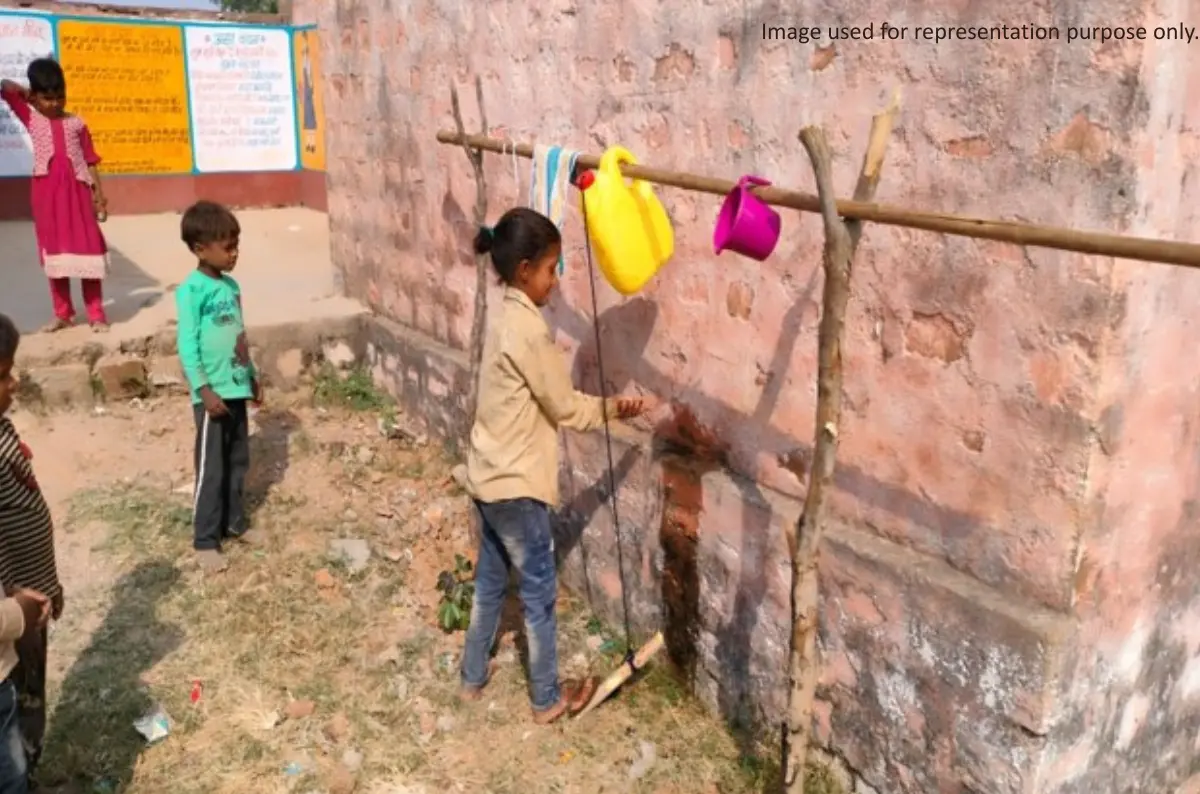
- Hygiene includes healthy habits such as washing hands with soap, maintaining personal cleanliness, and practicing safe food hygiene.
Together, water sanitation hygiene services reduce the spread of disease, improve public health, and help children live healthier lives.
Why WASH Is Essential for Children’s Health and Development
Good WASH programs protect children from illnesses that can affect both their physical and mental development.
Also Read: Everything You Need to Know About Children’s Right to Health
How Safe Drinking Water Protects Children’s Health
Clean drinking water reduces the risk of waterborne diseases such as diarrhea, cholera, and typhoid. Safe water also supports healthy growth and helps children stay active and attend school regularly.
Also Read: Why Immunization Is Key to Infant Survival
Why Proper Sanitation Matters for Every Child
Safe sanitation prevents harmful germs from spreading through the environment. Clean and accessible toilets protect children from disease while creating safer and healthier communities.
Also Read: The Vital Role of Nutrition in Protecting Marginalized Children
The Importance of Handwashing and Good Hygiene Habits
Simple habits like washing hands with soap before eating and after using the toilet significantly reduce the spread of infections. Good hygiene protects both children and their families.
Also Read: Nutrition and Hygiene: Preventing Common Childhood Diseases
How Poor WASH Facilities Increase Health Risks
When children lack access to clean water, sanitation, or hygiene facilities, they face a greater risk of illness, poor nutrition, repeated infections, and missed school days. These challenges can affect their long-term health and development.
Also Read: What Is Malnutrition and How It Affects Children
How WASH Impacts Education and School Attendance
Access to safe water, sanitation and hygiene services help children attend school consistently and learn in healthier environments. Schools with clean drinking water, functional toilets, and handwashing stations create safer spaces where children can focus on learning instead of worrying about basic needs.
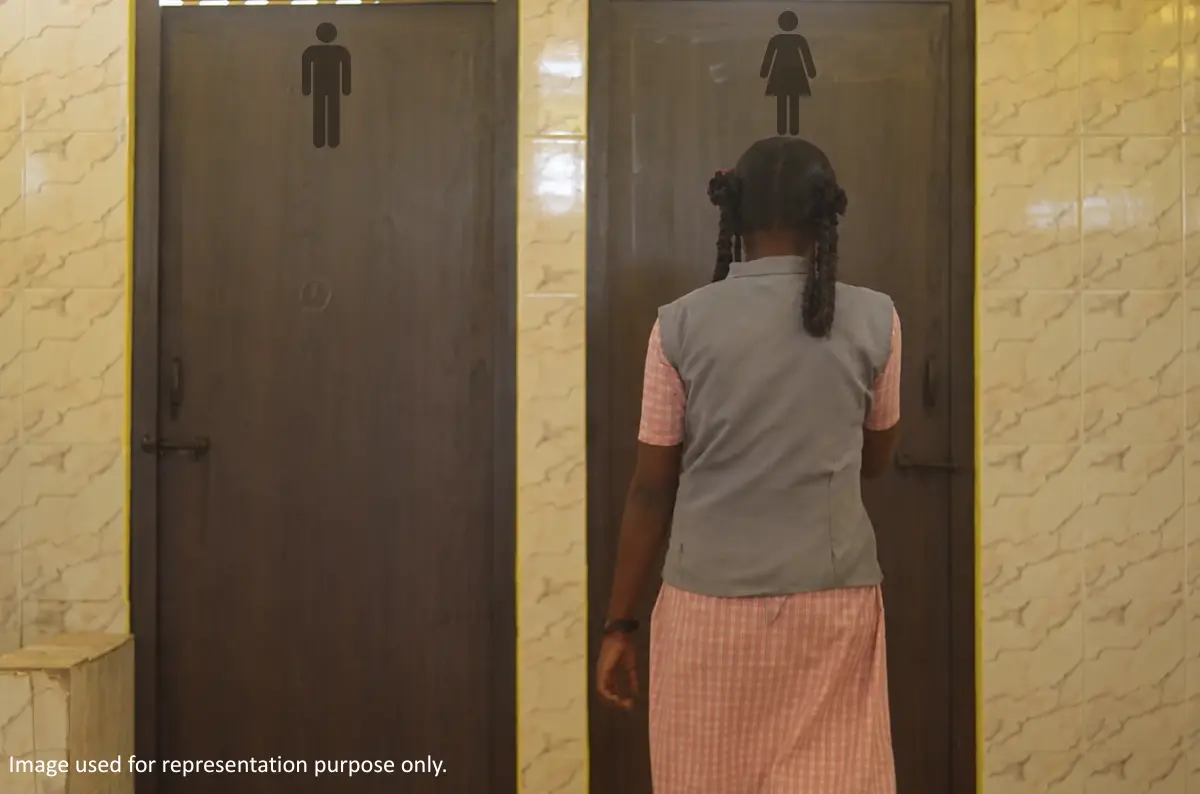
Why Girls Need Safe and Inclusive School Sanitation
Girls are more likely to stay in school when schools have clean, private, and safe sanitation facilities. Proper toilets and access to hygiene facilities help support attendance, dignity, and confidence.
How Better WASH Facilities Improve Learning Outcomes
Healthy children are more likely to attend school regularly, participate in classroom activities, and perform better academically. Better WASH programs support improved learning by reducing illness-related absences.
The Role of Communities in Promoting WASH
Improving water sanitation hygiene requires active participation from families, schools, and local communities. Community awareness and shared responsibility help create lasting improvements that benefit every child.
How Families Can Encourage Better Hygiene Practices
Parents and caregivers can teach children simple daily habits like washing hands with soap, drinking safe water, using clean toilets, and maintaining personal hygiene. These practices help reduce illness at home and in school.
Community-Led WASH Initiatives That Create Lasting Change
Community participation strengthens WASH programs by encouraging better sanitation practices, maintaining local water sources, supporting hygiene awareness, and promoting healthier living conditions for everyone.
How Schools Can Strengthen WASH Programmes for Children
Schools play a vital role in helping children develop lifelong healthy habits. Providing safe drinking water, clean toilets, and handwashing facilities creates a healthier learning environment where children can thrive.
Schools can also include hygiene education in everyday learning so children understand the importance of cleanliness and disease prevention. Teachers, parents, and local communities can work together to maintain school facilities and encourage positive hygiene practices. When schools prioritize water sanitation and hygiene, children benefit from improved health, better attendance, and stronger learning outcomes.
How CRY Is Improving WASH Access for Children Across America
CRY America supports efforts that help children access healthy, safe environments by working with local partners and communities. These initiatives promote better hygiene awareness, improve access to safe water and sanitation facilities, and encourage healthy practices that protect children’s well-being.
By supporting community-based solutions, raising awareness among families, and strengthening access to essential services, CRY helps create safer spaces where children can grow, learn, and lead healthier lives.
Conclusion: Safe Water, Sanitation, and Hygiene Are Every Child’s Right
Access to clean water, safe sanitation, and good hygiene is essential for every child’s health, education, and future. Strengthening WASH programs requires continued action from communities, schools, governments, and organizations like CRY. Together, we can help ensure every child grows up in a safe and healthy environment.
FAQ
What is WASH and what does it stand for?
WASH stands for Water, Sanitation, and Hygiene. It refers to essential services that provide safe drinking water, proper sanitation, and healthy hygiene practices to protect people’s health and well-being.
Why is WASH important for children’s health and development?
Water sanitation hygiene helps prevent disease, supports healthy growth, reduces child illness, and allows children to attend school regularly while improving their overall quality of life.
How does poor sanitation affect children’s education?
Poor sanitation increases illness, causes frequent school absences, and creates unsafe learning environments. Lack of clean toilets can also discourage children, especially girls, from attending school regularly.
What are the key components of a WASH programme?
The main components of WASH programs include safe drinking water, proper sanitation facilities, hygiene education, handwashing with soap, and promoting healthy behaviors in homes, schools, and communities.
How is CRY improving WASH access for children across India?
CRY America supports community-based efforts that improve access to safe water, sanitation, and hygiene while promoting awareness, healthier practices, and safer environments that help children grow and learn.
Recommended for you