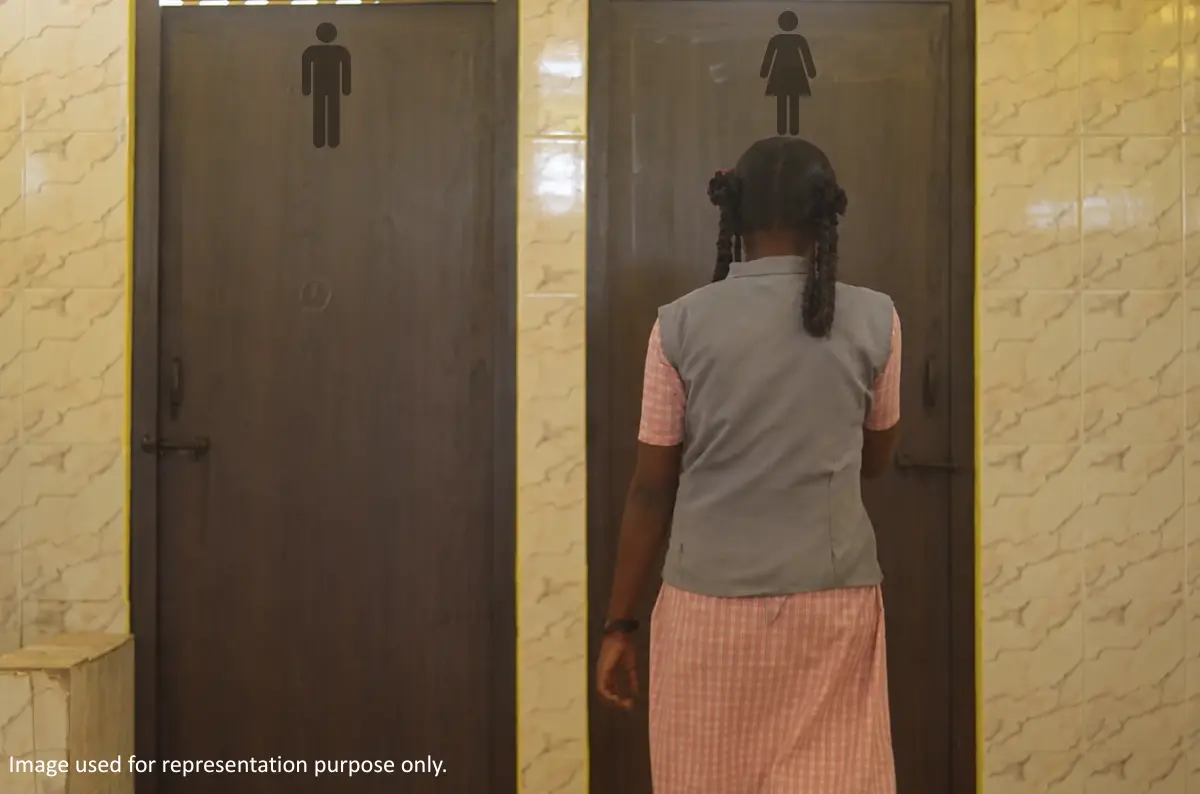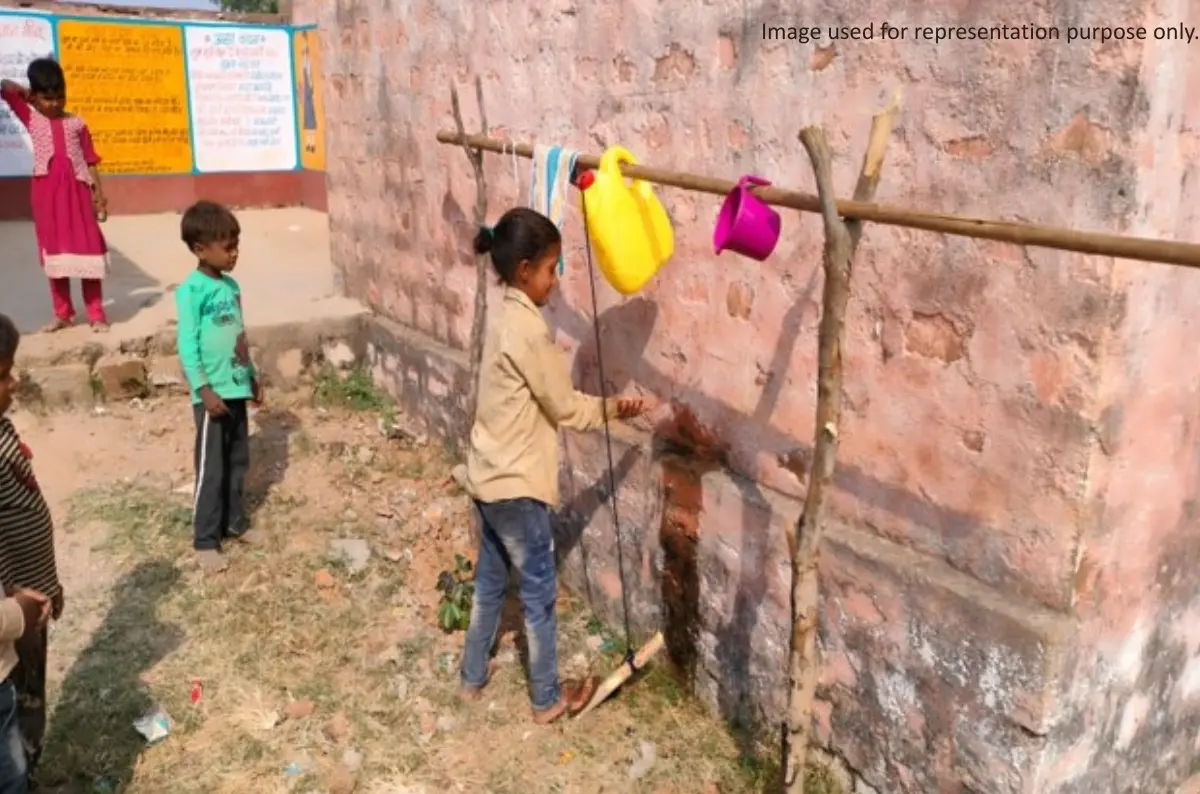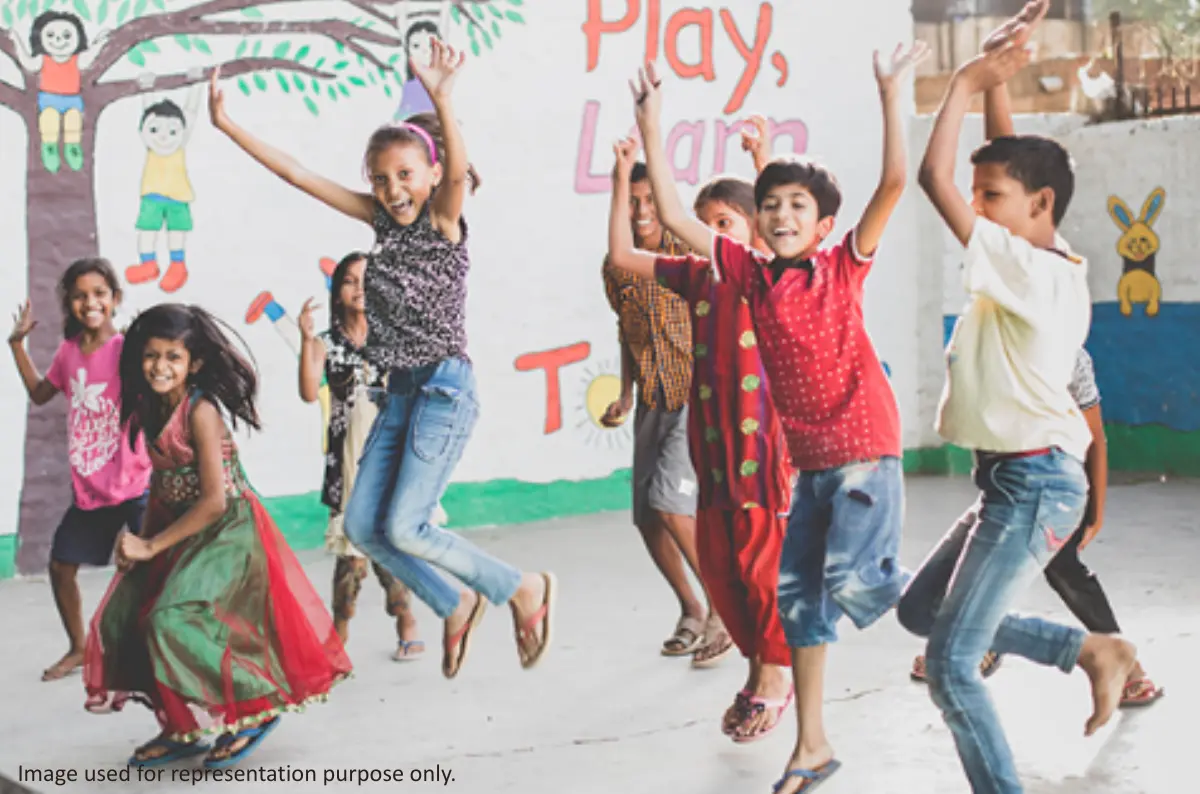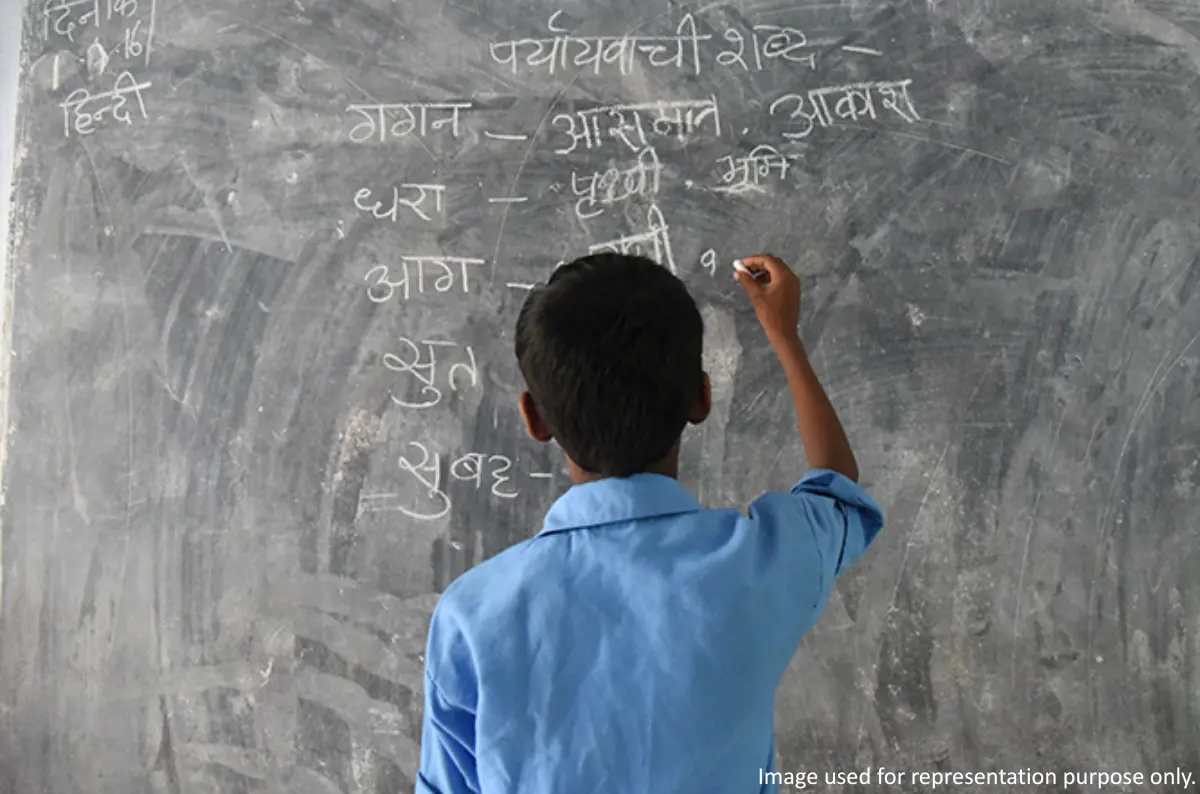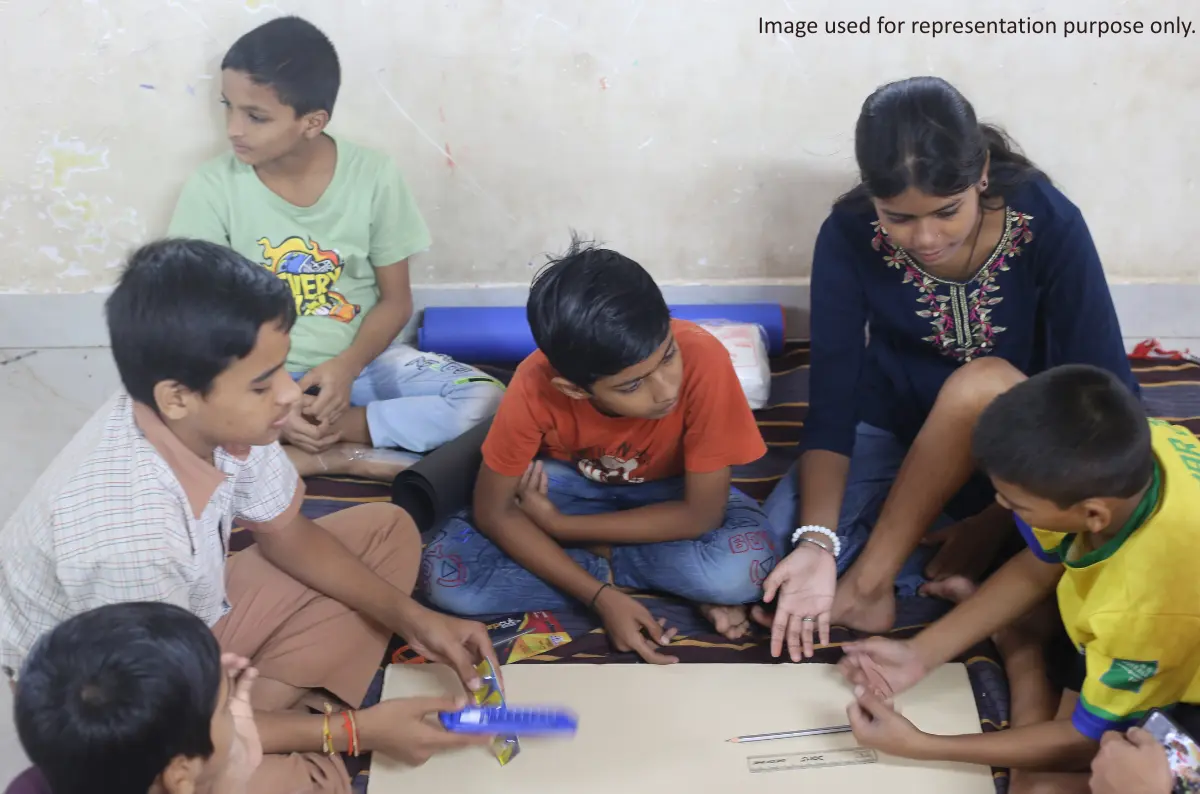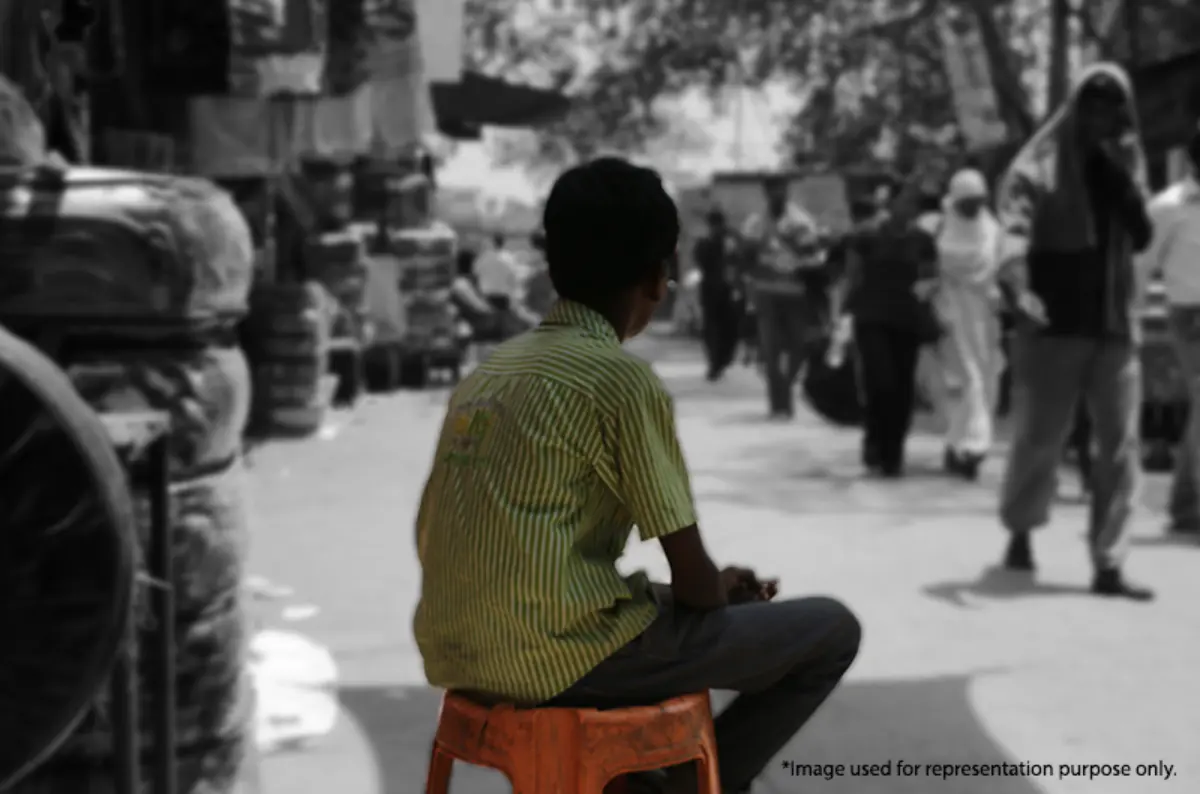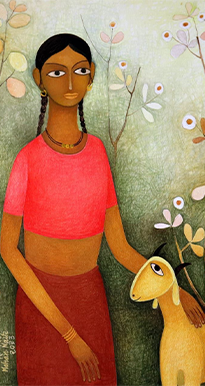












Inclusive education addresses diverse learning needs by increasing participation and reducing exclusion. It ensures equal learning opportunities for all students in mainstream classrooms, fostering true participation, belonging, and community inclusion, especially for children previously marginalised, segregated, or excluded from education.
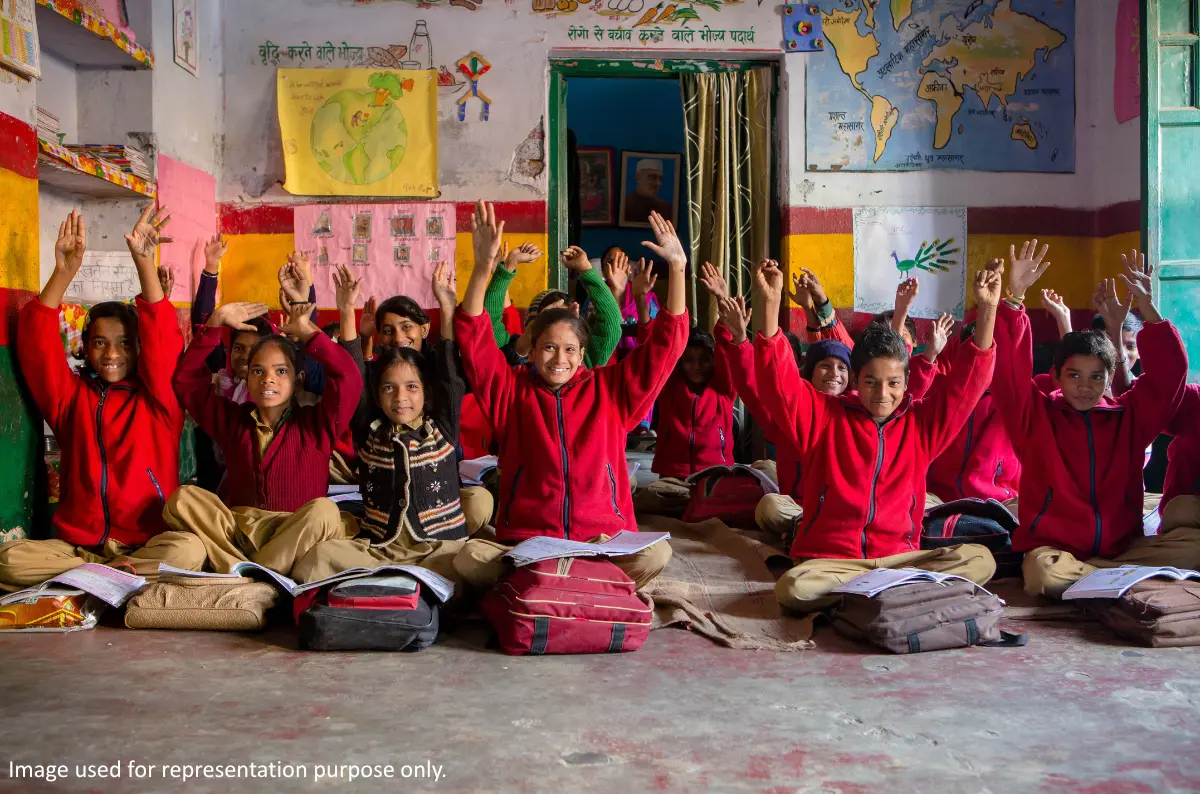
Understanding Inclusive Education
To understand inclusive education, we must look at it as a system where all children learn together, regardless of their physical, cognitive, or emotional differences. It rejects the practice of using special schools or classrooms to separate children with disabilities from those without impairments.
What Is Inclusive Education? Meaning and Core Principles
At its core, inclusive education means that every child has the right to learn and play together. It is a system where everyone belongs and is welcome. The core principles include the belief that all students can learn and benefit from education. Schools must adapt to the needs of students, rather than the students adapting to the rigid needs of the school. Furthermore, individual differences are viewed as a source of richness and diversity, not as a source of conflict. Discrimination based on race, gender, language, disability, or poverty is strictly rejected.
How Inclusive Education Differ from Traditional Education Models
Traditional education models historically relied on institutionalization, separation, or segregation. Exceptional children were often placed in residential institutions or special classes, which isolated them from society. In contrast, inclusive education is an educational reform that has gained significant momentum since 1994, emphasizing access, participation, and achievement for all. While traditional models focus on the “deficiencies” of a child, inclusive models focus on collaboration and mutual respect.
Also Read: Cognitive Development in Early Childhood
Inclusive Education vs. Integration: Understanding the Difference
While the terms are often used interchangeably, there is a vital distinction between “integration” and “inclusion.” Integration was a philosophy that aimed to end segregation by placing disabled children in regular schools, but it often required the child to “fit” into the existing system.
Why Integration Alone Is Not Enough
Integration is sometimes viewed as the antithesis of institutionalization, moving children out of isolated settings. However, integration alone is not enough because it does not necessarily require the school to change its structure or curriculum. Simply placing a child in a regular classroom without the necessary support or systemic changes can lead to a lack of genuine participation.
Moving Toward Real Participation and Belonging in Classrooms
Inclusive education goes further by requiring the school to undergo changes to ensure all students are an integral part of the community. It is about creating an environment where every child feels valued and empowered. Real participation involves students with diverse abilities improving their social competence and communication skills through vigorous educational programs. It transforms the classroom into a safe, respectful space where every child can reach their full potential.
The Need of Inclusive Education in India
In India, the need for inclusive education is rooted in fundamental rights. The Indian Constitution guarantees equality, freedom, justice, and dignity to all individuals. This mandate necessitates an inclusive society that embraces people with disabilities as equal partners. Inclusive growth has been a major focus of national planning to ensure this inclusion becomes a reality.
Also Read: International Womens Day 2026
Inclusive Education in India: Current Scenario
India is a signatory to several international declarations for the full participation and equality of people with disabilities. Policies like the National Policy for Persons with Disabilities (2006) and the Sarva Shiksha Abhiyan (SSA) have been launched to achieve the universalization of elementary education. Despite these efforts, significant hurdles remain.
Barriers to Inclusive Education in Indian Schools
Several systemic problems hinder the successful implementation of inclusive education in India. These include overcrowded classrooms, inappropriate rules regarding school admission, and an absence of necessary infrastructure. Many schools still lack the architectural modifications required for children with disabilities to move independently.
Challenges Faced by Children with Disabilities and Marginalized Communities
Children with disabilities often face specific learning challenges, such as limited vocabulary, difficulty in sentence construction, or spatial and perceptual difficulties. Beyond physical disabilities, children from marginalized communities may face social disadvantages that affect their development and adjustment. There is often a persistent gap between a student’s potential and their actual performance due to a lack of specialized attention.
How Inclusive Education Benefits All Children
Inclusive education provides a holistic learning environment that benefits everyone, not just those with disabilities.
- Fosters Acceptance: It helps students appreciate differences and develop empathy.
- Enhances Social Skills: Children learn teamwork, cooperation, and communication.
- Improves Academic Performance: Collaborative learning fosters critical thinking and problem-solving for the entire class.
- Promotes Emotional Health: A sense of belonging boosts self-esteem and motivation.
- Prepares for the Real World: It mirrors the diversity of future workplaces.
Also Read: Child Wasting Malnutrition
Key Elements of Effective Inclusive Education
Effective inclusion requires a new role for both the teacher and the school.
- Inclusive Curriculum and Flexible Teaching Methods
A flexible curriculum balances a mainstream framework with individual needs. Teaching methods should be multi-sensory, as using more senses makes learning more stable. For example, students with dyslexia benefit from information presented in small chunks and visual formats like mind maps.
- Teacher Training and Support Systems
Teachers must be prepared to handle children with special needs effectively. This involves pre-service and in-service training to develop essential competencies. Collaborative structures, such as peer consultation and co-teaching, are essential for supporting educators.
- Creating Safe, Accessible, and Child-Friendly Learning Environments
A child-friendly environment involves removing architectural barriers and ensuring that the physical layout is predictable. It also means creating a positive classroom culture where students’ views are listened to and taken seriously.
Also Read: Social and Emotional Learning
The Role of Policy, Schools, and Communities
Success depends on collaboration between educators, parents, and the broader community. Government programs like the District Primary Education Program (DPEP) have made significant contributions by providing teacher training and educational aids. Communities must advocate for social justice to ensure inclusive education becomes the standard.
Also Read: International Day of Women and Girls in Science
How CRY America Is Promoting Inclusive Education for Children in India
CRY America is a highly trusted non-profit organization that works tirelessly to ensure that education is a fundamental right for every child. Through campaigns like “Poori Padhai Desh Ki Bhalai,” CRY focuses on child education and health, striving to prevent child labor and child marriage which often exclude children from the classroom. By promoting transparency and accountability, CRY America supports projects that create safe, inclusive environments where children from marginalized communities in India can thrive and complete their secondary education.
Also Read: Life Skills Activities
FAQs
How does inclusive education support children from marginalized communities?
Inclusive education ensures that no student is excluded based on social origin, birth, poverty, or any other status. It provides equal access to resources and a supportive environment that values the unique perspectives of children from diverse backgrounds.
How does inclusive education contribute to reducing discrimination in classrooms?
By fostering interaction between diverse peers, it helps remove stereotypes and encourages students to respect each other’s unique abilities. It creates a culture of empathy where differences are celebrated rather than used as a basis for harassment or isolation.
What is the long-term impact of inclusive education on society?
It prepares children for a diverse world and builds a more compassionate, accepting society. Children raised in inclusive environments are more likely to become adults who advocate for social justice, equality, and mutual respect in their communities.
What challenges do rural schools face in implementing inclusive education?
Rural schools often struggle with overcrowded classrooms and a lack of trained teachers prepared to teach children with disabilities. Additionally, the absence of proper infrastructure and specialized architectural accessibility remains a significant hurdle in these settings.
Recommended for you