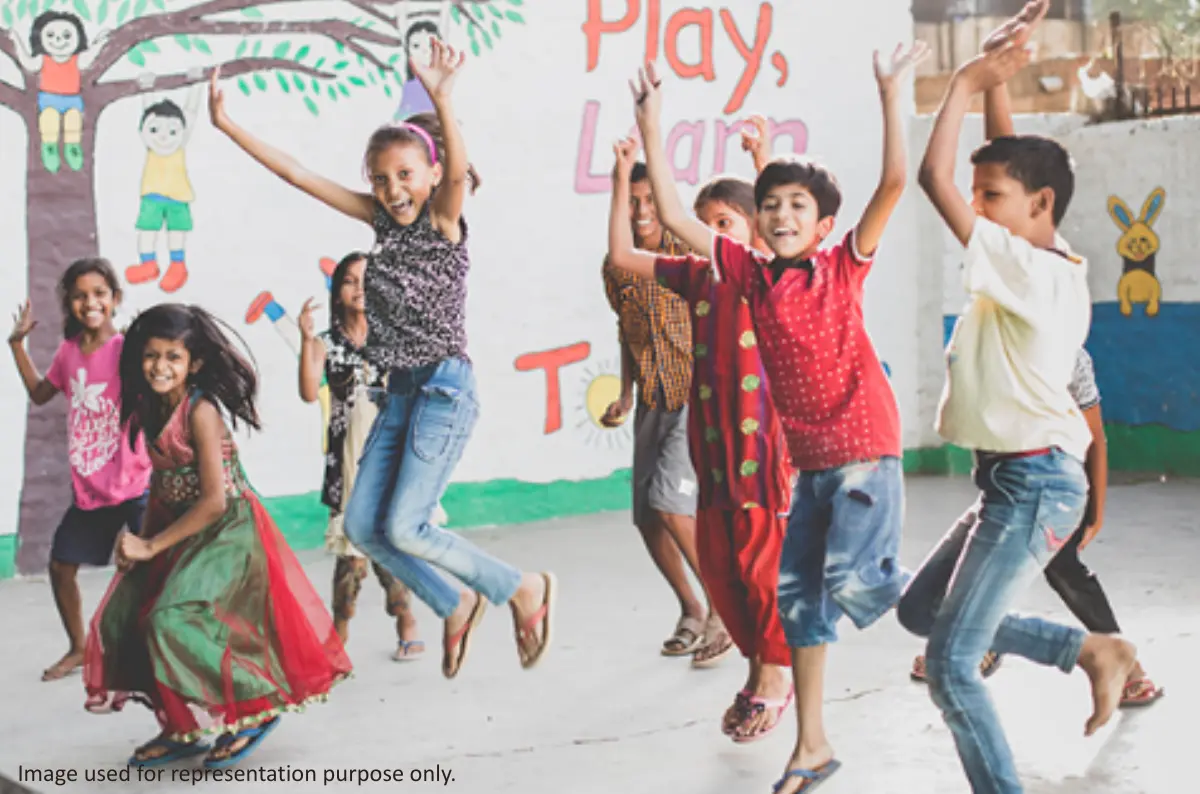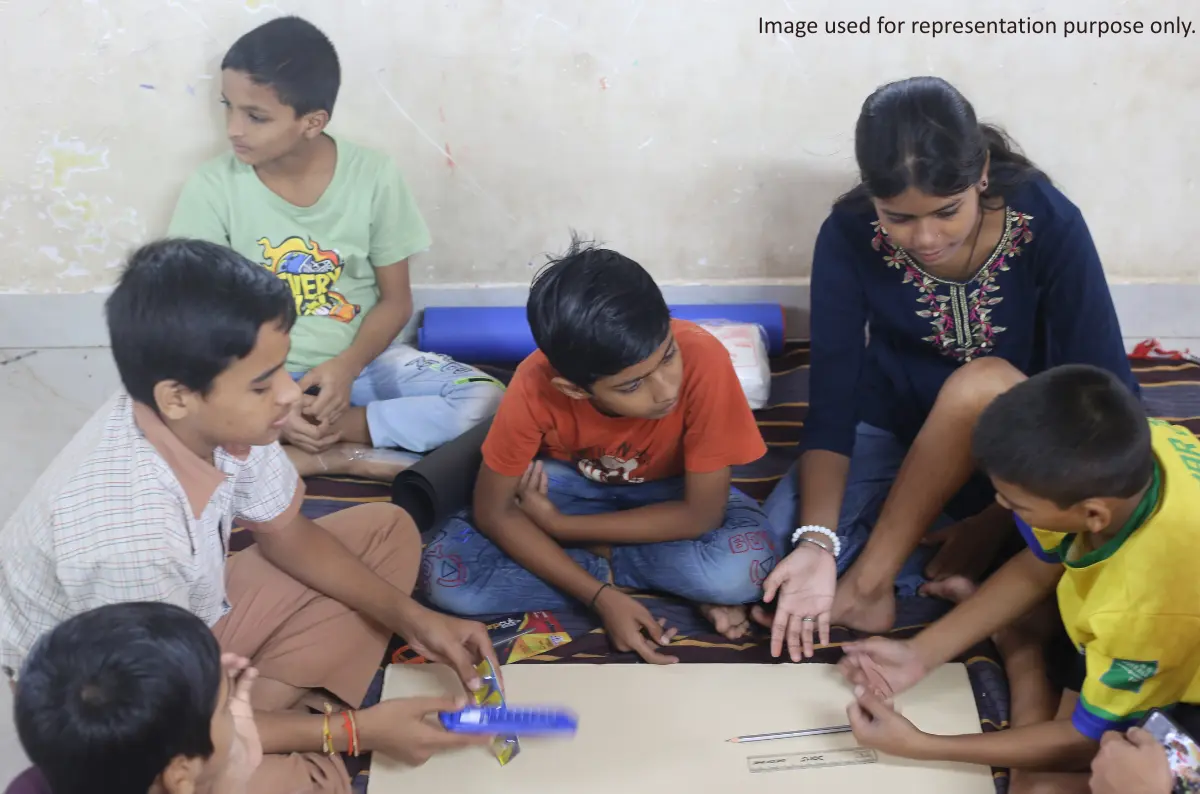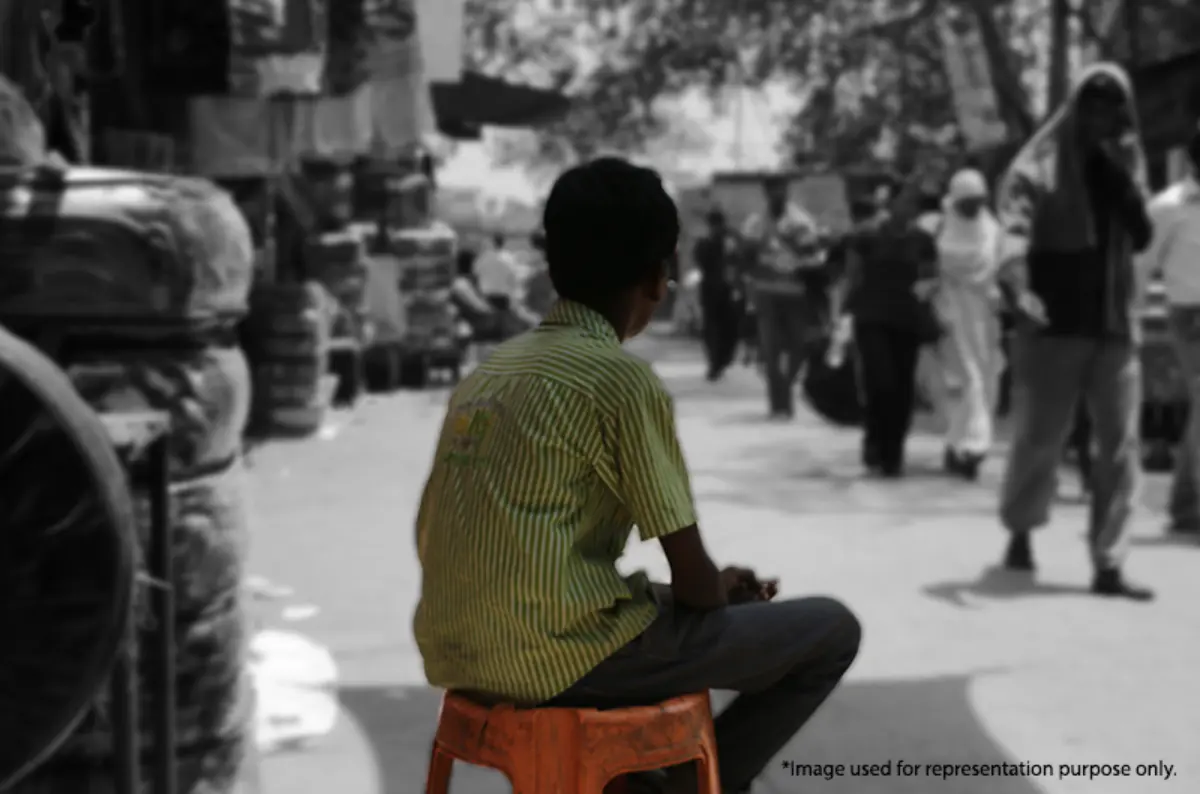












Children deserve clean air, safe water, and healthy surroundings to grow and thrive. Environmental damage continues to threaten children through pollution, climate change, and unsafe living conditions. World Environment Day reminds communities and governments that protecting the environment also means protecting children and creating healthier, safer futures for the next generation.
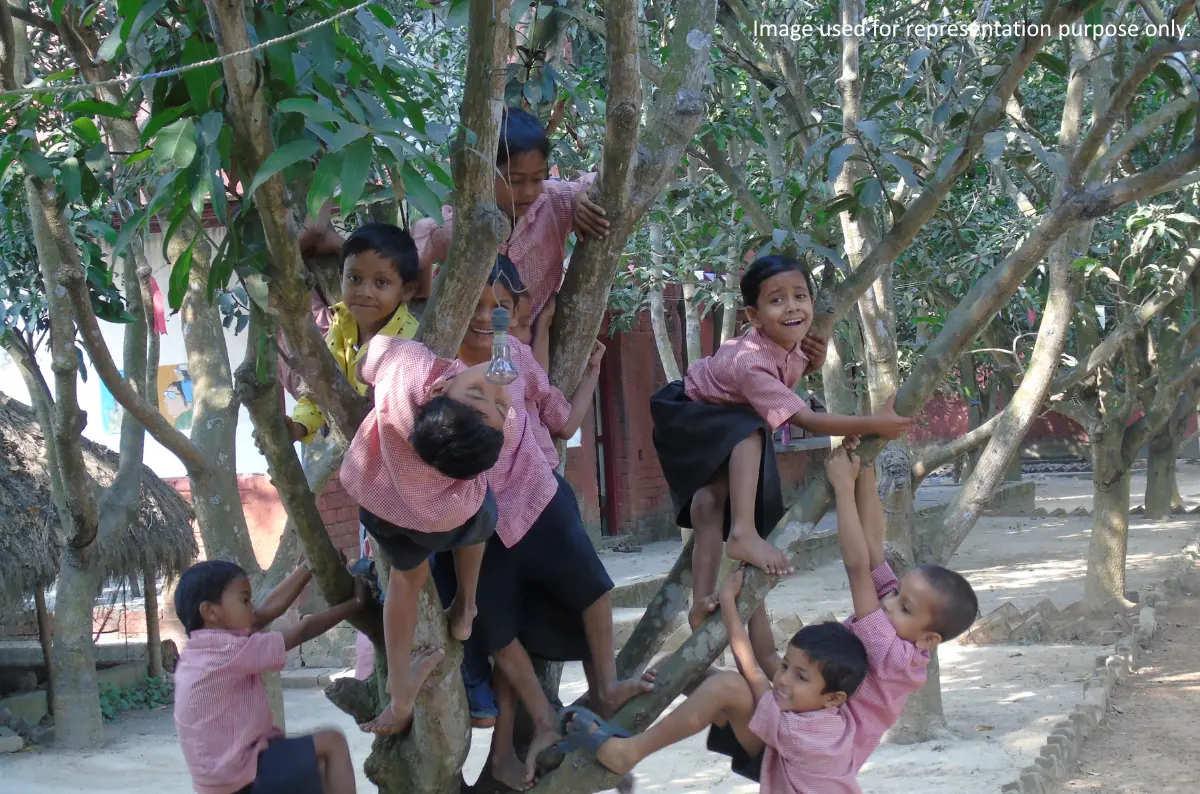
What Is World Environment Day?
World Environment Day is a global awareness day led by the United Nations to encourage environmental protection and sustainable action. Celebrated every year on June 5, the day brings together governments, organizations, schools, communities, and individuals to address environmental challenges affecting people and the planet.
The event focuses on raising awareness about issues such as pollution, climate change, deforestation, biodiversity loss, and waste management. More importantly, World Environment Day encourages collective action to create healthier environments for current and future generations.
For children, environmental protection is deeply connected to their health and wellbeing. Understanding what is World Environment Day helps communities recognize the urgent need to protect children from environmental harm.
Also Read: How Environmental Pollution Affects Child Health
When Is World Environment Day and Why Is June 5 So Significant?
Many people often ask, when is World Environment Day celebrated each year. The answer is June 5. The United Nations established June 5 World Environment Day in 1972 during the Stockholm Conference on the Human Environment.
Since then, the day has become one of the largest global platforms for environmental awareness and action. Every year, different countries host international events focused on urgent environmental issues and solutions.
The significance of June 5 World Environment Day goes beyond awareness campaigns. It serves as a reminder that environmental challenges directly affect public health, livelihoods, food security, and children’s futures. For millions of children in India, environmental conditions influence their access to safe housing, clean water, healthcare, and education.
What Is the Purpose of World Environment Day?
Understanding what is the purpose of World Environment Day helps highlight the importance of collective environmental action.
- Raises awareness about pollution, climate change, deforestation, and waste management
• Encourages sustainable habits and environmental responsibility
• Inspires governments, businesses, schools, and communities to take action
• Promotes healthier environments for children and vulnerable communities
• Protects children from environmental risks such as disease, unsafe water, and climate disasters
A cleaner environment supports healthier childhoods, stronger communities, and a safer future for everyone.
Why a Healthy Environment Is a Fundamental Right for Every Child
Following factors make a healthy environment a fundamental right for every child.
-
Air Pollution and Its Impact on Child Health
Air pollution increases the risk of respiratory illnesses, infections, asthma, and developmental problems in children. Poor air quality weakens children’s immunity and affects their overall health and well-being.
-
Unsafe Water and Sanitation as an Environmental Threat to Children
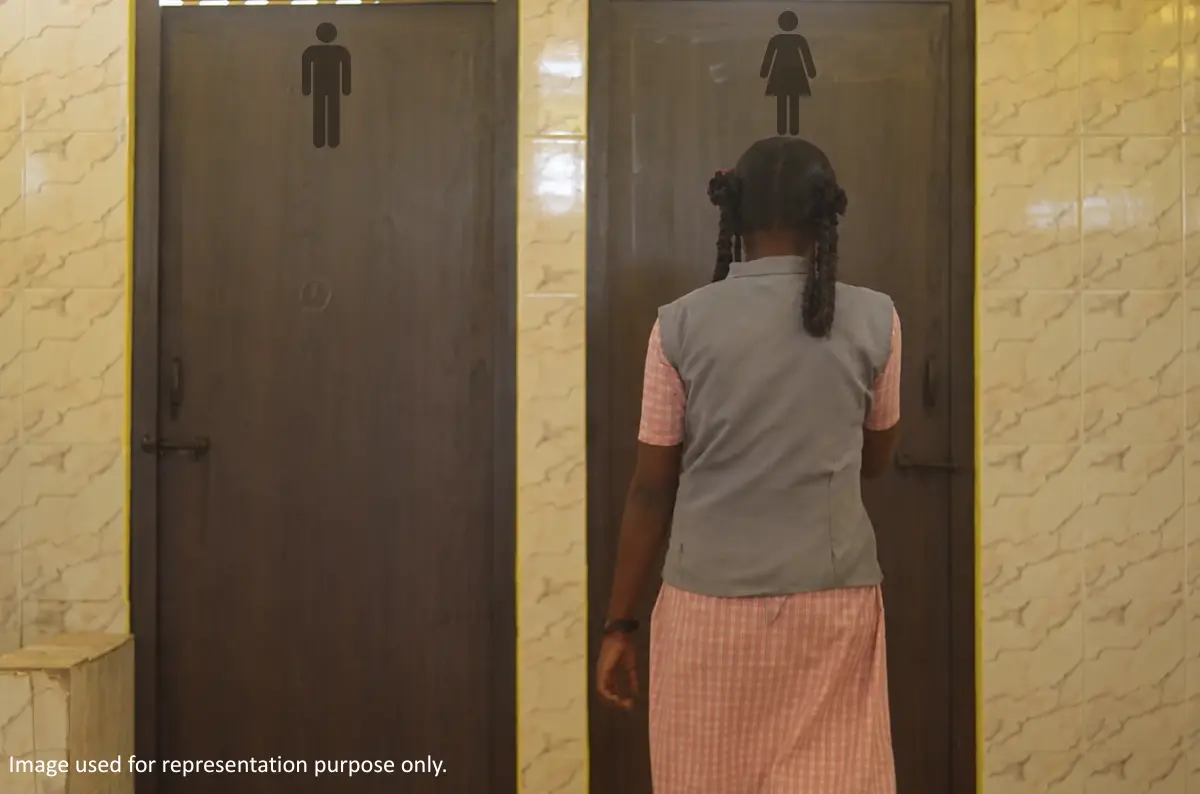
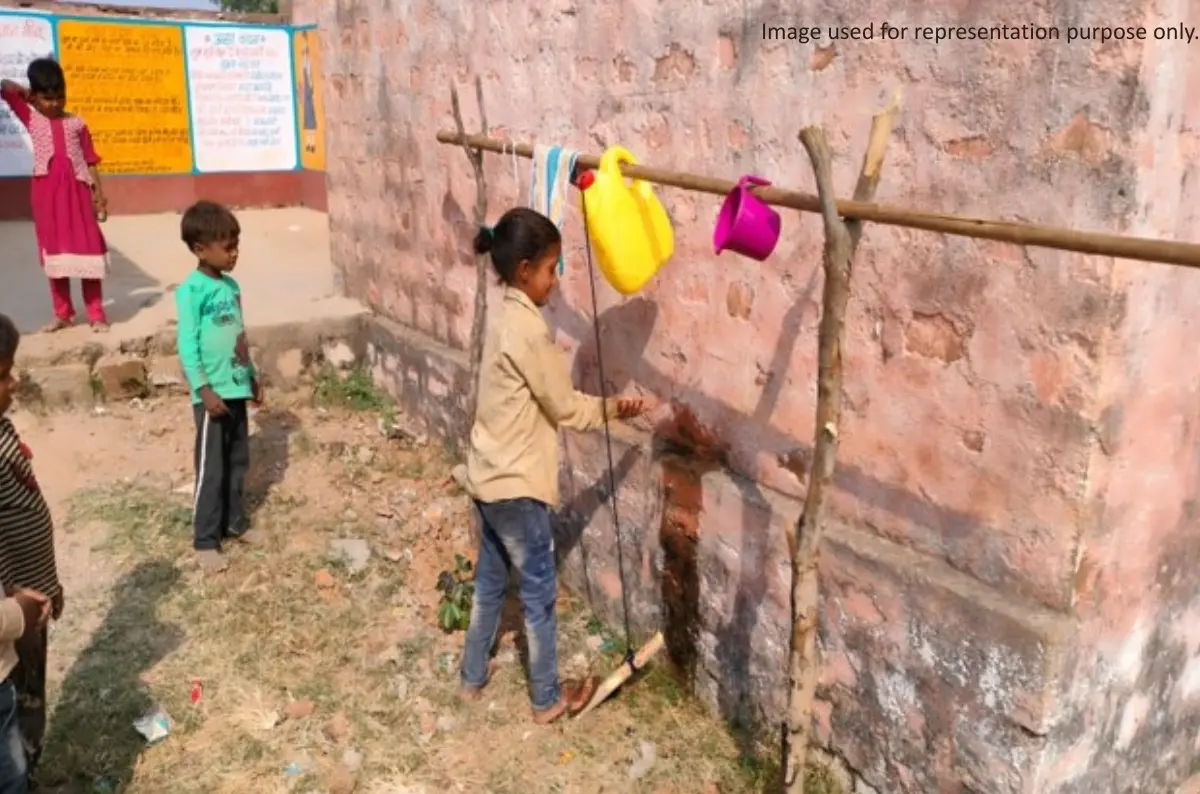
Poor sanitation and quality of drinking water expose children to infections and waterborne diseases. Limited access to hygiene facilities continues to threaten healthy childhoods in vulnerable communities.
-
Climate Change and the Growing Vulnerability of Children in India
Climate change increases heatwaves, floods, droughts, and food insecurity. These environmental challenges place millions of children in India at greater risk of displacement, malnutrition, illness, and disrupted education.
Also Read: Let’s Protect Underserved Children from Ill Health
How India Is Responding to Environmental Threats Affecting Children
India has introduced several policies and environmental programmes to improve sustainability and reduce environmental harm. Efforts to improve sanitation, clean energy access, waste management, and pollution control aim to create healthier living conditions for communities and children.
Environmental awareness campaigns and community participation also play an important role in supporting child well-being and long-term environmental protection across the country.
Government Policies and Green Initiatives for Child Wellbeing
Government programmes promoting clean water, sanitation, renewable energy, afforestation, and pollution control contribute to healthier environments for children. These initiatives help reduce health risks linked to environmental damage.
Community-Led Environmental Action for Healthier Childhoods
Local communities, schools, nonprofits, and volunteers are creating meaningful environmental change through tree plantation drives, waste reduction programmes, water conservation efforts, and environmental education campaigns that support healthier childhoods.
How CRY Is Fighting for Children’s Right to a Safe Environment
CRY America believes that every child deserves a safe and healthy environment where they can grow, learn, and thrive. Environmental protection is closely connected to child rights because pollution, unsafe living conditions, poor sanitation, and climate-related disasters directly affect children’s health and development.
CRY America works with grassroots organizations and local communities to improve access to clean water, sanitation, nutrition, healthcare, and safe living conditions for vulnerable children. The organization also supports awareness programmes that educate families and communities about environmental health and child well-being.
By strengthening community participation and advocating for sustainable development, CRY America helps protect children from environmental risks that threaten their futures. The organization recognizes that creating safer environments is essential for ensuring healthy childhoods and equal opportunities for every child.
Through long-term interventions and community-driven action, CRY America continues working toward a future where every child can grow up in a cleaner, safer, and healthier world.
What World Environment Day 2026 Must Mean for India’s Children
World Environment Day 2026 must become more than just an awareness campaign. It should serve as a strong reminder that environmental protection and child protection are deeply connected. Every child deserves clean air, safe drinking water, healthy food, and secure living conditions.
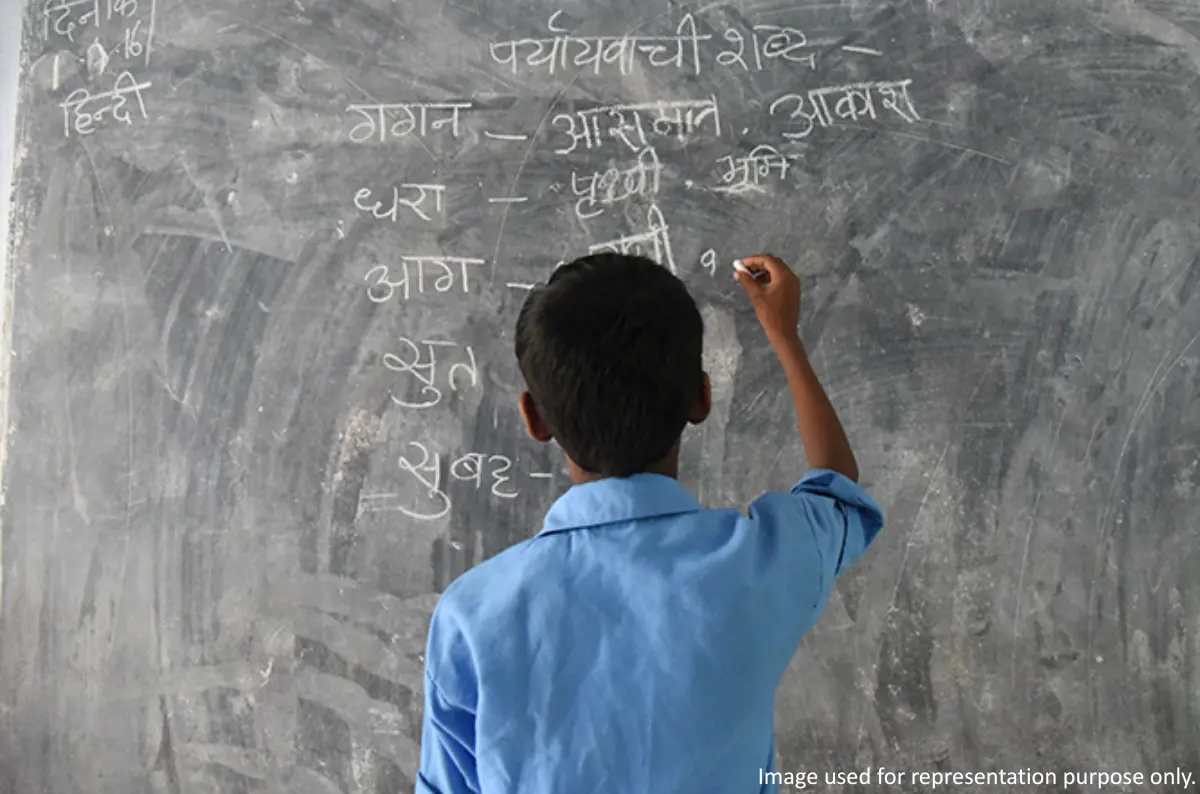
India must continue investing in sustainable development, pollution control, climate resilience, and environmental education to protect future generations. Schools, families, organizations, and communities all have a role to play in building environmentally responsible habits.
Understanding what is the purpose of World Environment Day can inspire people to take everyday actions that support healthier childhoods and safer communities. Small changes today can create lasting impact for future generations.
Conclusion: A Greener World Is a Better World for Every Child
A safe environment is essential for every child’s health, safety, and future. Protecting nature also means protecting children from illness, poverty, and environmental harm. As we observe June 5 World Environment Day, it is important to remember that every action toward a cleaner planet helps build a healthier and brighter future for children everywhere.
FAQ on World Environment Day 2026
What is World Environment Day?
World Environment Day is a global awareness day led by the United Nations that encourages environmental protection and sustainable action. Celebrated every year on June 5, it focuses on issues such as pollution, climate change, conservation, and protecting natural resources for future generations.
When is World Environment Day celebrated every year?
Many people ask, when is World Environment Day celebrated? It is observed every year on June 5. The day was established by the United Nations in 1972 to encourage global awareness and environmental action across communities, organizations, and governments worldwide.
What is the purpose of World Environment Day?
The main answer to what is the purpose of World Environment Day is creating awareness and encouraging action for environmental protection. The day inspires people to address pollution, climate change, waste management, conservation, and sustainable living to protect both people and the planet.
What is the theme of World Environment Day 2026?
The official theme for World Environment Day 2026 may be announced closer to the event by the United Nations Environment Programme. Every year, the theme highlights a major environmental issue requiring urgent global attention and collective action.
How does a healthy environment protect children’s rights in India?
A healthy environment supports children’s health, nutrition, education, and safety. Clean air, safe water, sanitation, and protection from pollution reduce health risks and improve overall well-being. Protecting the environment is essential for protecting children’s rights and ensuring healthier futures across India.
Recommended for you