











Introduction to the International Day of Women and Girls in Science
For many girls, curiosity begins early. They notice patterns, ask questions, and try to understand how things work. But for girls from marginalized communities, that curiosity often fades before it can grow. Not because they lack interest, but because they lack access. The International Day of Women and Girls in Science is a reminder that this gap still exists. It also reminds us that creating opportunities for girls in science cannot be limited to a single day.
In this blog, we explore the importance of women choosing science, how it can open doors for marginalized girls, the challenges that still remain, and how CRY America is helping bridge this gap
What is International Day of Women and Girls in Science?
The International Day of Women and Girls in Science highlights the need for equal access to science for women and girls. It brings attention to the gender gap in Science, Technology, Engineering, and Mathematics (STEM) and the importance of making science more inclusive.
The International Day of Women and Girls in Science 2026 continues to remind us that many girls are still excluded from these opportunities, especially those from underserved communities.

The Role of Women and Girls in Science
Women and girls have always contributed to science. Their work shapes solutions in health, environment, and technology, often bringing perspectives that are rooted in lived experiences. Their participation strengthens science in meaningful ways:
- Brings diverse thinking: Different life experiences lead to fresh ideas and more thoughtful approaches to problem solving.
- Improves problem solving: A wider range of perspectives helps address challenges in ways that are more practical and inclusive.
- Ensures solutions are more inclusive: When more voices are involved, outcomes are more likely to reflect the needs of all sections of society.
Challenges Faced by Women in Science
Despite progress, many women continue to face barriers at different stages of their journey. These challenges are often subtle, but deeply impactful. Some of the most common barriers include:
- Gender bias- Assumptions about roles and abilities can discourage women from pursuing or continuing in science.
- Lack of mentorship- Without guidance and role models, it becomes harder to navigate opportunities and build confidence.
- Limited access to resources- Unequal access to tools, networks, and learning opportunities can hold back growth.
Also Read: International Womens Day 2026
The Impact on Girls from Marginalized Communities
For girls from marginalized communities, these challenges go beyond access. They shape the course of their lives in lasting ways. As a result:
- Education is often disrupted or discontinued
- Irregular attendance and early dropouts reduce their chances of completing even basic schooling.
- Confidence and self belief are affected
- When opportunities are limited, girls may begin to doubt their abilities and potential.
- Career pathways become restricted
- Without exposure or support, fields like science can feel distant and difficult to pursue.
- Cycles of inequality continue
- Limited education often leads to fewer opportunities, reinforcing similar challenges for the next generation.
Barriers to Education and Opportunities
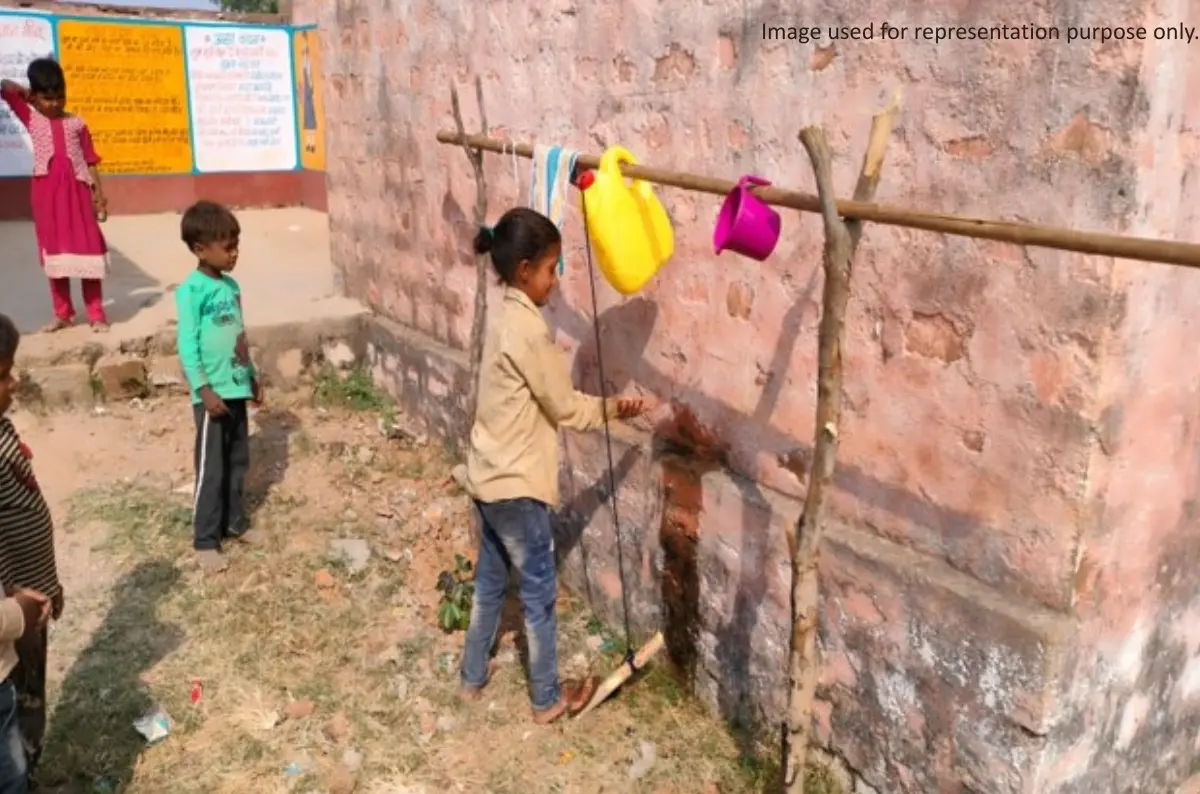
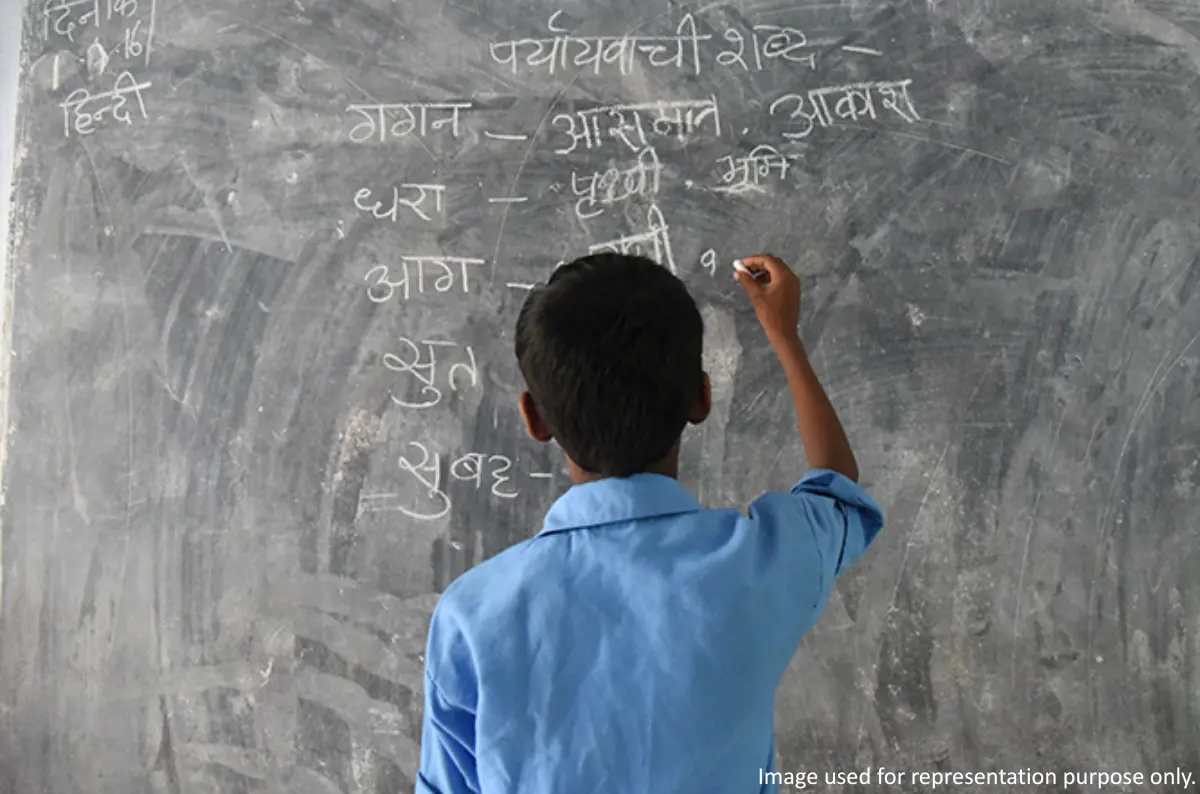
Access remains one of the biggest challenges for girls from marginalized communities. In many underserved areas, the lack of basic infrastructure makes consistent learning difficult and often discouraging. Schools may not have adequate facilities, and science learning tools are limited, leaving little room for practical understanding or engagement. Exposure to STEM is also minimal. When girls are not introduced to what science can offer, it becomes harder for them to imagine a future in it. The digital gap makes this even more pronounced. While some children are able to explore advanced learning opportunities, others struggle to stay connected to even basic education.
Overcoming Cultural and Socioeconomic Challenges
Cultural beliefs and economic realities often shape what girls are allowed to pursue. In many communities, education for girls is not always seen as essential, and investment in their learning may be considered less important than that of boys. Science, in particular, is often viewed as difficult or out of reach, which discourages girls from exploring it further. At the same time, household responsibilities take priority, leaving them with little time or energy to continue their education.
Changing this requires time, trust, and consistent effort. When girls are encouraged to stay in school and supported in their learning, it slowly begins to shift what they believe is possible for themselves.
The Role of Family and Community in Supporting Education
A girl’s environment plays a crucial role in shaping her future. When families and communities support her education, the impact is both visible and lasting.
With the right encouragement, she is more likely to stay in school longer, opening up pathways for growth and independence. That support also helps build her confidence, allowing her to trust her abilities and express herself more freely. When she feels seen and heard, she begins to explore opportunities beyond her immediate circumstances.
Also Read: Cognitive Development in Early Childhood
Empowering Women and Girls through STEM
STEM education goes beyond preparing girls for careers. It helps them build confidence, independence, and the ability to think for themselves. When girls engage with STEM, they begin to question, analyze, and understand the world around them in deeper ways. They learn how to approach challenges with clarity and find solutions with confidence. Over time, this strengthens their belief in their own abilities. Empowerment does not always appear in big, visible ways. Sometimes, it is a girl choosing to continue her education, asking a question without hesitation, or simply believing that she is capable of more.
How CRY America supports Girls from Marginalized Communities in Science
CRY America works to create an environment where girls from marginalized communities are able to learn, grow, and explore their potential without limitations. By focusing on access to quality education and working closely with families and communities, they address the barriers that often prevent girls from continuing their learning. Their efforts go beyond the child, helping shift mindsets that have long restricted opportunities for girls.
CRY America’s STEM Education Initiatives
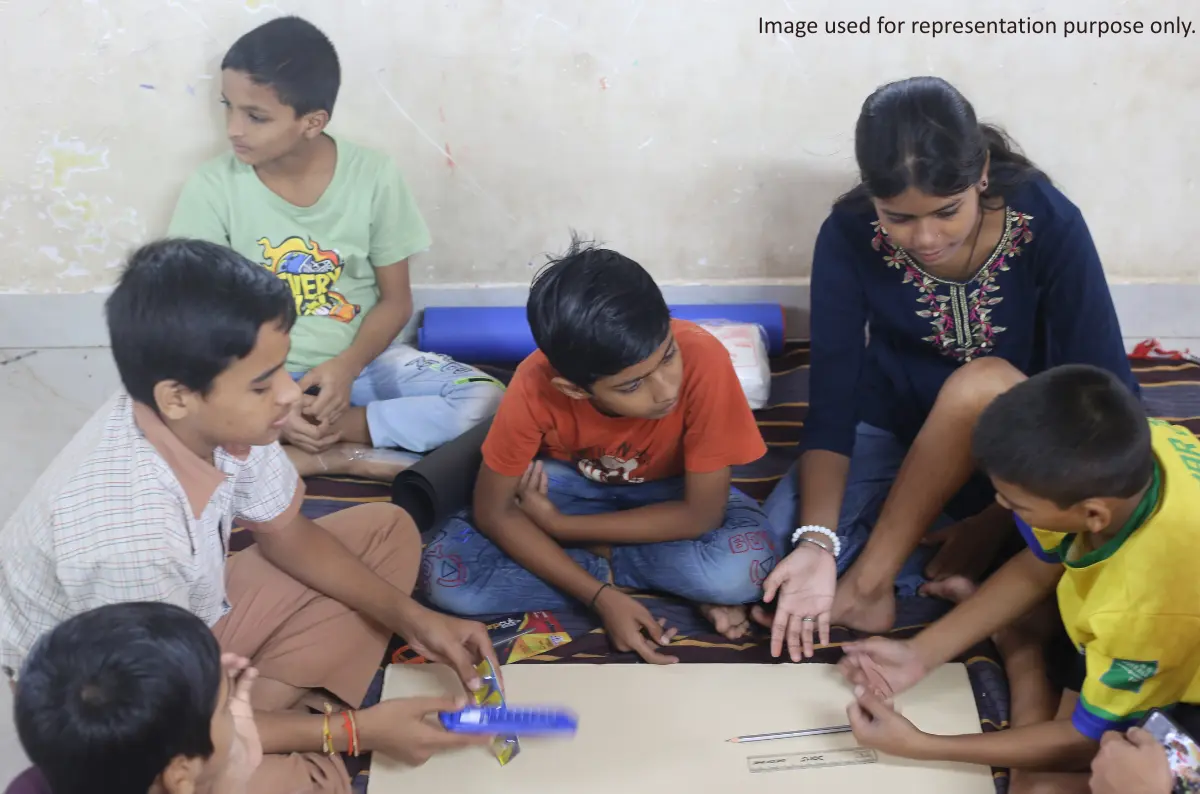
CRY America’s STEM initiatives focus on making learning more accessible, engaging, and relevant for children in underserved communities. By introducing interactive and practical methods, children are able to connect concepts with real life experiences. This not only makes science easier to understand, but also more engaging and meaningful.
Partnerships with grassroots organizations further strengthen these efforts, ensuring that solutions are rooted in the realities of the communities they serve. Over time, this helps children, especially girls, see science not as something distant, but as something they can actively be a part of.
Across its projects, CRY America also supports STEM lab initiatives where children can learn through hands-on experiences. With guidance from trained mentors, girls are encouraged to ask questions, explore ideas, and build curiosity. This early exposure helps them develop the confidence to apply what they learn and, in time, find solutions to challenges within their own communities.
Also Read: Inclusive Education
Conclusion on International Day of Women and Girls in Science
The International Day of Women and Girls in Science 2026 reminds us that meaningful change takes sustained effort. It calls for continued investment in education, stronger support systems, and a collective shift in how we see girls’ potential.
Support CRY America’s ongoing work to ensure that more girls have the opportunity to learn, grow, and shape their own future in science.
FAQs on International Day of Women and Girls in Science
What is the history behind the International Day of Women and Girls in Science?
The International Day of Women and Girls in Science was established by the United Nations in 2015 to promote equal access to science for women and girls and to address gender gaps in STEM fields worldwide.
How can we improve access to STEM education for marginalized girls in India?
Improving access requires investment in schools, trained educators, and hands-on learning opportunities. The International Day of Women and Girls in Science 2026 highlights the need for community support, digital inclusion, and programs that encourage girls to stay in school.
What are the long-term benefits of encouraging girls from marginalized communities to pursue science?
Encouraging girls to pursue science leads to better career opportunities, financial independence, and stronger communities. The International Day of Women and Girls in Science emphasizes how inclusive education can break cycles of poverty and drive innovation.
What initiatives are there to provide scholarships and opportunities for girls in science from marginalized communities?
Many initiatives focus on scholarships, STEM labs, mentorship, and community-based programs. The International Day of Women and Girls in Science 2026 highlights efforts by organizations and governments to create equal learning opportunities for girls from underserved backgrounds.
Recommended for you