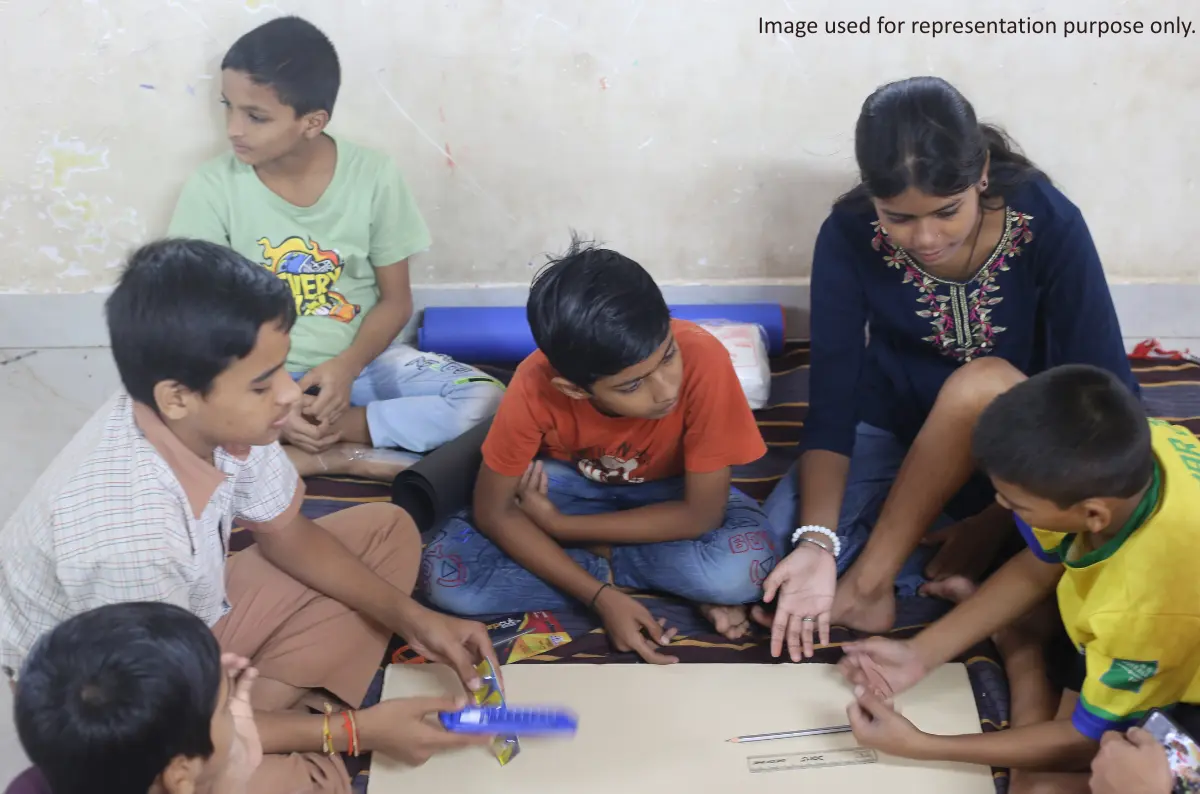












Educating girls has the power to uplift entire communities. By supporting a girl child’s education, we help them break free from the chains of poverty and outdated mindsets. The World Bank’s Girl Education Report 2020 highlights that if all girls complete secondary education by 2030, it could boost the average GDP of developing countries by 10% over the next decade. Recognizing girls’ education importance is essential to understanding how empowering girls benefits families, communities, and the nation. This article delves into understanding the importance of girls education, and the advantages we attract by educating girls.
What is Girl Child Education?
Girl child education means giving girls equal access to quality learning, skills development, and opportunities that help them reach their full potential. It ensures they can attend school safely, complete their studies, and use their education to make informed choices about their lives. By supporting girls’ learning, communities benefit from improved health, greater economic stability, and stronger social development. Beyond academic growth, girl child education promotes gender equality, boosts confidence, and encourages girls to become active contributors to their families, communities, and the wider economy. It is essential for building a fair, healthy, and prosperous society.
Also Read: Protecting Marginalized Girls
Why is girl child education important?
India has made noteworthy progress in raising the status of girls through education, scholarship programs, and gender-neutral parenting. However, much effort is still needed, which can open doors of opportunity, leading the whole nation to prosper and break the cycle of poverty. Understanding the importance of girls’ education helps us realize that when girls are educated, they not only transform their own lives but also contribute to the health, prosperity, and progress of their entire community.
A girl with access to education is healthier, independent, and contributes positively to her community. Thus, she becomes an agent of change, advocating for better health and nutrition and protecting children from the risks of child labor and child marriage.
Also Read: Rural Women Empowerment
10 advantages of girl child education
An educated girl creates a ripple effect of progress and equality through her choices and decision-making, which uplifts her family and her entire community. Here are the top 8 advantages of girl child education:
1. Financial independence
An educated girl seeks better job opportunities by working harder, enabling her to break free from the cycle of poverty and become a financially independent contributor, influencing her community.
2. Healthier communities
Educated women are better equipped to make informed health decisions, resulting in healthier families and communities. When a girl’s financial independence is secured through education, the next thing she prioritizes is vaccination, nutrition, and hygiene for her children.
3. Improved literacy rates
When we invest in the education of girls, they advocate for education within their family and the community they live in, thus significantly impacting literacy rates.
4. Self-confidence
Education fosters confidence by equipping girls with knowledge and life skills. This self-assurance helps them stand up against discrimination and advocate for their rights, fighting against child labor and early marriages.
5. Social mobility
Girls with access to quality education can overcome societal barriers, climb the social ladder, and break the stigmas that impact the health, nutrition, and education of children and women in the community.
6. Long-term economic growth
Educated girls advocate beyond households, transcending communities and uplifting the nation as a whole with sustainable, long-term economic goals.
7. Prevents exploitation
A girl child, whether subjected to child labor or forced into child marriage, is often exposed to exploitation both outside and within her family walls. Educating girls empowers them to protect themselves from such exploitation by equipping them with the knowledge and awareness to recognize and resist abuse.
8. Promotes equality in marriage
When educated girls grow up and decide to marry, they have the choice to make informed decisions rather than being pushed into marriage due to poverty. Educated women are more likely to enter equitable marriages, fostering mutual respect and shared decision-making.
9. Civic participation and leadership
Educated girls are more likely to engage in community decision-making and take on leadership roles. By understanding their rights and responsibilities, they can advocate for positive changes, participate in local governance, and inspire other girls to pursue education and social involvement.
10. Breaking gender stereotypes
Education challenges traditional gender norms by equipping girls with knowledge and skills that prove their abilities are equal to boys’. Educated girls serve as role models in their communities, encouraging both boys and girls to embrace equality and promoting a culture of respect and inclusivity.
Why Girl Child Education Matters for Families and Communities?
Educating girls creates lasting change, strengthening families and improving the well-being of entire communities. It builds knowledge, confidence and opportunities that support long-term progress.
- Educated mothers improve family health, nutrition, and hygiene.
- Girls with skills contribute to household income and economic stability.
- Education supports informed family planning and healthier life choices.
- It reduces child marriage and challenges gender inequality.
- Women’s participation strengthens community development and governance.
- Educated women help drive national economic growth and break poverty cycles.
- Healthier, better-informed families create stronger future generations.
Societal & Economic Benefits of Educating Girls
Educating girls strengthens economies and builds healthier, more resilient societies. It creates long-term change that supports families, communities, and national development.
- Education increases women’s earnings, helping reduce poverty and boosting household well-being.
- Greater female participation in the workforce drives productivity and economic growth.
- Educated women access better jobs and higher lifetime incomes.
- Families become healthier through improved nutrition and healthcare choices.
- Schooling delays marriage and supports smaller, more stable families.
- Education empowers women to take part in decisions at home and in their communities.
The benefits continue across generations, creating lasting progress.
Challenges & Barriers to Girl Child Education
Girls around the world continue to face obstacles that limit their access to safe, consistent and meaningful education. These barriers stem from social norms, economic pressures and systemic gaps.
• Gender bias, stereotypes and patriarchal norms restrict girls’ choices and prioritise boys’ schooling.
• Early marriage, pregnancy and low parental literacy force girls out of education.
• Poverty, child labour and the need for domestic work reduce school participation.
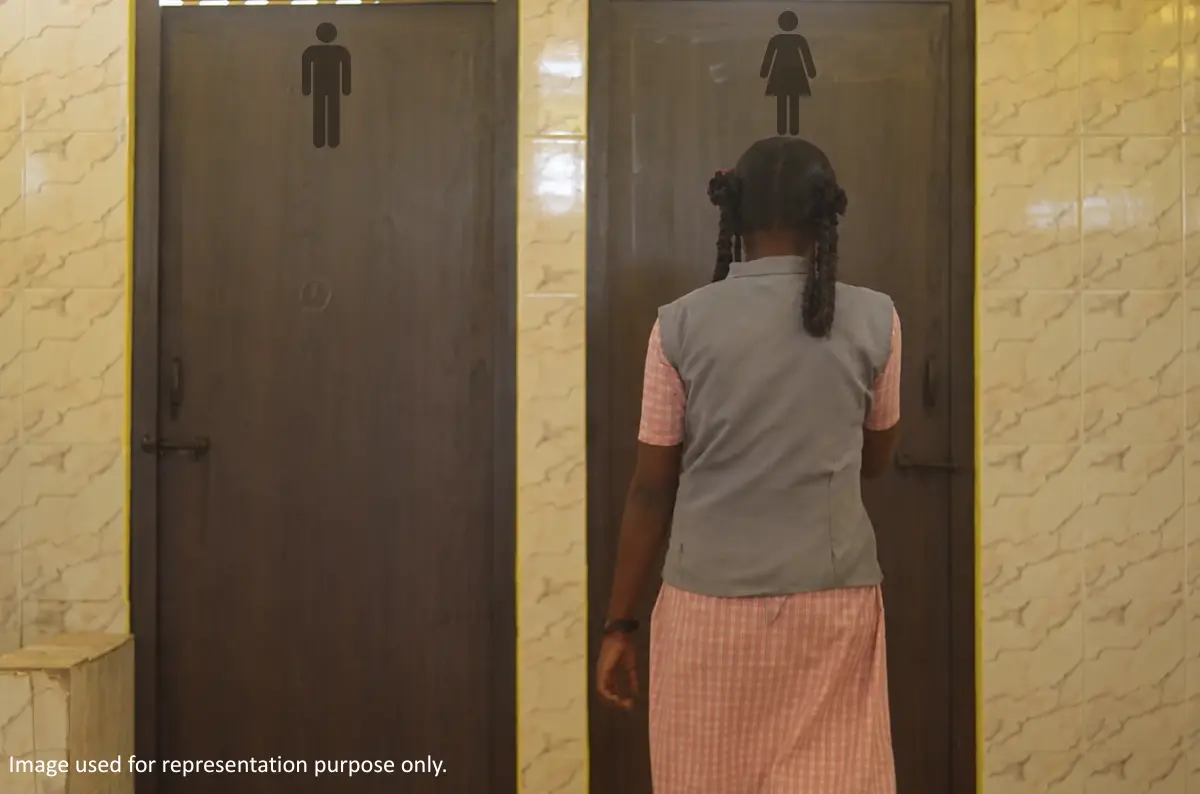
• Lack of toilets, long unsafe travel routes and safety concerns discourage attendance.
• Conflict, climate disruptions and poor-quality schooling further prevent girls from learning.
Impact on Health, Well-Being, and Social Outcomes
Health and well-being are shaped by our relationships, environment and access to resources. These factors influence how we grow, cope and thrive throughout life.
• Strong social connections reduce inflammation, lower the risk of serious illness and support healthier habits.
• Positive relationships improve confidence, emotional stability and reduce loneliness, anxiety and depression.
• Supportive families and communities build resilience, encourage healthy ageing and increase overall life satisfaction.
• Economic factors such as income, education and employment play a major role in long-term health, while poverty increases multiple risks.
Also Read: Rural Education NGO
How CRY America empowers girl child with quality education?
- Enrolling out-of-school and dropout children: Identifying and enrolling out-of-school girls and re-enrolling dropouts through initiatives like community involvement, parental counseling, children’s collectives, and awareness campaigns.
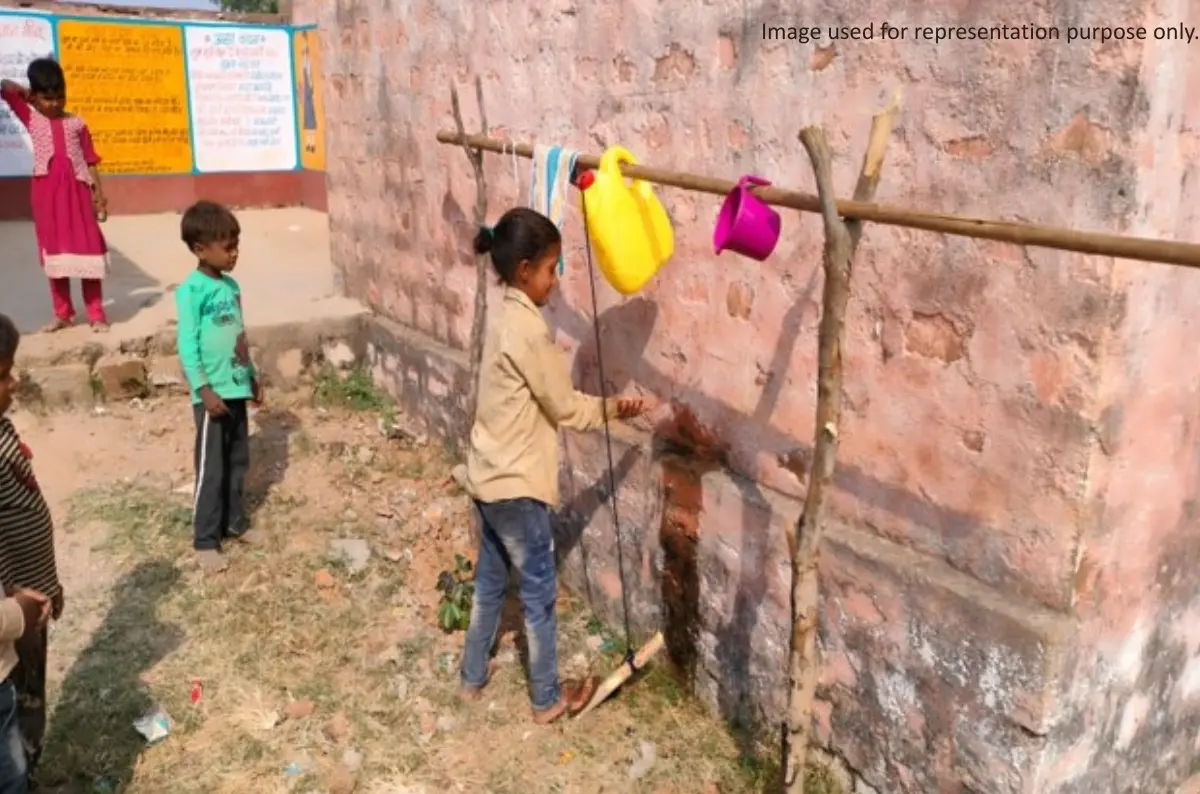
- Enhancing infrastructure and facilities: Working with local communities, school committees, and administrators to improve school infrastructure, ensuring access to safe classrooms, clean drinking water, and hygienic toilets to encourage regular attendance and academic success.
- Connecting children with education programs: Facilitating access to government education and scholarship programs to help children stay in school and complete their education. Supporting families with employment opportunities and linking them to government schemes like MGNREGA to ensure financial stability and reduce dependency on child labor.
- Training teachers and building skills: Providing teacher training programs that incorporate modern, interactive teaching methods to create inclusive and student-friendly learning environments.
- Offering support classes: Establishing learning centers to assist children who face academic challenges or have dropped out, helping them return and complete their education.
- Addressing girl child labor and child marriage: Conducting initiatives to eradicate girl child labor and early marriages through parental counseling and ensuring children receive education and essential support.
Also Read: Impact of Non Profit Organization on Empowering Children
CRY America empowering communities with girl child education
Also Read: What is Gender Inequality?
While working with project Mitwa Mahila Kalyan Evam Seva Samiti (MMKSS) in Chhattisgarh, CRY America encountered a girl facing immense challenges in continuing her education after her father’s death. The project team intervened and met her mother, who shared that it was no longer possible to support her daughter’s private school education due to her limited income.
The team counseled the mother to transfer her daughter from a private to a government school to ensure she could sustain and complete her education. They facilitated the transition by addressing the issue of unpaid fees and securing a transfer certificate.
The 12-year-old girl successfully enrolled in her new school and now attends classes regularly, inspiring others in her community to prioritize education.
What More Can Be Done: Policy, Community, and Individual Actions
Improving girl child education requires strong commitment across governments, communities, and families. Lasting change comes from creating safer environments, supportive attitudes, and equal opportunities.
• Governments can invest in safe schools, scholarships, and trained teachers.
• Communities can challenge harmful norms, prevent early marriage, and support girls’ learning.
• Families can prioritise education, encourage confidence, and share household duties fairly.
• Organisations can provide mentoring, digital skills and leadership opportunities.
• Individuals can advocate for equal rights, raise awareness, and support girls at risk of dropping out.
Also Read: Youth Empowerment Through Education
Conclusion
Over the last two decades, India has made significant progress in advancing girl child education. While the journey has been challenging for a nation with immense diversity and a large population, various programs and integrated efforts have facilitated access to education for girls. However, while much has been achieved, there is still a long way to go. By educating girls and recognizing the role of education in empowering women, we can break cycles of poverty, reduce gender inequality, and build stronger, more equitable communities.
As we take small but impactful steps toward change, your generous support provides the courage and resources needed to create a profound impact together.
Also Read: Equity in Education
FAQs on Importance of Girls Education
Why is the education of a girl child essential for social development?
Educating girls is one of the most powerful tools for achieving economic growth, gender equality, and sustainable social progress. It creates a ripple effect that benefits not just individuals, but entire communities and nations. When girls receive quality education, they gain the knowledge, confidence, and opportunities needed to participate fully in society and the economy. Educated women are more likely to secure better jobs, make informed health and family decisions, and contribute to community development.
According to a World Bank report, if all girls completed 12 years of quality education, the global economy could gain between $15 and $30 trillion in lifetime productivity and earnings.
What challenges do girls in India face in accessing education?
Girls in India face several challenges in accessing education, often rooted in social, economic, and cultural barriers. Many families prioritize boys’ education due to gender bias, while poverty forces girls to drop out early to support household chores or caregiving. Poor nutrition and health care, which are often biased against girls, further affect their ability to attend and perform in school. In rural areas, lack of nearby schools, poor infrastructure, and unsafe travel conditions further discourage attendance. Early marriage and menstrual hygiene issues also lead to higher dropout rates.
What is the importance of girl education in breaking the cycle of poverty?
Girl education helps break the cycle of poverty by providing women with the skills needed for better jobs, increasing family income, and promoting healthier families with better-educated children. Studies show that each additional year of schooling for girls can increase their future earnings by up to 20 percent and reduce birth rates thus improving economic stability. Educated women tend to marry later, have fewer children, and invest more in their families’ health and education, creating lasting benefits for generations and strengthening national prosperity and community well-being.
How can I support initiatives that promote the education of a girl child?
You can support girls’ education by contributing as a monthly or one-time donor, or by supporting a project to create a greater impact. Your generous support helps enroll girls in school, re-enroll those who have dropped out, and prevent early marriages. Your contributions to CRY America’s projects fund essential resources such as study materials, support classes, and enrollment initiatives. CRY also raises awareness about the importance of educating girls and creating safe learning spaces through community outreach and children’s collectives supported by the projects. Donations further provide teacher training and mentorship, empowering girls to reach their full potential and positively influence their communities for generations.
How does early childhood education influence girls’ long-term learning outcomes?
Early childhood education builds strong foundations in language, numeracy and social skills, helping girls stay confident and engaged as they progress through school. It improves readiness, reduces dropout risk and supports better academic performance, leading to stronger long-term learning outcomes and greater educational continuity.
What role do teachers play in creating a supportive classroom environment for girls?
Teachers shape inclusive classrooms by challenging stereotypes, encouraging participation and ensuring girls feel safe and respected. Through positive reinforcement, fair treatment and gender-sensitive teaching, educators help build confidence, strengthen motivation and create an environment where girls can learn freely without fear or bias.
What life skills do girls gain through education beyond academics?
Education helps girls develop confidence, critical thinking, communication, decision-making and negotiation skills. It strengthens resilience, problem-solving abilities and self-awareness. These skills enable girls to navigate challenges, make informed choices and participate actively in their families, communities and future workplaces.
How can digital learning and online education platforms support girls who cannot attend school regularly?
Digital learning provides flexible access to lessons, resources and teachers, helping girls continue their education despite distance, household duties or safety concerns. Online platforms support self-paced learning, build digital skills and offer safe spaces for engagement, ensuring continuity when traditional schooling is disrupted.
Recommended for you