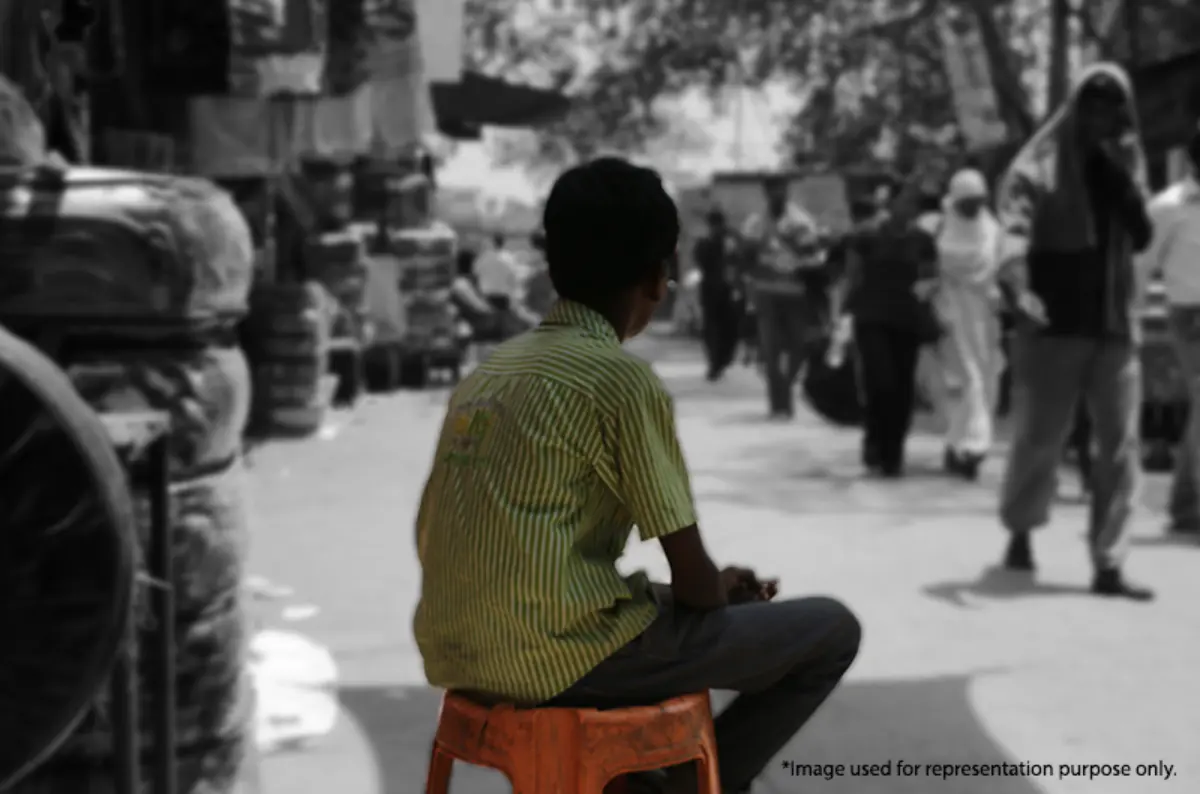












Equity in education means ensuring every student gets the support they need to succeed, regardless of their background or circumstances. It’s about providing resources and opportunities tailored to each student’s individual needs so they can achieve their educational goals.
The goal of education equity is to recognize and accommodate the different needs of each student. This might mean providing additional support to students who need it most, ensuring everyone has the same chance to succeed despite their starting point.
Also Read: Addressing the Educational Needs of Underprivileged Children
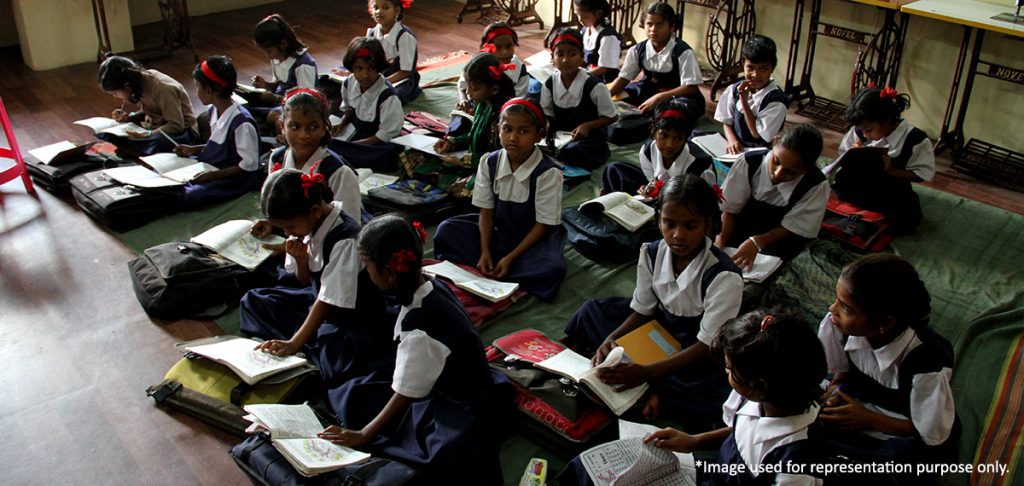
Why is Equity in Education Important?
Here are a few reasons that highlight the importance of equity in education:
- Opportunity for All: Equity creates pathways for underprivileged and underserved students to overcome individual barriers.
- Support for Diverse Learning Styles: Equity allows students to engage with material that aligns with their learning style, ensuring that everyone has a fair chance to grasp the content effectively.
- Increased Engagement: Equity helps students connect with their education by incorporating their race, gender, or ethnicity into the curriculum.
- Enhanced Resource Access: Equity ensures that every student can access the necessary resources, including additional tutoring, technology, or specialized materials.
Also Read: Child Labor Laws and Regulations India
Obstacles to Educational Equality
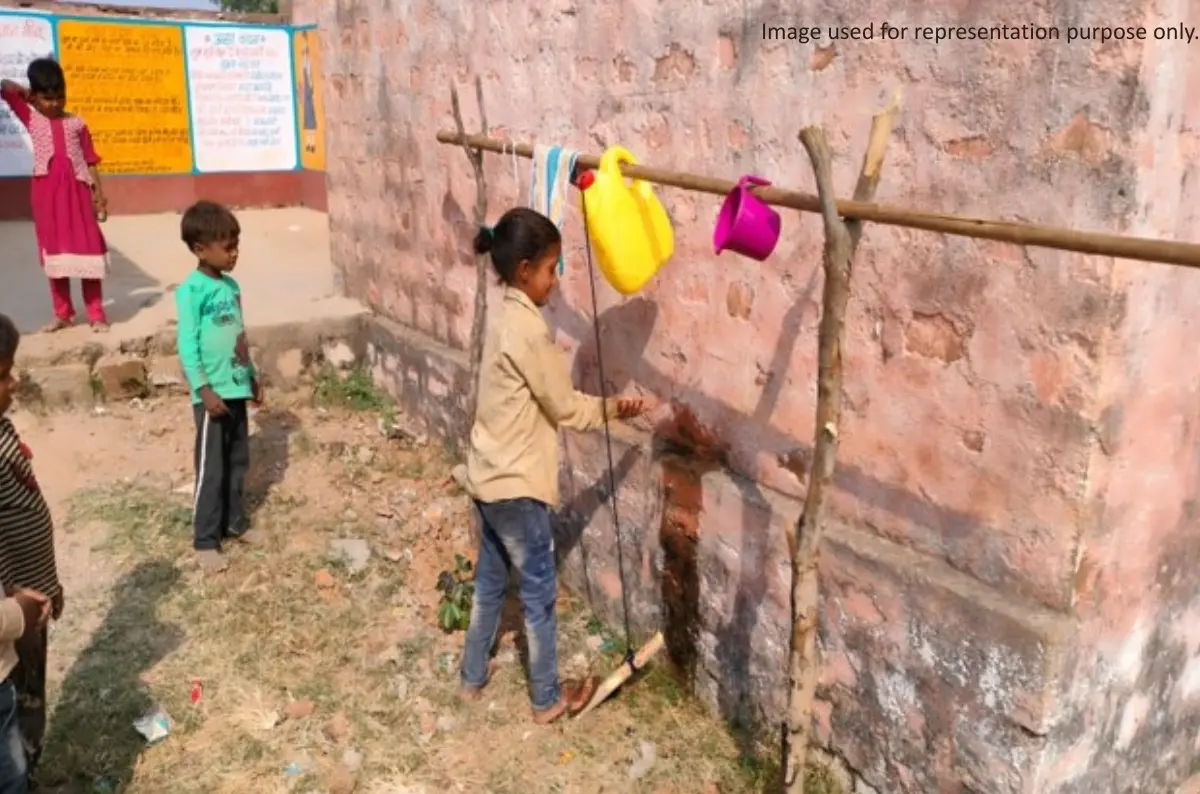
To achieve educational equality, overcoming the barriers that prevent many children from accessing quality education is crucial. Here’s a look at some major challenges:
- Many areas, particularly in developing countries, face severe shortages of financial resources.
- Overcrowded classrooms and lacking basic materials such as books and qualified teachers further decrease educational quality.
- Education often comes with expenses like school fees, uniforms, and supplies many families cannot afford.
- Extreme poverty forces many families to rely on child labor to increase their income.
- Discrimination based on gender, ethnicity, religion, or language can prevent children from getting equal educational opportunities.
Also Read: Barriers to Education
How to Promote Equity in Education?
To promote equity in education, we need a proactive approach to ensure every student has access to the support and resources they need to succeed. It is possible to create a more inclusive and unbiased learning environment by implementing a few practical strategies, which are as follows:
Teacher Training and Development
Investing in ongoing professional development for teachers is essential for promoting equity in the classroom. Training programs should focus on:
- Cultural Competence: Prepare teachers with skills to understand and address the diverse cultural backgrounds of their students.
- Differentiated Instruction: Guide them in creating personalized teaching methods to fulfill the different needs of students.
- Bias Awareness: Help educators recognize and overcome personal biases that may affect their teaching.
Involve Your Students in Curriculum Planning
Engage students in the curriculum planning to ensure their learning experience matches their needs and interests. Consider:
- Surveys and Feedback: Use surveys or feedback sessions to gather students’ opinions on what topics and formats they find most engaging.
- Student Choice: Students can select project topics or learning activities that align with their interests and strengths.
Recognize that all Students have Different Needs
It is crucial to recognize and address the diverse needs of students to promote equity education. This includes:
- Individual Learning Plans: Develop personalized learning plans for students who need additional support or accommodations.
- Regular Assessments: Perform regular assessments to identify and address learning gaps or challenges.
Create a Safe and Equitable Classroom Environment
Building a classroom environment that ensures every student feels safe and valued is fundamental to promoting equity. Key strategies include:
- Inclusive Practices: Create an environment where all students feel respected and represented regardless of their background.
Accommodate Different Learning Styles
Recognizing and accommodating different learning styles helps ensure that all students can engage with the material effectively. Strategies may include:
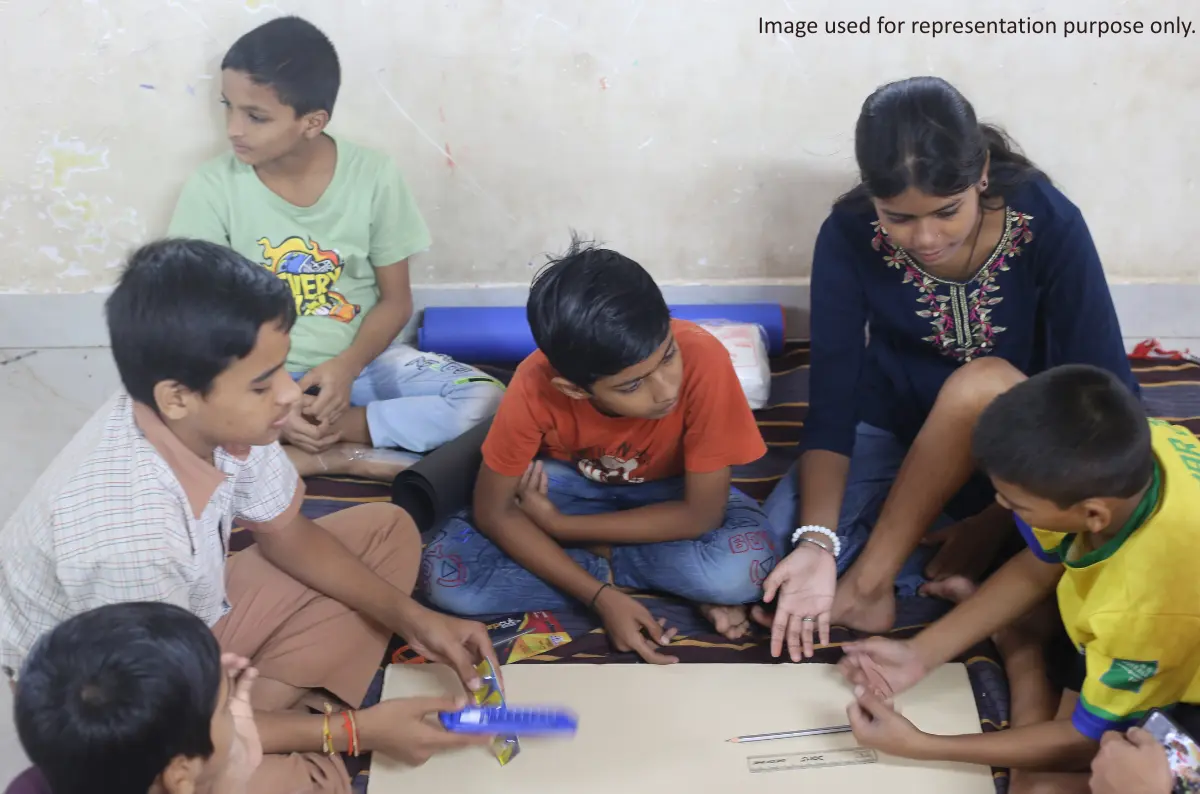
- Varied Teaching Methods: Use various teaching methods, such as visual aids, hands-on activities, and group work, to cater to different learning preferences.
Also Read: The Urgency of Educating Marginalized Children in India
Importance of Gender Equity in Education
Gender equity in education equips all students with essential life skills such as self-management, communication, and critical thinking. Here’s why it is important:
- Helps students learn essential life skills like self-management, communication, and critical thinking
- Uplifts families and communities by reducing pay disparities and boosting economic growth.
- Decreases gender-based violence in schools and prevents evil social practices like child marriage or female genital mutilation.
- Creates a skilled and educated population that contributes to long-term societal and economic benefits.
Role of CRY America in Providing Equal Education
CRY America plays a pivotal role in ensuring equal education for underprivileged children. Since 2004, this Non-Profit Organization has impacted over 700,000 lives through:
- Early Childhood Education: Supporting intellectual and cognitive development for children aged 0-3.
- School Readiness: Providing preschool access to children aged 3-6 through Anganwadis, preparing them for formal schooling.
- Learning Outcomes: Ensuring children aged 6-18 complete their education effectively.
With over 337,000 children in schools, 1,561 public schools activated, and 211,294 children mainstreamed, CRY America aims to eradicate barriers like discrimination, child labor, and inadequate resources, promoting equal opportunities for every child.
Also Read: Impact of Non Profit Organizations on Empowering Children
Conclusion
Equity in education is about more than just fairness; it’s about ensuring every student has the tools they need to succeed, regardless of their starting point. By focusing on personalized support, inclusive practices, and resource allocation, you can create an environment where all students have the opportunity to reach their full potential. As you continue your teaching journey, keep equity at the forefront of your practice to foster a classroom where every student can thrive.
If you aspire to contribute to making the world a better place for everyone, take your first step by donating to Non Profits like Cry America who help create a positive impact.
Also Read: What is Child Marriage?
FAQs
What is equity in education?
Equity in education means giving each student the specific resources and support they need to reach their full potential, regardless of their background or circumstances. Unlike equality, which treats everyone the same, equity acknowledges that students face different challenges and may need varying levels of assistance to succeed. It focuses on tailoring the learning experience to address diverse needs and fostering an inclusive environment where personal or social factors do not hinder learning.
What are the broader societal benefits of educational equity?
Educational equity benefits society by reducing poverty and inequality, boosting economic productivity, and promoting social mobility. It fosters inclusive communities, improves public health, and encourages community participation. By providing targeted support to marginalized individuals, equitable education helps break cycles of poverty, reduce socioeconomic disparities, and create fairer opportunities for all. Educated populations contribute to stronger economies, healthier families, and more harmonious societies, while also engaging more actively in democratic processes, ultimately advancing social justice and long-term national stability.
What’s the difference between equity and equality in education?
Equity and equality in education are related but different. Equality ensures all students have access to the same resources, like identical textbooks or opportunities. Equity, however, recognizes that students have unique needs and challenges, such as disabilities, language barriers, or lack of internet access. An equitable approach provides tailored support and accommodations so every student can succeed. In short, equality focuses on sameness, while equity focuses on fairness, ensuring all learners can reach their full potential.
Why is equity in education important?
Fostering equity in education empowers children to develop the skills, confidence, and critical thinking needed for future leadership. Equitable learning environments improve academic performance, close achievement gaps, and provide underserved students with opportunities to succeed. Exposure to diverse classrooms promotes tolerance, inclusivity, and engagement, helping students become well-rounded leaders. By ensuring fair access to resources and support, educational equity not only enhances individual outcomes but also strengthens society and contributes to long-term economic and social progress.
Recommended for you