











Summary/TL;DR on Women Empowerment Through Education
Understanding women empowerment through education is crucial, as it impacts families, communities, and economies. Educated women contribute to economic growth, better healthcare, improved child education, and social progress by challenging discrimination. However, they face challenges such as gender discrimination, financial burdens, early marriages, and safety concerns that hinder access to education. Success stories like Malala Yousafzai and Kalpana Saroj highlight the potential for women to overcome these barriers. Promoting women’s education involves policy reforms, scholarships, creating safe learning environments, and advocacy. Organizations like CRY work at grassroots levels to enroll girls in schools and promote awareness. Education is foundational for empowerment, fostering a stronger, more equitable society.
Understanding Women Empowerment Through Education
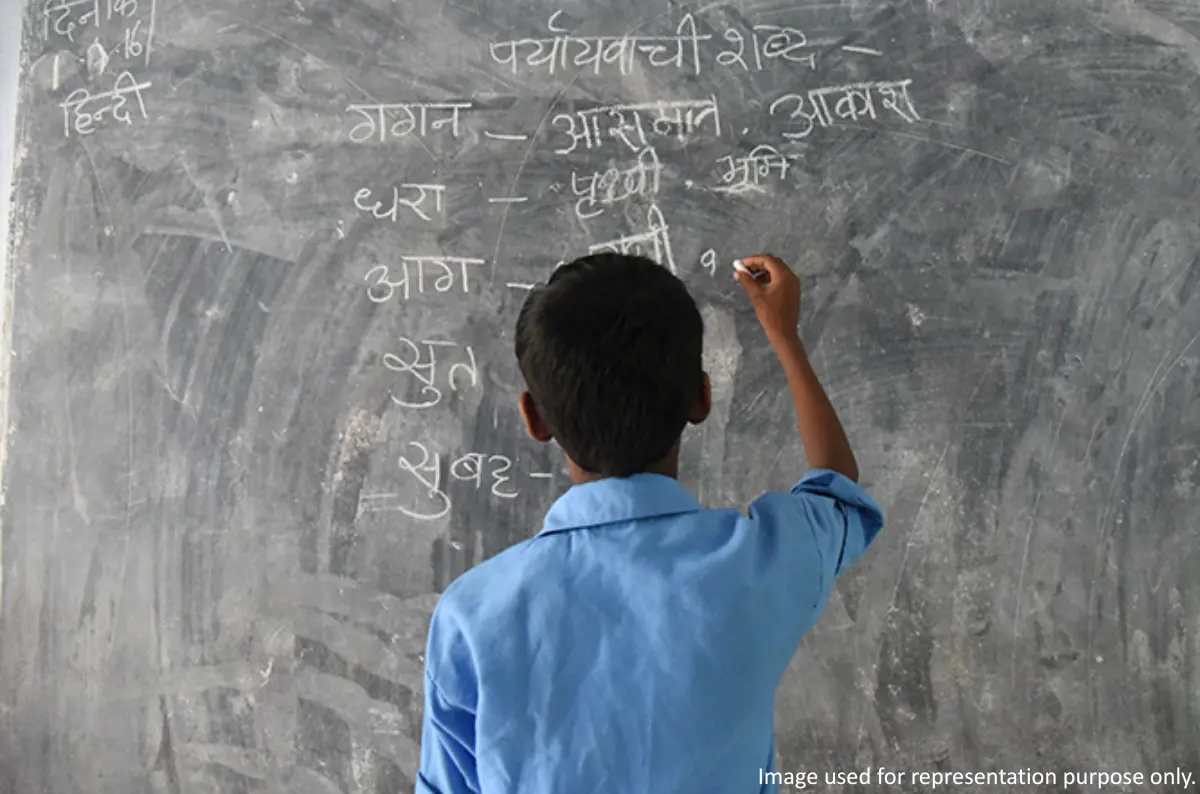
Education is necessary for every individual to strive and contribute to society. But more importantly, with women, it’s not just one person but an entire generation. As household caretakers, women are tasked with important responsibilities such as raising children, ensuring community harmony, and passing on cultural and familial values. Women empowerment in education uplifts families, strengthens economies, and builds a more equitable society. Knowledge gives women the tools to make informed decisions, participate in the workforce, and speak up for themselves. However, women’s atrocities and neglect towards them still make basic access to education challenging, curbing their potential and that of future generations.
Also Read: Protecting Marginalized Girls
Women’s Education and Empowerment: Meaning and Core Principles
Women’s education and empowerment refer to enabling women with knowledge, skills, and opportunities to make informed choices and lead independent lives. Its core principles include equal access to education, freedom from discrimination, safety, dignity, and the ability to participate fully in economic, social, and civic life. Education acts as the primary tool that transforms awareness into agency, allowing women to challenge inequality and shape their own futures.
Why Education Is the Foundation of Women Empowerment
Education is the foundation of women empowerment because it equips women with critical thinking, confidence, and decision-making abilities. An educated woman is better positioned to access employment, manage health and finances, and advocate for her rights. Education also helps break cycles of dependence and discrimination, creating pathways for social mobility and equality. Without education, empowerment remains limited and unsustainable.
The Generational Impact of Women Empowerment Through Education
When women are educated, the impact extends far beyond the individual. Educated mothers prioritise their children’s health, nutrition, and schooling, creating a ripple effect across generations. This generational impact reduces poverty, improves learning outcomes for children, and fosters progressive social values. Women empowerment through education thus becomes a long-term investment in stronger families, communities, and societies.
The Impact of Educating Women on Society
The sensitivity of women is what brings a society together. Hence, educating them can impact the surroundings in several ways:
- Economic Growth: Educated women can find work, take care of the family, and contribute to the growth of the national GDP (UNESCO).
- Better Healthcare: If women in the house are educated properly, they can care for the family and themselves, especially by reducing infant and maternal mortality rates (World Health Organization).
- Improved Child Education: Learned women can make sure that their children receive the right education, helping them shape their future successfully.
- Social Progress: Education helps break taboos and continuous cycles of discrimination, promotes gender equality, and challenges unjust societal norms.
Also Read: 10 Advantages of Girl Child Education
Challenges Women Face in Accessing Education
Gender Discrimination and Social Norms
Words are not enough to spread awareness. As prevalent in several societies, male education still takes precedence over female education, reducing women to nothing more than caretakers suitable for household chores (National Commission for Protection of Child Rights).
Lack of Financial Support and Infrastructure
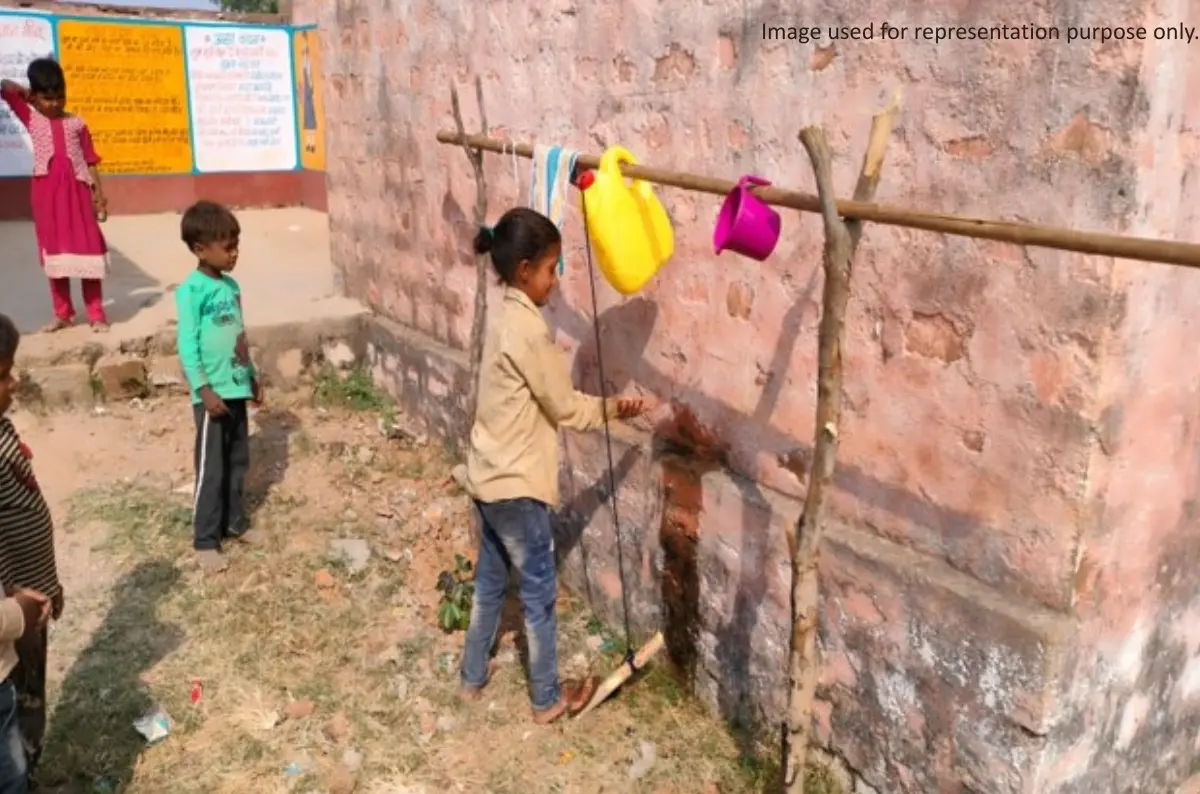
Educating girls is still considered a financial burden. Multiple tuition, books, uniforms, and transportation costs prevent parents from educating their daughters (UNESCO Global Education Monitoring Report). Many rural areas also lack proper schools and safe learning environments, posing safety concerns for the girl child.
Early Marriages and Household Responsibilities
You might think that laws have prevented child marriage. But preparation for marriage, including teaching girls household chores or saving up for their marriage, still exists. Once married, they are expected to focus on household duties, leaving no room for them to complete their education, let alone pursue further studies.
Safety Concerns and Limited Mobility
Unsafe transportation and inadequate, below-par school facilities deter many girls from continuing their education. In several areas, harassment and physical violence further discourage families from sending them outside the home or to school (National Crime Records Bureau).
Women Empowerment Through Education in Marginalized Communities in India
In marginalized communities in India, education plays a transformative role in women empowerment. For women facing poverty, caste-based exclusion, or social discrimination, education offers a pathway to dignity, independence, and opportunity. Access to schooling helps women challenge traditional constraints, participate in livelihoods, and support their families. Educational empowerment in these communities is essential for reducing inequality and promoting inclusive development.
Barriers Faced by Women from Low-Income and Rural Backgrounds in India
Women from low-income and rural backgrounds face layered barriers to education, including poverty, limited school infrastructure, unsafe transportation, and entrenched gender norms. Early marriage, household responsibilities, and lack of financial support often force girls to drop out. Safety concerns and social expectations further restrict mobility, making sustained access to education especially challenging for rural and marginalized women.
Role of Policy, Institutions, and Society in Educational Empowerment of Women
Policy frameworks, institutions, and society play a critical role in advancing women’s educational empowerment. Government policies that ensure free, quality education, scholarships, and safe schools are essential. Institutions must enforce inclusive practices, while society must challenge gender biases that deprioritize girls’ education. Collective responsibility across these stakeholders is necessary to create lasting and equitable educational opportunities for women.
From Education to Leadership: Expanding Opportunities for Women
Education serves as the gateway from empowerment to leadership. Educated women are more likely to participate in the workforce, pursue entrepreneurship, and take on leadership roles within communities and institutions. Knowledge builds confidence and visibility, enabling women to influence decision-making and policy. Expanding educational access therefore directly expands women’s representation and leadership across social and economic spheres.
Success Stories of Women Empowerment Through Education
Even though the world might look like lost hope, countless women have overcome these barriers, rising like a Phoenix despite challenges:
- Malala Yousafzai, a Pakistani teenager, braved near death and life threats to advocate for girls’ education, becoming a global symbol of empowerment.
- Kalpana Saroj, once a child bride from India, pursued education and later became a successful entrepreneur, inspiring many.
- Sindhutai Sapkal, an abandoned child, empowered herself through knowledge and then went on to educate thousands of orphaned children.
Also Read: Rural Women Empowerment
Steps to Promote Women Empowerment Through Education
Once you educate a woman, you can see the difference they bring to society. To ensure this, we can focus on:
- Policy Reforms: Providing free and quality education for girls and financial incentives for families.
- Scholarships and Financial Aid: Expanding scholarship programs and financial assistance can help bridge significant economic gaps (UNESCO Global Education Monitoring Report).
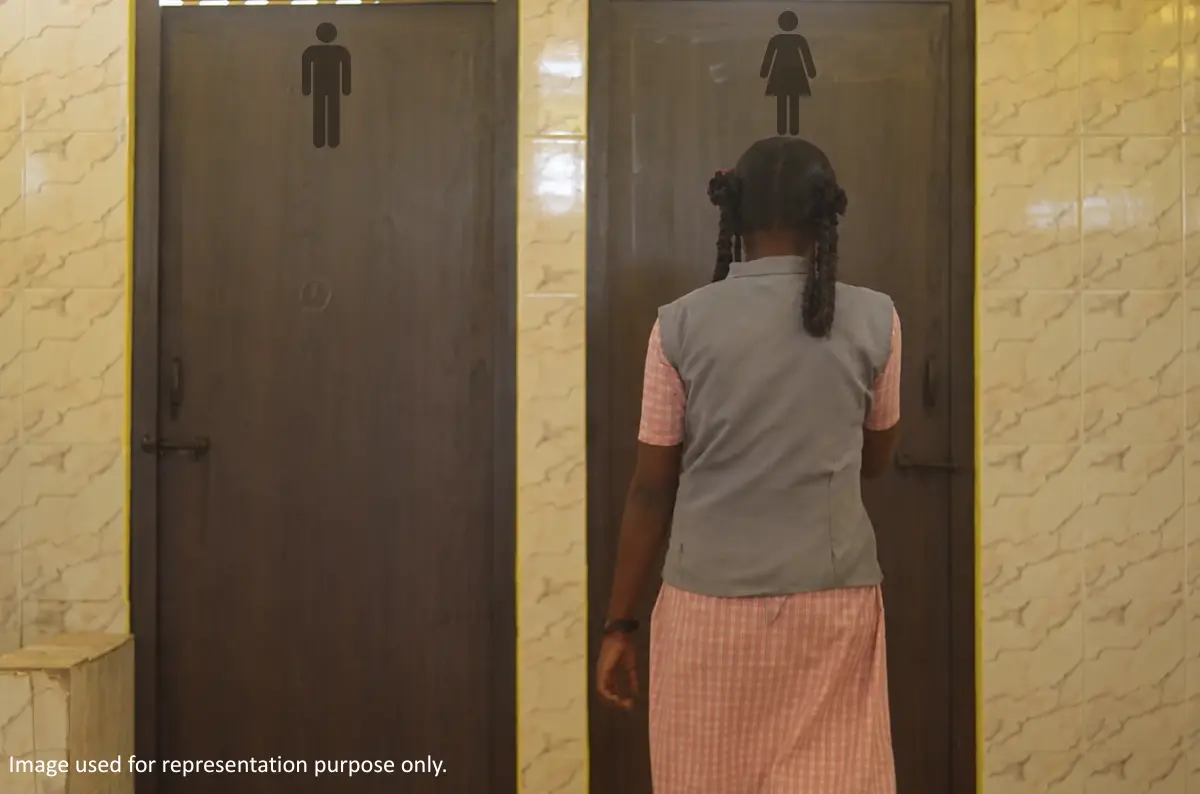
- Safe Learning Environments: To encourage girls to enroll schools should install proper bathrooms, manage security, and offer transport options (World Bank).
Also Read: Educational Problems Faced by Girls in Remote Areas of India
How CRY Supports Women Empowerment Through Education
At CRY, we firmly believe in the power of education to transform lives. To do this, we primarily try to achieve the following:
- Enrol Girls in Schools: We work at the grassroots level to identify and enroll girls in school and ensure it progresses.
- Provide Learning Resources: We provide underprivileged girls with quality learning materials.
- Advocate for Policy Changes: We work alongside policymakers to push for stronger laws protecting and promoting girls’ education.
- Create Awareness Campaigns: Our programs involve different communities to discuss education and women empowerment and break social stigmas.
Also Read: Suggestions to Overcome Gender Stereotypes in India
How You Can Contribute to the Cause
Just advocating for change is not enough. If you wish to be a part of this movement, here’s how you can do it:
- Donate: Your contribution can help provide girls the opportunity to complete their education.
- Volunteer: Join awareness campaigns and help encourage young girls to pursue education wherever possible.
- Spread Awareness: Use your voice to advocate for girls’ education on every level.
Education is the sole foundation of empowerment. When we educate women, we invest in a stronger, more equal world. For more information on what we do and how we contribute to improving the world, follow us at https://www.cryamerica.org/.
Also Read: Forced Child Marriage
FAQs
How does education empower women?
Education empowers women by enhancing their economic independence and career opportunities, building confidence, and enabling informed decision-making. It encourages active participation in social and political life and helps challenge gender inequalities and harmful social norms. Educated women can break cycles of poverty, promote better health and family well-being, and contribute meaningfully to global progress, ensuring their full potential benefits society as a whole.
How does educating women benefit communities?
Educating women benefits communities in many ways. Educated women are more likely to advocate for girls’ education, marry later, and make informed health and family decisions, which helps reduce neonatal and child deaths. They improve household well-being, contribute to economic growth, and challenge harmful social norms. Their knowledge and skills break cycles of poverty, promote healthier families, and create stronger, more inclusive communities where everyone can thrive.
What challenges prevent women from accessing education?
Women face multiple barriers to accessing education, often rooted in social, cultural, and economic factors. Gender bias may lead families to prioritize boys’ education over girls’. Poverty forces some girls to drop out to support household work or earn income. Early marriage, safety concerns during travel to school, and lack of proper sanitation or school facilities further hinder attendance. Additionally, limited access to resources, societal expectations, poor menstrual hygiene, and restrictive cultural norms further prevents girls and women from continuing their education.
How does women empowerment through education boost economic growth?
Women’s education plays a crucial role in driving economic growth by equipping women with skills, knowledge, and confidence to participate fully in the workforce. Educated women are more likely to secure better-paying jobs, start businesses, and make informed financial and health decisions. This increases household incomes, reduces poverty, and improves the well-being of families and communities. By fostering healthier, more skilled, and empowered populations, women’s education contributes to more inclusive, innovative, and sustainable national economies, breaking cycles of poverty and creating long-term economic development.
Why is educational empowerment for women critical in developing countries like India?
Educational empowerment is critical in developing countries like India because it directly addresses poverty, gender inequality, and social exclusion. Educated women contribute to healthier families, improved child education, and stronger local economies. Education also delays early marriage, increases workforce participation, and enables women to make informed decisions, creating sustainable development at both household and national levels.
What role does digital education play in women’s education and empowerment?
Digital education expands access to learning for women who face mobility, safety, or infrastructure barriers. Online platforms and digital resources allow women to continue education from home, build skills, and access information. Digital education also supports lifelong learning, vocational training, and awareness, making empowerment more inclusive, flexible, and scalable across diverse socio-economic contexts.
What policies are most effective in improving access to education for women?
Policies that provide free and compulsory education, scholarships, conditional cash transfers, and safe school infrastructure are most effective. Measures addressing sanitation, transportation, and security significantly improve attendance. Policies that prevent child marriage and promote gender equality further ensure that girls remain in school and complete their education.
How does women empowerment through education reduce poverty at the household level?
Women empowerment through education reduces household poverty by increasing earning potential and financial decision-making. Educated women access better jobs, manage resources efficiently, and invest in children’s health and education. This improves household stability, reduces dependence, and breaks intergenerational poverty cycles, leading to long-term economic resilience.
Also Read: What is Child Marriage?
Recommended for you