











Summary/TL;DR on Child Rights in India
India has a longstanding cultural practice of valuing children, reflected in festivals and celebrations. However, the country lags in addressing the full spectrum of Child Rights in India, particularly regarding survival, development, protection, and participation—despite protective laws like the Juvenile Justice Act and the Right to Education Act. Progress has been made through increased school enrollment, improved healthcare, and stronger protections. Nevertheless, challenges persist, including ineffective law enforcement, poverty hindering education, and gender discrimination affecting girls’ schooling. To strengthen these rights, efforts are needed to enforce laws, expand access to education, and improve healthcare. Community awareness and advocacy are crucial in protecting children’s rights and supporting initiatives for their welfare.
Understanding Child Rights in India
In India, children were treated with care and worshipped on different occasions. From dressing young girls as Goddess Durga to celebrating Children’s Day at the birth of Jawahar Lal Nehru, India has set a gracious example. However, when it comes to having rights of children in India in place, we are still far behind other countries. Technically, the rights of children in India cover survival, development, protection, and participation. Laws like the Juvenile Justice Act, the Right to Education Act, and the Protection of Children from Sexual Offences (POCSO, 2012) Act aim to safeguard these rights. But in reality, many young souls still struggle to access necessities.
Also Read: Child labor
Key Aspects of Child Rights
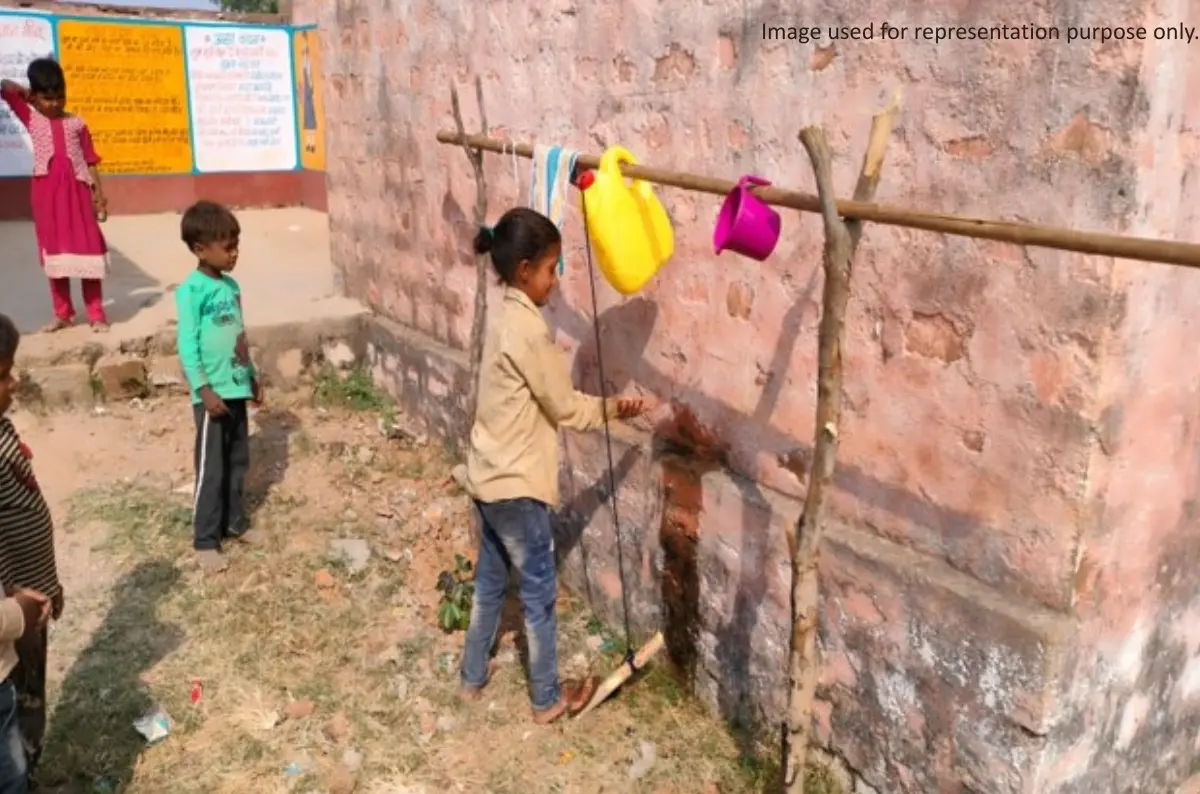
- Survival Rights: Access to healthcare, nutrition and hygiene, and living standards.
- Development Rights: Fundamental rights include education, leisure, and access to cultural activities.
- Protection Rights: Legal protection from abuse, neglect, child marriage and child labor.
- Participation Rights: The right to express opinions, be heard, and have their voice without any discrimination.
Also Read: Quality Education for Children in Rural India
Progress in Ensuring Child Rights in India
Thankfully, social activism is growing vigilant as more children fall behind. The government, along with independent NGOs and workers, has managed to bring about some positive changes:
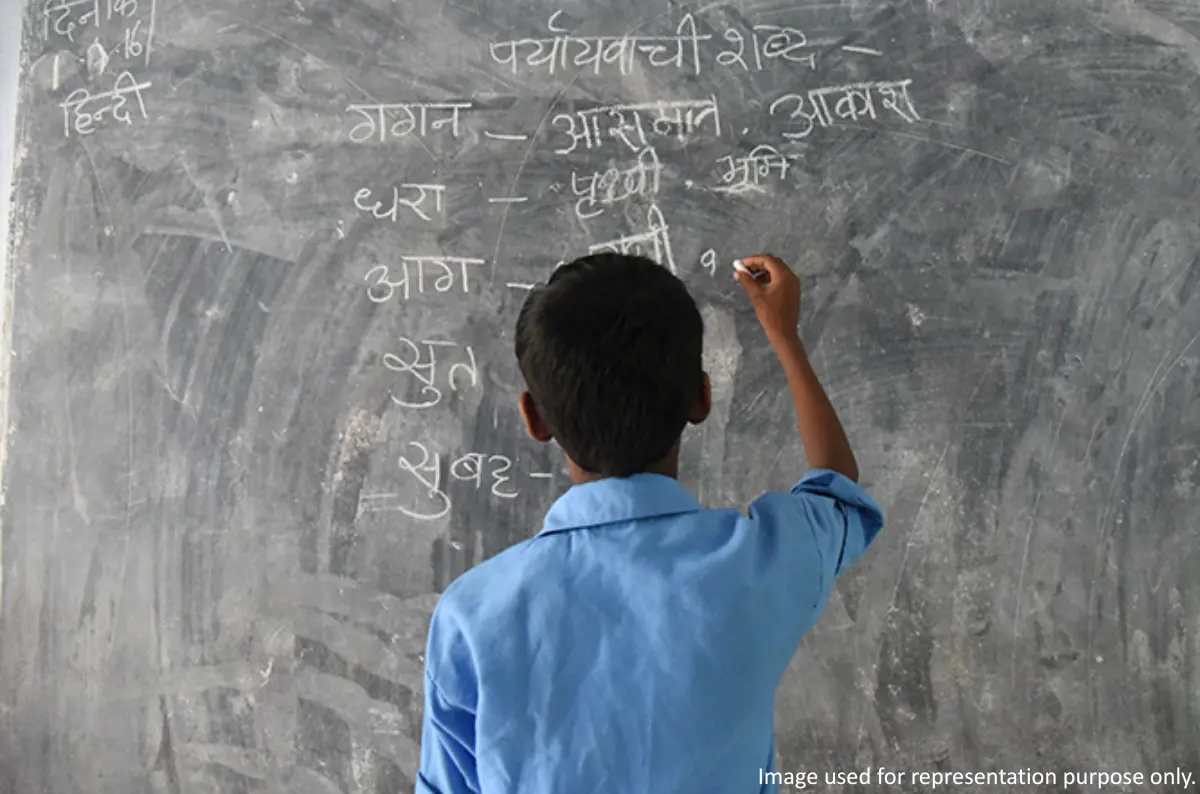
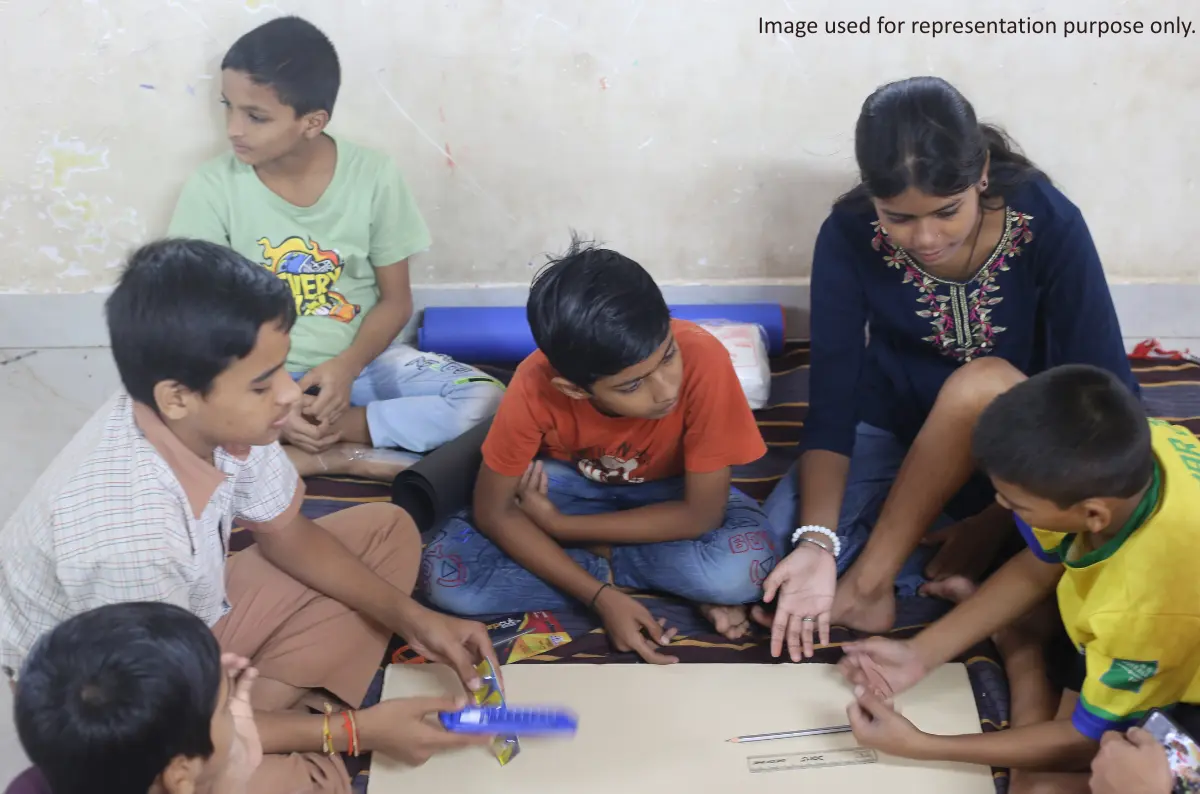
- More Kids in Schools: The Right to Education Act has led to higher enrollment rates and fewer dropouts in rural and urban schools.
- Better Healthcare: Polio vaccination programs and nutrition initiatives like the Mid-Day Meal Scheme have made a difference and prompted parents to send their children to school.
- Stronger Protection Laws: Child labor laws and acts like POCSO have created safer environments for children.
- Welfare Programs: Government schemes like Beti Bachao Beti Padhao are helping promote gender equality and education and limiting child marriage, which is prevalent in some areas.
- Reduced Child Mortality: Improvements in maternal healthcare and immunization programs have significantly decreased child mortality rates, ensuring healthier families and growth atmospheres.
Also Read: Child Labor Laws
However, there is still a lot that needs to be done.
Challenges That Still Exist
Gaps in the Implementation of Child Protection Laws
Legal provisions often don’t reach remote areas, leaving vulnerable children unprotected because of poor monitoring and awareness about the importance of child rights in India.
Issues of Poverty and Lack of Access to Education
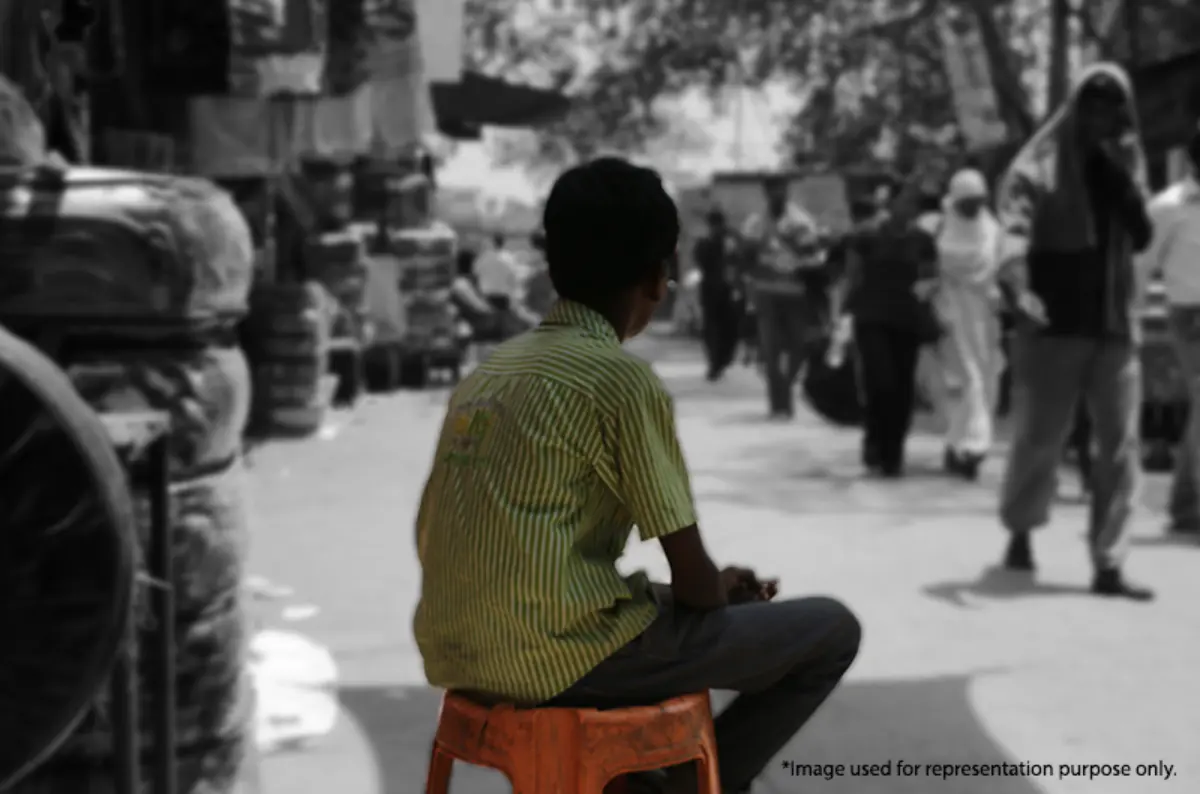
Despite free schooling issues like lack of access to schools due to, distance, transportation & poverty keep many kids from getting the education they deserve and eventually force them to take up odd jobs to support their families.
Gender Discrimination and Its Impact on Child Rights
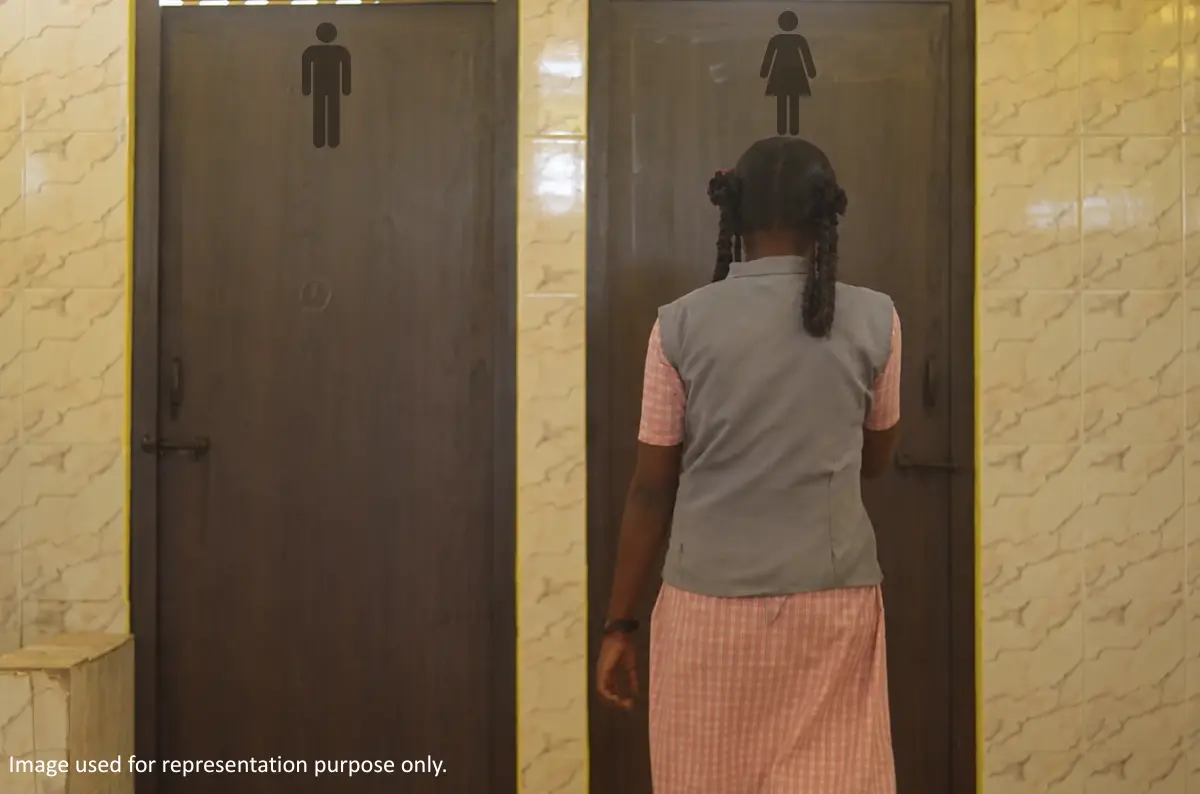
If you search, you will find reports showing that a significant percentage of girls still drop out of school due to societal pressure, early marriage, or lack of sanitary facilities in schools, especially during their monthly cycles.
The Need for Greater Awareness and Advocacy
Many people simply don’t know about child rights in India. Government and non-government organizations can collaborate to spread awareness among parents, teachers, and children through grassroots campaigns, digital platforms, and educational programs.
Also Read: Barriers to Quality Education
Steps Needed to Strengthen Child Rights in India
Now that we have discussed the problems, what steps can we take to change them?
- Enforce Existing Laws: Law enforcement agencies must be trained to handle child protection cases sensitively.
- Expand Education Access: More programs, scholarships, digital learning tools, and school meals can help underprivileged children.
- Fight Poverty: Providing marginalized families with financial assistance or work opportunities can prevent child labor.
- Improve Healthcare: Expanding child nutrition programs, neonatal care, and mental health support for children can benefit their holistic development.
Our Role in Protecting Child Rights
At CRY America, we work towards bringing about the change these children deserve.
- Provide Education: We strive to help underprivileged kids stay in school by ensuring better infrastructure, linking children to scholarships programs, and providing learning materials.
- Maintain Healthcare: We constantly run several programs to improve child nutrition and well-being, including frequent vaccination drives.
- Protect Children: Most importantly, we take strict action against exploitation and abuse by working closely with law enforcement and child protection agencies.
- Empower Communities: As a society, we partner with local communities to ensure long-term solutions for child welfare.
Also Read: Enrollment of Child Labor
How You Can Support Child Rights in India
Every child is precious, and if you want to contribute to this cause, here is how:
- Donate: Small, big, or massive, every dollar counts and will make a difference in a child’s life.
- Volunteer: We need your presence to spread awareness and help raise funds.
For more information on what we do and how you can make a difference, check our website at https://www.cryamerica.org/.
Also Read: Neonatal Mortality Rate
FAQs on Child Rights in India
What progress has India made in protecting child rights?
India has made notable progress in protecting child rights through legislation, policies, and national programs. Laws like the Right to Education Act, the Juvenile Justice Act, and the POCSO Act safeguard children’s rights, while initiatives such as POSHAN Abhiyaan, Mission Vatsalya, and CHILD HELPLINE 1098 provide nutrition, care, and emergency support. Key achievements include reductions in maternal, neonatal, and under-5 child mortality, expanded social protection programs, and improved access to education. However, challenges like poverty, child labor, early marriage, and gaps in implementation still require ongoing efforts to ensure all children are fully protected and supported.
What steps can help strengthen child rights in India?
Strengthening child rights in India requires the combined efforts of the government, NGOs, communities, and individuals. Key steps include educating parents about children’s rights, the harms of child labor, and the consequences of child marriage. Communities should be made aware of laws like Article 24, the POCSO Act, and other protections for children. Programs like the Integrated Child Development Services (ICDS) support nutrition, health, and early development, while initiatives such as free education, mid-day meals, and vocational training encourage school enrollment.
Why is awareness about child rights important?
Awareness about child rights is important because children are individuals with their own rights, not the property of parents or the state. Knowing these rights helps protect children’s health, education, and overall development. Children depend on adults for care, and government policies affect them more than anyone else. Understanding child rights ensures children are safe, their voices are heard, and they can grow up in a healthy and supportive environment, which benefits both them and society as a whole.
What role can citizens play in promoting child rights?
Citizens play a vital role in promoting child rights by raising awareness, supporting education, and protecting children from harm. They can educate families and communities about children’s rights, discourage child labor and child marriage, and ensure children access schooling and healthcare. Citizens can also volunteer with or support NGOs working for child welfare, report violations, and advocate for stronger enforcement of laws. By actively participating, individuals help create a safer, more supportive environment where children can grow, learn, and reach their full potential.
Recommended for you