












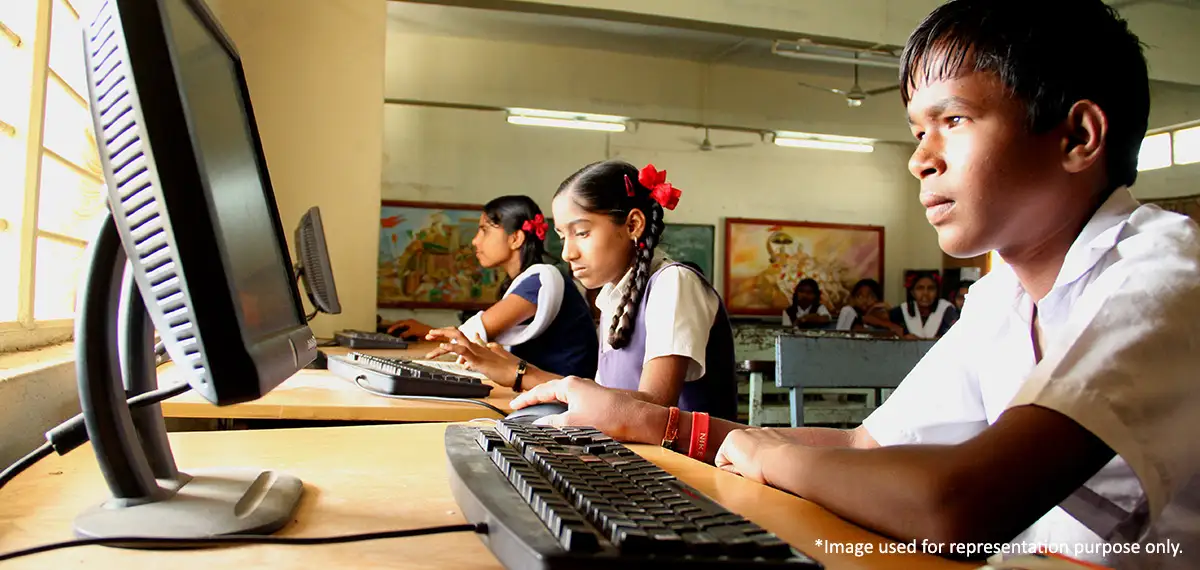
Importance of Online Safety for Children in India
With an increasing number of children accessing the internet, the risks associated with online activity are growing alarmingly. From cyberbullying to online predators, the dangers are real and varied. So, parents, educators, and policymakers must prioritize online safety and equip children with the knowledge and tools to navigate the digital sector safely. Read along to know how.
Also Read: How to Prevent Child Trafficking
Understanding the Growing Threat to Children’s Online Safety
In India, children engage with the internet at younger ages, often without sufficient awareness of the risks they face. For example, unrestricted access to social media, gaming platforms, and unregulated content has created an environment where children can easily become victims of online exploitation, abuse, or manipulation.
This digital exposure is further exacerbated by parents' and children's lack of awareness about the potential threats. Moreover, the rise of online gaming addiction, inappropriate content, and interaction with strangers without supervision highlights the growing concern about children’s safety in the digital space.
Key Online Dangers Facing Children in India
Several online dangers are particularly concerning in India:
- Cyberbullying: The anonymity offered by the internet makes it easier for bullies to target children. This can lead to emotional distress, self-esteem issues, and severe psychological impact.
- Online Predators: Children can be easily manipulated or lured by online predators posing as peers or friendly figures, increasing the risk of exploitation or abuse.
- Exposure to Inappropriate Content: Without proper safeguards, children may accidentally or intentionally encounter explicit, harmful, or violent content that can impact their emotional and mental development.
- Privacy Violations: Many children do not understand the implications of sharing personal data online, which can lead to identity theft, data theft, or misuse of personal data.
Also Read: Child Empowerment
Steps to Ensure Online Safety for Children
Ensuring the online safety of children involves a multi-faceted approach that includes:
- Educating Children: The key to keeping children safe is teaching them about the dangers of the Internet and encouraging them to be cautious when sharing information.
- Parental Controls: Using parental control software to monitor and limit children’s internet usage can help avoid exposure to harmful material. Setting up safe search options on browsers and social media platforms is also critical.
- Setting Boundaries: Establishing clear rules about the time spent online and the types of activities allowed can limit unnecessary exposure to risky online behavior.
- Fostering Open Communication: Encouraging children to speak openly about online activities can help parents detect unusual or concerning behavior early on.>
The Role of Non-Profits in Protecting Children
Non-profit organizations conduct training sessions, workshops, and awareness campaigns that equip families with the knowledge to protect children from online risks. They also support victims of cybercrimes and advocate for stronger digital safety regulations.
For example, non-profit organizations such as CRY America work at the grassroots level, conducting community outreach programs that educate vulnerable populations on ensuring their children’s online safety.
Building Digital Literacy in Children
Digital literacy is a basic skill in the modern world, not just for safety but also for maximizing technology's educational potential. By integrating digital literacy programs into schools and communities, children can be taught the ethical use of technology, how to distinguish credible sources from misinformation, and the importance of protecting their online identities.
Also Read: Effects of Social Media on Children
Conclusion: Creating a Safer Digital Environment for Indian Children
As India embraces the digital revolution, parents, educators, and organizations must work together to ensure children’s safety. We can create a safe environment where kids can explore, learn, and grow without fear through education, technology, and collaboration.
Additionally, non-profits, like CRY America, are at the forefront of this mission, working tirelessly to create awareness, provide support, and make the digital world safer for children nationwide.
Also Read: Stem Activities for Kids
FAQs
What are the biggest online dangers for children in India?
The biggest online dangers for children in India include cyberbullying, online predators, exposure to inappropriate content, and privacy violations. Social media platforms, online games, and unregulated chat rooms can expose children to harmful interactions, inappropriate content, and even exploitation.
How can parents protect their children from online predators?
Parents can protect their children by setting clear rules for online activity, using parental control software, and regularly monitoring their children's internet usage. Encouraging open communication with children regarding their online experiences can also help detect any potential risks early.
What are the signs of cyberbullying, and how can it be prevented?
Signs of cyberbullying include sudden withdrawal from social media, unexplained mood swings, avoidance of school or activities, and signs of emotional distress. Prevention includes promoting digital etiquette, supervising online interactions, and encouraging children to report bullying.
Are there specific laws in India to protect children from online crimes?
Yes, India has laws to protect children from online crimes, such as the Information Technology (Reasonable Security Practices and Procedures and Sensitive Personal Data or Information) Rules, 2011, which mandates data protection for children. Additionally, Section 67B of the Information Technology Act 2000 criminalizes the use of children in sexually explicit online content.
Also Read: Life Skills Activities

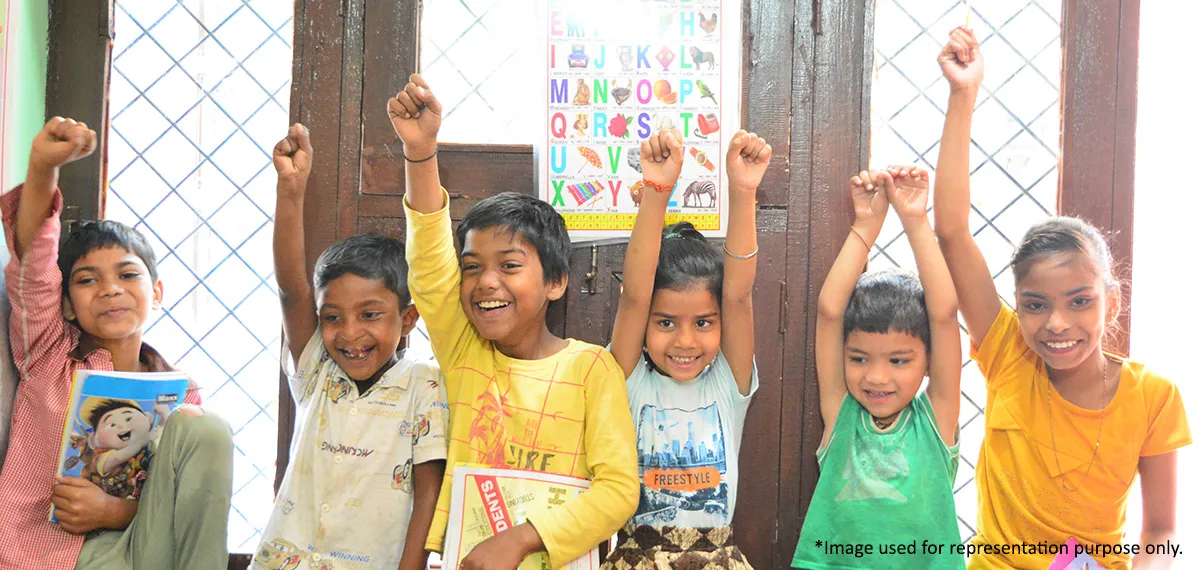
8 Ways To Empower Underprivileged Children
Empowering underprivileged children is crucial for creating a more equitable society. These children often face numerous barriers to education, healthcare, and safety. By focusing on their development and well-being, we can ensure they have the opportunities to reach their full potential. Keep reading to know more!
Also Read: Child Labor Facts
Importance of Child Empowerment
Child empowerment is important in building a brighter future for individuals and society. By providing children with the tools and opportunities to grow, we enable them to thrive and reach their full potential. Here are some key benefits of empowering children:
Break the Cycle of Poverty
Empowered children are more likely to break free from the cycle of poverty. Access to education, skills training, and opportunities helps them improve their socioeconomic status, ensuring a better future for themselves and their families. By giving children the resources they need, we help uplift entire communities and reduce the long-term impact of poverty.
Boost Self-Esteem
Empowering children boosts their confidence and self-esteem. Children who can make choices, express themselves, and achieve goals build a strong sense of self-worth. This confidence carries over into all areas of their lives, positively affecting their academic, social, and personal development.
Also Read: What is Malnutrition
Foster Resilience
Empowered children develop resilience, learning how to handle adversity and setbacks. They become better equipped to navigate challenges, adapt to change, and maintain a positive outlook with the right support. Resilience helps children bounce back from difficulties, fostering growth in their personal and academic lives.
Encourage Active Citizenship
Empowerment encourages children to become active, responsible citizens. By teaching them the importance of community engagement, advocacy, and social responsibility, we inspire them to contribute positively to society. These children grow up to be informed, engaged individuals who work toward creating change and improving their communities.
Also Read: Protect Underserved Children
8 Ways to Empower Underprivileged Children
Empowering underprivileged children is vital for breaking the cycle of poverty and ensuring they have the tools to thrive. By focusing on providing them with opportunities in education, health, and personal development, we can create a foundation for their future success. Here are eight impactful ways to empower these children:
Provide Access to Quality Education
Quality education is a powerful tool that can change a child’s life trajectory. For underprivileged children, access to education provides the opportunity to develop essential skills, critical thinking, and a sense of self-worth.
Supporting education through scholarships, infrastructure improvements, and trained teachers ensures these children have the knowledge they need for a brighter future.
Encourage Participation in Extracurricular Activities
Extracurricular activities such as sports, music, and the arts allow children to explore their passions and talents. They also help build teamwork, leadership, and communication skills.
Encouraging children to participate gives them opportunities to grow beyond the classroom, boosts their confidence, and broadens their perspectives.
Also Read: Breaking Poverty’s Submission Hold
Foster a Supportive Environment
A supportive environment plays a crucial role in a child’s development. Children from underprivileged backgrounds often face additional challenges, so it’s vital to create spaces where they feel safe, respected, and encouraged.
This environment, whether at home or school, helps them build emotional resilience and offers the support they need to thrive in the face of challenges.
Also Read: Stem Activities for Kids
Teach Life Skills
Teaching life skills such as problem-solving, time management, and decision-making can empower underprivileged children to handle everyday situations. These skills enable children to become more independent, improve their ability to deal with adversity and prepare them for life beyond education.
Also, we at CRY America help children develop into well-rounded, functional individuals by integrating life skills into their learning.
Also Read: An Ambassador Grows in Madanapalle
Promote Health and Nutrition
Good health is the foundation for both learning and growing. Underprivileged children often suffer from malnutrition or lack of access to healthcare, which can affect their academic performance and overall development.
Promoting health and nutrition ensures they are physically prepared to engage in school and extracurricular activities, leading to better long-term outcomes in education and personal development.
Encourage Volunteerism and Community Service
Involving children in volunteer work and community service allows them to understand the value of giving back. It builds empathy, responsibility, and a strong sense of community. By participating in these activities, children learn the importance of helping others, which can help instill a sense of purpose and social responsibility throughout their lives.
Create Safe Spaces for Expression
Allowing children to express themselves freely is essential for their emotional and social development. Whether through art, writing, or conversation, safe spaces provide children a platform to share their thoughts and feelings. This helps them process their emotions and fosters creativity and problem-solving abilities that will benefit them throughout life.
Ensuring Advocate for Their Rights
Advocating for the rights of underprivileged children is crucial in ensuring they them to have the opportunities to succeed. This includes fighting for their education rights, abuse protection from child labor, child marriage, abuse, and access to healthcare access.
These advocacy efforts help raise awareness, create laws, and push for policy changes that can improve the lives of children across the globe, ensuring they receive the support and opportunities they deserve.
Also Read: Child Labor
How is CRY America Working to Empower Underprivileged Children?
CRY America empowers underprivileged children by addressing their immediate needs and ensuring long-term development. We focus on providing access to education, healthcare, and protection from child labor, child marriage, and abuse.
Through partnerships with local grassroots organizations and initiatives, CRY America actively works on helping underprivileged children create sustainable change in marginalized communities. Our programs emphasize the importance of early childhood education, improving healthcare services, and promoting children’s rights.
CRY America also advocates for policy changes that protect children’s rights, ensuring that children from underprivileged backgrounds can thrive in a safe, supportive environment.
Also Read: Effects Of Child Labor
Conclusion
Empowering underprivileged children is not just about providing basic needs; it's about giving them the tools to build a better future. With the right support, education, and resources, these children can overcome challenges and contribute to their communities, leading to lasting change. Organizations like CRY America are also working tirelessly to break these barriers, providing children with access to education, healthcare, and protection from exploitation.
Also Read: International Day of Volunteering
FAQs
What role do extracurricular activities play in child empowerment?
Extracurricular activities help children develop leadership, teamwork, and time management skills. These activities also boost self-confidence and allow children to explore their talents.
How does health and nutrition impact child empowerment?
Proper health and nutrition are critical for a child's physical and cognitive development. Good nutrition enables children to focus better, perform academically, and participate actively in various empowerment opportunities.
What is the role of Indian community service in empowering children?
Community service in India exposes children to social issues, teaching them empathy and responsibility. It also encourages them to contribute to their community, helping foster a sense of purpose and self-worth.
How can schools promote child empowerment?
Schools can empower children by providing a safe learning environment, offering leadership opportunities, and fostering critical thinking. Encouraging student involvement in decision-making and extracurricular activities also enhances their sense of agency.
How do safe spaces for expression help in child empowerment?
Safe spaces for expression empower children by giving them a secure environment to share their thoughts, feelings, and concerns without fear of judgment or punishment. These spaces help build confidence, self-esteem, and communication skills, enabling children to make informed decisions and advocate for their rights. They also foster peer support, encourage problem-solving, and create opportunities for learning life skills. By providing a voice and agency, safe spaces lead to child empowerment, helping children develop resilience and a sense of ownership over their personal growth and future.
What role do community leaders play in empowering children?
Community leaders play a crucial role in supporting and uplifting children by shaping social norms and influencing public attitudes. They can advocate for children’s rights, speak out against harmful practices like child marriage or child labor, and support access to education and healthcare. Leaders can also accelerate change by partnering with NGOs and Child Protection Committees working in their areas on health, education, and child protection. By mobilizing communities and endorsing such initiatives, leaders make a difference in helping underprivileged children access safer environments where they can grow, learn, and have their rights respected.
How can digital literacy empower underprivileged children?
In marginalized communities, digital literacy plays a key role in empowering children by providing access to information, educational resources, and online learning opportunities that might otherwise be unavailable. It also prepares them for future education and careers. Additionally, digital literacy connects children to wider communities, mentorship programs, and skill-building platforms, enabling them to explore new opportunities, voice their ideas, and overcome social and economic barriers, ultimately helping them break cycles of poverty and inequality.
Also Read: Effects of Social Media on Children
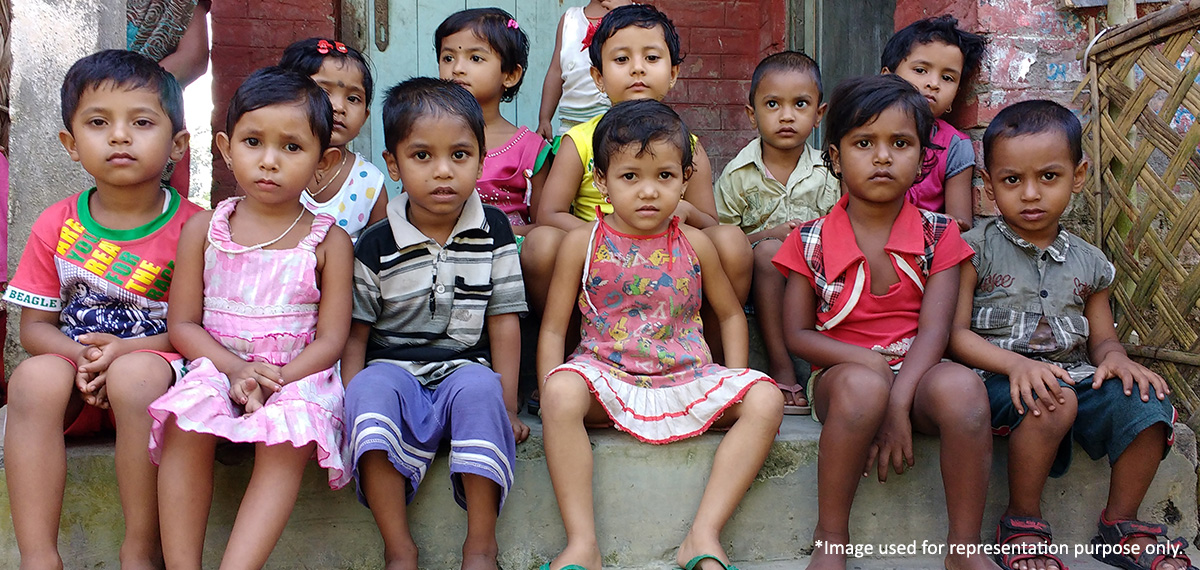
Child Labor: Meaning, Causes and Different forms
Child labor is a pressing issue that affects millions of children worldwide. Millions of children worldwide are forced into work, but many are unaware of the child labor meaning and how it affects their rights, health, and future opportunities. Hence, understanding what is child labor and its impact is essential to advocating for their rights and bringing about meaningful change. Read on for more.
Let's Understand What is Child Labor
Child labor refers to the practice of employing children in work that is detrimental to their physical, mental, and emotional well-being. It includes various activities that prevent children from enjoying their right to a safe and healthy childhood, particularly those that interfere with their education.
Moreover, child labor or child work is more common in industries such as agriculture, manufacturing, mining, and domestic work, where children may work long hours under hazardous conditions. This type of labor can limit their educational opportunities and restrict them in a cycle of poverty that is hard to break away from.
Also Read: Securing India's Future from Child Labor
Overview of Different Forms of Child Labor
Child labor manifests in various forms, each affecting children’s lives in unique ways. Here’s an overview of the most common types of child labor:
- Agricultural labor: Many children work on farms, often performing physically demanding tasks such as planting, harvesting, and tending to livestock.
- Domestic work: Some children are employed as domestic workers, where they may have to work long hours against minimal pay and potentially face abuse.
- Manufacturing and industrial work: Children may work in factories, producing goods under dangerous conditions. They often handle heavy machinery or toxic materials, putting their safety at risk.
- Street work: Many children work on the streets, selling goods or begging to support their families. This type of labor exposes them to exploitation and violence, impacting their safety and well-being.
Also Read: Securing India's Future from Child Labor
Key Changes in Legislation and Societal Views about Child Labor
In 2024, the conversation around child labor has evolved in India, with more states undertaking additional legislative efforts against it. Here are the key developments:
- Since 2021, 28 states have introduced bills to relax child labor laws, with 12 states actively enacting these changes.
- 14 states are pushing for stronger child labor protections in 2024, up from 11 in 2023 (Source: Economic Policy Institute, 2024).
Recent Data on Child Labor Incidence Worldwide
Child labor is not just a pressing issue in India but also a global concern. Here are some key data points regarding the prevalence of child labour globally:
- Sub-Saharan Africa has more children engaged in child labor than all other regions of the world combined (Source: Statista, 2024).
- Approximately 5% of children are engaged in child labor in Latin America, the Caribbean, the Middle East, and North Africa.
- While boys and girls participate equally in child labor, girls are more likely to be involved in unpaid household tasks (Source: Unicef, 2023).
Also Read: Rural Workers’ Development Society - Re-enrollment of Child Labor
What are the Causes of Escalating Child Labor
Child labor is a pressing issue that affects millions of children worldwide. Some key factors that influence the prevalence of child labor are:
Economic Factors
Some families and communities perceive benefits of child labor, such as additional household income or help with family work. However, these short-term “benefits” come at a tremendous cost to children’s health, education, and long-term well-being, trapping them in cycles of poverty and limiting their future opportunities.
Social and Cultural Influences
In some communities, working at a young age is considered acceptable or even expected. This mindset can prevent families from recognizing the value of education, which keeps children trapped in cycles of labor instead of allowing them to pursue education.
Legal and Institutional Gaps
Many countries lack strict regulations against child labor, or existing laws are not enforced effectively. This creates an environment where child labor can thrive without consequence, leaving children vulnerable to exploitation and depriving them of their rights.
Also Read: Combating Child Labor for a Promising Future for India’s Children
Impact of Child Labor on Children's Health and Well-Being
When children are forced to work instead of going to school, they face numerous challenges, such as:
- Physical harm: Children working in factories are exposed to dangerous working conditions, leading to injuries, chronic illnesses, and in some cases, permanent disabilities.
- Mental health issues: Constant stress and overwork can result in anxiety, depression, and low self-esteem, affecting their emotional development.
- Educational setbacks: Child labor interferes with education, limiting their future opportunities and restricting them in a cycle of poverty.
Also Read: Women Empowerment Through Education
How Does Cry America Help Combat Child Labor
At CRY America, we tackle child labor through a comprehensive, community-based approach. Our efforts focus on prevention, rescue, and rehabilitation to ensure lasting change. Here’s how we make a difference:
- We monitor school attendance closely and work with local communities to identify at-risk children before they enter the workforce.
- By working with law enforcement, we identify and rescue children from hazardous work environments, providing immediate shelter and medical care.
- Through regular awareness campaigns, we help shift community attitudes about child labor and education.
Moreover, since 2004, we’ve helped eradicate 2,585 villages from child labor and brought 4,334 rescued children back into formal education.
Also Read: Enrollment of Child Labor
Conclusion
The fight against child labor demands collective action from governments, organizations, and individuals. By raising awareness, supporting effective legislation, and promoting education, it is possible to break the cycle of poverty and prevent exploitation.
Together, let’s commit to creating a world where every child has the opportunity to thrive, learn, and grow in a safe and nurturing environment.
Also Read: Child Empowerment
FAQs
How can education help combat child labor?
Education is a powerful tool in the fight against child labor because it provides children with essential skills and knowledge, which enable them to pursue better employment opportunities in the future. When children enhance their learning through education, they are less likely to be exploited for labor. It also helps families recognize the long-term benefits of schooling over short-term income.
What roles do governments and organizations play in addressing child labor?
Governments and organizations play important roles by implementing and enforcing laws that prohibit child labor and promoting social programs that provide support to affected families. Additionally, they spread awareness about the importance of education and advocate for children’s rights to create environments where child labor is no longer normalized.
How is child labor different from acceptable work for children?
Child labor typically refers to work that is detrimental to a child’s physical, mental, or emotional well-being, often interfering with their education and development. In contrast, acceptable work for children, such as light chores or part-time jobs, is age-appropriate and allows them to gain skills and contribute to family life without interfering with their education.
What are the recent global trends in child labor?
Recent global trends show a concerning increase in child labor, with estimates indicating that around 160 million children are engaged in child labor. Factors influencing this rise include economic downturns, armed conflict, and the COVID-19 pandemic, which have pushed more children into labor as families struggle to survive.
Also Read: Child Labor in India
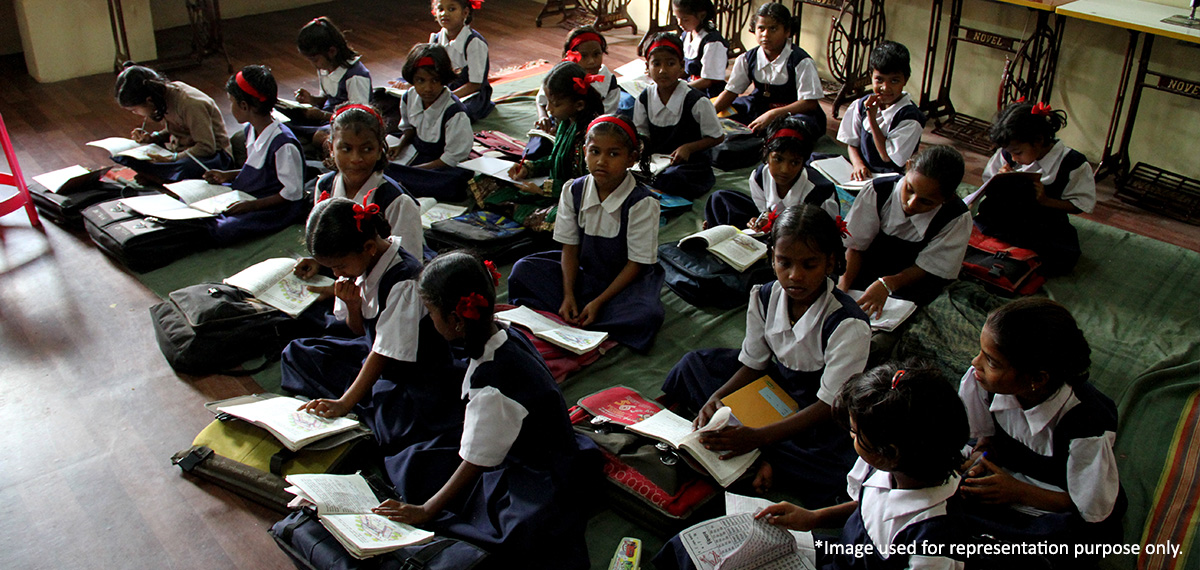
Importance of STEM Education for Children
Summary/TL;DR
STEM education (Science, Technology, Engineering, and Mathematics) is crucial for fostering innovation and preparing students for the future. The importance of STEM education lies in its ability to build critical thinking, problem-solving, and collaboration skills. These skills empower children to thrive in an increasingly tech-driven world. By integrating real-world applications and hands-on learning, STEM education provides the foundation for future success in a wide range of fields, from healthcare to engineering. Promoting STEM education today ensures a brighter, more innovative tomorrow for the next generation of leaders and problem-solvers.
Early STEM education is essential for developing the skills young learners need to succeed in an increasingly complex world. By introducing science, technology, engineering, and mathematics at an early age, children cultivate critical thinking, creativity, and problem-solving abilities.
These skills are crucial for navigating challenges and seizing opportunities in the future. Read on to learn more about the importance of STEM education and how early STEM education can shape future innovators and prepare them for success.
What is STEM Education?
STEM education refers to a teaching approach that focuses on the subjects of science, technology, engineering, and mathematics. This approach emphasizes hands-on learning and real-world applications, encouraging students to engage with these fields in a practical way.
Basically, STEM education goes beyond traditional classroom learning. It integrates these subjects, showing how they connect and interact in the real world. For example, a project might involve using mathematics to design a structure, applying scientific principles to understand how it works, and utilizing technology to create a prototype.
The goal of STEM based learning is to develop critical thinking, creativity, and problem-solving skills. It prepares students not only for careers in STEM fields but also for everyday challenges. As the demand for skilled professionals in these areas persistently grows, understanding what STEM education is becomes increasingly important for anyone looking to succeed in a modern workforce.
Also Read: Early Education
What Does STEM Stand For?
STEM stands for Science, Technology, Engineering and Mathematics. It refers to education and career fields that link these disciplines and highlight their practical, real-world use. The STEM approach encourages students to apply knowledge, solve problems and think creatively across subjects rather than studying each in isolation. By integrating these areas, STEM education aims to build strong analytical and innovative skills, preparing learners for future careers and helping them navigate an increasingly technology-driven world.
The Importance of STEM Education
STEM education equips individuals with the skills and knowledge needed to succeed in various fields. Some of the benefits of stem education include:
Critical Thinking and Problem-Solving Skills
STEM-based learning builds your ability to think critically and solve complex problems. You learn to analyze situations, evaluate different options, and develop practical solutions, which are crucial skills in both academic and real-world settings.
Career Opportunities
Engaging in STEM-based learning and education opens doors to a wide range of career paths. Many high-demand jobs in technology, engineering, and healthcare require a solid understanding of STEM subjects, making you more competitive and prepared for the job market.
Innovation and Creativity
STEM education encourages you to think creatively and innovate. You learn to design, invent, and improve existing ideas, which are essential for driving progress and finding new solutions to everyday challenges.
Preparation for the Future
Participating in STEM-based learning prepares you for future challenges. As technology evolves, understanding STEM concepts becomes increasingly essential, helping you adapt and thrive in a world that relies on scientific and technological advancements.
Collaboration and Teamwork
STEM education often involves group projects that teach you how to work effectively with others. Collaboration is a crucial aspect of most professions, and learning to communicate and cooperate with teammates sets you up for success in the workplace.
Also Read: Rural Education NGO
STEM Education Advantages
STEM-based learning is not just about learning facts; it is a powerful method that significantly impacts your academic journey and future career. Some benefits of STEM education are:
Enhanced Academic Performance
Participating in STEM education often leads to improved academic performance. Engaging in STEM-based learning helps you develop critical problem-solving and analytical skills, making it easier to grasp complex concepts, particularly in math and science.
Increased Engagement and Motivation
STEM education keeps you engaged and motivated to learn. Through hands-on projects and interactive activities, you become more involved in the learning process, which helps maintain your focus and interest. This approach makes learning enjoyable and encourages you to explore topics in depth.
Empowerment Through Knowledge
Gaining knowledge in STEM subjects empowers you to tackle challenges with confidence. As you learn to think critically and make informed decisions, you develop a sense of control over your education and your future, which in return boosts your self-esteem and independence.
Real-World Applications
STEM-based learning illustrates how theoretical concepts apply to everyday life. Whether it’s understanding how technology works in your home or finding solutions to community issues, you recognize the relevance of what you learn. This approach improves your connection to the real world. Therefore, it makes the learning experience meaningful and motivates you to apply your knowledge practically in different aspects of your life.
Also Read: Youth Empowerment Through Education
The Global Importance of STEM Education
Global STEM education plays a crucial role in helping societies address major challenges such as climate change, public health issues and sustainable development. It drives economic growth by encouraging innovation and preparing people for the rapidly expanding technology-focused job market. STEM learning also strengthens essential skills, including critical thinking, creativity and problem-solving. By building strong foundations and improving career opportunities, it empowers individuals to develop practical solutions for changing global needs. Overall, STEM education supports long-term progress, resilience and competitiveness in an increasingly complex and interconnected world.
How STEM Education Addresses Future Challenges
STEM learning builds the skills and mindset needed to thrive in a fast-changing, technology-driven world.
- Develops key abilities such as analytical thinking, logical reasoning, and systematic problem-solving.
- It drives innovation and economic growth by preparing learners for high-tech and green industries.
- Equips the future workforce with skills for emerging fields like data science and software development.
- Supports solutions to global issues, including climate change and public health.
- Connects theory to real-world tasks through hands-on learning.
- Fosters adaptability and lifelong learning.
How Does CRY America Support Children in Getting Access to Education?
At CRY America, we play an important role in ensuring that underprivileged children can access quality education to help them build a brighter future. Here’s how we do this:
Early Childhood Education
CRY America understands the importance of early development. Through programs designed for children aged 0 to 3 years, the organization helps nurture their learning abilities. This foundational support aids intellectual and cognitive development, setting the stage for lifelong learning.
School Readiness
For children between 3 to 6 years old, CRY America emphasizes school readiness. By providing access to preschool programs through Anganwadis (community centers), we ensure that children develop essential knowledge and skills required for further education and schooling. This preparation equips them to transition smoothly into formal schooling, ensuring they are ready to learn.
Learning Outcomes
CRY America is dedicated to helping children aged 6 to 18 enroll in school and complete their education successfully. The organization implements programs aimed at enhancing learning outcomes, ensuring that children receive age-appropriate education that positively influences their academic progress.
Through these initiatives, CRY America has impacted the lives of over 796,919 children, with 337,299 children currently enrolled in school.
The Role of STEM in Encouraging Gender Equality
STEM education plays a meaningful role in advancing gender equality by opening opportunities and strengthening essential skills.
- It develops problem-solving, critical thinking and creativity, providing a strong foundation for success in any career.
- It empowers women to make informed decisions, achieve financial independence and take on leadership roles.
- It helps break long-standing stereotypes by showing that women can excel in fields traditionally dominated by men.
- It supports economic growth and innovation, as diverse STEM teams contribute stronger ideas and solutions to major global challenges, from public health to climate change.
Wrapping up
The importance of STEM education early in the learning process cannot be overstated. It provides children with essential skills that promote problem-solving, collaboration, and innovation. Basically, by prioritizing STEM learning in the early years, we nurture the next generation of thinkers and creators, paving the way for a brighter and more innovative future.
Also Read: Equity in Education
FAQs on Importance of Stem Education
Why is early childhood exposure to STEM important?
Early exposure to STEM (science, technology, engineering, and math) is crucial because it nurtures children’s natural curiosity and builds foundational skills like critical thinking, problem-solving, creativity, and collaboration. Hands-on, playful activities help children explore the world, ask questions, and test ideas, making learning engaging and meaningful. STEM also strengthens digital literacy, supports interdisciplinary learning, and fosters confidence, innovation, and teamwork. Starting young ensures children develop skills and habits that prepare them for future academic success and real-world challenges.
Can STEM education be inclusive of all learning styles and abilities?
Yes, STEM education can include all students by using flexible lesson plans, personalized learning, and resources that support different abilities. Activities like hands-on projects and group work help students learn in ways that suit them best. Focusing on students’ strengths, building confidence, and linking STEM to real-life problems ensures that every child, including those with learning differences or disabilities, can participate, succeed, and feel capable.
What are some real-world applications of STEM education in everyday life?
STEM education equips students with problem-solving, critical thinking, and technical skills that apply to everyday life. For example, understanding basic engineering can help design safer homes or water systems, math skills assist with budgeting and planning, and technology knowledge improves access to online resources and services. In marginalized communities, STEM can empower youth to create local solutions such as renewable energy projects, clean water systems, or low-cost healthcare innovations, helping improve living conditions, promote economic opportunities, and reduce social inequalities.
What are some career opportunities that STEM education can open?
STEM education leads to careers in engineering, medicine, data science, software development, biotechnology, renewable energy, robotics, research, and advanced manufacturing. It also opens roles in cybersecurity, environmental science, and AI, offering high-demand, well-paid opportunities across both traditional and emerging industries.
How does STEM education prepare students for the future?
STEM equips students with problem-solving, analytical thinking, digital literacy, and creativity. It prepares them to adapt to rapid technological change and understand complex systems. Through hands-on learning and real-world applications, students gain practical skills that support success in future industries and evolving global challenges.
How does STEM education impact long-term career success?
STEM strengthens foundational skills that remain valuable throughout a career. It builds adaptability, innovation, and confidence in handling complex tasks. With strong technical and analytical abilities, individuals are better positioned for advancement, leadership roles, and sustained employability in competitive, technology-driven sectors.
How can STEM education help close the skills gap in the workforce?
STEM education equips learners with the technical, digital, and problem-solving skills employers urgently need. It aligns training with industry demands, especially in data science, engineering, AI, and advanced technology. By preparing work-ready talent, STEM reduces shortages and supports a more resilient, future-ready workforce.
How to Stop Child Trafficking - 10 Ways Communities Can Help Stop Child Trafficking
Approximately 27 million people worldwide are victims of human trafficking, forced into labor, services, and commercial sex through manipulation, deceit, and coercion. Among the most at-risk groups are children, who are subjected to abuse and exploitation.
If you’re wondering how to help stop child trafficking, this article will highlight ten actionable ways communities can create safer environments for children. Keep reading!
Also Read: School Safety and Child Protection
Understanding Child Trafficking
Child trafficking is a grave issue that involves the illegal trade of children for labor, sexual exploitation, and other forms of abuse.
What Is Child Trafficking?
Child trafficking refers to the illegal recruitment, transportation, and exploitation of children for various forms of abuse, including forced labor, sexual exploitation, and even illegal adoptions. Understanding how to stop child trafficking begins with awareness, education, and community action to protect the most vulnerable children.
The Scope and Impact of Child Trafficking Globally
Child trafficking is a global crisis, with nearly one in every three victims of human trafficking being children. In some regions, such as West Africa and parts of the Mekong area, children make up the majority of trafficking victims. While trafficking often evokes images of international movement, most exploitation occurs close to home through domestic and intra-regional trafficking.
The Importance of Community Action in Preventing Trafficking
Effective community action can stop child trafficking before it starts, providing protection, support, and resources to those who need it most.
Why Community Involvement Is Essential
When communities are educated on the signs of trafficking, they are better equipped to spot suspicious behavior and take action. Also, by working together, communities can stop child trafficking by offering support systems, spreading awareness, and helping law enforcement track down traffickers.
10 Effective Ways Communities Can Help Prevent Child Trafficking
If you are wondering how we can stop child trafficking, here are ten practical ways your community can help:
1. Raising Awareness and Education on Child Trafficking
The first step in preventing child trafficking is awareness. Educate community members about the signs and risks of trafficking. Hold workshops, distribute materials, and utilize local media to spread information. By understanding how to stop child trafficking, people can better identify suspicious situations and take necessary action.
2. Reporting Suspicious Activities and Cases
If you notice anything unusual, don’t hesitate to report it. Encourage community members to report suspicious activities, such as children being accompanied by unfamiliar adults or showing signs of distress. The faster a situation is reported, the quicker authorities can investigate and stop child trafficking.
3. Strengthening Community Watch Programs
Encourage your neighborhood to set up or strengthen these programs with a focus on child trafficking prevention. By regularly monitoring activities in local areas, you can help identify potential trafficking situations early, reducing the chances of children being exploited.
4. Supporting Victim Rehabilitation and Reintegration
Helping victims of trafficking recover is just as important as preventing it. Communities should offer emotional, psychological, and financial support to help rehabilitate survivors. Providing access to education, counseling, and vocational training ensures that they can reintegrate into society and lead fulfilling lives. Supporting these efforts can help stop child trafficking in the long run.
5. Partnering with NGOs and Law Enforcement
Collaboration between communities, NGOs, and law enforcement is essential. Partnering with organizations like CRY America can enhance efforts to prevent child trafficking by providing resources, conducting awareness programs, and supporting survivors. Working closely with local law enforcement also ensures that traffickers are held accountable and children are protected.
6. Providing Education and Skill Development Opportunities
Communities can offer quality education and skill-building programs to help children stay engaged and avoid falling prey to traffickers. These opportunities equip children with the knowledge and skills to make better decisions and pursue safer, more stable futures.
7. Addressing Poverty and Vulnerability in At-Risk Populations
When families struggle financially, children are more vulnerable to exploitation. Communities should work together to reduce poverty by providing food, housing, and healthcare. By addressing these underlying problems, you can help reduce the risk of trafficking in at-risk populations.
8. Encouraging Safe Migration Practices
Migration, both internal and international, can sometimes lead to exploitation. So, educating families about safe migration practices and the risks associated with moving children without proper protection is important.
9. Advocating for Stronger Anti-Trafficking Laws
Stronger legal frameworks are essential for stopping trafficking. Advocate for policies that safeguard children from exploitation and punish traffickers. Support efforts should ensure that laws are enforced and offenders are held accountable. This advocacy helps create a legal environment where traffickers can no longer operate with impunity.
10. Promoting Child Safety and Digital Awareness
Communities should educate both children and parents about the dangers of the internet, how to stay protected online, and how to report suspicious online activities. By promoting digital safety and awareness, you can help stop child trafficking that may occur through online platforms.
How CRY America Works with Communities to Prevent Child Trafficking
CRY America works closely with local communities to stop child trafficking and create a safer environment for children. Here’s how you can understand, support, and even contribute to these efforts:
Also Read: Child Empowerment
- CRY America partners with community members to educate them on the risks and signs of child trafficking.
- In many villages, CRY America helps form child protection committees. These committees are trained to monitor and report suspicious activities and provide direct support to families.
- By encouraging school attendance and providing educational resources, CRY America helps children stay engaged in safe environments, away from the risks of trafficking.
- CRY America assists families by connecting them with resources and support programs to improve financial stability.
Moreover, CRY America actively tracks the impact of these initiatives. CRY America ensures its approach remains effective and sustainable by measuring the number of children protected, villages safeguarded, and children re-integrated into schools.
Also Read: Online Safety for Children
Conclusion
In conclusion, communities play an important role in preventing child trafficking by staying informed, building strong networks, and taking proactive steps to protect children. Whether it’s through education, creating awareness, or supporting at-risk families, each effort contributes to stopping child trafficking.
Supporting CRY America’s work through donations helps expand these programs. Your contribution goes directly towards the fight to stop child trafficking, create safer communities, and secure a brighter future for children. If you want to learn how you can donate to stop child trafficking or get involved in other ways, visit CRY America’s website and join the mission.
FAQs
What Happens to Trafficked Children?
Trafficked children face severe physical, emotional, and social consequences. Many are forced into child labor, domestic work, or commercial exploitation, including sexual abuse. They often endure physical violence, neglect, and malnutrition, which affect their health and development. Trafficking disrupts their education and social connections, leaving them isolated and vulnerable. Psychologically, these children may suffer from trauma, anxiety, and long-term emotional scars. Without timely intervention, they can become trapped in cycles of exploitation and poverty.
What is the connection between poverty and child trafficking?
Poverty is a major driver of child trafficking. Families living in extreme poverty often struggle to meet basic needs such as food, shelter, and education, making children vulnerable to exploitation. Traffickers take advantage of this vulnerability, offering false promises of jobs, education, or a better life. Children from impoverished families may be forced into labor, domestic work, or sexual exploitation to help support their households. In this way, poverty creates the conditions that traffickers exploit, perpetuating cycles of exploitation and hardship.
Can child trafficking happen in developed countries?
Yes, child trafficking can and does happen in developed countries. While the forms may differ, children in wealthy nations are still vulnerable to sexual exploitation, forced labor or being made to do household chores without pay. Kids who run away from home, are homeless, or face neglect are especially at risk. Traffickers take advantage of these situations by offering false promises of money, shelter, or care. Often, trafficking happens quietly at home, in communities, or even online.