











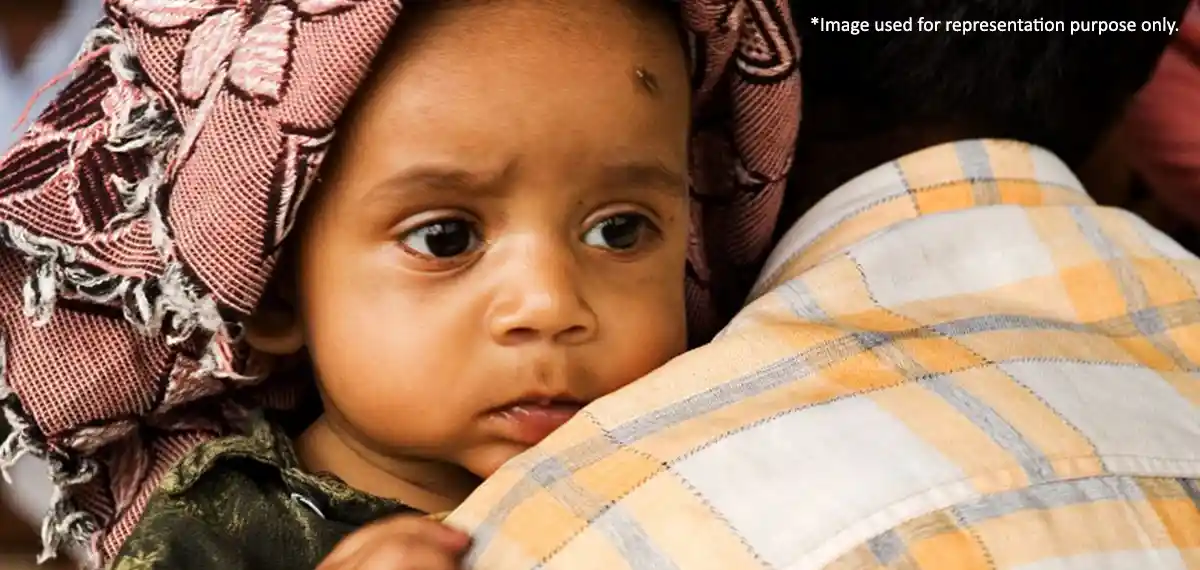
Understanding the Neonatal Mortality Rate in India: Why Every Life Matters
Summary/TL;DR on Neonatal Mortality Rate
Neonatal mortality, defined as the death of a baby within the first 28 days of life, has seen a decline from 52 to 28 per 1,000 live births since 1990, yet challenges persist. Key contributors to neonatal mortality include infections, birth complications, and inadequate maternal care, particularly in low-income nations. In India, the Neonatal Mortality Rate (NMR) stands at 20 per 1,000 live births, indicating significant room for improvement, as most infant deaths occur during this critical period. Major causes include premature birth, low birth weight, and infections, often exacerbated by poor healthcare access and socio-economic disparities. Strategic interventions, like enhancing perinatal care, maternal nutrition, and healthcare facilities, are crucial for reducing neonatal deaths. Organizations like CRY America aim to improve maternal and neonatal health services, ensuring access to necessary care and raising awareness to empower communities for better healthcare seeking behaviors.
While the neonatal mortality rate (NMR) has dropped from 52 to 28 per 1,000 live births since 1990, progress has been slow.
Poor maternal care, infections, lack of timely intervention, and weak health infrastructure continue to threaten newborn lives. Rural-urban gaps and economic inequality worsen the situation. The first 28 days of life remain the most dangerous.
This blog will delve into what NMR is, the reasons behind its stubborn numbers, and practical ways to reduce them.
Also Read: Anemia in Children
What Is Neonatal Mortality?
Neonatal mortality implies the death of a baby within the first 28 days of life. These deaths usually happen due to issues like infections, birth injuries, premature delivery, or a lack of proper medical care.
Also Read: Role of Nutrition
Definition and Global Perspective
The neonatal mortality rate (NMR) refers to the number of newborn deaths within the first 28 days of life per 1,000 live births. Globally, an estimated 2.3 million babies die during this period each year.
Most of these deaths happen in low and lower-middle-income countries.
High NMR points to poor access to healthcare, low institutional deliveries, and delayed care. Countries focusing on early antenatal checkups, skilled birth attendance, and essential newborn care tend to show lower NMR levels.
Difference Between Neonatal and Infant Mortality
Neonatal mortality refers to deaths within the first 28 days of life. Infant mortality includes both neonatal and post-neonatal deaths, covering the period from birth to one year. While both rates show the overall condition of child health, most infant deaths in India occur during the neonatal phase.
Here are some key differences between the two:
| Aspect | Neonatal Mortality | Infant Mortality |
| Age Group | Birth to 28 days | Birth to 1 year |
| Main Causes | Birth complications, infections | Neonatal causes + malnutrition, diseases |
| Indicator Used | Neonatal Mortality Rate (NMR) | Infant Mortality Rate (IMR) |
| Focus Area | Newborn health | Overall infant care |
The Neonatal Mortality Rate in India: A Closer Look
The neonatal mortality rate (NMR) currently stands at 20 per 1,000 live births. This figure accounts for over 50% of total under-five deaths.
Targeted health programs have helped reduce numbers, but progress still needs major acceleration across several regions and social groups.
Current Statistics and Trends
- NMR in India is 20 per 1,000 live births (Sample Registration System, 2020).
- Over 70% of infant deaths occur during the neonatal period.
- The first week of life accounts for nearly 75% of neonatal deaths.
- Preterm birth complications, infections, and birth asphyxia are the leading causes of neonatal mortality.
- Girls face higher mortality due to gender-based disparities in care.
Major Causes of Neonatal Mortality in India
Most neonatal deaths in India occur within the first 24 hours of birth. Some major reasons behind this are:
Premature Birth and Low Birth Weight
Over 3.5 million babies in India are born preterm each year. Nearly half of neonatal deaths are linked to low birth weight and early delivery. These babies often need extended support after birth, including temperature regulation, feeding assistance, and infection control.
Many are discharged from Special Newborn Care Units while still vulnerable. Without consistent postnatal care and monitoring, risks of stunting, cognitive delays, or early death remain high. Strengthening maternal nutrition and antenatal care can reduce these risks significantly.
Infections and Birth Complications
Neonatal sepsis, pneumonia, and birth asphyxia contribute to a large number of newborn deaths. Poor hygiene during delivery, delayed breastfeeding, and lack of antibiotics increase infection risk. Additionally, inadequate handling of birth complications like obstructed labor can result in brain damage or death.
Lack of Access to Quality Healthcare
Many newborn deaths stem from gaps in quality rather than a lack of access. Although institutional births have increased, many facilities lack trained staff and functioning equipment. In rural and tribal areas, care remains particularly patchy.
For example, only 42.6% of newborns receive early breastfeeding, along with this, stillbirths and preventable deaths from asphyxia point to poor delivery standards.
Social Determinants and Maternal Health
Maternal health, poverty, and social inequity directly impact newborn survival. Women from tribal or poor communities often give birth at home without skilled help. These births carry higher risks of complications and death. Girls face more neglect, reflected in higher under-five mortality among females.
Early marriage, poor nutrition, and limited mobility worsen outcomes for mothers and babies.
Also Read: Prioritizing Health and Nutrition for At-Risk Children in India
Why Every Life Matters: The Human Cost of Neonatal Deaths
Neonatal deaths often go unreported or unnoticed, yet each loss reflects a failure in basic healthcare access. These deaths affect mothers mentally, strain families financially, and signal deeper public health gaps.
However, a lot of these deaths are preventable through timely care, clean deliveries, and maternal support. When society invests in neonatal care, it prevents lifelong trauma, builds healthier communities, and affirms that every child, regardless of where they’re born, deserves a fighting chance to live.
Strategies to Reduce Neonatal Mortality Rate in India
India’s neonatal mortality rate remains high due to factors like low birth weight, birth asphyxia, and infections. The government aims to address this by enhancing perinatal care and improving maternal health.
Similarly, increasing access to proper facilities and encouraging skilled birth attendance are essential steps for reducing neonatal deaths in both rural and urban areas.
Some other measures include:
- Training traditional birth attendants.
- Providing nutritional supplements for pregnant women.
- Ensuring adequate rest and healthcare during pregnancy.
- Establishing a reliable referral system for high-risk pregnancies.
- Raising awareness through mass communication about neonatal care.
How Can CRY America Help Combat Neonatal Mortality Rate in India?
CRY America can be crucial in addressing neonatal mortality in India by strengthening healthcare systems in rural and underserved areas. Through its partnerships, CRY America helps improve maternal health services, ensuring expectant mothers access proper prenatal and postnatal care.
By focusing on improving immunization coverage, promoting safe childbirth practices, and supporting healthcare infrastructure, CRY America works to reduce neonatal deaths. Additionally, it educates communities on the importance of early healthcare intervention and neonatal care, empowering families to seek timely medical attention for newborns. Donate online to NGO.
FAQs on Neonatal Mortality Rate
How is neonatal mortality rate different from infant mortality rate?
Neonatal mortality refers to deaths within the first 28 days of life. Infant mortality includes deaths within the first year. Neonatal deaths form a major share of infant deaths, often due to birth complications, infections, or prematurity. Infant mortality also includes post-neonatal causes like malnutrition or late-onset diseases.
What steps can be taken to reduce neonatal deaths?
Key measures include improving maternal nutrition, increasing skilled birth attendance, ensuring access to neonatal intensive care, and promoting early breastfeeding. Strengthening primary health care, ensuring clean delivery environments, and timely identification of infections also help.
How does CRY America contribute to lowering neonatal mortality rate?
CRY America funds grassroots health programs in underserved areas. It supports maternal health awareness, prenatal care, safe deliveries, and newborn monitoring. CRY also trains health workers, ensures immunization, and facilitates institutional births.

Role of Education Empowerment in Child Development
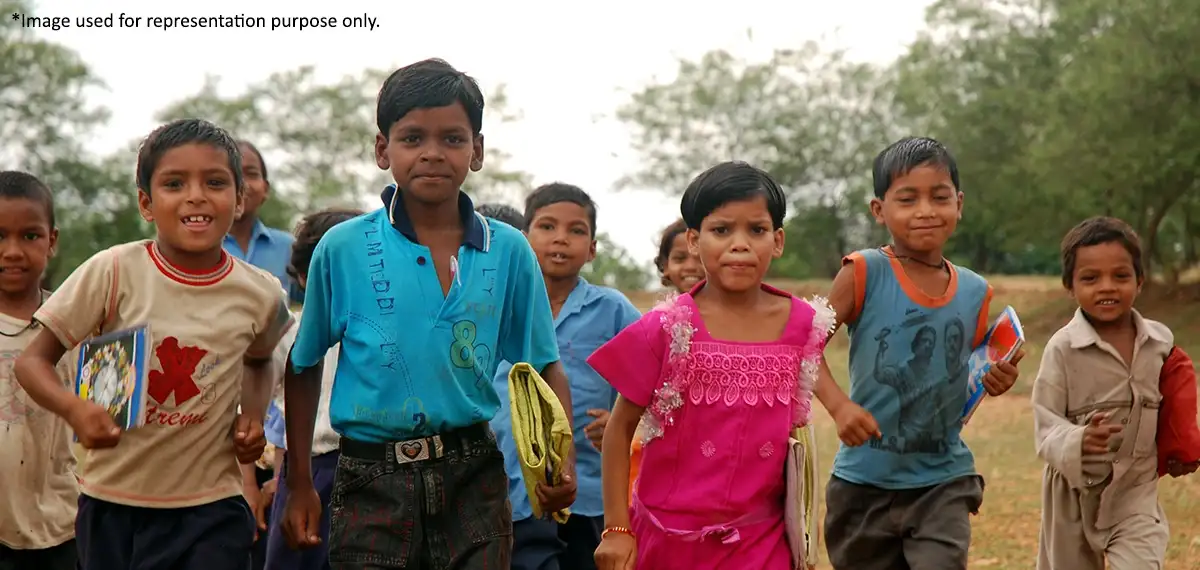
Education is a key tool for transforming the lives of underprivileged youth. It opens doors to better employment, enhances critical thinking, and breaks cycles of poverty. In many disadvantaged communities, access to quality education remains limited due to financial constraints, inadequate infrastructure, and societal barriers. Overcoming these challenges requires targeted interventions such as scholarships, community-based programs, and government policies. Read along to know more about Education Empowerment in Child Development!
Summary / TL;DR on Education Empowerment in Child Development
- Education equips underprivileged youth with skills, confidence, and opportunities to break cycles of poverty.
- Financial hardship, gender bias, poor infrastructure, and social norms continue to limit access to quality education.
- Targeted interventions such as scholarships, community programs, and policy support help close systemic gaps.
- Holistic education that includes life skills, vocational training, and civic engagement drives long-term empowerment.
- NGOs like CRY America play a critical role in ensuring access, retention, and quality learning for underserved youth.
Also Read: Protect Underserved Children
The Power of Education in Empowering Youth
Education equips youth with essential skills, knowledge, and confidence to take control of their future. It promotes informed decision-making, critical thinking, and self-reliance.
In India, initiatives like the Right to Education Act have opened doors, yet systematic gaps persist. Bridging these gaps is crucial for empowering youth for positive change.
With equal access, education fosters civic responsibility, boosts economic participation, and helps youth challenge social norms that limit progress. Empowered youth build stronger, more equitable communities.
Education as a Tool for Breaking the Cycle of Poverty
Education breaks generational poverty by enabling youth to secure stable livelihoods and demand their rights. Underprivileged children often lack access to quality education due to poverty, inadequate resources, malnutrition, and discrimination.
CRY’s grassroots efforts, like remedial education, community engagement, and support centers - create pathways for school retention and learning. Empowering youth through targeted academic and skill development reduces vulnerability and builds resilience.
What Is Education Empowerment? Meaning and Importance
Education empowerment refers to enabling youth with the knowledge, skills, and confidence needed to make informed life choices and participate meaningfully in society. For underprivileged youth, empowerment goes beyond literacy. It includes critical thinking, self-reliance, and awareness of rights. When education is accessible and inclusive, it strengthens economic participation, improves social mobility, and equips young people to challenge inequality. Empowered learners are better positioned to contribute to their communities and drive sustainable development.
Also Read: Bridging the Education Gap for Underprivileged Children
Challenges Faced by Underprivileged Youth in Accessing Education
Underprivileged youth face daily setbacks in accessing quality education. Many lack school infrastructure, trained teachers, or even basic supplies. Others struggle due to social and financial pressures.
Some of the most common challenges include:
Economic Barriers and the Need to Work
Poverty forces many children to prioritise earning over learning. Families with unstable income depend on them for extra wages. Such situations shift the focus from school to survival.
Even where schooling is free, indirect costs like books, uniforms, and transport add pressure. Some children take up jobs to support their families and younger siblings.
Gender Disparities and Social Norms
Girls often face early marriage, household responsibilities, or gender bias. These factors restrict their access to education. In several regions, families prefer educating sons, believing girls will marry and leave. Safety concerns and a lack of separate toilets also reduce attendance.
Breaking this pattern calls for awareness campaigns, laws against child marriage, incentives for girls' education, and school environments that ensure dignity and safety.
Also Read: Early Education
Poor Infrastructure and Lack of Resources
Many schools lack classrooms, electricity, water, or toilets. Some students learn under trees or in unsafe buildings. Others study without desks, books, or blackboards. Classrooms are overcrowded, and several students may share one textbook.
Teachers often manage without proper materials or training. These conditions hurt learning outcomes. Improved focus on funding for facilities, regular maintenance & digital learning tools, alongside adequate seating facilities, should be prioritised.
Social and Cultural Barriers to Education Access
Social and cultural barriers often prevent underprivileged youth from staying in school. Gender bias, early marriage, child labor, and entrenched beliefs about education’s value limit participation, especially for girls. Safety concerns, domestic responsibilities, and stigma around poverty further reduce attendance. In many communities, education competes with survival needs. Addressing these barriers requires community engagement, awareness campaigns, supportive policies, and school environments that promote dignity, inclusion, and equal opportunity.
Also Read: Child labor
Empowering Youth for Positive Change Through Education
Education builds the base for youth to take initiative, lead, and solve problems. It equips them with tools to adapt, communicate, and think clearly.
When education meets real-world needs, it prepares youth to challenge norms and contribute solutions. Here’s how we can do this:
Building Confidence, Leadership, and Life Skills
Confidence grows when youth are trusted with decisions and responsibilities. Programs focusing on leadership, communication, and teamwork teach them how to manage tasks and people.
Inculcating skills like financial literacy, emotional intelligence, and goal setting gives them better control over their lives. These skills can be developed through hands-on methods like debates, group projects & peer mentoring.
By promoting this approach, schools & community initiatives can help the youth believe in their potential. Individuals become more resilient & better prepared for setbacks or uncertainty.
Also Read: Rural Education NGO
Creating Opportunities for Employment and Innovation
Youth need access to training that aligns with current market needs. Jobs in tech, green energy, and creative fields demand digital and problem-solving skills. Vocational programs and entrepreneurship support help fill this gap.
When youth get exposure to internships, apprenticeships, and seed funding, they create solutions, not wait for them.
Innovation thrives when they are allowed to experiment and fail safely. Long-term change comes when education, business, and government work together to open these pathways.
Also Read: Education in Rural Areas
Encouraging Civic Participation and Social Responsibility
Youth want to be heard, not managed. Civic engagement gives them that voice. Students gain perspective when schools include discussions on policy, environment, and community issues.
Volunteering, local council projects, and youth-led campaigns build a sense of ownership. They learn that their voice shapes policy and drives reform. Social responsibility grows when participation is continuous, not limited to elections or events.
Educational Empowerment Examples: How Youth Are Transforming Their Lives
Educational empowerment is evident when youth reclaim their future through learning and skill-building. Access to schooling, digital literacy, and vocational training allows young people to move away from exploitative labor and toward stable careers. Many empowered youth become community role models, peer educators, or volunteers, reinforcing the value of education. These real-life transformations show how consistent academic support and mentorship can help underprivileged youth rewrite their life trajectories.
Also Read: Importance of Skill based Learning
Real-Life Impact: Stories of Empowered Youth
For underprivileged youth across India, access to education can be the difference between a life of exploitation and one of empowerment. Take 16-year-old Raju Kumar as an example.
Despite the high dropout rates among his peers, Raju had reached 10th grade and passed his board exam. However, when economic hardship struck his family, he abandoned his studies and traveled nearly a thousand miles to work in a diamond cutting factory in Gujarat. There, he faced hazardous working conditions, including exposure to "black diamond dust" and dangerous cutting tools, all for a meager monthly salary of $107.
CRY's project partner DEEP identified Raju's situation through their multi-layered intervention approach. After counseling sessions with Raju and his parents about the long-term consequences of child labor, DEEP helped him return home, re-enroll in school, and provided free computer training.
Today, Raju has graduated and is pursuing his dream of becoming a government officer. He now volunteers at DEEP's Digital Literacy Center, teaching computer skills to other at-risk children.
Broader Impact of Education on Underprivileged Youth
Education creates ripple effects that extend beyond individual success. Educated youth contribute to healthier families, stronger local economies, and more informed civic participation. They are more likely to advocate for social justice, gender equality, and environmental responsibility. Over time, education reduces vulnerability to exploitation and strengthens resilience against poverty. For underprivileged communities, investing in education is one of the most effective ways to achieve long-term social and economic progress.
Also Read: Barriers to Education
Strategies to Improve Education for Underprivileged Youth
Some strategies to improve education for underprivileged youth are:
- Strengthen government schools with trained teachers and inclusive methods.
- Create local learning hubs for remedial education and digital literacy.
- Offer free textbooks, uniforms, and transportation support.
- Encourage girl-child education through scholarships and mentorship.
- Involve communities in school improvement plans.
- Partner with NGOS to expand grassroots programs.
- Focus on health, nutrition, and hygiene to support learning.
- Promote awareness campaigns to empower youth for positive change.
Also Read: Enrollment of Child Labor
The Role of NGOs in Empowering Youth Through Education
NGOs improve education access by setting up learning centres, offering remedial classes, and training teachers in under-resourced areas. They distribute learning materials, provide digital tools, and support vocational training for employability.
NGOs also focus on dropout prevention, especially for girls, by addressing social barriers. Their localised approach helps empower youth through practical, continuous education aligned with regional needs.
Also Read: Importance of STEM Education
How CRY America Empowers Youth Through Education
CRY America supports underserved youth by funding education programs on access, retention, and quality learning. It activates public schools, forms children's collectives, and mainstreams rescued children into formal education.
Since 2004, over 340,000 children aged 6–18 have been enrolled in schools. CRY also partners with grassroots organizations to build sustainable academic ecosystems that reduce dropout rates and prevent child labor. Donate For Child Education
Also Read: Preschool Education in India
FAQs on Education Empowerment in Child Development
Why is youth empowerment important for India’s development?
Youth comprise over 30% of India's population. Empowering them with education, skills, and opportunities increases workforce quality, reduces unemployment, and boosts innovation. It directly impacts economic growth, gender equity, and social stability.
How can individuals or organizations help empower youth through education?
They can fund school infrastructure, provide scholarships, donate books or digital devices, and sponsor vocational training. Volunteering for teaching or mentoring also helps. Moreover, organizations can partner with NGOs like CRY America to scale impact. Supporting inclusive education policies and raising awareness about dropout rates are ways to create sustainable change.
What educational initiatives has CRY America implemented for youth?
CRY America supports bridge schools, remedial education programs, and school re-enrollment drives. It engages the community and drives infrastructure development, teacher training, and distributes learning materials. Our projects focus on dropout prevention, especially for girls, and address learning gaps through community-based academic support centres across rural and underserved regions.
Can education alone transform the lives of underprivileged children?
Education is critical, but not sufficient. Health, nutrition, safety, and family support must complement learning. Without addressing malnutrition, child labor, or gender bias, school attendance drops. Therefore, holistic interventions—healthcare, counselling, and skill-building—are essential to ensure education leads to long-term empowerment and improved life outcomes.
How does education empower underprivileged youth to break free from poverty?
Education equips underprivileged youth with literacy, skills, and confidence needed for stable employment and informed decisions. It improves earning potential, reduces dependence on informal labor, and enables access to rights and services. Over time, education breaks generational poverty by creating pathways to sustainable livelihoods and social mobility.
Why is it important to focus on both academic and life skills education for underprivileged youth?
Academic learning builds knowledge, while life skills such as communication, financial literacy, and problem-solving prepare youth for real-world challenges. Together, they strengthen resilience, adaptability, and employability. This balanced approach helps underprivileged youth navigate work, relationships, and civic life, ensuring education translates into practical, lasting empowerment.
What are the long-term benefits of educational empowerment for underprivileged youth?
Educational empowerment leads to higher incomes, better health outcomes, and stronger civic participation. Educated youth are more likely to delay early marriage, advocate for their rights, and support their families. Over time, communities benefit from reduced inequality, improved productivity, and a more skilled, socially responsible workforce.
How does education contribute to reducing child labor and trafficking in underprivileged communities?
Education keeps children in safe learning environments and reduces economic pressure to work. Schools and community programs identify at-risk children early, raise awareness, and connect families to support. Organizations like CRY America use education-focused interventions to prevent exploitation and promote long-term protection.
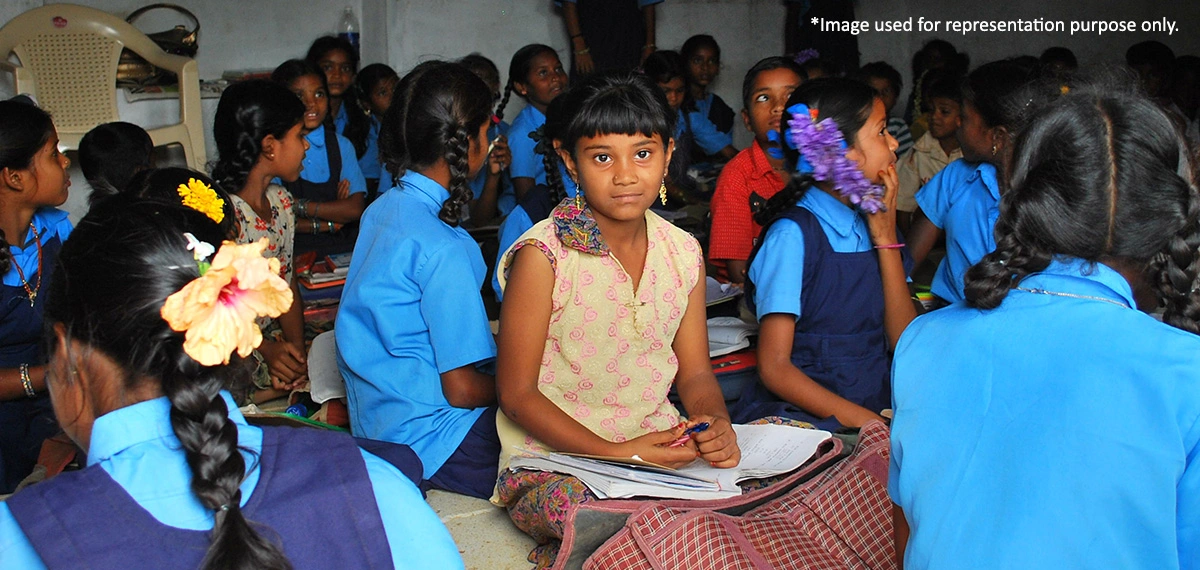
Overcoming Social Stigmas: The Journey of Girls Towards Education
Girls in India face deep-rooted social barriers to education—early marriage, safety concerns, poverty, and cultural bias. Despite progress, the literacy rate for girls hovers around 70.3%, exposing gaps in access and retention, especially in rural areas. Educating girls in rural India remains critical not just for gender equality but for long-term national development.
The State of Girls' Education in Rural India
Rural India shows progress in girls’ school enrolment, especially at the primary level. However, high dropout rates persist beyond elementary education, and girls face barriers in transitioning to higher levels.
Despite strong primary-level Net Enrolment Ratios, retention weakens significantly at secondary and higher secondary stages. Gender gaps also remain a concern across regions.
Also Read: Suggestions to Overcome Gender Stereotypes in India
Why Educating Girls in Rural India Remains a Challenge
The Net Enrolment Ratio for girls drops from 90% in primary to 48% in secondary and 35% in higher secondary levels. This signals major transition issues. Economic pressure, limited access, and cultural expectations disrupt continuity. The slight female advantage at all levels masks deeper challenges of retention.
Many districts lack support mechanisms to guide girls beyond elementary education. Without targeted programs for transitions, vocational options, and quality improvement, rural girls will continue to exit formal education early.
A Snapshot of Enrollment, Dropout, and Literacy Rates
From 2012 to 2022, girls' enrolment share dropped at the primary level but increased at secondary and higher levels. The NER shows a 42-point drop between primary (90%) and higher secondary (48%) levels.
Although enrolment has risen, dropout rates remain high. Rural girls face sharp falloffs after elementary education, reflecting economic barriers, insufficient infrastructure, and limited female role models.
Also read:- Importance & Advantages of Girl Child Education
Common Social Barriers to Girl Education
Social barriers remain a significant challenge for girls’ education in India. Gender stereotypes, early marriage, safety concerns, and poor school infrastructure limit girls' access to learning. These deep-rooted societal norms, especially in rural areas, prevent many girls from continuing their education and reaching their full potential.
Gender Bias and Traditional Roles
In many rural communities, traditional gender roles prioritize girls for domestic duties over education. This deeply ingrained bias sees girls’ education as less important than boys'. Societal expectations confine them to household chores.
Overcoming this requires challenging cultural norms through awareness campaigns and community discussions, illustrating the transformative power of education for girls and their communities.
Early Marriage and Safety Concerns
In certain vulnerable communities, early marriage remains a cultural norm that significantly hinders girls’ education. Marrying at a young age shortens their academic journey and creates long-term socio-economic disadvantages. This practice also raises safety concerns.
Addressing this requires community sensitization programs, working with leaders to delay marriages and promote education. Creating safe, supportive environments can help protect girls from these pressures while encouraging continued learning.
Lack of Sanitation and Infrastructure in Schools
Girls in rural areas face difficulty accessing education due to inadequate school infrastructure, particularly sanitation facilities. The absence of clean and private toilets can force girls to miss school during menstruation.
Additionally, overcrowded classrooms and poor teaching resources limit learning outcomes. Improving school infrastructure, providing sanitary products, and ensuring safe, hygienic facilities are critical to ensuring girls attend school regularly.
Also Read: Women Empowerment Through Education
Girls’ Education Challenges: Understanding the Root Causes
Social barriers, lack of school access, poverty, early marriage, and safety concerns limit girls education. Rural areas face higher dropout rates, with only 1% of girls reaching class 12.
Economic Hardship and Prioritization of Boys’ Education
Poverty forces families to prioritize immediate survival over long-term education. In low-income households, boys often receive preference for schooling due to perceived future earning potential. Girls are seen as economic burdens, leading to early dropout.
The cost of uniforms, books, and transport adds to the financial strain. Rural families expect girls to help with domestic chores or income-generating work. As a result, many eligible girls remain out of school despite free education under the Right to Education Act.
Influence of Cultural Norms and Community Pressure
Traditional norms and gender stereotypes reinforce the idea that girls belong at home. Early marriage, pressure to uphold family honor, and expectations of domestic roles reduce girls’ school attendance. Community elders often discourage girls’ mobility, fearing social backlash.
Education is seen as unnecessary for girls who will marry early. These beliefs are deeply embedded in rural communities, limiting long-term efforts to keep girls in school.
Limited Access to Female Teachers and Role Models
In rural India, many schools, especially in remote areas, lack female teachers. Parents hesitate to send daughters to male-dominated schools due to safety concerns. Girls feel more comfortable and supported when female teachers are present.
Programs like Shiksha Karmi train local women to teach, improving attendance. The lack of women in visible leadership also limits aspiration. Without relatable role models, girls struggle to envision academic or professional futures, which affects motivation and long-term educational commitment.
Also Read: Protecting Marginalized Girls
The Positive Impact of Educating Girls in Rural India
Educating girls in rural India leads to significant socio-economic improvements. It empowers them to make informed decisions. This boosts women's participation in agriculture, local businesses, and health sectors.
Educated women are more likely to invest in their children's education and health, creating long-term community benefits. It also strengthens gender equality and promotes sustainable development.
Success Stories: Girls Who Overcame the Odds
In rural India, social stigmas often block girls' paths to education. Yet some stories shine brightly against this challenging backdrop, demonstrating how determination can triumph over deeply entrenched barriers.
Disha, from a small Tamil Nadu village, faced the typical obstacles—limited resources, distant schools, and cultural pressure to marry young. After her elder sister abandoned education for marriage after 11th grade, Disha's family expected her to follow suit. Instead, she dared to dream differently.
CRY's timely intervention proved transformative. Recognizing her potential, their team convinced her hesitant parents of the value of education. With this crucial support, Disha excelled academically, scoring an impressive 91% in her 12th-grade examinations.
Despite initial setbacks in clearing the NEET, Disha persisted. With CRY's continued backing, she joined a coaching program and succeeded on her second attempt with a score of 449, securing admission to Erode Government Medical College. Her journey from a marginalized background to a medical student demolished expectations and reshaped possibilities for her entire community.
Also Read: Gender Stereotypes in India
Solutions to Break the Cycle of Social Stigma
Here are some potential solutions that can help break the cycle of social stigma:
- Community Awareness Programs: Raise awareness on the importance of girls’ education through local campaigns, emphasizing long-term benefits for families and communities.
- Government Schemes: Strengthen financial support like scholarships, conditional cash transfers, and mid-day meal schemes to reduce economic barriers.
- Improved Infrastructure: To address safety concerns, enhance school facilities, especially in rural areas, with separate toilets and safe transportation.
- Engage Religious Leaders: Collaborate with local religious and cultural leaders to challenge harmful traditions like early marriage.
- Female Role Models: Promote female teachers and leaders to inspire girls and counter traditional gender norms in rural India.
Also Read: What is Gender Inequality?
How CRY America Supports Girls’ Education in Rural India
CRY America actively supports girls' education in rural India by addressing key barriers. The organization focuses on community mobilization, teacher training, and improving school infrastructure. It runs gender-sensitive programs to encourage girls’ enrollment and reduce dropout rates.
Through digital learning initiatives, CRY provides remote education so rural girls can access quality resources.
Also Read: Protecting Marginalized Girls
FAQs
How does educating girls benefit the entire community?
Educating girls leads to higher economic productivity, improved health outcomes, and better societal stability. Educated women are more likely to invest in their families’ well-being. It leads to a positive cycle of empowerment, reduced poverty, and enhanced community development, thus benefiting society.
What are some successful interventions to promote girls’ education?
Successful interventions include providing scholarships, building gender-sensitive schools, and promoting awareness campaigns. Government programs like midday meals and conditional cash transfers also incentivize education. Community involvement, especially through local leaders, ensures the removal of cultural barriers while improving infrastructure to address safety and accessibility issues in rural areas.
How does CRY America contribute to educating girls in rural India?
CRY America supports girls' education by funding grassroots organizations that work towards the improvement of school infrastructure, linking girls to various scholarship programs, and empowering communities. They focus on eliminating child labor, early marriage, and other barriers, ensuring girls in rural India have equal access to quality education and the opportunity to build a better future.
What can I do to support girls’ education and challenge social stigmas?
You can support girls' education by donating to organizations, raising awareness about its importance, and volunteering with local initiatives. Challenging social stigmas involves promoting gender equality, educating communities on the benefits of educating girls, and supporting changes that ensure better educational opportunities for girls in rural areas.
What are the main educational problems faced by girls in remote areas of India?
The main educational problems faced by girls in remote areas of India stem from a combination of social, economic, and infrastructure barriers. Schools are often geographically distant, and the journey is frequently unsafe. A significant hurdle is the lack of basic, clean sanitation (like gender-separate toilets) in schools, which leads to high dropout rates once girls reach puberty. Furthermore, deep-rooted gender bias means families living in poverty often prioritize the education of sons, while daughters are expected to manage household chores, care for siblings, or are forced into early child marriage, effectively ending their schooling.
Also Read: What is Gender Inequality?
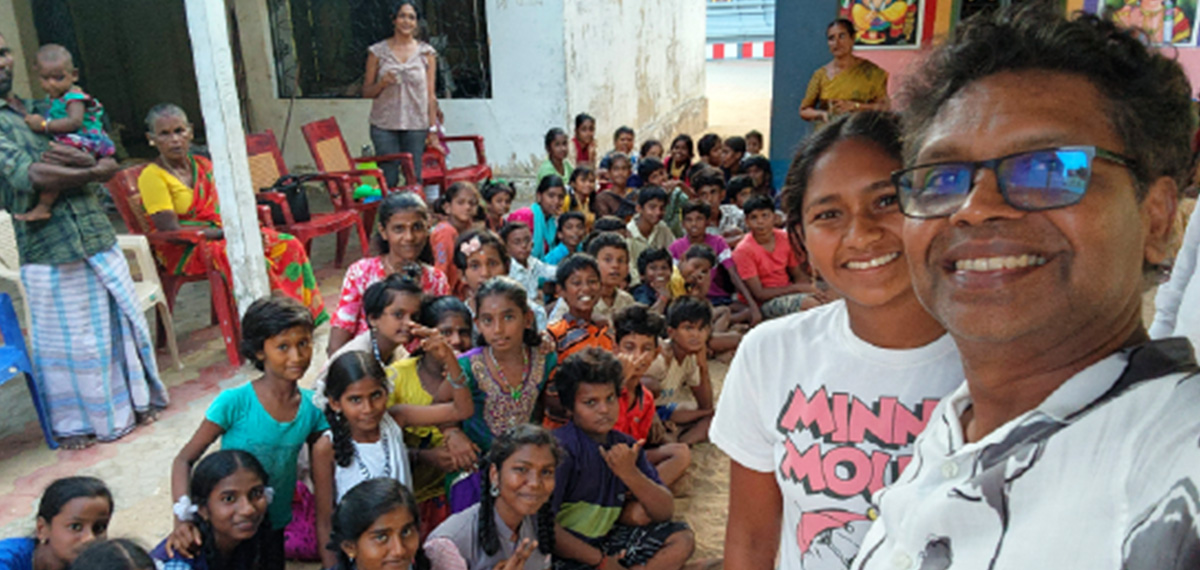
CRY America Donor Edward Remias trip to Project RWDS
During a recent trip to Tamil Nadu, I visited Project RWDS in Ramnathapuram district, which focuses on the palm grove workers who tap palm trees to sell jaggery, for their livelihoods. Accompanied by my wife, Jyothi, and our daughter, Nitya, we were deeply moved by their struggles, particularly the debt cycle that limits their children's education. Nitya’s comparison to the post-reconstruction plight of slaves highlighted the urgency for change.
These workers spend 7 to 8 months in groves far from their villages, with children often missing school, leading to dropouts. Project RWDS serves as a lifeline for these families. They work to keep children in school. It was great to visit a new school in Sengazhaneerodai, built after 14 years of community campaigning. Previously, children traveled 20 kms to school. The new school has 2 classrooms for grades 1 to 5 & provides mid-day meals.
At a nearby development center, we were greeted with song & dance by the children. Nitya, who has recently opened a CRY chapter at her school, engaged with the children from a world so different from hers.
As we drove away, we felt immensely changed. Meeting Mr. Sathaiah & his dedicated team left us inspired to do more, a sentiment I know resonates with Jyothi and Nitya as well. Visiting a CRY project is an eye-opening experience that sheds light on the resilience of communities and CRY’s belief in the power of collective action for change.
Project RWDS Impact 2024
- 1,196 children retained in schools
- 21 children removed from labor & enrolled in school
- 252 children (98%) cleared 10th grade
- 440 children benefited from life skill sessions
Supplementary classes conducted regularly for 107 children
Thank You to Mukund Padmanabhan & Gurukrupa for their generous support of $30,000 to Project RWDS in FY 2024. Your support has enabled this impact in the lives of underprivileged children and we are truly grateful.
Combat Gender Stereotypes: Steps Toward an Equal Society in India
Summary/TL;DR
Gender stereotypes limit opportunities and reinforce discrimination, impacting individuals and society by restricting career options, perpetuating workplace disparities, and influencing social conditioning. Addressing these biases is crucial for economic growth, improved education outcomes, and societal well-being. Key approaches include implementing gender-neutral education, encouraging diverse interests, and promoting equal responsibilities at home. The media can reshape perceptions by portraying balanced roles. Organizations like CRY America advocate for gender equality through education and community engagement. Parents, educators, and policymakers must collaborate to foster an environment free from stereotypes, ensuring future generations can thrive without societal constraints. Gender stereotypes shape societal norms and limit opportunities for individuals. Challenging these biases is essential for creating a more inclusive and equal society. Here’s how different sectors can contribute to combat gender stereotypes in India.
Understanding Gender Stereotypes: What Are They?
Gender stereotypes are preconceived notions about the roles, traits, and behaviours expected from men and women. These stereotypes often reinforce discrimination and restrict individuals from pursuing opportunities beyond traditional roles.
What Is a Gender Stereotype?
A gender stereotype is a fixed belief about how women and men should behave, think, or live based on their gender. These assumptions often define “acceptable” roles, careers, and responsibilities. Gender stereotypes limit individual potential, reinforce inequality, and normalize discrimination in education, employment, and family life across society.
How Gender Stereotypes Impact Individuals and Society
Here are some ways gender stereotypes impact individuals and society:
- Limited career opportunities: Women are often discouraged from STEM fields, while men face stigma in caregiving roles.
- Workplace discrimination: Gender pay gaps and biases in hiring persist in many industries.
- Social conditioning: Cultural norms reinforce traditional expectations, affecting personal choices and aspirations.
Also Read: The Importance of STEM Education
Why Addressing Gender Stereotypes is Essential for Progress
Breaking gender stereotypes leads to:
- Economic growth: A diverse workforce enhances productivity and innovation.
- Better education outcomes: Encouraging all genders to explore various fields promotes balanced development.
- Improved societal well-being: Gender equality fosters healthier relationships and reduces discrimination.
Breaking the Cycle: How Education Can help Combat Gender Stereotypes
Education plays a powerful role in shaping perceptions and dismantling gender stereotypes from an early age. Schools, colleges, and teachers can actively work toward creating an inclusive learning environment. Here’s how:
- Introducing gender-neutral curricula and diverse role models to challenge biases.
- Encouraging critical thinking so students question societal norms.
- Training teachers to recognise and address gender-based discrimination in classrooms.
Also Read: What is Gender Inequality
Role of Parents and Families in Combating Gender Stereotypes
Parents have the responsibility to nurture an environment that allows children to explore their interests freely without being bound by stereotypes. Some other ways are:
- Encouraging children to pursue interests beyond gender norms and develop diverse skills.
- Sharing household responsibilities equally sets an example of gender balance.
- Avoiding gender-biased language and reinforcing respect for all professions.
Role of Education in Shaping Future Generations’ Views on Gender
Education plays a central role in shaping how children understand gender, equality, and opportunity. Schools influence attitudes at an early age, helping students question harmful norms and develop respect for all genders. When education promotes fairness and inclusion, it prepares future generations to build more equitable communities and challenge long-standing social biases.
Inclusive Education: Teaching Gender Equality in Schools
Inclusive education creates learning spaces where all genders feel valued and respected. Teaching gender equality in schools helps students recognize bias, develop empathy, and appreciate diverse perspectives. Classroom discussions, diverse role models, and equal participation encourage children to move beyond stereotypes and grow into socially responsible, confident individuals.
Curricular Reforms for Challenging Gender Stereotypes
Curricular reforms are essential to challenge gender stereotypes effectively. This includes gender-neutral textbooks, balanced representation in subjects like science and leadership, and critical discussions around social norms. Updating curriculumcurricula ensures students learn that skills, careers, and responsibilities are not determined by gender but by interest and ability.
Media's Influence on Gender Norms and Ways to Create Change
The media has a significant influence on shaping societal perceptions of gender. From advertisements to films, the way gender is represented affects how people perceive their roles in society. Changing these narratives can help in combating gender stereotypes effectively.
Empowering Women and Men to Challenge Stereotypical Roles
Women are often expected to take on caregiving roles, while men are pressured to be sole providers. Challenging these norms is essential for creating a more balanced society. Here’s how you can do this:
- Encouraging individuals to pursue careers and interests beyond traditional expectations.
- Promoting gender-inclusive policies at workplaces and educational institutions.
- Creating platforms for open discussions on gender equality and breaking biases.
Advocating for Equal Opportunities in Workplaces and Schools
Workplaces and educational institutions play an important role in shaping gender perceptions. Ensuring equal opportunities allows individuals to excel based on merit rather than outdated societal norms. To do this:
- Implementing unbiased hiring and promotion policies to close gender gaps.
- Providing mentorship programs that support women and underrepresented groups in leadership roles.
- Encouraging schools to include gender sensitivity training in their curriculum.
Also Read: Women Empowerment Through Education
Addressing Gender Stereotypes in Rural and Urban India
While rural areas often adhere to traditional roles due to cultural norms, urban spaces also face challenges like workplace biases and unequal household responsibilities. Addressing these disparities requires targeted efforts. Here’s how you can do this:
- Expanding education and vocational training programs for women in rural areas.
- Encouraging men to take an active role in household responsibilities.
- Promoting awareness campaigns that challenge gender biases in both settings.
Gender Stereotypes in Rural India: Unique Challenges
In rural India, gender stereotypes are often reinforced by tradition, limited education access, and economic dependency. Girls may face early marriage, restricted mobility, and pressure to leave school. Addressing these challenges requires community engagement, girls’ education programs, livelihood support, and awareness initiatives that encourage families to value equal opportunities.
Breaking Gender Norms in Urban India: Opportunities and Barriers
Urban India offers greater exposure and education, yet gender stereotypes persist in workplaces, media, and household roles. While opportunities for women have expanded, biases in leadership, caregiving expectations, and safety concerns remain barriers. Breaking these norms requires inclusive policies, workplace accountability, and cultural shifts that support shared responsibilities.
Also Read: Tax Exemption on Donation
The Role of Cry America in Combating Gender Stereotypes
Organisations like CRY America play a significant role in advocating for gender equality. Through their initiatives, they support children's education, empower women, and challenge deep-rooted societal biases. Their efforts include:
- Running programs that provide girls with access to quality education.
- Working with communities to change perceptions around gender roles.
- Supporting policies that promote gender equality at the grassroots level.
How to Create a Supportive Environment for Future Generations
To ensure a future free from gender stereotypes, we must create an environment where children grow up with the freedom to choose their paths without societal restrictions. This involves collective efforts from families, educators, and policymakers. Knowing how to combat gender stereotypes is key to building a truly equal and inclusive society for future generations.
FAQs on Combat Gender Stereotypes
How can education help in combating gender stereotypes?
Education plays a key role in combating gender stereotypes by promoting gender equality from an early age. Schools can introduce gender-neutral curricula, highlight contributions from all genders in various fields, and encourage students to challenge biases. Training teachers to address stereotypes in classrooms also helps create an inclusive environment.
What role do parents play in breaking gender stereotypes?
Parents are the first influencers in a child’s life and play a crucial role in how to combat gender stereotypes at home. Encouraging children to explore interests beyond traditional gender roles, sharing household responsibilities equally, and avoiding gender-biased language help in shaping progressive mindsets.
How can the media contribute to reducing gender stereotypes in India?
The media has the power to reshape societal norms by portraying diverse and balanced gender roles. Promoting positive and realistic representations of women and men in films, advertisements, and news stories helps combat gender stereotypes in India. Media campaigns that challenge traditional norms and highlight gender equality can further accelerate change.
What are some examples of policies in India that address gender stereotypes?
Several Indian policies focus on combating gender stereotypes:
- Beti Bachao Beti Padhao – Encourages education and empowerment of girls.
- POSH Act (2013) – Addresses workplace harassment and promotes gender equality at work.
- Gender Budgeting – Ensures government policies consider gender perspectives.
- These initiatives work towards dismantling deep-rooted biases in society.
Are gender stereotypes more prevalent in rural or urban India?
Gender stereotypes in India exist in both rural and urban areas, though they manifest differently. Rural regions often see stronger traditional roles due to cultural norms and limited education. Urban India, while more progressive, still faces biases in workplaces, media, and societal expectations. Addressing stereotypes in both settings requires targeted efforts in education, policy-making, and media representation.
How do gender stereotypes affect women and men differently in India?
Gender stereotypes often limit women’s access to education, employment, and leadership, while men face pressure to be primary earners and suppress emotional expression. These expectations restrict personal choices for both genders, reinforcing inequality, mental stress, and imbalanced responsibilities in families, workplaces, and broader society.
What are the consequences of not addressing gender stereotypes in India?
Failing to address gender stereotypes perpetuates inequality, limits economic growth, and reinforces discrimination. It restricts talent development, widens pay gaps, and normalizes violence and exclusion. Over time, these biases weaken social cohesion and prevent India from achieving inclusive, sustainable development across sectors.
How can workplace training help reduce gender stereotypes?
Workplace training raises awareness about unconscious bias, promotes respectful behavior, and encourages inclusive decision-making. Gender-sensitivity programs help employees recognize stereotypes in hiring, promotions, and leadership. When organizations invest in training, they create fairer work environments and improve collaboration, productivity, and employee retention.
What are some successful initiatives in India that have helped reduce gender stereotypes?
Initiatives such as Beti Bachao Beti Padhao, the POSH Act, and gender budgeting have challenged traditional norms. Education-led programs supported by organizations like CRY America also promote gender equality by improving access to education and shifting community perceptions at the grassroots level.
Also Read: Social and Emotional Learning