











How nutrition and hygiene can help prevent common childhood diseases
- What are the most common diseases of childhood?
- The role of nutrition in preventing childhood illness
- How hygiene practices reduce the risk of illness
- Combining nutrition and hygiene for stronger immunity
- How CRY America is promoting nutrition and hygiene to prevent childhood diseases
- Conclusion
Good health starts with the basics of nutritious food and proper hygiene. But for many children in marginalized communities, these essentials are often out of reach. Limited awareness and the inability to afford balanced meals make them more vulnerable to common childhood diseases that hold back their growth and future.
To change this, we need to look at the common diseases affecting children, understand simple yet effective steps to improve nutrition and hygiene, recognize the role parents and communities can play, and see how CRY is working to give every child a healthier tomorrow.
What are the most common diseases of childhood?
Childhood is often marked by frequent illnesses, many of which are preventable with proper care. Some of the most common childhood diseases in India include:
- Respiratory infections (Cold, flu, pneumonia): Children are more prone to catching infections due to their developing immune systems. Poor nutrition and crowded living spaces often worsen these conditions.
- Diarrheal diseases: Caused mainly by unsafe drinking water, poor sanitation, and unhygienic food practices, diarrhea remains one of the leading causes of child mortality worldwide.
- Malnutrition and anemia: Undernutrition, along with deficiencies like lack of iron, severely affects growth, immunity, and learning abilities in children.
- Skin infections: Lack of hygiene and clean surroundings often lead to fungal or bacterial skin issues, including scabies and ringworm.
- Worm infestations: Children in underprivileged communities are particularly vulnerable to intestinal worms due to poor sanitation and contaminated food or water.
Also Read: Vital Role of Nutrition in Protecting Marginalized Children
The role of nutrition in preventing childhood illness
Nutrition is one of the strongest defenses a child has against common diseases of childhood. Let’s understand the nutrient sources and the diseases they resist by building a strong immunity:
- Protecting from colds, flu, and other viral infections: Nutrients like vitamins A, C, and E, along with zinc and iron, play a key role in safeguarding from common flu and other viral infections.
- Protecting from undernutrition and stunted growth: A diet rich in proteins, leafy greens like drumsticks, pulses, fruits, and whole grains ensures children do not fall prey to undernutrition or iron-deficiency anemia.
- Protecting from delay in cognitive growth: Omega-3 fatty acids, iodine, and B vitamins are essential for healthy brain development, concentration, and learning abilities.
- Protecting from severe illness: Even when children do get sick, good nutrition helps their bodies cope better, reducing the severity and duration of illnesses.
How hygiene practices reduce the risk of illness
Nutrition alone cannot ensure a child’s well-being if they are growing up in poor environments with unhygienic habits. Good hygiene is a shield that protects children, especially in communities where medical care may not always be within reach.
- Handwashing with soap: Regularly washing hands before meals and after using the toilet is one of the most effective ways to prevent diarrhea, respiratory infections, and even eye diseases.
- Hygienic sanitation: Proper use of toilets and safe disposal of waste stop harmful bacteria and worms from spreading within communities.
- Menstrual hygiene: For adolescent girls, access to clean sanitary products and knowledge about menstrual hygiene is crucial. Poor menstrual hygiene can lead to infections, discomfort, and even school absenteeism.
- Oral hygiene: Brushing teeth twice a day keeps cavities, gum infections, and bad oral health at bay.
- Safe food practices: Cooking food properly, covering it to avoid contamination, and ensuring clean utensils prevent foodborne illnesses.
- Personal cleanliness: Bathing regularly, wearing clean clothes, and trimming nails help reduce the spread of skin infections and parasites.
Also Read: Let’s Protect Underserved Children From Ill Health
Combining nutrition and hygiene for stronger immunity
Good nutrition and proper hygiene work hand in hand to keep children healthy. While nutritious food strengthens the body from within, hygiene practices prevent harmful germs from causing illness. Together, they form a powerful shield, ensuring children can grow, learn, and thrive in good health.
Role of parents, schools, and communities
No parents or caregivers alone can ensure the best health of children by following the above practices. It is only when parents, schools, and communities come together that happier childhoods can be ensured through collaborative efforts.
- \
- Parents: Provide balanced meals, teach handwashing and personal hygiene, guide girls on menstrual hygiene.
- Schools: Offer nutritious meals, teach health and hygiene, maintain clean toilets and safe drinking water.
- Communities: Organize health camps, sanitation drives, and awareness programs to support children’s well-being.
Also Read: Anemia in Rural Children: A Health Problem We Can’t Ignore
How CRY America is promoting nutrition and hygiene to prevent childhood diseases
- WASH programme: CRY America’s project team conducts Water, Sanitation, and Hygiene (WASH) initiatives with the support of Panchayat leaders and School Management Committees, helping communities understand how simple hygiene practices can protect children from common childhood diseases.
- Filtered drinking water: CRY America’s project team guides communities to use natural, zero-cost methods to purify water at home thus making safe drinking water a part of children’s everyday lives.
- Kitchen gardening practices: The project team encourages families to grow small gardens in their backyards, giving children fresh vegetables and fruits right at home, and turning every meal into a step toward better health.
- Monitoring children’s growth & dietary plans: With the help of Anganwadi workers, CRY America’s project team ensures newborns and infants are registered, vaccinated on time, and their growth carefully tracked, ensuring that no child slips into undernutrition unnoticed.
- Referrals to NRC for severe malnutrition: When a child shows severe signs of malnutrition, our team works with government hospitals and Nutritional Rehab Centers (NRCs) to make sure they get the treatment and care needed for recovery.
- Anemia screening & Iron-Folic Supplementation: CRY America’s project teams organize health camps for adolescent girls, where those found with low haemoglobin are given Iron-Folic tablets to help them regain strength and continue their education without health setbacks.
- Encouraging poultry farming at home: The project team guides families to start small-scale poultry farming, giving children access to protein-rich food and improving the household’s nutrition in a sustainable way.
Conclusion
While we have helped shield millions of children by facilitating access to proper nutrition and hygiene, hundreds still await the nourishment they deserve to begin a healthier, brighter future. Donate now to ensure happier, and healthier childhoods .

Understanding Gender-Based Violence Against Children
Gender-Based Violence (GBV) is not an isolated issue that affects only the lives of immediate survivors. The consequences ripple and reflect on the lives of children too, who share the same household. Whether they experience it directly or witness it within their homes, the effects are long-lasting. When families choose violence as a way to function, it can disrupt their education, affect their mental well-being, and shape how they see the world around them.
In this blog, let’s understand what GBV is, how it affects children, and the possible ways of preventing GBV, especially in underserved communities.
Also Read: Protecting Marginalized Girls
What is GBV
Gender-Based Violence (GBV) is an act of human rights violation that happens when someone is hurt or threatened because of the unequal power dynamics between men and women in society.
While boys and men can also face GBV, it’s mostly women and girls who are at risk. According to the UN Women 2023 Report, almost 1 in 3 women globally face some form of GBV, whether it’s physical, sexual, emotional, or financial.
The effects go beyond just the physical wounds, like injuries, unwanted pregnancies, and exposure to HIV. It reflects on their mental health too, in the form of anxiety, depression, and even post-traumatic stress.
Also Read: What is Gender Inequality?
Forms of GBV
Gender-based violence shows up in different ways, and each one hurts people regardless.
- Sexual violence: Forcing someone into any sexual act when they don’t want it.
- Child marriage: Getting a child, usually a girl, married before she’s old enough or ready.
- Domestic violence: Harming or controlling someone in the family, often a partner, through hurtful actions or words.
- Femicide: Killing a woman or girl just because she is female.
Why GBV Occurs
The roots of GBV lie in unstable households and a society that turns a blind eye to change. Let’s take a closer look at the causes:
- Gender inequality: It begins with the community mindset. When men are given unchecked power to decide, act, and react on behalf of women, women stop being treated as equals. They are instead controlled, confined, and often abused within their own homes.
- Poverty or unemployment: Financial stress can push individuals to their breaking point. Even though women aren’t the cause of job loss or low income, they end up bearing the brunt, treated as burdens, especially in underserved communities.
- Cultural apathy: Survivors often don’t even recognize GBV as a crime, because their communities treat it as normal. Even when someone tries to speak up, they’re silenced or shamed into staying quiet.
- Lack of awareness to access justice: To seek justice, one must first understand their rights. Illiteracy, poverty, child marriage, and fear of being socially isolated hold women back from taking legal action or finding support.
Also Read: Ways to Combat Gender Stereotypes in India
How GBV affects children
When GBV takes place at home, children are never just bystanders. Whether they face it directly or witness it happening to someone close, the impact runs deep.
- Loss of emotional regulation
Children who grow up around violence often find it hard to manage their emotions. Some act out, others go quiet. Anger, sadness, or fear becomes too big to handle.
- Dropouts and absenteeism in schools
For many children witnessing or experiencing GBV, home is hardly a safe space. The stress, fear, and tension often spill into their school life, leading to frequent absences or even dropping out altogether
- Violence becomes normal
Over time, children may start to believe that hurting or being hurt is just a part of life. When violence is all they see, it shapes what they think is okay.
- Limited financial resources are affecting their future
In homes where GBV continues, relationships break down, addictions creep in, and money drains fast. Children end up paying the price, with no funds left to support their education or future.
Also Read: Women’s Empowerment Through Education Creates Generational Change
Prevention of GBV
Stopping GBV isn’t just about having laws; it’s about building safer homes, stronger communities, and more aware children. Here’s how we can take small but meaningful steps:
- Empowering youth with education
When schools talk about gender, respect, boundaries, and consent, children and adolescents start to see things differently. It helps boys and girls grow up knowing their rights and how to speak up, starting at home.
- Women as community facilitators
When women come together, they create strength. By forming groups, raising their voices, and supporting each other, they inspire others to stand up and break the silence.
- Support from health workers and community mobilizers
Frontline health workers like nurses, doctors, and Anganwadi staff are often the first to notice signs of GBV. Similarly, local leaders like Panchayat members, Sarpanch, and the police play a key role in shaping community mindsets. When they’re educated about gender equality, women’s rights, and how to access those rights, they can listen, support, and guide survivors towards help and justice.
- Emotional support for children
Children who’ve seen or faced violence carry it inside. Talking to someone, getting the right care, and feeling safe again can help them slowly heal and rebuild.
- Teaching self-defense
In places where change is slow, self-defense gives girls the power to protect themselves. When they speak up or fight back, it shows the whole community that silence is no longer an option.
Also Read: Importance of Education in Rural Areas
Conclusion
In underserved communities, many children lose out on school and peace of mind because of child marriage, poverty, or violence at home. CRY America steps in to help bring back what they’ve lost by making sure they get to learn, feel safe, and just be children again.
We believe every child should grow up in a space where they know their rights, feel protected, and can dream freely about who they want to be.
Donate to CRY America to give every child the safe and happy childhood they deserve.
Vaccines & newborns: Why immunization is key to infant survival
Every newborn deserves a healthy start to life, and vaccines play a vital role in making that possible. Immunization of infants is the most effective, science-backed way to protect them from life-threatening diseases in their early, most vulnerable months. Yet despite its proven impact, millions of babies still miss out due to inconsistent implementation, limited awareness, and vaccine hesitancy, especially in countries like India.
In this blog, let’s understand how immunization in infants works, why it’s so crucial for their survival, and what it will take to close the awareness gap and build community trust in vaccines.
What is immunization and how does it work?
Infant immunization is the process of giving vaccines to babies to protect them from serious diseases like measles, polio, and tuberculosis. These vaccines help build the baby’s natural defences (immunity) by teaching the body how to fight harmful germs. It keeps babies healthy, prevents illness, and saves lives, especially in their first few years of life.
Also Read: Causes of Neonatal Mortality in India
Importance of vaccination for infant survival
Infants have very limited immunity, which isn’t enough to protect them from the many serious diseases they’re exposed to. Hence, vaccination isn’t just a precaution, but it’s a vital intervention to ensure their healthy living.
- Protection against life threatening diseases
Vaccines protect infants from deadly illnesses such as polio, measles, and tetanus, which can cause severe complications like paralysis or even breathing difficulties in newborns and adults.
- Safeguards vulnerable lives around us
Vaccination not only protects the child receiving it but also helps prevent the spread of disease by shielding those who are too young or medically unable to be immunized.
- Prevents long-term struggles
Skipping vaccination can lead to lifelong health issues and hefty medical bills down the line. On the other hand, timely vaccination is a smart investment of effort where no cost is involved, if one avails them at the government healthcare centers.
- Eliminating diseases for future generations
When a community consistently follows immunization, it can wipe out life-threatening diseases that once posed serious risks. For instance, small pox; it no longer needs a vaccine because it’s been eradicated worldwide.
Also Read: Role of Nutrition
Key vaccines recommended for infants
Newborns and infants have unique immune responses that differ from adults and animals. Hence, let’s go through their age-specific vaccinations to ensure their well-being.
- Bacillus Calmette-Guerin (BCG)
Given at birth, this single-dose vaccine protects newborns from tuberculosis. - Oral Polio Vaccine (OPV)
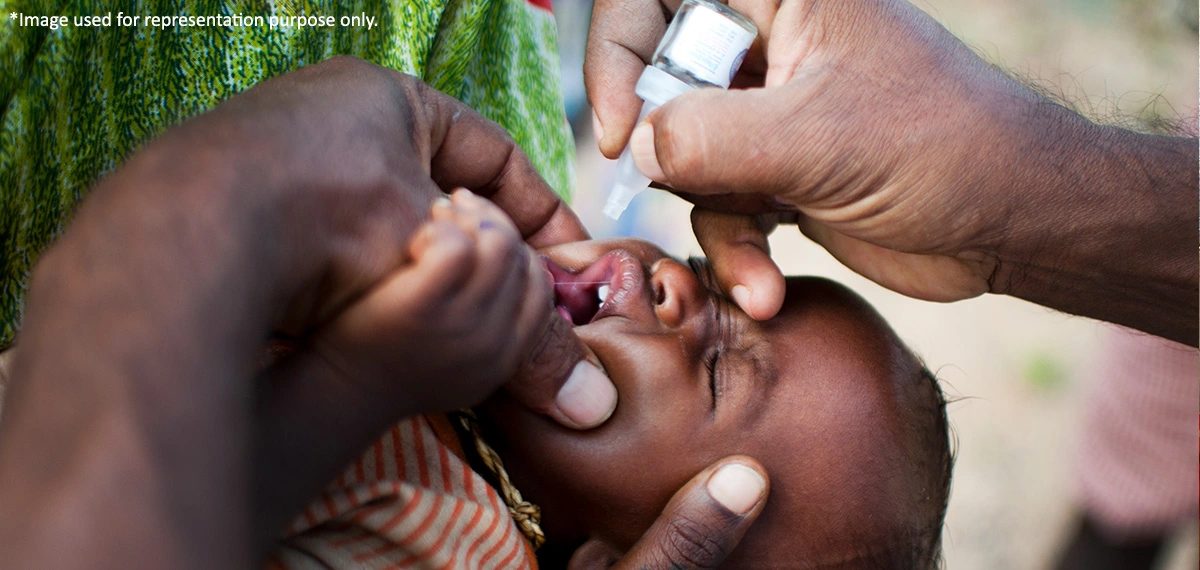
OPV is administered at birth, then at 6, 10, and 14 weeks. It protects children under 5 from poliovirus, which can cause paralysis. - Hepatitis B Vaccine
This three-dose vaccine starts within 24 hours of birth, followed by doses between 1–2 months and again at 6–18 months. It protects the liver from hepatitis B virus. - Pentavalent Vaccine
Given at 6, 10, and 14 weeks, it protects against five diseases: diphtheria, pertussis, tetanus, hepatitis B, and Hib. - Rotavirus Vaccine (RVV)
Administered in three doses at 6, 10, and 14 weeks, it guards against rotavirus, this is a major cause of severe diarrhea in infants. - Pneumococcal Conjugate Vaccine (PCV)
PCV is given at 2, 4, and 6 months of age to protect against pneumonia, meningitis, and septicemia.
Also Read: Prioritizing Health and Nutrition for At-Risk Children in India
Addressing vaccine hesitancy among parents
Even in high-income countries like the U.S., 1 in 4 parents choose not to vaccinate their child, according to the U.S. National Library of Medicine. In India, it’s not always about choice, people often hesitate because of low awareness, limited access to healthcare, and the myths that still surround vaccine side effects.
Building trust through healthcare centres
India has a widespread network of Anganwadi Centers (AWCs), Anganwadi Workers (AWWs), and Auxiliary Nurse Midwives (ANMs) to support vaccination efforts. Yet, a significant gap remains in how communities access these services. When frontline workers and doctors engage more closely with people, it helps build trust. By sharing medical information in simple terms and real stories of hope from within the community, often with support from NGOs like CRY America, they make healthcare feel more accessible and relatable.
Capitalizing community stakeholders
Communities don’t easily trust outsiders who enter their space and start pointing out problems. That’s where local leaders like the Sarpanch, religious heads, and Panchayat members play a crucial role. When these leaders are made aware of the importance of vaccination, they become spokespersons and strong advocates for children’s well-being. And because the community trusts them, their message is more likely to be heard and accepted.
Mobilizing complex medical information
People are often more willing to deal with common illnesses than to crack complicated medical jargon. Hence, it’s important to simplify the language used when communicating with underserved communities. When doctors with support from NGOs like CRY America break down complex medical facts into simple, relatable messages; using local languages, illustrations, or culturally familiar analogies, the benefits of vaccination become clearer. And that’s when communities begin to trust the information and take it to heart.
Addressing Societal Fears and Myths
Myths and superstitions often stem from limited awareness passed down through generations. This cycle can only be broken when communities receive information from sources they trust. This credibility is a slow cooked process that ripples when the community stakeholders speak the same language and share consistent messages, whether it’s at the local healthcare center, in a Panchayat Sabha, or through women’s peer groups or mother’s peer groups supported by NGOs like CRY America. As trusted members of the community, these groups advocate for vaccination drives and help dispel myths from within.
Making vaccination accessible
All these efforts can fall short if, despite being informed, people are unable to access vaccines whether due to stockouts at healthcare centers, a shortage of trained nurses, or difficult terrains and long distances that make travel nearly impossible. To tackle these challenges, NGOs like CRY America works closely with local administrations to deploy mobile vaccination units in challenging areas and to support the training of Anganwadi Workers (AWWs) and Auxiliary Nurse Midwives (ANMs).
CRY America’s role in supporting children’s vaccination
Parvatiben, a young mother from an underserved community, almost gave up on immunizing her newborn after he developed swelling following a BCG vaccine, a common and usually mild reaction. Without proper information, such an experience can quickly turn into fear. That’s where CRY America stepped in to bridge the gap between awareness and action through ground-level engagement.
Through CRY’s supported Mother’s Groups, interactive awareness sessions, and one-on-one counseling, the Project GSS team helped her understand the benefits of vaccination and what side effects are normal versus concerning. They accompanied her on visits to the local health clinic and reinforced the importance of completing the immunization schedule for infants, particularly the Pentavalent vaccine, which protects against five life-threatening diseases.
Parvatiben once again found trust in the process, and ensured her child received all three doses on time. Today, she’s not just a mother who made an informed decision, but also a community advocate encouraging other mothers to overcome fears and embrace timely infant immunization.
Also Read: Child Abuse Prevention
Conclusion
Vaccination of infants is more than personal protection as it safeguards communities and secures a healthier future for generations. While India’s public health efforts have made considerable progress, the journey is still far from over, and with your continued support can help bridge this gap.
Donate to CRY America and ensure every child receives the protection they deserve because a healthy future begins with timely immunization today.
Anemia in Rural Children: A Health Problem We Can’t Ignore
- What is Anemia, and Why is it a Major Concern for Rural Children?
- Identifying the Signs of Anemia in Children
- Risk Factors Contributing to Anemia in Rural Areas
- What Causes Anemia in Children?
- How CRY America is Fighting Anemia in Rural Children
- Identifying and Acting: From Signs to Solutions
- Final Thoughts
- FAQ
Anemia in children is a serious health issue that disproportionately affects rural areas in India. It undermines growth, learning, immunity, and long-term development. This guide explores what anemia is, why rural children are at risk, how to identify symptoms, the underlying causes and risk factors of anemia in children, and how CRY America is addressing this issue. It concludes with suggestions for contributing to change.
Summary/TL;DR on Anemia in Children
Anemia in children is a significant health challenge in rural India, affecting growth, learning, and immunity, with a prevalence of 67.1% in children aged 6–59 months. The condition, characterized by low hemoglobin levels, leads to impaired brain development, increased susceptibility to infections, and poor school performance. Rural factors contributing to anemia include limited access to iron-rich foods, low socioeconomic status, poor dietary diversity, and environmental risks such as parasitic infections. Identification of symptoms like pale skin, fatigue, and irritability is crucial, as untreated anemia can result in severe health complications. CRY America addresses these issues through nutritional support, community health screenings, awareness programs, and partnerships with local health initiatives. A holistic approach involving nutrition education, healthcare access, and public awareness is essential to combat anemia, improve children’s health, and foster community development.
What is Anemia in Children, and Why is it a Major Concern for Rural Children?
Anemia is defined as a lower-than-normal hemoglobin concentration in blood, reducing oxygen delivery to organs and tissues. Hemoglobin levels drop below 11 g/dL in children aged 6–59 months, according to India’s NFHS-5 data, with a prevalence of 67.1% in this group.
Major concerns:
- Impaired brain development, reduced attention span, and learning difficulties
- Increased susceptibility to infections and fatigue
- Poor school performance and decreased physical capacity
Rural context:
- Restricted access to iron-rich foods and healthcare
- Prevalent anemia becomes intergenerational, affecting community well-being
Also Read: What is malnutrition?
Why Rural Children Are More Vulnerable to Anemia
Rural settings amplify vulnerability due to:
- Lower socioeconomic status and food insecurity
- Poor dietary diversity: dependence on grains over iron-rich foods
- Limited access to health services and routine screening
- Environmental risks: high incidence of parasitic infections (e.g., hookworm, malaria)
- Cultural norms limiting nutrition for girls and young children
Identifying the Signs of Anemia in Children
Early identification is key, as signs of anemia in children may be subtle:
Common Symptoms of Anemia in Children
Bulleted list of symptoms, supported by pediatric sources:
- Pale skin, lips, hands, and under the eyelids
- Irritability and fussiness in toddlers
- Low energy, fatigue, fast heartbeat (tachycardia)
- Sore/swollen tongue, mouth ulcers
- Pica (eating non-food items like dirt or ice)
- Headaches, dizziness, shortness of breath, palpitations
The Consequences of Unrecognized Anemia in Children
- Delayed growth, cognitive, and psychomotor development
- Weakened immunity, increased infection risk
- School absenteeism and long-term performance setbacks
- In severe cases: heart strain, heart failure, and life-threatening complications
| Level of Anemia | Hemoglobin Range | Possible Effects |
| Mild | 10.0-19.0 g/dl | Often asymptomatic, slight cognitive effects |
| Moderate | 7.0-9.9 g/dl | Fatigue, pale appearance, reduced activity |
| Severe | <7.0 g/dl | Paleness, tachycardia, growth delays, cardiac strain |
Also Read: Protect the Health and Nutrition of Marginalized Children in India
Risk Factors Contributing to Anemia in Rural Areas
Limited Access to Nutrition and Healthcare
- Low-income households struggle to afford iron-rich foods
- Skewed diets with rice, millet, and starchy staples
- Lack of fresh fruit/vegetable intake
- Inadequate supplementation and weak screening by ASHA workers
- Insufficient Deworming and Iron Folic Acid programs, despite India’s Anemia Mukt Bharat
Environmental and Cultural Factors Affecting Child Health
- High burdens of parasitic infections and malaria
- Cultural feeding norms prioritizing adults over children
- Gender norms affecting diet for girls and boys alike
- Unsafe water/sanitation leading to repeated infections
Also Read: Prioritizing Health and Nutrition for At-Risk Children in India
What Causes Anemia in Children?
Anemia in children arises due to a mix of nutritional deficiencies and health conditions:
Nutritional Deficiencies: Iron, Folate, and Vitamin B12
- Iron deficiency is the most common cause
- Additional deficiencies: folate, vitamin B12, and vitamin A
- Inadequate dietary intake and poor absorption due to GI issues
Infections and Medical Conditions Leading to Anemia
- Chronic infections: malaria, tuberculosis
- Parasitic infestations: hookworm leading to blood loss
- Hemoglobinopathies (like thalassemia) are genetic contributors
- Chronic diseases, blood loss, and impaired iron metabolism
Also Read: Role of Nutrition
How CRY America is Fighting Anemia in Rural Children
CRY America supports holistic, evidence-based interventions aligned with Indian government programs to combat anemia:
- Nutrition & Supplementation
- Promotes Iron Folic Acid (IFA) supplementation under Anemia Mukt Bharat
- Encourages dietary diversification: iron-rich meals and vitamin-C intake
- Community Health Screening
- Works with local nonprofits & ASHAs to organize hemoglobin testing camps
- Referrals to primary health centers for treatment and follow-up
- Conducts Community Awareness Programs
- Conducts community hygiene education like WASH programs
- Organizes nutrition Days & educates mothers & community on proper nutrition
- Behavior Change Communication
- Educates caregivers on anemia risks, nutrition, hygiene, and signs of anemia
- Uses audio-visual aids, local advocates, and school-based programs aligned with POSHAN Abhiyaan
- Monitoring & Data
- Champions’ use of government digital platforms for anemia tracking
- Partners with schools and health centers to monitor progress
Also Read: Causes of Gender Inequality
Also Read: Child Abuse Prevention
Identifying and Acting: From Signs to Solutions
Signs of Anemia in Children Checklist
- Pale skin, lips, nails, and eyelids
- Persistent tiredness or low activity
- Irritability or emotional change
- Fast heart rate, breathlessness
- Pica behavior
- Recurrent infections or stunted growth
Next Steps if Symptoms Appear
- Hemoglobin test via CBC and ferritin levels
- Nutritional counseling plus supplements (IFA syrup/tablets)
- Deworming and access to hygiene support
- Follow-up monitoring to track recovery
Positive Outcomes: What Restoration Looks Like
Through coordinated action, government programs plus CRY America’s local support, rural children benefit from:
- Improved hemoglobin levels and reduced anemia prevalence
- Better cognitive function and physical energy
- Fewer infections and school absences
- Enhanced community understanding of child nutrition
How to Support the Mission
Positive change, especially for anemia in children, requires community and donor partnership:
- Donate: Funds support nutrition programs & community awareness programs
- Awareness: Share awareness through social platforms and local networks
A donation empowers local teams to reach more children, improving nutrition, health, and future potential.
Final Thoughts
Anemia in rural children is a pressing yet addressable health issue in India. Stronger nutrition, screening, supplementation, hygiene, and behavior change can protect millions of boys and girls. With government initiatives like Anemia Mukt Bharat and community partners like CRY America, solutions are within reach.
Public support, through donations, awareness, and volunteering, is critical to sustaining and expanding these efforts. Every contribution ensures more rural children grow stronger, learn better, and live healthier lives.
FAQs on Anemia in Children
What are the treatment options available for children suffering from anemia?
Treatment for anemia in children typically includes iron and folic acid supplements, deworming medications, and dietary improvements with iron-rich foods like leafy greens, pulses, and fortified cereals. In moderate to severe cases, doctors may recommend vitamin B12 or iron injections. It’s also important to treat any underlying infections or chronic illnesses contributing to the condition for complete recovery.
How can anemia be prevented in rural communities?
Prevention involves ensuring a balanced diet rich in iron, folate, and vitamin B12, regular deworming, and access to clean drinking water and sanitation. Public health efforts such as IFA supplementation, nutrition education, and maternal care services play a vital role. Promoting kitchen gardens and community awareness through schools and Anganwadi centers helps build long-term prevention systems.
How can parents recognize signs of anemia in children?
Parents should look for persistent tiredness, pale skin or lips, poor appetite, irritability, and delayed physical or mental development. Other signs may include frequent illnesses, shortness of breath during activity, or unusual cravings, such as eating dirt (pica). If such symptoms are observed, it is crucial to get the child’s hemoglobin levels tested at the nearest health center.
Are there any specific groups of children at higher risk for anemia?
Yes, children aged 6 months to 5 years, adolescent girls, and those from low-income, food-insecure households are at higher risk. Children with parasitic infections, poor dietary intake, or chronic diseases like malaria or thalassemia are also vulnerable. In rural areas, a lack of health services and cultural food practices may further elevate this risk.
Forced Child Marriage: A Major Barrier to Children's Education
Forced child marriage is still practiced, and millions of children are the victims of this practice, especially in rural areas of India and in a number of regions all over the world. Despite global and national commitments to end this evil practice, child and forced marriage is still very common, sometimes under cultural beliefs, poverty, or sheer ignorance by individuals. The problem is way deeper and is not only against basic human rights but also leaves a long-lasting scar on the future of a child.
Education is considered the best weapon to eliminate poverty and the preset of achievement among the children. Nevertheless, forced marriage rudely cuts the education process of a child. When children are married before they are physically, emotionally, or mentally ready, they are typically withdrawn from school. They are pushed to engage in adult tasks, and those responsibilities prevent them from completing their studies or dreaming about a different future. This is more so with children in impoverished societies, where marrying could be perceived as a means to alleviate poverty or guarantee a child a livelihood.
This blog explores the critical connection between child marriage, forced marriage, and the destruction of the education of children. It explores the psycho-social and economic effects of early marriage on school attendance and classroom learning, as well as identifies the structural reasons that enable this to happen.
Also Read: Causes of Gender Inequality
Most importantly, it highlights how CRY America supports interventions aligned with India’s legal framework to protect children’s rights and keep them in school.
Understanding the consequences of child forced marriage is key to mobilizing action. Through education, law enforcement, awareness, and community support, change is not only possible, it is urgent.
Understanding Forced Child Marriage
What is Forced Child Marriage?
- A union where one or both parties are under 18.
- Consent is absent or coerced through pressure or threats.
- Often blends early and forced marriage, violating the Prohibition of Child Marriage Act, 2006
Also Read: Safeguarding India’s Future by Ending Child Marriage
Difference Between Child Marriage and Forced Marriage
| Feature | Child Marriage | Forced Marriage |
| Age | Under 18 | Any age with coercion |
| Consent | Often limited or uninformed | Coerced through pressure |
| Legal context | Prohibited by law in India | Illegal when consent is absent |
| Overlap | Frequently, both underage and forced | Can also apply to older children |
How Forced Marriage Impacts Education
School Dropout Rates Among Married Children
- Nearly 80% of child brides drop out.
- Once married, attending school becomes nearly impossible.
- Education investment wasted, community progress undermined.
Psychological and Emotional Toll on Young Brides
- Early marriage brings anxiety, depression, and loss of childhood.
- Isolation from peers and increased risk of domestic violence.
- Emotional distress diminishes learning capacity, harming potential.
Also Read: How Education Can Break The Cycle Of Child Marriage
Root Causes Behind Child and Forced Marriage
Poverty and Lack of Jobs
- Families marry off children early to relieve economic stress.
- Poor rural areas record 27% child marriage prevalence, compared to 15% in urban areas.
- Lack of job prospects reinforces the cycle of poverty and early marriage.
Traditions and Gender Inequality
- Cultural norms see marriage as protection
- Girls from poorer or rural households marry early.
- Gender roles prioritize domestic status over schooling, limiting aspirations.
Weak Laws and Low Awareness
- The Prohibition of Child Marriage Act (2006) sets minimum ages of 18 (girls) and 21 (boys).
- However, enforcement gaps remain: ~3 girls are forced into child marriage every minute. Awareness is low; legal provisions are not widely known or practiced.
CRY America’s Fight Against Child Marriage with Education
CRY America supports evidence-based interventions aligned with government efforts to address forced marriage and promote education:
School retention efforts
- Scholarships and midday meals under PM POSHAN help keep children in school.
- Vocational training and bridge classes prevent dropout.
Community awareness and rights education
- Workshops in rural areas highlight the legal age of marriage and academic benefits.
- Engaging community leaders to challenge norms that justify early marriage.
Legal support and advocacy
- Facilitation of marriage annulment under the Prohibition of Child Marriage Act.
- Collaboration with local authorities to enforce age verification and penalize violations.
Economic empowerment programs
- Conditional cash incentives like Kanyashree (West Bengal) and Apni Beti Apna Dhan (Haryana) encourage schooling and delay marriage.
- Small grants for families to offset educational costs for girls.
Also Read: What is Child Marriage?
Why Support Makes a Difference
- It empowers children to remain in school and build brighter futures.
- Investing in education helps break cycles of poverty and forced child marriage.
To help end forced child marriage and keep children in school, donate to CRY America and support brighter futures.
Also Read: Neonatal Mortality Rate
FAQs
What are the health risks associated with forced child marriage?
Forced child marriage poses serious health risks for young girls. Physically immature girls face life-threatening complications during pregnancy and childbirth, which is a leading cause of death for those aged 15 to 19 in low- and middle-income countries. They are more vulnerable to obstetric fistula, a debilitating condition from prolonged labor, and are at higher risk of delivering preterm or low-birth-weight infants, increasing infant mortality. Early marriage also drives unwanted pregnancies, limits access to contraception and family planning, and raises the risk of sexually transmitted infections, including HIV.
What can communities do to prevent forced child marriage?
Communities can prevent forced child marriage by raising awareness about its health risks and the importance of education, engaging local leaders and panchayats to oppose underage unions, and involving men and boys to challenge harmful gender norms. Empowering adolescent girls through safe spaces, life skills training, and remedial education support builds confidence and knowledge. Strengthening local protection systems, collaborating with authorities, and addressing economic pressures through scholarships, parental employment support, and better school access help keep girls in school and delay marriage, protecting their rights and futures.
What is the role of education in ending forced child marriage?
Education plays a crucial role in ending forced child marriage by keeping children, especially girls, in school and giving them the knowledge and skills to make informed decisions about their lives. It delays the age of marriage, increases awareness of rights, and opens opportunities for higher education and employment. Educated girls are more confident, empowered to advocate for themselves, and less likely to face early pregnancy or health risks, ultimately breaking cycles of poverty and promoting healthier, stronger communities.
Also Read: Life Skills Activities