











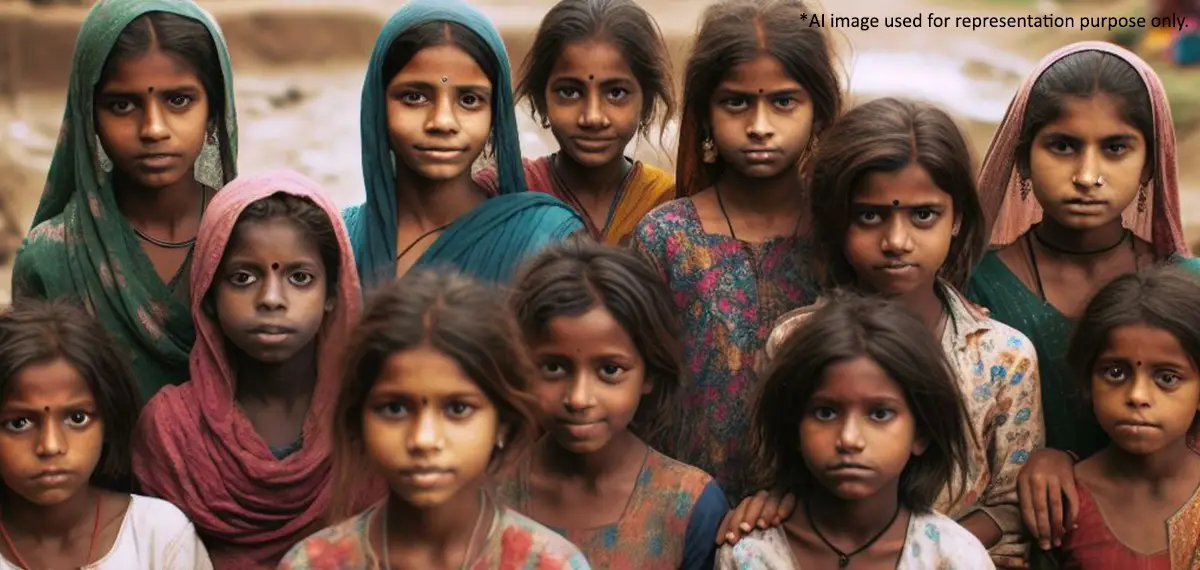
What is Child Marriage? - Achievements, Gaps and Challenges in preventing child marriage.
Summary/TL;DR on What is Child Marriage?
Child marriage remains a significant issue worldwide, violating children's rights and impeding their education and health. What is child marriage? It refers to the practice of marrying off children before they reach adulthood, often resulting in serious consequences for their physical and emotional well-being. Despite efforts to reduce child marriage, progress has been uneven, with many gaps still to be addressed. This blog explores the achievements made in combating child marriage, the remaining challenges, and the steps needed to ensure every child’s right to a safe and healthy childhood.
Child marriage remains a pervasive issue across the globe, impacting millions of girls and pushing families into a vicious cycle of poverty. According to child marriage statistics 2023 progress report by UNICEF, an estimated 640 million girls worldwide were married as children. This practice is alarmingly high in regions such as South Asia and Sub-Saharan Africa, where cultural norms, economic hardships & social pressures drive families to marry off their daughters at an early age.
India, home to high numbers of child marriages globally, accounts for one-third of the world’s child brides. Although India has made significant efforts to reduce child marriage through numerous initiatives, there remains a lot to be done. This article delves into understanding what is child marriage by exploring its causes & consequences, the progress made & the challenges that remain.
What is child marriage?
Child marriage is the act of marrying a person, either formally or informally, below the legal age of 18. This practice profoundly impacts the lives of young girls, who are often forced into marriage due to socio-economic pressures, cultural beliefs, and gender inequality. It deprives children of their childhoods and exposes them to lifelong disadvantages, including health risks, limited educational opportunities & increased vulnerability to abuse.
Causes of child marriage
Several factors contribute to child marriage. Here are some key ones:
- Low-income levels: Families with low incomes may feel compelled to marry off daughters to alleviate financial burdens.
- Societal traditions & cultural beliefs: Some communities uphold traditions that view marriage as an act of securing a girl’s future.
- Lack of education: A lack of awareness & access to education among families increases the likelihood of child marriage, as uneducated girls are often seen as financial burdens.
- Gendered parenting: In many communities, sons are prioritized over daughters, pushing families to see marriage as a way to reduce the financial “burden” of raising a girl.
Consequences of child marriage
Child marriage has far-reaching consequences, including:
- Educational impact: Early marriage disrupts education, limiting a girl’s potential for financial independence & personal growth.
- Health risks: Child brides face early pregnancies, which carry the risk of higher maternal & infant mortality rates.
- Poverty: Child marriage leads to an indefinite loop of poverty as it limits access to education & economic opportunities.
Also Read: Child Marriage in India
Achievements: Progress made to reduce child marriage
India has made considerable progress in reducing child marriage through various reforms. Harvard School of Public Health’s child marriage statistics indicates that girl child marriage in India has decreased from 49% in 1993 to 22% in 2021, while boy child marriage declined from 7% in 2006 to 2% in 2021.
Some key achievements include:
- Legislation: The Prohibition of Child Marriage Act (2006) criminalizes child marriage, with provisions for penalties & annulment.
- Government programs: Initiatives like Beti Bachao Beti Padhao empower & educate girls, with programs for women that they can only access at the legal marriage age.
- Increased awareness: Awareness programs have shifted public perceptions, making more communities aware of the harm caused by child marriage and the need to end child marriage.
Also Read: Forced Child Marriage
Gaps and challenges in preventing child marriage
Despite progress, significant gaps & challenges remain:
- Loopholes in child marriage law: The Prohibition of Child Marriage Act needs amendment to declare all child marriages null & void. Currently, only forced marriages are void & child marriages remain valid unless annulled./li>
- Poor implementation: Enforcement is inconsistent, especially in rural areas where authorities face limited resources or community opposition.
- Inadequate government programs: Existing programs focus indirectly on child marriage through girl child development, often insufficient in patriarchal societies. Programs need to address child marriage directly & protect girls seeking education or employment./li>
- Social acceptance: In some regions, child marriage remains culturally accepted, complicating enforcement./li>
- Financial burden: Marrying off a daughter is often seen as financial relief for low-income families./li>
- Education barriers: A lack of education among families, coupled with limited access to quality education for girls, increases vulnerability to early marriage.
CRY America’s efforts to reduce child marriage
CRY America’s initiatives have made an impact and created a difference in the lives of children, which has successfully stopped 2,722 child marriages through multiple efforts. Some key initiatives include:
- Adolescent girls’ collectives: CRY America forms collectives to educate communities & children about the ill effects & illegal nature of child marriage.
- Awareness campaigns: Community awareness campaigns targeting families & children.
- Linking people to government programs: Connecting communities & children with existing government programs to empower them through education.
Also Read: Neonatal Mortality Rate
CRY America’s role towards child marriage prevention
While working with the project Kalapandhari Magas Vargiya and Adivasi Gramin Vikash Sanstha (KMAGVS) in Maharashtra, CRY America came across a girl who was forced to drop out of school in the 9th standard and get married early due to her family’s financial constraints.
The girl was a member of KMAGVS's children's collective, and she was counselled by the team to participate in community radio broadcasts on Akashvani, organized by the project team. Gaining confidence and support from the project members, she began advocating for girls' education and sharing her views with her community. The team also counselled her parents on the value of education, and they were eventually convinced to cancel her early marriage and re-enroll her in school.
The 16-year-old girl went on to excel in her 10th board exams, securing the first rank in her school
Conclusion on What is Child Marriage?
The fight against child marriage in India has seen significant progress, but the journey is far from over. CRY America continues to work on breaking down the cultural, financial, and social stigmas that perpetuate child marriage.
By supporting CRY America, you can directly help protect children from the consequences of child marriage. Donate now to create an impact on the lives of countless children, and let's end child marriage together.

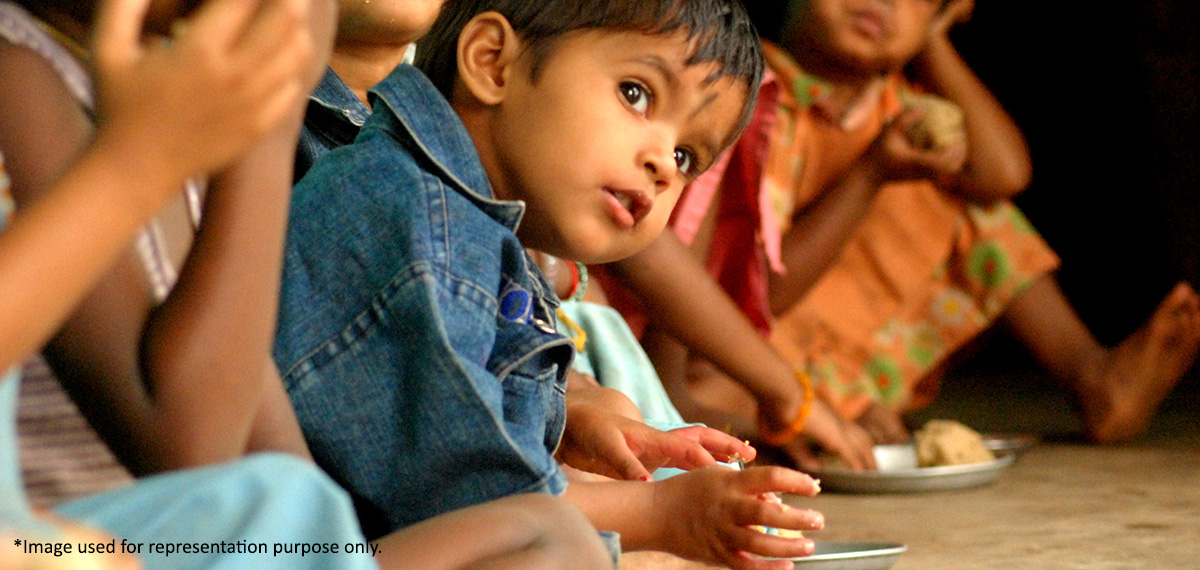
What is Malnutrition in Children? Causes and Effects
Summary/TL;DR on What is Malnutrition?
Malnutrition is a significant global health issue, particularly among children, leading to severe consequences like stunted growth and developmental delays. The 2024 WHO Report indicates that 149 million children suffer from stunting, with alarming statistics from India showcasing that approximately 8.57 crore Indian children are malnourished. To understand the gravity of this crisis, we must first ask: what is malnutrition? Simply put, it is a condition that develops when the body is deprived of the right balance of nutrients, encompassing both undernutrition (stunting, wasting, and micronutrient deficiencies) and overnutrition (obesity). Major causes include poverty, food insecurity, poor maternal health, lack of education, inadequate healthcare, and infectious diseases. Early signs include stunting, weakness, lethargy, frequent illness, and behavioral changes. Prevention and treatment involve nutritional interventions, healthcare access, education, economic support, and government programs. CRY America addresses malnutrition through awareness programs, nutritional support, and linking communities to government resources. Their efforts, including referrals to rehabilitation centers and promoting sustainable practices, exemplify effective interventions in combating malnutrition and improving children's health outcomes.
Malnutrition is a global health issue that affects millions of people, especially children. It is one of the leading causes of mortality in children under 6 years, contributing to stunted growth, developmental delays, and susceptibility to diseases. According to the 2024 WHO Report, 149 million children experience stunted growth due to malnutrition. The Global Hunger Index 2023 audit states that 8.57 crore Indian children under 6 years of age are malnourished, and 2.9% of Indian children die before their 5th birthday. Malnourished children face severe long-term health and developmental challenges which affect their childhood and adulthood.
This article covers understanding the types, causes, symptoms, and cures of malnutrition in children.
Also Read: Child Labor Laws and Regulations India
What is malnutrition?
Malnutrition refers to deficiencies, excesses, or imbalances in a person’s intake of energy or nutrients. The term covers 2 broad groups of conditions: undernutrition and overnutrition. Undernutrition includes stunting, wasting, and deficiencies in essential vitamins and minerals, while overnutrition refers to obesity or excessive intake of certain nutrients.
Malnutrition in children is a serious health condition that hinders both physical and cognitive growth. It often stems from the vicious cycle of poverty, where the undernourished condition of the mother directly impacts the newborn. Proper nutrition is critical in the early years of a child's life as it affects brain development, immune system strength, and long-term health.
1. Undernutrition
- Stunting: Children are too short for their age due to chronic undernutrition. It results from prolonged nutrient deficiency and is a major public health issue, especially in developing countries like India.
- Wasting: A child is too thin for their height, usually caused by acute malnutrition due to insufficient food intake or illness.
- Micronutrient deficiencies: A lack of essential vitamins and minerals like iron, vitamin A, iodine, and zinc can lead to health issues such as anemia, impaired immune function, and blindness.
2. Overnutrition
Overnutrition occurs when a child consumes more calories than their body requires, leading to obesity and related health problems such as diabetes and cardiovascular disease.
Causes of malnutrition in children
Malnutrition is preventable and treatable, especially when detected early through proper meal plans, healthcare access, and education about adequate nutrition.
- Poverty: Low-income families often lack access to adequate food, safe drinking water, and healthcare, making it difficult to provide children with the nutrients they need.
- Food insecurity: Instability in food supply due to conflict, natural disasters, or economic issues leads to malnutrition.
- Poor maternal health: Undernourished pregnant and lactating mothers are at risk of giving birth to low-weight and malnourished babies.
- Lack of education: Parents who are unaware of proper nutrition often provide an imbalanced diet, which contributes to malnutrition.
- Inadequate healthcare: Lack of access to medical treatment worsens malnutrition. Diseases such as diarrhea and infections, if untreated, exacerbate nutrient deficiencies.
- Infectious diseases: Illnesses like malaria and pneumonia reduce nutrient absorption & increase caloric needs, worsening malnutrition.
Signs of malnutrition in children
Identifying malnutrition early is challenging, but some common signs include:
- Stunted growth: Children shorter than expected for their age may suffer from chronic malnutrition.
- Thin & weak appearance: Wasted muscles & a gaunt appearance indicate acute malnutrition.
- Lethargy & fatigue: Malnourished children lack energy & are less active than their well-nourished peers.
- Frequent illness: Malnutrition weakens the immune system, making children prone to infections.
- Swelling: Children suffering from protein deficiency may have swollen bellies, ankles, or faces due to fluid retention.
- Behavioral changes: Irritability, unresponsiveness, or difficulty concentrating are behavioral signs of malnutrition.
The Impact of Malnutrition on Child Development
Malnutrition affects much more than a child’s weight. It disrupts normal growth patterns, weakens immunity, and interferes with learning ability. When children do not receive the right nutrients during critical growth periods, the damage can be lasting. Understanding these effects highlights why early detection and timely nutrition support are essential for healthy child development.
Cognitive and Physical Growth Delays
Malnutrition significantly slows both physical and brain development. Undernourished children may be shorter for their age, have weaker muscles, and show delayed milestones. Poor nutrition also affects memory, attention, and learning ability. These cognitive delays can reduce school readiness and academic performance, making it harder for children to reach their full developmental potential.
Long-Term Health Implications
The effects of malnutrition often continue into adulthood. Children who are malnourished face a higher risk of chronic illnesses such as diabetes, heart disease, and weakened immunity later in life. Early nutritional deficits can also reduce productivity and earning potential. Addressing malnutrition early is therefore critical not only for child survival but also for long term public health outcomes.
Preventing Malnutrition: Strategies for Parents and Communities
Preventing malnutrition requires consistent efforts at both the household and community levels. Simple steps such as promoting breastfeeding, ensuring balanced diets, maintaining hygiene, and accessing routine healthcare can make a major difference. When families, health workers, schools, and local systems work together, the risk of malnutrition in children can be significantly reduced.
Importance of Nutrition Education for Families
Nutrition education empowers parents to make informed food choices for their children. When caregivers understand portion sizes, dietary diversity, breastfeeding practices, and hygiene, they are better equipped to prevent nutrient deficiencies. Community awareness programs, school outreach, and frontline health worker counseling play an important role in spreading practical, easy to follow nutrition knowledge.
Role of Local and Global Efforts in Prevention
Preventing malnutrition requires coordinated action at multiple levels. Local health systems, government schemes, and community groups provide frontline support through immunization, supplementation, and food security programs. At the global level, organizations and donors help fund research, awareness, and nutrition initiatives. Together, these efforts create a stronger safety net that protects vulnerable children.
Cures for malnutrition in children
Malnutrition is preventable and treatable, especially when detected early. Key solutions include:
- Nutritional interventions: Nutrient-dense foods such as fortified milk, cereals, and supplements can help children recover from malnutrition. Ready-to-use Therapeutic Foods (RUTF) are widely used to treat severe acute malnutrition.
- Healthcare access: Proper medical care, vaccinations, and deworming help treat diseases that worsen malnutrition.
- Education: Families need education on balanced diets, breastfeeding, and hygiene practices to prevent malnutrition. Community leaders, health workers, and schools can collaborate to spread awareness.
- Economic support: Social safety nets, employment opportunities, and economic aid help families afford nutritious food and healthcare for their children.
- Government programs: Linking communities to government schemes for healthcare and financial aid is an effective way to combat malnutrition.
Also Read: Child Abuse Prevention
How CRY America intervenes to combat malnutrition
CRY America plays a role in combating malnutrition by tackling the root causes of malnutrition & ensuring that children have access to resources they need for healthy development.
- Conducting nutrition awareness programs: CRY America educates communities about proper nutrition & healthcare practices through workshops and door-to-door visits. The team counsels parents on best practices to ensure a balanced diet & optimum child care.
- Providing sustainable nutritional support: Along with providing nutritional support to children, CRY America ensures sustainable methods to cure malnutrition. This includes referring malnourished children to the PHC & the Nutrition Rehabilitation Centers for treatment, starting & teaching kitchen gardening practices & following up with families during and after recovery.
- Linking to government programs: CRY America aims to empower communities by linking them to various government programs that help them take better care of their children.
- Facilitating healthcare access: Supported Projects teams facilitate healthcare by setting up health camps, providing medical check-ups, and ensuring children receive vaccinations and treatments that prevent malnutrition through Health Centers.
CRY America crafting a better tomorrow
While working with Project Vikas Samvaad Samiti (VSS) in Madhya Pradesh, CRY America encountered a family with a newborn suffering from being underweight and ill due to his mother’s poor nutrition. Deprived of vital colostrum, the baby’s condition remained dire for 6 months. The ASHA health workers encouraged his mother to admit him to a Nutrition Rehabilitation Center. After 11 days of treatment, the child gained weight and recovered from malnutrition. To help the family break the cycle of poverty, they were supported to start poultry farming & a kitchen garden to improve their nutrition & income.
Conclusion on What is Malnutrition?
Malnutrition is a critical issue that continues to affect millions of children globally, but it is preventable & treatable. Organizations like CRY play a significant role on this issue, helping to create a world where every child has the right to grow up healthy & strong.
By supporting CRY America, you can directly impact the lives of malnourished children, giving them a healthier and more secure future. Donate for children and help in children's health and nutrition for a brighter tomorrow.
FAQs on What is Malnutrition?
What is the difference between undernutrition and overnutrition?
Undernutrition occurs when children do not receive enough calories, protein, or micronutrients, leading to stunting, wasting, or deficiencies. Overnutrition happens when children consume excess calories, resulting in overweight or obesity. Both are forms of malnutrition and can negatively affect a child’s growth, health, and long term development.
How can malnutrition be prevented in children?
Malnutrition can be prevented through exclusive breastfeeding in early months, balanced home diets, timely vaccinations, deworming, safe drinking water, and good hygiene. Regular growth monitoring and early medical care are also important. Community awareness and economic support further help families provide adequate nutrition to children.
How does malnutrition impact a child's cognitive development?
Malnutrition weakens brain development by limiting essential nutrients needed for neural growth. Affected children may show poor concentration, slower learning, memory problems, and reduced school performance. If not corrected early, these cognitive effects can persist into adulthood and impact educational and economic outcomes.
How can parents identify signs of malnutrition in their children?
Parents should watch for warning signs such as poor weight gain, short height for age, visible thinness, frequent illness, fatigue, swelling, or lack of interest in activities. Behavioral changes like irritability or poor attention may also indicate nutritional problems. Early consultation with a healthcare provider is recommended if these signs appear.