











Early Childhood Education in India: What You Need To Know?
Early childhood education in India focuses on the formative years from birth to age 6, laying the foundation for lifelong learning and development. Despite this, many children still lack access to quality early education due to various challenges.
However, growing awareness and government initiatives are pushing for greater focus on this vital phase of education. Keep reading to know more about the importance of early childhood education.
Also Read: Forced Child Marriage
What Is Early Childhood Education and Why Is It Important?
Early childhood education refers to educational programs and practices for children from birth to age eight. It encompasses activities and experiences that promote young children's physical, emotional, social, and cognitive development, preparing them for future learning and success.
Importance of Early Childhood Education
Some reasons why educating children early is important are:
- Early education provides a strong foundation for academic and personal growth throughout life.
- It helps level the playing field for children from diverse backgrounds, giving them access to quality education.
- It addresses disparities in learning, helping children start school with the skills they need to succeed.
- It supports children's mental and physical health by fostering a nurturing and stimulating environment.
- Investing in early education leads to long-term benefits, including higher productivity and reduced social costs.
Also Read: Barriers to Education
Key Benefits of Early Education for Children
Early education offers numerous benefits that lay the foundation for a child's future success. These include:
- Cognitive development: Early education stimulates brain development, improving problem-solving and critical-thinking skills.
- Social skills: Children learn to interact with peers, share, and communicate, which builds strong social foundations.
- Emotional growth helps children manage emotions, build resilience, and gain self-confidence.
- Academic readiness: Early education prepares children for academic success by developing basic literacy and numeracy skills.
- Improved long-term outcomes: Children who attend early childhood education are more likely to graduate and succeed in their careers.
Also Read: Parental Involvement in Education
The Importance of Early Childhood Education in Shaping Future Learning
Investing in early education has long-term benefits. Research shows that children attending quality early childhood programs are more likely to perform better academically, have higher graduation rates, and experience greater career success. This early investment is important in narrowing the achievement gap, particularly for children from disadvantaged backgrounds.
Challenges Faced by Early Education in India
Several challenges hinder the progress and effectiveness of early childhood education in India. These obstacles impact the quality and reach of early education, affecting children's development at crucial stages.
- Lack of awareness about the importance of early childhood education limits its support from parents and communities. Many still see early education as optional rather than foundational for a child’s growth.
- There is a shortage of trained educators, which affects the quality of teaching. Many teachers lack the necessary skills to provide effective early education, leading to gaps in children's learning.
- Access to quality early childhood education is limited, especially in rural areas. Children from disadvantaged backgrounds face barriers such as distance, affordability, and inadequate facilities.
- Inadequate government support and funding often leave early education programs under-resourced. This lack of investment means fewer children can benefit from quality programs that promote their overall development.
- Social and cultural barriers also play a role, as some communities prioritize traditional education over modern early education approaches.
Also Read: Importance of Girls Education
How Parents Can Play a Role in Early Education
Parents can significantly impact their learning journey by actively participating in their child's early development. Here's how:
- Encourage learning at home by engaging your child in simple activities like reading together and counting objects. This helps build their cognitive and language skills, vital in early education.
- Create a positive learning environment by offering your child a safe and supportive space to explore.
- Provide opportunities for social interaction by arranging playdates or encouraging participation in group activities.
- Talk to your child about their day and ask open-ended questions. This encourages communication skills and strengthens their ability to think critically.
- Support your child's education by staying informed about the importance of early childhood education and actively participating in their school activities or programs.
Steps Taken by Cry America to Promote Early Childhood Education in India
CRY America has taken several significant steps to promote early childhood education in underserved communities, ensuring children receive the foundation they need for a successful future.
One of our core efforts is strengthening early education programs, such as Anganwadis and primary schools, to ensure that children aged 0 to 6 are enrolled and receive the proper care and attention. CRY America works to improve infrastructure, ensure the availability of trained educators, and create child-friendly learning environments that foster growth and development.
Another key action is their focus on building community awareness about the importance of early childhood education, helping families understand its long-term impact on a child's success. We also work with local governments and NGOs to provide the necessary resources, such as educational materials and school readiness programs, to bridge gaps in access to early education.
Also Read: Importance of STEM Education
FAQs on Early Childhood Education
What are the challenges of early childhood education in India?
One of India's main challenges is the lack of infrastructure and resources, especially in rural areas, which hinders access to quality early childhood education. Additionally, there is a shortage of trained teachers and inconsistent implementation of early education programs, making it difficult to ensure uniform standards across the country.
How does early childhood education shape a child’s future?
Early childhood education is critical in shaping a child's cognitive, social, and emotional development. It helps children build a strong foundation for learning, improves their academic performance later in life, and equips them with essential skills that impact their overall success in school and beyond.
What steps has India taken to promote early education?
India has introduced initiatives to promote early childhood education, such as the Integrated Child Development Services (ICDS) and the Right to Education (RTE) Act. The government is also focusing on improving the quality of preschool education by training teachers and upgrading the infrastructure of Anganwadis and other early education centers.
How can parents contribute to early childhood education at home?
Parents can contribute by engaging with their children in activities that stimulate learning, such as reading, playing educational games, and encouraging curiosity. Creating a positive, supportive environment at home can reinforce the importance of early childhood education and help children develop essential skills for future learning.
How does preschool education in India support early childhood learning and development?
Preschool education in India provides children aged 3-6 with structured environments where foundational skills—such as language, social interaction, fine motor skills, and curiosity—are nurtured before they enter formal schooling; this early stage links seamlessly with early childhood education by ensuring children are ready for grade 1, improving school readiness, attendance and long-term learning outcomes.

What is Equity in Education and Why It Is Important?
Equity in education means ensuring every student gets the support they need to succeed, regardless of their background or circumstances. It’s about providing resources and opportunities tailored to each student’s individual needs so they can achieve their educational goals.
The goal of education equity is to recognize and accommodate the different needs of each student. This might mean providing additional support to students who need it most, ensuring everyone has the same chance to succeed despite their starting point.
Also Read: Addressing the Educational Needs of Underprivileged Children
Why is Equity in Education Important?
Here are a few reasons that highlight the importance of equity in education:
- Opportunity for All: Equity creates pathways for underprivileged and underserved students to overcome individual barriers.
- Support for Diverse Learning Styles: Equity allows students to engage with material that aligns with their learning style, ensuring that everyone has a fair chance to grasp the content effectively.
- Increased Engagement: Equity helps students connect with their education by incorporating their race, gender, or ethnicity into the curriculum.
- Enhanced Resource Access: Equity ensures that every student can access the necessary resources, including additional tutoring, technology, or specialized materials.
Also Read: Child Labor Laws and Regulations India
Obstacles to Educational Equality
To achieve educational equality, overcoming the barriers that prevent many children from accessing quality education is crucial. Here’s a look at some major challenges:
- Many areas, particularly in developing countries, face severe shortages of financial resources.
- Overcrowded classrooms and lacking basic materials such as books and qualified teachers further decrease educational quality.
- Education often comes with expenses like school fees, uniforms, and supplies many families cannot afford.
- Extreme poverty forces many families to rely on child labor to increase their income.
- Discrimination based on gender, ethnicity, religion, or language can prevent children from getting equal educational opportunities.
Also Read: Barriers to Education
How to Promote Equity in Education?
To promote equity in education, we need a proactive approach to ensure every student has access to the support and resources they need to succeed. It is possible to create a more inclusive and unbiased learning environment by implementing a few practical strategies, which are as follows:
Teacher Training and Development
Investing in ongoing professional development for teachers is essential for promoting equity in the classroom. Training programs should focus on:
- Cultural Competence: Prepare teachers with skills to understand and address the diverse cultural backgrounds of their students.
- Differentiated Instruction: Guide them in creating personalized teaching methods to fulfill the different needs of students.
- Bias Awareness: Help educators recognize and overcome personal biases that may affect their teaching.
Involve Your Students in Curriculum Planning
Engage students in the curriculum planning to ensure their learning experience matches their needs and interests. Consider:
- Surveys and Feedback: Use surveys or feedback sessions to gather students' opinions on what topics and formats they find most engaging.
- Student Choice: Students can select project topics or learning activities that align with their interests and strengths.
Recognize that all Students have Different Needs
It is crucial to recognize and address the diverse needs of students to promote equity education. This includes:
- Individual Learning Plans: Develop personalized learning plans for students who need additional support or accommodations.
- Regular Assessments: Perform regular assessments to identify and address learning gaps or challenges.
Create a Safe and Equitable Classroom Environment
Building a classroom environment that ensures every student feels safe and valued is fundamental to promoting equity. Key strategies include:
- Inclusive Practices: Create an environment where all students feel respected and represented regardless of their background.
Accommodate Different Learning Styles
Recognizing and accommodating different learning styles helps ensure that all students can engage with the material effectively. Strategies may include:
- Varied Teaching Methods: Use various teaching methods, such as visual aids, hands-on activities, and group work, to cater to different learning preferences.
Also Read: The Urgency of Educating Marginalized Children in India
Importance of Gender Equity in Education
Gender equity in education equips all students with essential life skills such as self-management, communication, and critical thinking. Here’s why it is important:
- Helps students learn essential life skills like self-management, communication, and critical thinking
- Uplifts families and communities by reducing pay disparities and boosting economic growth.
- Decreases gender-based violence in schools and prevents evil social practices like child marriage or female genital mutilation.
- Creates a skilled and educated population that contributes to long-term societal and economic benefits.
Role of CRY America in Providing Equal Education
CRY America plays a pivotal role in ensuring equal education for underprivileged children. Since 2004, this Non-Profit Organization has impacted over 700,000 lives through:
- Early Childhood Education: Supporting intellectual and cognitive development for children aged 0-3.
- School Readiness: Providing preschool access to children aged 3-6 through Anganwadis, preparing them for formal schooling.
- Learning Outcomes: Ensuring children aged 6-18 complete their education effectively.
With over 337,000 children in schools, 1,561 public schools activated, and 211,294 children mainstreamed, CRY America aims to eradicate barriers like discrimination, child labor, and inadequate resources, promoting equal opportunities for every child.
Also Read: Impact of Non Profit Organizations on Empowering Children
Conclusion
Equity in education is about more than just fairness; it’s about ensuring every student has the tools they need to succeed, regardless of their starting point. By focusing on personalized support, inclusive practices, and resource allocation, you can create an environment where all students have the opportunity to reach their full potential. As you continue your teaching journey, keep equity at the forefront of your practice to foster a classroom where every student can thrive.
If you aspire to contribute to making the world a better place for everyone, take your first step by donating to Non Profits like Cry America who help create a positive impact.
Also Read: What is Child Marriage?
FAQs
What is equity in education?
Equity in education means giving each student the specific resources and support they need to reach their full potential, regardless of their background or circumstances. Unlike equality, which treats everyone the same, equity acknowledges that students face different challenges and may need varying levels of assistance to succeed. It focuses on tailoring the learning experience to address diverse needs and fostering an inclusive environment where personal or social factors do not hinder learning.
What are the broader societal benefits of educational equity?
Educational equity benefits society by reducing poverty and inequality, boosting economic productivity, and promoting social mobility. It fosters inclusive communities, improves public health, and encourages community participation. By providing targeted support to marginalized individuals, equitable education helps break cycles of poverty, reduce socioeconomic disparities, and create fairer opportunities for all. Educated populations contribute to stronger economies, healthier families, and more harmonious societies, while also engaging more actively in democratic processes, ultimately advancing social justice and long-term national stability.
What’s the difference between equity and equality in education?
Equity and equality in education are related but different. Equality ensures all students have access to the same resources, like identical textbooks or opportunities. Equity, however, recognizes that students have unique needs and challenges, such as disabilities, language barriers, or lack of internet access. An equitable approach provides tailored support and accommodations so every student can succeed. In short, equality focuses on sameness, while equity focuses on fairness, ensuring all learners can reach their full potential.
Why is equity in education important?
Fostering equity in education empowers children to develop the skills, confidence, and critical thinking needed for future leadership. Equitable learning environments improve academic performance, close achievement gaps, and provide underserved students with opportunities to succeed. Exposure to diverse classrooms promotes tolerance, inclusivity, and engagement, helping students become well-rounded leaders. By ensuring fair access to resources and support, educational equity not only enhances individual outcomes but also strengthens society and contributes to long-term economic and social progress.
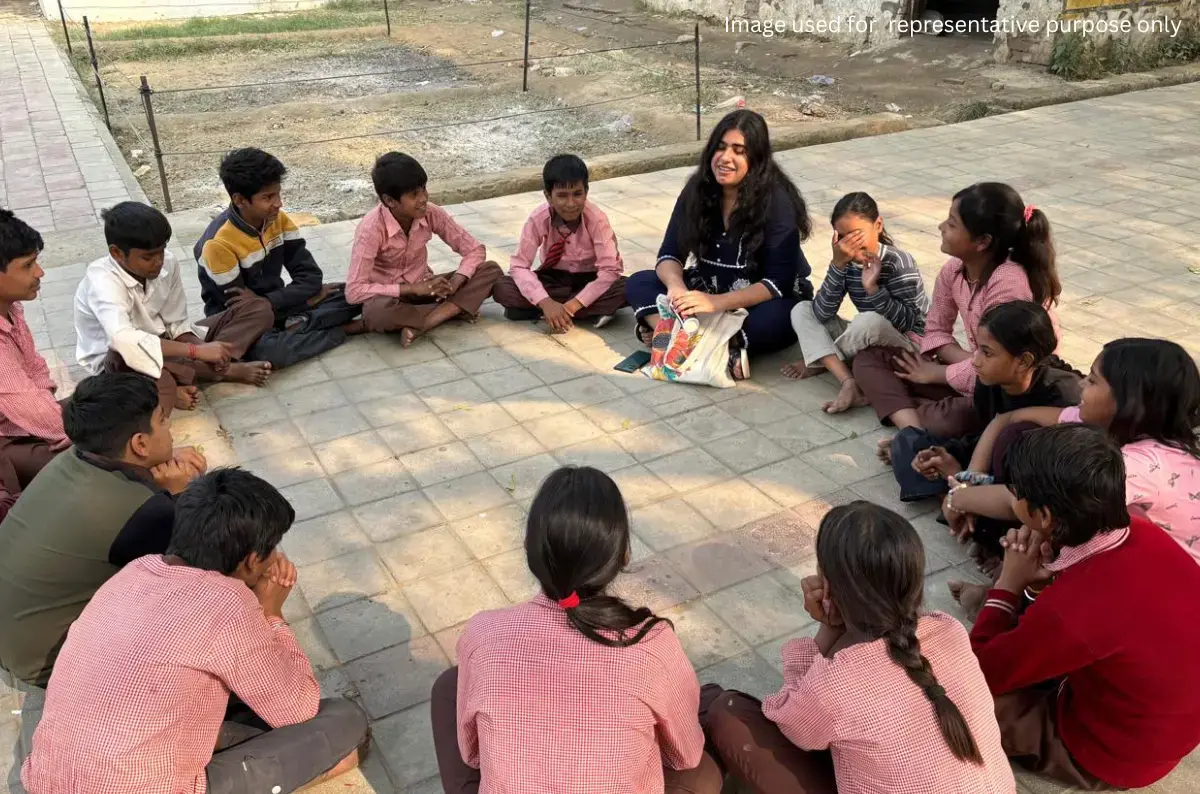
What Is Gender Inequality? Understanding Its Causes, Effects, and Solutions
Summary/TL;DR on What is Gender Inequality?
Gender inequality in India is a critical issue rooted in cultural, economic, and social structures, affecting women and girls in education, healthcare, and economic opportunities. When evaluating the systemic barriers, one must consider: what is gender inequality in this context? Essentially, the disparity arises from factors such as poverty, limited access to education, inadequate healthcare, and a patriarchal society that marginalizes women. Key challenges include weak enforcement of laws, resistance to change, and economic barriers. Solutions involve efforts to combat child labor and marriage, enhance women’s entrepreneurship, support education for girls, and promote equitable healthcare access. Organizations like CRY America play a vital role in advocating for gender equality through targeted initiatives. Although the path to gender equality is difficult, sustained efforts can lead to substantial progress.
Gender inequality is a pressing issue in India, deeply rooted in cultural, economic, and social structures. Despite progress in recent years, women and girls continue to face significant disparities in education, healthcare, economic opportunities, and social status.
Addressing this issue requires a comprehensive approach that tackles its root causes and engages all sectors of society. This article explores what causes gender inequality, its impact, and potential solutions to create a more equitable future for all.

What is Gender Inequality?
To define gender inequality, it refers to the disparity in rights, opportunities, and treatment between individuals based on their gender, typically favoring men over women, typically favoring men over women. This pervasive issue manifests in various aspects of society, including education, employment, healthcare, and social status.
Gender inequality causes an unequal distribution of power, resources, and privileges between genders. Moreover, in many parts of the world, gender inequality remains deeply entrenched in cultural, economic, and social structures. It affects women’s ability to access education, pursue careers, make life decisions, and participate fully in society.
Causes of Gender Inequality in India
The causes of gender discrimination are interconnected, creating a cycle that’s difficult to break. Understanding these root causes is crucial for developing successful strategies to promote gender equality and empower women nationwide.
Poverty
Poverty exacerbates gender inequality by forcing families to make difficult choices in resource allocation. In impoverished households, limited funds are often directed toward male children’s education and health, believing boys will provide future financial support and security.
Girls may be kept home to assist with domestic chores or sent to work in low-paying jobs. This creates a cycle where women have fewer opportunities for economic independence and personal development, reinforcing gender-based disparities across generations.
Uneven Access to Education
Educational disparities significantly contribute to gender inequality. Many girls face barriers to schooling, including safety concerns, distance from schools, early marriage expectations, and domestic responsibilities.
Even when girls attend school, they often receive less support and encouragement than their male counterparts. This educational gap has far-reaching consequences, limiting women’s career prospects, earning potential, and ability to participate in decision-making processes at home and in society.
Poor Medical Care
Inadequate healthcare disproportionately affects women, particularly in rural areas. Many women lack access to quality medical services, including essential reproductive health care. This results in higher maternal mortality rates and overall poorer health outcomes for women.
The preference for male children can also lead to neglect of girls’ health needs and, in extreme cases, female infanticide or sex-selective abortions. These health disparities further reinforce gender inequality by limiting women’s physical well-being and life opportunities.
Patriarchal Societal Structure
India’s deeply ingrained patriarchal system underpins many aspects of gender inequality. This structure places men in positions of power and authority within families and broader society. Women are often expected to be submissive and prioritize domestic duties over personal ambitions.
This mindset influences everything from career choices to property rights, limiting women’s autonomy and reinforcing gender-based discrimination. The patriarchal structure also perpetuates harmful practices like dowry systems, further marginalizing women.
Also Read: The Urgency of Educating Marginalized Children in India
Challenges to Achieving Gender Equality
The following factors represent key challenges in the journey towards gender equality in India and other nations.
Weak Enforcement of Laws
While India has enacted numerous laws to protect women’s rights and promote gender equality, their implementation often falls short. Ineffective enforcement stems from various factors, including understaffed police forces, overburdened judicial systems, and corruption.
Many women, particularly in rural areas, lack awareness of their legal rights or face intimidation when seeking justice. This weak enforcement perpetuates a culture of impunity for gender-based discrimination, undermining efforts to achieve equality.
Resistance to Change
Deeply ingrained cultural norms and traditional beliefs pose significant resistance to gender equality initiatives. Many communities view efforts to empower women as threats to established social structures and male authority.
This resistance manifests in opposition against women’s education, employment, or political participation.
Changing these long-held attitudes requires persistent efforts in education, awareness-raising, and showcasing positive role models to demonstrate the benefits of gender equality for society.
Economic and Social Barriers
Economic disparities and social constraints continue to hinder progress towards gender equality. Women often face limited access to financial resources, property ownership, and employment opportunities. Social norms restricting women’s mobility and decision-making power exacerbate these economic challenges.
Additionally, the burden of domestic work disproportionately falls on women, limiting their ability to pursue education or career advancement. Overcoming these barriers requires targeted interventions to enhance women’s economic empowerment and challenge restrictive social norms.
Possible Solutions for Gender Inequality in India
Addressing gender inequality requires a comprehensive approach that tackles the root causes and engages all levels of society. Here are some key solutions that could make a substantial impact:
- Combating child labor, child marriage and girls child discrimination
- Streamlining legal processes can make justice more accessible for women
- Awareness generation for families to prioritize girls’ education
- Supporting women’s entrepreneurship through microfinance and skill development programs
- Promoting equal pay, career advancement, and higher education opportunities
- Conducting awareness campaigns on women’s health issues and training healthcare providers on gender-sensitive care
Also Read: Addressing the Educational Needs of Underprivileged Children
Role of CRY America in Combating Gender Inequality
At CRY America, we recognize that gender inequality is a critical issue affecting children’s rights and development. Our approach to combating this problem is multifaceted, focusing on education, healthcare, community empowerment and addressing issues of child marriage and child labor. We believe that addressing gender inequality is crucial for creating a world where every child can thrive, regardless of gender.
Our efforts in this area include:
Promoting equal access to education
We work to ensure that girls have the same opportunities as boys to attend and complete school. This involves:
- Addressing barriers such as safety concerns, distance from schools, and early marriage
- Community awareness & supporting initiatives that encourage families to prioritize girls’ education
- Providing resources for quality education in underserved communities
Improving healthcare access
We strive to enhance medical care for girls and women by:
- Supporting programs that focus on maternal and child health
- Promoting awareness about the importance of girls’ health and nutrition
- Advocating for better healthcare facilities in rural areas
- Menstrual health and hygiene awareness
Challenging societal norms
Our initiatives aim to shift deeply ingrained patriarchal attitudes by:
- Engaging with families and communities to promote gender equality
- Supporting programs that help girls and young women
- Raising awareness about the negative effects of gender discrimination, child labor, and child marriage.
Also Read: Equity in Education
Conclusion on What is Gender Inequality
The path to gender equality in India is challenging but not impossible. Significant progress can be made by implementing a combination of legal reforms, educational initiatives, and efforts to change societal attitudes.
Non-Profit organizations like CRY America play a crucial role in this journey, working tirelessly to promote child rights and gender equality. Through strategic partnerships, impactful campaigns, and grassroots projects, CRY America has already touched the lives of over 700,000 children, many of whom are girls facing gender-based challenges.
If you aspire to contribute to making the world a better place for everyone, take your first step by donating to Non Profit Organization focused on children and help create a positive impact.
FAQs on What is Gender Inequality?
What is gender inequality and how does it affect children in India?
Gender inequality is the unequal treatment of children based on their gender, often limiting girls’ access to education, healthcare, nutrition, and opportunities. In India, this results in many girls dropping out of school, facing child marriage, receiving less nutrition and medical care, and being more vulnerable to abuse and neglect. These challenges restrict their potential and perpetuate cycles of poverty and discrimination, affecting not just individual children but entire communities.
What are the major causes of gender inequality in Indian society?
The major causes of gender inequality in Indian society include:
1. Patriarchal norms: Traditional beliefs often prioritize boys over girls in family, education, and inheritance.
2. Cultural practices: Practices like child marriage, dowry, and preference for male children reinforce inequality.
3. Limited access to education: Girls often face barriers to schooling due to social norms, safety concerns, or household responsibilities.
4. Economic dependence: Women’s limited access to employment and financial resources reduces their independence and decision-making power.
5. Social discrimination and bias: Gender stereotypes influence opportunities, healthcare, and participation in communities and society at large.
How does CRY America address the causes of gender inequality through its programs?
CRY America’s project teams form Children’s Collectives where young minds learn about inclusivity and challenge discrimination from the very beginning, both in schools and within their communities. It also establishes Adolescent Girls’ Collectives to sensitize girls about their rights to education, health, and dignity, while challenging harmful cultural practices that push them into household chores or early marriages. In addition to community awareness drives on the importance of girl child education, CRY conducts vulnerability mapping and door-to-door visits to change mindsets and protect girls at risk of early marriage.
Why is it important to address gender inequality at the grassroots level?
Addressing gender inequality at the grassroots level is crucial because it tackles the problem where it begins, within families, schools, and local communities. Early intervention helps challenge harmful social norms, cultural practices, and biases that limit girls’ access to education, healthcare, and opportunities. By empowering children, families, and communities with awareness and resources, lasting change can be achieved. This ensures that every child, regardless of gender, has the chance to grow, participate fully in society, and shape a brighter future.
Why does gender inequality still exist in India today?
Gender inequality continues in India due to factors such as social norms, discrimination, poverty, unequal access to education, early marriage, and limited opportunities for girls and women. These challenges can restrict girls’ choices and prevent them from fully participating in education, employment, and community life.
How does gender inequality affect girls’ education and future opportunities?
Gender inequality can limit girls’ access to education and increase the risk of school dropout, early marriage, and child labour. Without consistent access to quality education, girls may have fewer opportunities to develop skills, pursue higher education, find decent employment, and achieve financial independence.
How does gender inequality affect girls’ education and future opportunities?
Individuals and communities can help by promoting equal access to education, challenging harmful gender stereotypes, preventing child marriage, supporting girls’ participation in school and community activities, and speaking up against discrimination. Creating safe and inclusive environments for girls can help them continue their education and access better opportunities.
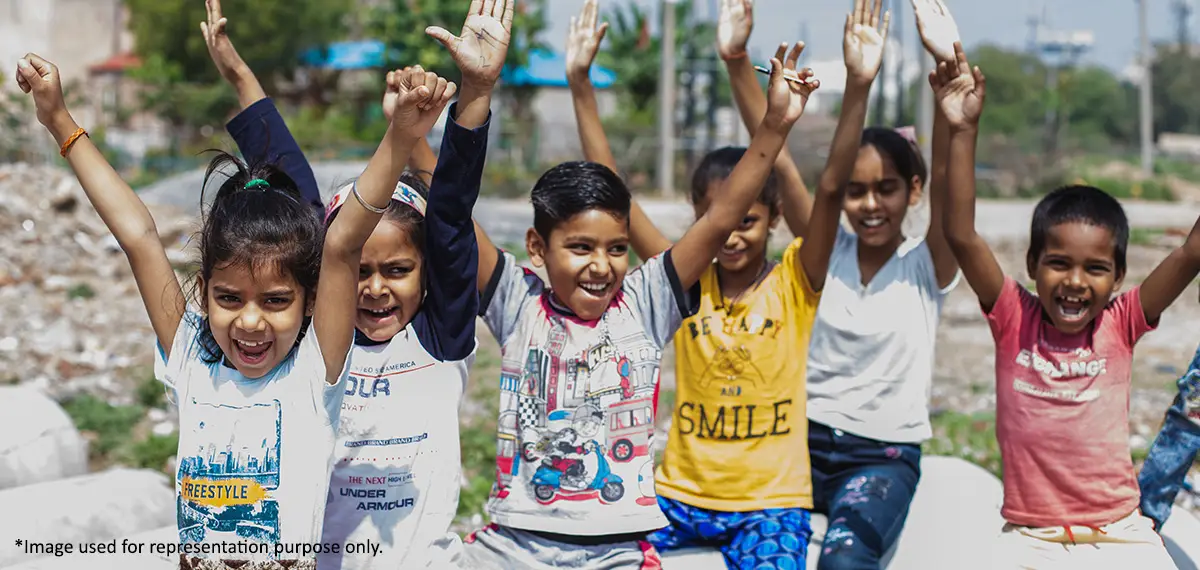
Importance of skill-based education for empowering underprivileged children
Developing countries often rely heavily on traditional education, children primarily engage in rote learning and theoretical knowledge. While these aspects are important, they don’t always prepare children for real-world challenges. This is where skill-based education plays a significant role in shaping these children’s futures. By providing life skills, we can help them build a foundation for personal growth and economic independence.
In today’s blog, let’s explore the importance of skill-based learning, the key components of life skills, and the role of governments and NGOs in promoting skill-based education in marginalized areas.
Also Read: Equity in Education
What is skill-based education?
Skill-based education emphasizes the development of practical and applicable skills that go beyond textbooks. It focuses on real-world competencies such as communication, teamwork, critical thinking, problem-solving, and technical skills that are essential in helping children adapt to challenges and excel in various aspects of life.
Also Read: Rural Women Empowerment
Importance of skill-based education
1. Bridging the learning gap: Underprivileged children often face disrupted career paths due to low-income levels and frequent dropouts from mainstream schooling. Skill development programs, such as vocational training, life-skill sessions, computer literacy, and language skills, offer practical education and hands-on training, bridging this educational gap and making them more employable.
2. Encourages informed decisions with critical thinking: Skills such as problem-solving, financial literacy, and effective communication empower underprivileged children to think critically and make informed decisions paving the way to independent living.
3. Fosters confidence and self-esteem: Dreams and aspirations can only flourish when individuals possess skills, they are confident in applying. This confidence comes from education, knowledge, and hands-on training. Skill-based learning fosters resilience and helps children envision a brighter future for themselves.
4. Ensures child protection: Skill development programs offer underprivileged children an alternative to child labor and early marriage by teaching marketable skills. These programs build their capacity for future employment, protecting them from exploitation and the consequences of child marriage by guiding them toward dignified and empowering roles in the workforce.
5. Teaches adaptability: Skill-based education equips children with versatile skills that can be applied in various scenarios. Whether it’s learning digital skills, communication techniques, or vocational trades, these skills ensure that children can thrive even when faced with uncertainty.
Also Read: Preschool Education in India
Key components of life skills education
Due to disrupted learning, education often becomes easier to acquire when life skills act as complementary learning for underprivileged children. Some of the most important life skills for students include:
- Communication skills: The ability to express thoughts clearly, both verbally and in writing. Effective communication helps children advocate for themselves and connect with others.
- Critical thinking and problem-solving: Teaching children how to think critically and solve problems independently equips them to handle real-world challenges.
- Financial literacy: Understanding the basics of budgeting, saving, and managing money can help children make informed financial decisions.
- Vocational skills: Skills like carpentry, driving, kitchen gardening, tailoring, or computer literacy can open up job opportunities for children who may not have access to higher education.
- Teamwork and collaboration: Learning to work with others helps children develop social skills and succeed in group settings, whether in school, learning centers, or their communities.
Also Read: Child Rights in India
Role of government and NGOs to drive skill-based education
Governments and NGOs act as powerful mediums to facilitate and provide access to skill-based learning. Together, they create scalable initiatives to reach underserved communities worldwide.
Role of government: Governments worldwide are increasingly acknowledging skill development initiatives as key tools for reducing poverty and promoting economic growth. With programs like Pradhan Mantri Kaushal Vikas Yojana (PMKVY), an initiative aimed at offering short-term skill development courses in areas such as construction, healthcare, and IT, the government of India is continuously working to empower its youth.
Role of NGOs: While government programs exist, NGOs ensure that marginalized communities are aware of and have access to these government programs. According to a 2024 Press Release from the Press Information Bureau, 1.42 crore individuals have participated in the PMKVY program, with the participation of women increasing from 42.7% in 2016 to 52.3% in 2024. Besides this, ways an NGO can contribute to skill-based learning include:
- Workshops and training programs: Offering practical workshops that teach vocational and digital skills.
- Community engagement: Working with families and communities to emphasize the importance of skill-based education.
- Mentorship programs: Providing role models from the community and mentors who guide children through their educational journeys.
Also Read: Impact of Non Profit Organizations on Empowering Children
CRY America’s role in skill development for students
CRY America’s education-focused projects support underprivileged children by providing them with practical skills through life skills education, empowering them to become self-reliant and build a better future. Some of the key initiatives of CRY America’s projects include:
- Linking children and adolescents with government programs: Ensures access to skill-based government programs for marginalized families by raising awareness and helping them avail the benefits of such programs.
- Child Activity Centers: Fosters life skill sessions that encourage children to think critically, communicate to express their views, and participate in group activities with informed decisions.
- Vocational training: Conducts vocational training in areas such as digital literacy, driving, tailoring, and gardening, ensuring sustainable employment opportunities in underserved areas.
- Sports coaching: An effective initiative, CRY America’s projects focusing on education, sometimes offer sports coaching to teach children discipline, and perseverance, besides learning the sport. This helps children focus on their studies while developing practical skills on the field.
CRY America making a difference with skill-based education
While working with project Doaba Vikas Evam Utthan Samiti (DVEUS) in Uttar Pradesh, the team came across a girl who dropped out of school after 2nd standard due to her family's financial struggles. Her family's low income and the long distance to school forced her to put her education on hold.
With CRY America’s intervention, her mother was counseled on the importance of education, and she was enrolled in CRY's Child Activity Center to attend bridge classes. She was then re-enrolled in 3rd standard by the project team, and now, she aspires to become a police officer.
Also Read: Barriers to Education
Conclusion
Imparting skill-based education is important for the overall development of children. For example, digital literacy has come a long way, thanks to the efforts of government programs, and NGOs like CRY America, which ties all the efforts of attaining skill-based education into one thread. While India has made notable progress over the last decade in fostering skill-based education, the journey is far from over. It is achievable with the continuous support of government efforts, NGO drives, and your unwavering support.
By supporting CRY America, you can make a direct difference in the lives of underprivileged children by empowering them with skill-based education. Donate today and become a beacon of hope for a better tomorrow.
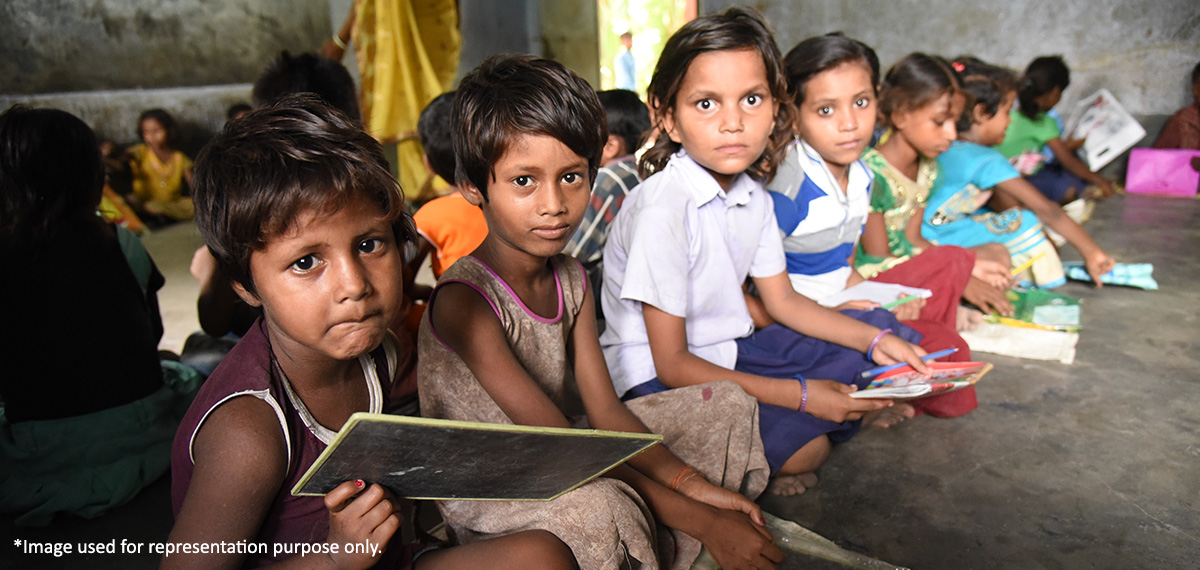
Overcoming barriers to education for underprivileged children
Access to education is a fundamental right. But millions of children worldwide, especially those from underprivileged backgrounds, are often deprived of it. Education opens doors to better opportunities, breaks the cycle of poverty, and fosters community progress. However, several barriers to education prevent children from realizing this right. UNESCO’s Out-of-school Children and Youth Global report estimates that 258 million children and youth were out of school in 2018, representing one-sixth of the global population.
In this article, let’s delve into understanding the importance of education for children, the root causes hindering access to education, and sustainable ways through which we can ensure education for children.
Importance of education for underprivileged children
Education goes beyond literacy - it is a gateway to sustainable learning, essential skills, and personal growth. Here’s how education impacts the lives of the children.
- Social inequalities: Quality education empowers children with critical thinking skills and access to better jobs, healthier lifestyles, and improved community engagement.
- Consequences of poverty: Without access to education, children are more likely to fall into poverty, face early marriage, child labor, and experience reduced earning potential.
- Health protection: When a child is educated, they have the potential to break unhealthy traditions that impact the health of their families and the larger community.
Also Read: From Child Labour To Future Scientist
Barriers to education for underprivileged children
Even 14 years after the enactment of the Right of Children to Free and Compulsory Education Act, 2009 (RTE Act-2009) in India, many children are still not attending school. Many children remain out of school at the elementary level, while others drop out at the secondary level due to the below reasons.
- Financial barriers: Children are often forced to work to support their families, compromising their education in the process.
- Social and cultural barriers: Gender discrimination may prevent girls from attending school. Additionally, some cultural practices in marginalized communities may prioritize work over education, believing that more hands-on work than reading books will yield more income.
- Lack of infrastructure: Many schools lack essential facilities such as classrooms, washrooms, clean drinking water, and electricity. In India, particularly in rural areas, the absence of well-equipped schools close to children’s homes adds to dropout rates.
- Shortage of trained teachers: Under-resourced schools often lack qualified teachers, resulting in substandard education affecting learning outcomes.
- Language and curriculum barriers: For children from diverse linguistic backgrounds, especially tribal communities, language can be a significant barrier. When the medium of education does not align with their native language, they get demotivated and drop out of school.
Also Read: Online Safety for Children
Steps taken to eradicate barriers to education
Governments, Non-Profits, and global organizations have undertaken initiatives to address these barriers:
- Free and compulsory education policies: Many countries, including India, have introduced free and compulsory education policies. The Right to Education Act (RTE) in India mandates free and compulsory education for children aged 6-14 years.
- Scholarship programs: Numerous scholarships and financial aid programs have been created to help underprivileged children access education. Scholarships specifically targeting girls, rural children, and those from marginalized backgrounds are making a significant difference in shaping the futures of underprivileged children.
- School feeding programs: Organizations and governments worldwide have implemented school feeding programs that help alleviate hunger, improve attendance, and reduce dropout rates.
- Infrastructure development: NGOs along with the local administration are continuously working towards infrastructure development with a focus on building safe, accessible schools and providing facilities such as washrooms, drinking water, and electricity.
- Teacher training programs: Various teacher training programs are conducted by self-help groups and NGO projects focusing on equipping educators with skills to handle diverse classroom environments and provide inclusive education.
Also Read: Barriers to Education
How CRY is working towards breaking barriers to education?
CRY America’s projects are dedicated to protecting and promoting the rights of underprivileged children. Here’s how CRY America’s projects are making an impact:
- Enrolling out-of-school and dropout children: CRY actively works to identify, enroll out-of-school children, and re-enroll dropped-out children through community engagement, parental counseling, formation of children collectives, and awareness drives.
- Building infrastructure and facilities: CRY America’s project teams engage with local communities, administration, and school committees to improve school infrastructure. They ensure that children have access to safe classrooms, clean drinking water, and hygienic toilet facilities, which are essential for regular attendance and academic success.
- Linking children with education programs: CRY America’s multiple projects educate children and parents on government programs and support them to avail it to continue their education.
- Teacher training and skill development: CRY America’s projects empower teachers through training programs by adapting modern interactive teaching techniques to help them create inclusive, student-friendly environments.
- Organizing support classes: Children in need of educational support, whether due to academic struggles or previous dropout status, receive support through bridge or remedial classes provided by CRY America’s projects.
- Spreading educational empowerment through CRY America projects
While working with project Jawahar Jyoti Bal Vikas Kendra (JJBVK) in Bihar, CRY America encountered a young girl whose parents were daily wage earners. Due to financial constraints, she had to stay home to care for her siblings and manage household chores, causing her to neglect her studies.
Recognizing her need for support, the project team enrolled her in the Bridge Course Center, where she was taught the basics of reading, writing, and numeracy. However, having been out of touch with studies for a long time, she initially struggled to concentrate in class. To address this challenge, they adapted modern teaching techniques such as videos, presentations, and interactive activities to rekindle her interest in learning.
Her renewed enthusiasm and passion for education led her to achieve first-division marks. Today, she is a confident and active member of JJBVK’s children’s collective advocating for children’s education rights.
Also Read: Protect Underserved Children
Conclusion
Overcoming the barriers to education for underprivileged children requires a multifaceted approach involving government policies, community engagement, and your invaluable support. By supporting CRY America, you can directly help children pave the way to quality education.
Donate now to make a real impact on the lives of countless children, making access to education a reality for every child.
Also Read: Child Hunger Facts