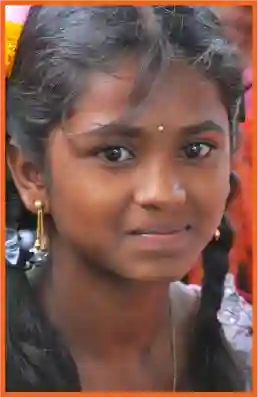













Thumalai’s rise against all odds
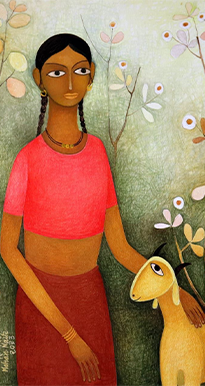
Thumalai belongs to a community in Tirupati district, Andhra Pradesh, where families often migrate for livelihood. Her father, though the Sarpanch, was no exception. In a place where early marriage is seen as the safest future for girls, her parents made a rare choice, they wanted their daughter to study.
But that choice was not easy. Along with school, Thumalai had to manage household chores and care for her younger brother, leaving her exhausted. When she joined a new school for secondary education, the 10 km travel and lack of steady income made the struggle harder. Yet, the determination she nurtured through CRY’s Adolescent Collective kept her going.
Her transition to high school and board exams was crucial. During this time, CRY visited her home, offering the care and encouragement missing in her parents’ absence. They reminded her of her strength, resilience, and leadership.
Thumalai topped her grade 10 boards with 540 marks, received the Pratibha Award from the Andhra Pradesh Government, and stood out as the only government school student among six “Shining Star” awardees.
Today, she is exploring scholarships and hostel options for her intermediate course, with CRY by her side to ensure her voice is heard and her dreams take flight.
The Problem
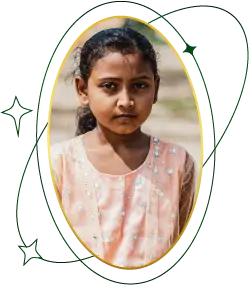
The Anganwadi Centers (AWCs) in this region face infrastructural and manpower gaps, which hinder children and women from accessing essential facilities, particularly in providing nutritious food for pregnant and lactating mothers and implementing Early Childhood Care and Education (ECCE) for 3-6 years children. The lack of basic infrastructure in schools and poor maintenance of existing facilities compel students to drop out, often leading them to early marriage or work to support their family’s livelihood.
The Solution
CRY America’s Project Pragathi works to ensure quality education for children, reduce child labor and early marriage, and mainstream them into formal schooling. Key activities include enrolling children in Anganwadi preschool programs, sensitizing parents about the risks of child labor and marriage by stressing on the value of education, and encouraging teachers to engage directly with families of child laborers. The project also strengthens Children’s and Adolescent Girls’ Collectives to raise awareness on child labor and child marriage within communities.
Impact Of The Project

42
Children aged 6-18 mainstreamed in schools

51
Child laborers identified and rescued

54
Child marriages averted

1870
Children participated in Child Collective meeting

92
Children aged 3+ enrolled for preschool education

1870
Children in 73 children collectives
2025 Plans
- Submit requisitions to transform 5 new Anganwadi Centers (AWCs) into model AWCs
- Enroll 98 identified out-of-school children in formal education
- Mainstream 20 long-term out-of-school children into alternative courses
- Track and support 10th- and 12th-grade students for further education
- Re-enroll 40 identified child laborers in schools
2025 Total Budget
2024 Grant Disbursed $49,342
2025 Grant Approved $53,986