












From dropout to role model Divya’s stand for her rights
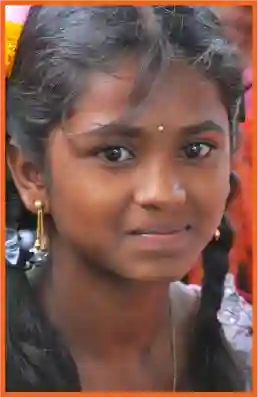
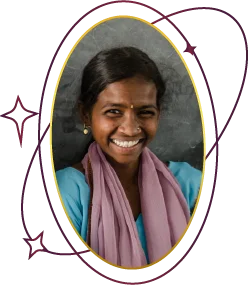
Divya was a regular student who enjoyed going to school and spending time with her friends. During her 10th grade, her father passed away, bringing significant changes to her family’s situation.
Her mother, now the sole caregiver, faced both financial pressure and concerns about Divya’s safety while commuting to school. Due to these challenges, she decided to withdraw Divya from school.
Divya’s absence was noticed by members of CRY’s Adolescent Girls’ Collective, who informed the project team. During a home visit, the team spoke with Divya and her mother to understand their concerns. Divya expressed her wish to continue her education, while her mother shared her worries about safety and affordability.
The team suggested open schooling as a flexible option that could address both concerns. Through continued discussions and counselling, her mother agreed to support Divya’s education.
With support from CRY’s Child Activity Center, Divya resumed her studies, prepared for her board exams, and successfully completed them. She then enrolled in a Bachelor of Arts program and also joined computer classes to build additional skills.
Divya is now continuing her higher education. Her mother has also become more supportive of girls’ education and encourages others in the community.
Divya’s experience highlights how timely support and access to alternative learning options can help girls continue their education despite challenging circumstances.
The Problem
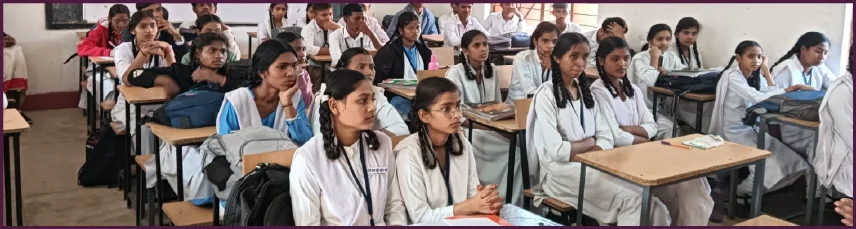
The communities in 8 slums of Bilaspur, Chhattisgarh, face challenges in enrolment, retention, and transition to higher grades for children aged 6-18 years. Limited awareness about education, weak School Management Committees, distance to schools, poor living conditions, child labor risks, and the threat of eviction further restrict children’s access to consistent learning.
The Solution
CRY America’s Project Mitva Mahila Kalyan Evam Seva Samiti (MMKSS) works to ensure children’s access to preschool, primary, secondary, and high school education by strengthening Anganwadis, improving school infrastructure, and building the capacity of School Management Committees (SMCs). The project also focuses on reducing dropouts by supporting families with income opportunities, linking them to government financial aid programs, and forming Children’s and Adolescents’ Collectives to sensitize children about the importance of education and their rights.
Impact Of The Project

275
Children enrolled in preschool education

2,028
Children aged 6-18 in schools

94
Children aged 6-18 re-enrolled in schools

180
School Management Committees (SMC) members sensitized on child rights issues

11
Sports team formed & 150 children regularly playing sports

1,287
Households linked to food safety programs

500
Children completed 3 years of Life Skill training
2026 Plans
- Enroll 1,951 children aged 6–18 years in schools.
- Ensure at least 150 Anganwadi children attain age-appropriate learning levels.
- Re-enroll 80 dropout children aged 6–18 years in schools.
- Link 1,600 children with scholarship programs.
- Link 40 children with ITI (Industrial Training Institute), certified nursing, or computer courses.
- Link 30 children with government financial assistance programs.
- Link at least 30 qualified adolescent players with sports coaching programs.
- Train 1,100 children on Year 2 and Year 3 Life Skills modules.
2026 Total Budget
2025 Grant Disbursed $25,450
2026 Grant Approved $24,280