













Chandan’s first steps to recovery
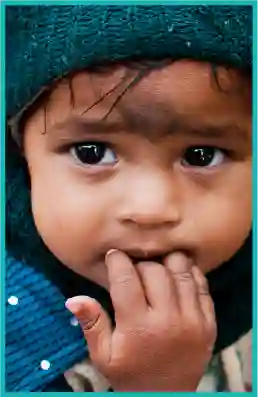
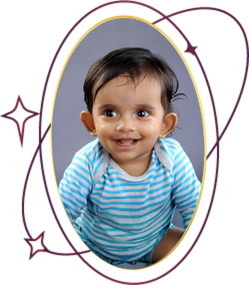
Born into a family of eight, Chandan* spent most of his early months with his grandmother while his parents worked long hours to support the family. Like many families facing poverty, they were unaware of age appropriate feeding practices and the importance of immunization during a child’s early years. During a routine health monitoring visit, CRY America’s project team found that Chandan weighed just 4.8 kg at six months and was identified as Severely Underweight (SUW).
The team immediately developed an Individual Care Plan (ICP) and began monitoring his growth every month. They counselled his family on nutritious diets, the importance of complementary feeding, and continued breastfeeding. To ensure Chandan received adequate nutrition regardless of the family’s financial situation, the team facilitated double supplementary nutrition through the Anganwadi Center. Through regular counselling and follow ups, the family gradually adopted healthier childcare practices. Chandan’s grandmother, who had relied on traditional child rearing practices, became an active partner in his recovery.
With consistent care, community support, and sustained monitoring, Chandan’s health steadily improved. He moved from the Severely Underweight to the Moderately Underweight category, reaching 7.7 kg. A year later, he made a full recovery, weighing 10.8 kg and growing into a healthy child.
*Name changed to protect child’s identity
The Problem
Limited livelihood opportunities often force families to migrate seasonally, disrupting their children’s access to essential healthcare services. Moreover, poor healthcare access, inadequate Anganwadi infrastructure, deeply rooted social norms, and gender inequality have contributed to high rates of infant mortality, widespread malnutrition, and early marriage, putting the lives of mothers and children at risk.
The Solution
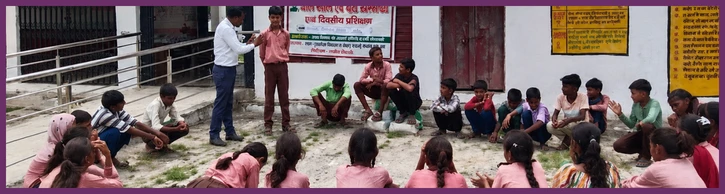
Project Doaba Vikas Evam Utthan Samiti is working across 60 villages in the Kaushambi and Chitrakoot districts of Uttar Pradesh to improve access to quality healthcare for underserved communities. The project works to reduce infant mortality, including neonatal deaths, by strengthening home based newborn care and improving access to quality healthcare and nutrition to address malnutrition in infants and anemia among pregnant women and adolescent girls. It also promotes institutional deliveries by encouraging pregnant women to register with Anganwadis, and prevents child marriage and child labor through awareness sessions and the formation of children’s and adolescents’ collectives.
Impact Of The Project

10,797
Community members sensitized on maternal & child health care

2,700
Sanitary pads distributed to adolescents

1,127
Pregnant women received iron tablets & counselling sessions

1,112
Institutional deliveries ensured

409
Institutional deliveries ensured

410
Newborns aged 0-1 years 100% immunized

760
School children attended health screenings

55
Severely Underweight children referred for specialized care
2026 Plans
- Accelerate recovery of 252 Severely Underweight and 1,211 Moderately Underweight children through regular follow-up and Individual Care Plans
- Improve exclusive breastfeeding, complementary feeding and dietary diversity through counselling for 410 mothers & caregivers
- Life Skills sessions and leadership development activities to be conducted for 60 Children’s Collectives and 60 Adolescents’ Collectives
- Conduct 3 capacity building programs for ASHA (Accredited Social Health Activist) workers on maternal healthcare and strengthening malnutrition management
- Follow up with 532 pregnant women to support timely third and fourth trimester antenatal care (ANC).
- Ensure accurate growth monitoring by maintaining 942 Mother and Child Protection (MCP) Cards to facilitate timely healthcare services.
2026 Total Budget