











Campaign Story
About the project
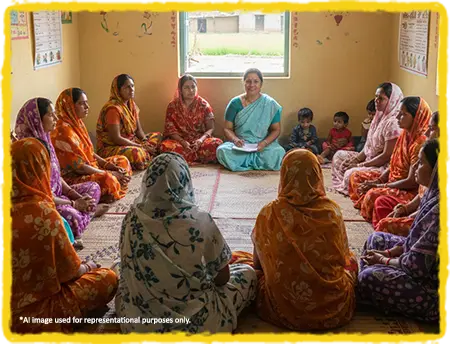
South Asian women and children face cultural and language barriers that often prevent them from seeking help, leaving them vulnerable to domestic violence, economic abuse, and displacement. Project Manavi provides culturally specific support to 900+ survivors every year, offering counseling, legal advocacy, transitional housing, and economic empowerment so survivors and their children can safely rebuild their lives and regain independence.
Making a difference
Project Manavi works to make a difference by supporting South Asian survivors and their children through a range of culturally aware interventions. The project has bilingual volunteers, speaking over 14 South Asian languages, offering 24-hour hotline support, counseling, and advocacy. Survivors receive immediate help with housing, groceries, clothing, transportation, and childcare, along with longer-term assistance for education costs, career coaching, mental health counseling, and participation in support groups. Through Ashiana, its transitional home, and community outreach, Manavi addresses urgent and systemic barriers, helping survivors heal and thrive independently.
The way forward
● Provide safe housing and daily essentials for survivors and their children at Ashiana.
● Offer mental health counseling and emotional support to aid recovery from abuse.
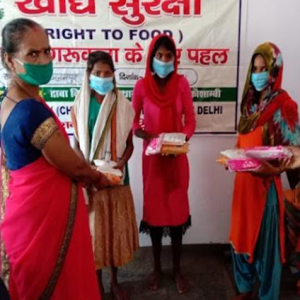
● Assist with immediate needs such as groceries, clothing, transportation, and childcare.
● Support education costs, school supplies, and camp fees for children.
● Offer career coaching and skill-building opportunities for survivors.
● Provide legal advocacy and guidance, including child support assistance.
● Facilitate participation in support groups and community outreach programs.
● Ensure all interventions are culturally sensitive and linguistically accessible.
Action during COVID times
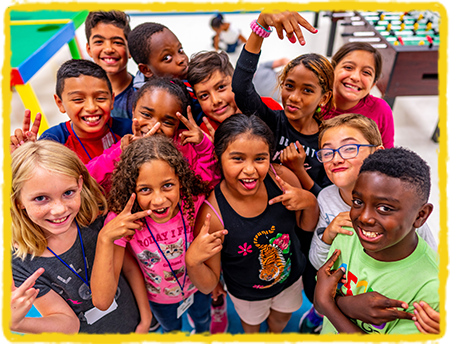
● Taking a responsive, youth-centered approach to learning that includes a full spectrum of enrichment
● Adapting programs like flexible academic framework
● Providing services, training and technology to Club staff
The way forward
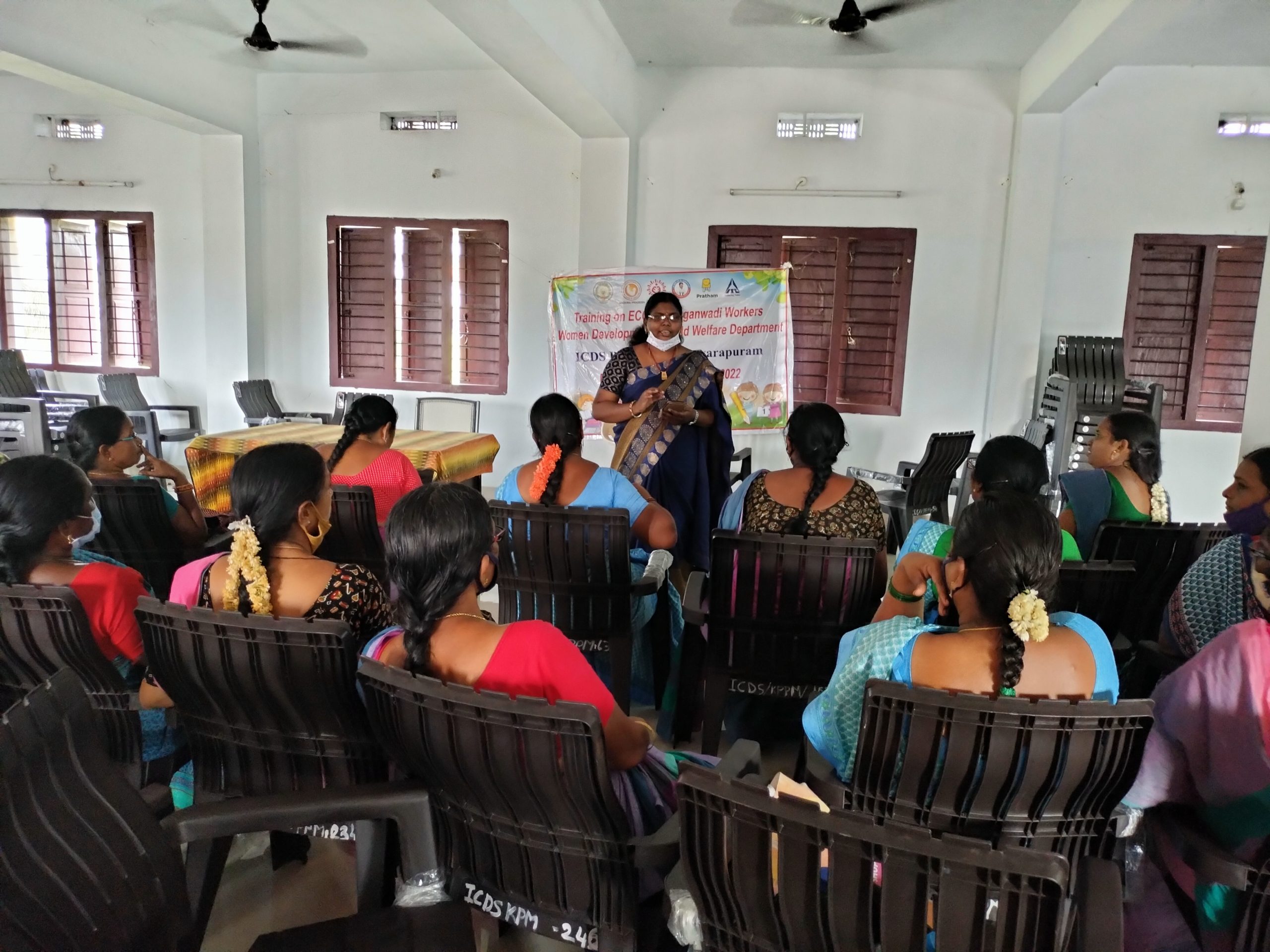
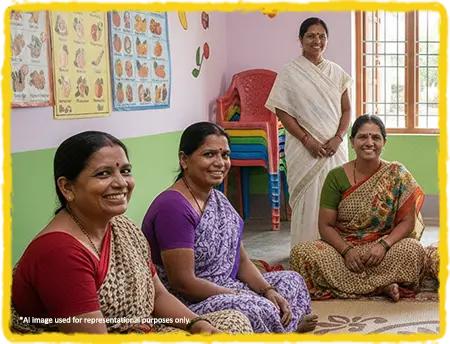
● Orienting Anganwadi teachers on Early Childhood Education (ECE) programme components.
● Strengthening parents monitoring committee
● Conducting awareness programmes on child labor at the community level
● Implementing Life Skills Modules in child collectives to inculcate self-esteem and self confidence
● Transact life skills modules on sexual and reproductive health in adolescent girls collectives
Project Impact

100
New club sites have been established across America.

857
Club organizations engaged in the Trauma-Informed Diagnostic development journey.

80
Million snacks and meals were served to youth.
3,430
Clubs took part in Science, Technology, Engineering, and Mathematics (STEM) activities.
150,000
Club members participated in programs fostering life and workforce readiness.
56%
of club youth eat five or more servings of fruits and vegetables every day.

59%
of children get at least one hour of exercise on five or more days each week.
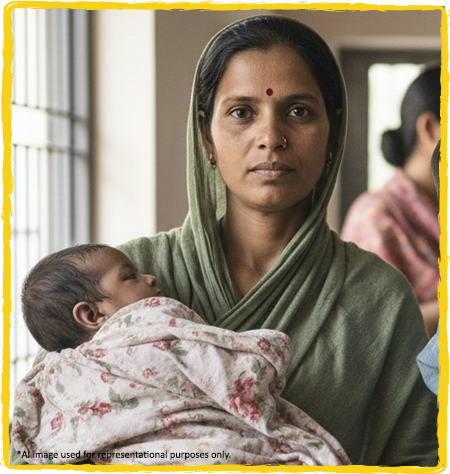
Hope, healing, and new beginnings at Ashiana
Last Year’s Grant Disbursed: $30,000
Grant Budget for period January 2025 to December 2025 = $ 10,000

Project Photo Gallery